How To Have A Wellbeing Focussed Layover At Changi Airport
Long-haul travel is hard on the body. Even when the trip itself is exciting, the journey there can leave you feeling drained before you have even arrived. Add a connecting layover into the mix and it often becomes something people try to get through as quickly as possible.
That is part of what makes Changi Airport feel so different. From the moment you arrive in Singapore, the airport feels calmer than most places people pass through after a long-haul flight. Instead of feeling trapped in another overstimulating transit space, it somehow feels lighter, quieter, and easier to move through when you are already exhausted.
With the right approach, a layover at Changi Airport can actually help you feel a little more rested and human again before your next flight.
Table of Contents
If you are interested in a broader range of wellbeing topics, you can see more at our Nomadic Balance home page.
Why A Changi Airport Layover Feels Different
After enough hours in transit, it can become difficult to tell what your body actually needs anymore. You eat because food appears in front of you, not because you are hungry. You feel exhausted, but still cannot properly sleep. After enough hours in transit, even basic choices can start to feel tiring.
Most airports make that feeling worse. There is more noise, more rushing, more advertising, and more decisions to make at exactly the point your mental energy is already depleted. Research in environmental psychology has consistently shown that crowded, overstimulating environments increase cognitive fatigue, particularly when people are already sleep deprived or mentally depleted. After enough hours in transit, even simple decisions can start to feel strangely effortful.
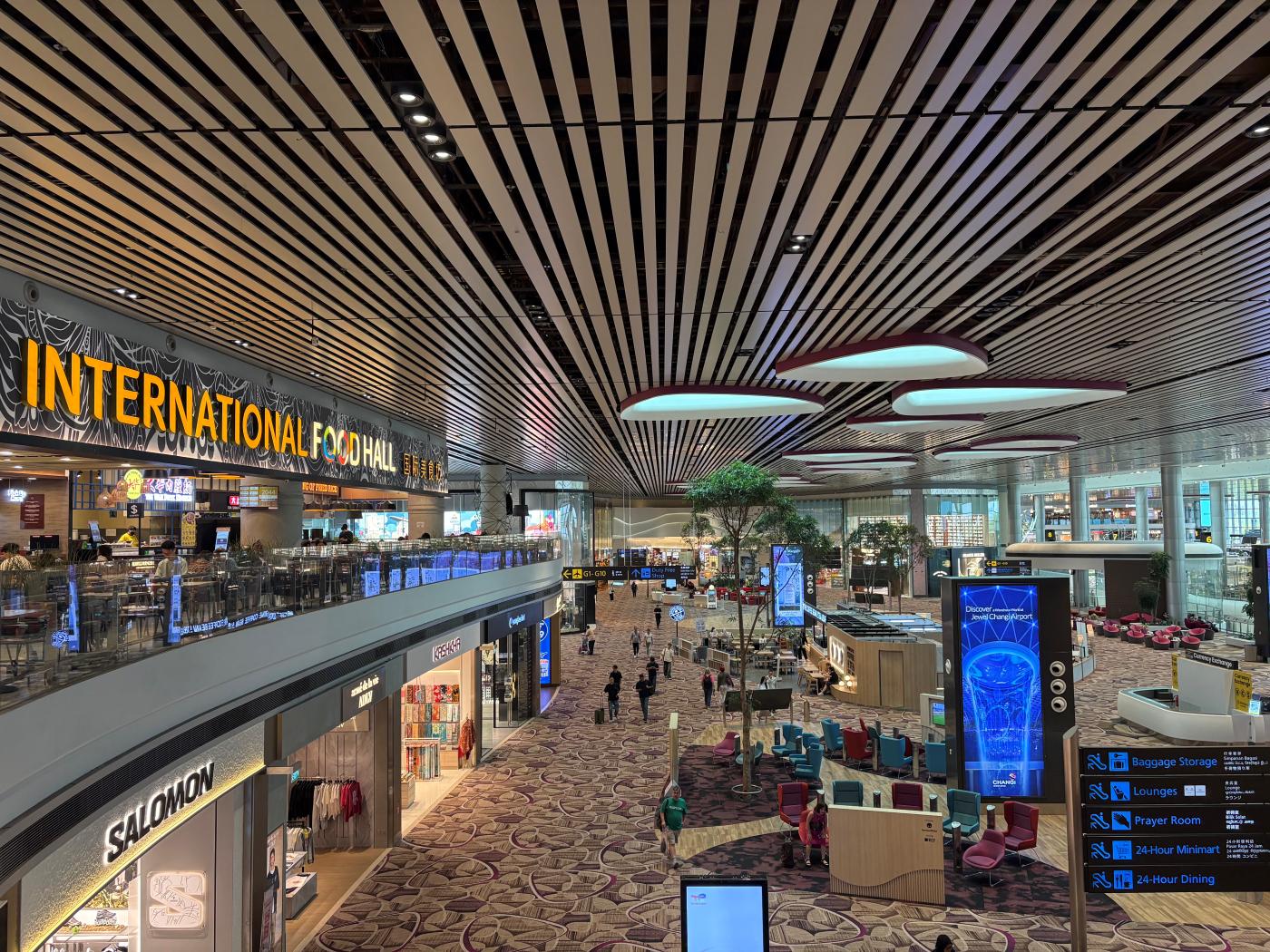
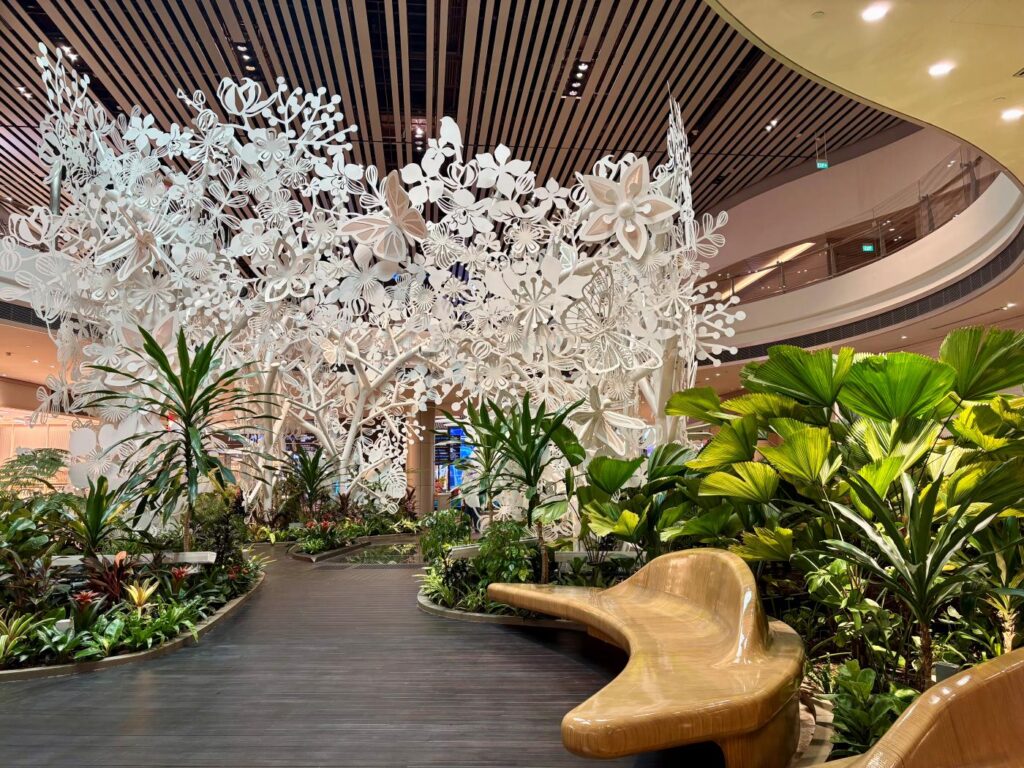
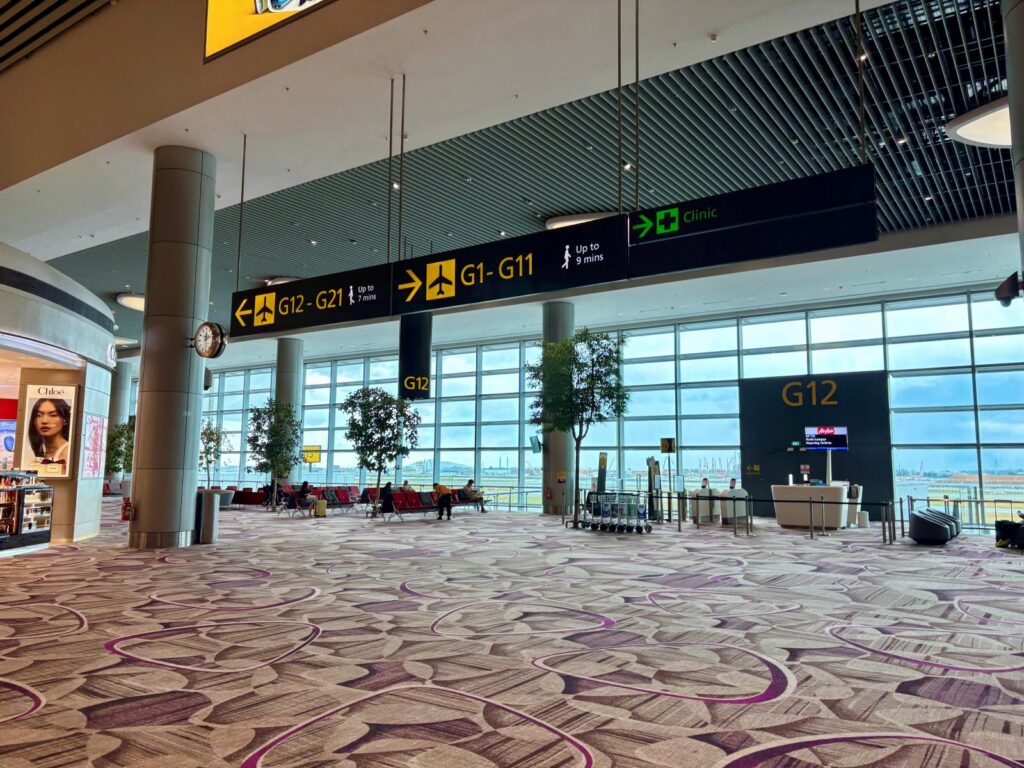
Changi feels different partly because you are not constantly being pushed to process more information. There is natural light where you expect another wall of screens. Greenery breaks up the usual monotony of transit spaces. The terminals feel open rather than cramped, and despite how busy the airport is, the atmosphere somehow feels calmer.
Curious to explore the science behind this?
This blog draws on established behavioural science research and applies these principles to travel contexts. Sources are linked in our Evidence & Further Reading section.
Why Long Layovers Feel So Draining
There is often pressure during layovers to make use of every hour. Travellers talk about “killing time”, but very few people treat a layover as an opportunity to recover from the journey itself. Instead, many of us keep pushing through our exhaustion.
Drinking another coffee even though we already feel jittery. Wandering through duty free without really wanting anything. Trying to stay awake because sleeping in an airport somehow feels wrong, even when we are deeply tired.
Long-haul travel already places the body under significant strain. Cabin pressure, dehydration, poor sleep, physical stillness, and disrupted eating patterns all build up over time.
Why Airports Often Make Jet Lag Worse
One of the biggest reasons long layovers feel so draining is light exposure. Your body clock depends heavily on light exposure to understand when it should feel awake or sleepy. Light is one of the main signals involved in regulating the circadian rhythm, which helps control alertness, sleep timing, hormone release, and body temperature. Most airports make that confusion worse. Bright artificial lighting at unusual hours keeps the brain stimulated long after the body wants to rest, while long stretches indoors disconnect you from normal daylight cues entirely.
That is part of what makes a Singapore layover at Changi feel more manageable. Natural light filters into many areas of the terminals, and if you want fresh air, you can head outside to spaces like the Cactus Garden. There are quieter corners where you can sit without constant announcements cutting through every few minutes. You can shower, eat properly, walk slowly, or just spend half an hour away from another screen.
None of those things sound particularly remarkable until you remember how rare they are during transit.
Can A Layover Help Jet-Lag Recovery?
A longer layover will not eliminate jet lag entirely, but access to daylight, movement, hydration, proper meals, and opportunities for rest may help reduce some of the physical strain associated with long-haul travel. Timed light exposure is one of the main factors involved in circadian adjustment after crossing time zones, which is part of the reason many travellers feel noticeably worse after spending extended periods inside artificial lighting without fresh air or daylight cues.
This is where Changi can feel genuinely helpful during transit. Instead of staying in the same gate area for hours, you can walk through quieter green spaces like the Sunflower Garden or Orchid Garden, sit near large windows with natural light, or eat a proper meal rather than a rushed airport snack.
If your layover is long enough to leave the airport, even a short period outdoors in Singapore’s daylight and humidity can help interrupt the disconnected feeling that develops during long-haul travel. None of these things “fix” jet lag, but they can help you feel slightly more regulated, alert, and physically comfortable before the next stage of the journey.
Why Changi Airport Feels Different During Transit
A lot of online content about a layover at Changi Airport treats it as a destination in itself. Technically, that makes sense. There are gardens, lounges, cinemas, restaurants, sleeping areas, and enough distractions to occupy an entire day. I’ve personally spent 24 hours there before and had a great time.
The Jewel at Changi Airport has also become so recognisable that many travellers now associate a Singapore layover almost entirely with the indoor waterfall; and if you have the energy, it is genuinely worth seeing.
But after overnight flights especially, many people push themselves through crowded, sensory-heavy environments because they feel they should make the most of the layover. Sometimes that leaves you feeling worse than simply resting would.
There is a meaningful difference between filling a layover with more activity and using it to recover from the constant stimulation of long-haul travel. That distinction is part of what makes Changi memorable.
Some of the most restorative parts of a Changi Airport layover are not the things people usually photograph. They are the quieter decisions that make travel feel physically manageable again. Taking a shower after a long-haul flight, changing into clean clothes, sitting somewhere with natural light for half an hour, or eating something that is not a plane meal can all make travel feel physically manageable again.
These small routines help you feel grounded again after hours of disruption.
Things To Do At Changi Airport That Actually Help You Recover
When people search for things to do at Changi Airport, they are usually shown attractions, shopping areas, and entertainment. But after ten or twelve hours on a plane, what many travellers actually need is something much simpler.
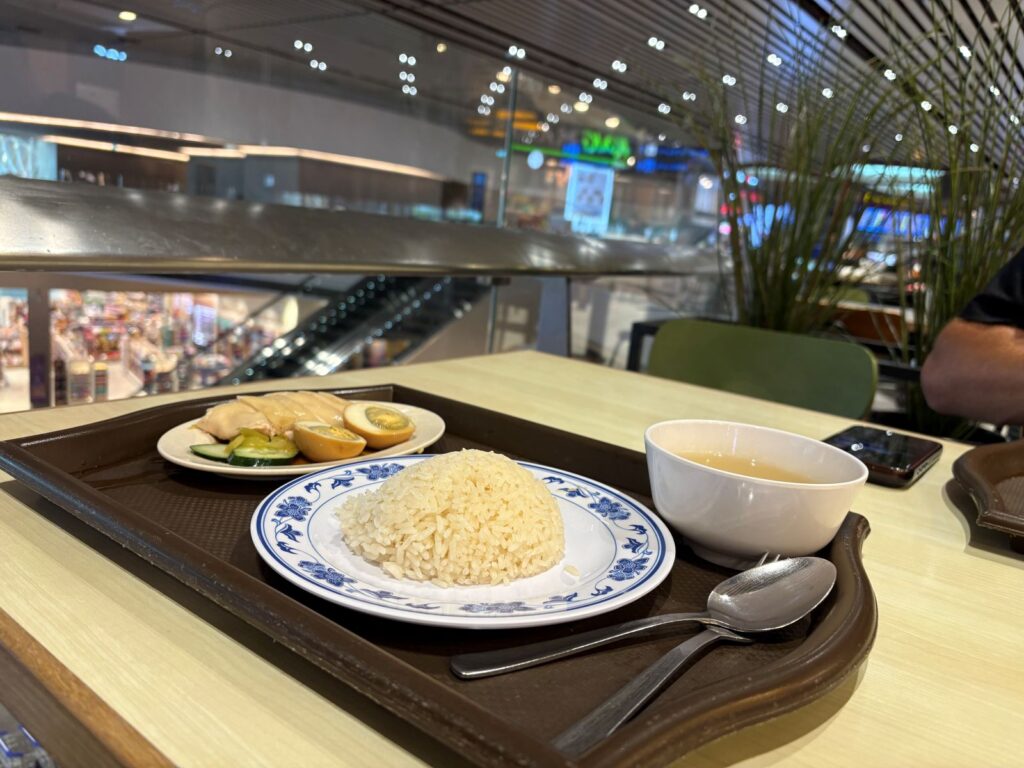
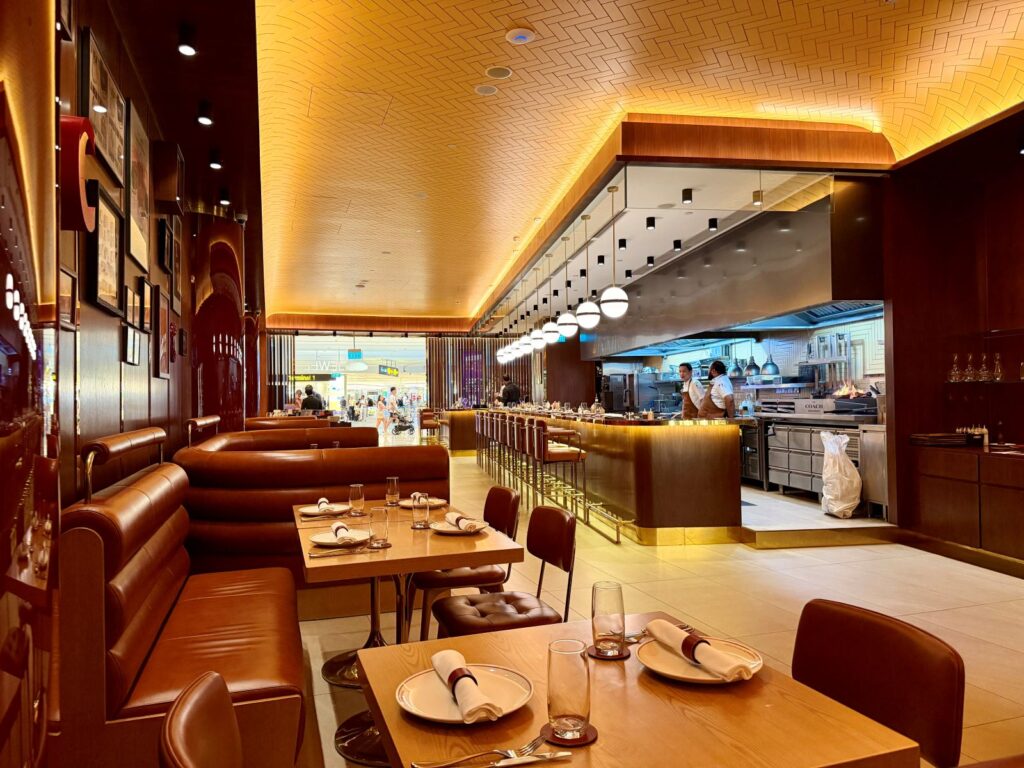
A chance to walk around again, finding some space to breathe, or a nutritious meal you can eat slowly instead of grabbing something between gates. Somewhere quiet to sit for a while without feeling pressured to keep moving. That is where Changi works particularly well.
The terminals are spacious, signage is clear, and moving through the airport rarely feels stressful. Even the small luggage trolleys make a difference when you are exhausted and do not want to drag a heavy carry-on across multiple terminals.
After hours of sitting still, just walking through the airport can help more than people expect. Not intense exercise, but some gentle movement. Long periods of immobility during long-haul travel are associated with stiffness, reduced circulation, and increased fatigue, so even light movement can help the body feel more alert again. The main terminals are well connected and relatively easy to move between, although it can take longer than expected because the airport is so large.
If you want to know more about why walking helps while travelling, you can also read our guide to walking benefits while travelling.
Where To Rest During A Changi Layover
If you have a longer layover, there are practical ways to make Changi more restorative rather than entertaining.
Transit hotels inside the airport allow you to sleep properly without formally entering Singapore. Some lounges offer showers and quieter resting spaces even if you are not flying business class, depending on access rules and availability. There are also designated rest areas throughout the terminals where you can sleep or rest without worrying if you are in the way. If you struggle with sleeping during travel, you may find our Sleeping Well While Travelling guide helpful.
If your layover is long enough and immigration requirements allow it, leaving the airport briefly can also help reset your body clock more effectively than remaining indoors for twelve continuous hours. Even short periods of daylight exposure can make a noticeable difference after long-haul travel. Changi offers free local tours if you are there for over six hours.
Why Showering During A Long Layover Helps
There is something comforting about showering during a long layover. It is usually something we take for granted, but during transit it helps you stop feeling like you are still stuck inside the previous flight. After hours of dry cabin air, poor sleep, and sitting still, even simple routines like washing your face, brushing your teeth, or changing into clean clothes can make you feel physically and mentally clearer again.
Many travellers adapt to the discomfort of long-haul travel so completely that they stop noticing how tense and uncomfortable they actually feel. Your skin feels dry, your clothes become uncomfortable, and your sense of time starts to feel slightly unreal. Small acts of physical care help restore a sense of normality again.
At Changi Airport, those things are relatively easy to access. Depending on your terminal and airline, there are transit hotels, lounges, and shower facilities available across a range of budgets. The goal is not to create an elaborate airport wellness routine. Most people are already too tired for that. But a shower during a long layover is one of the simplest ways to feel slightly more human again before the next flight.
Can You Visit Jewel Changi During A Layover?
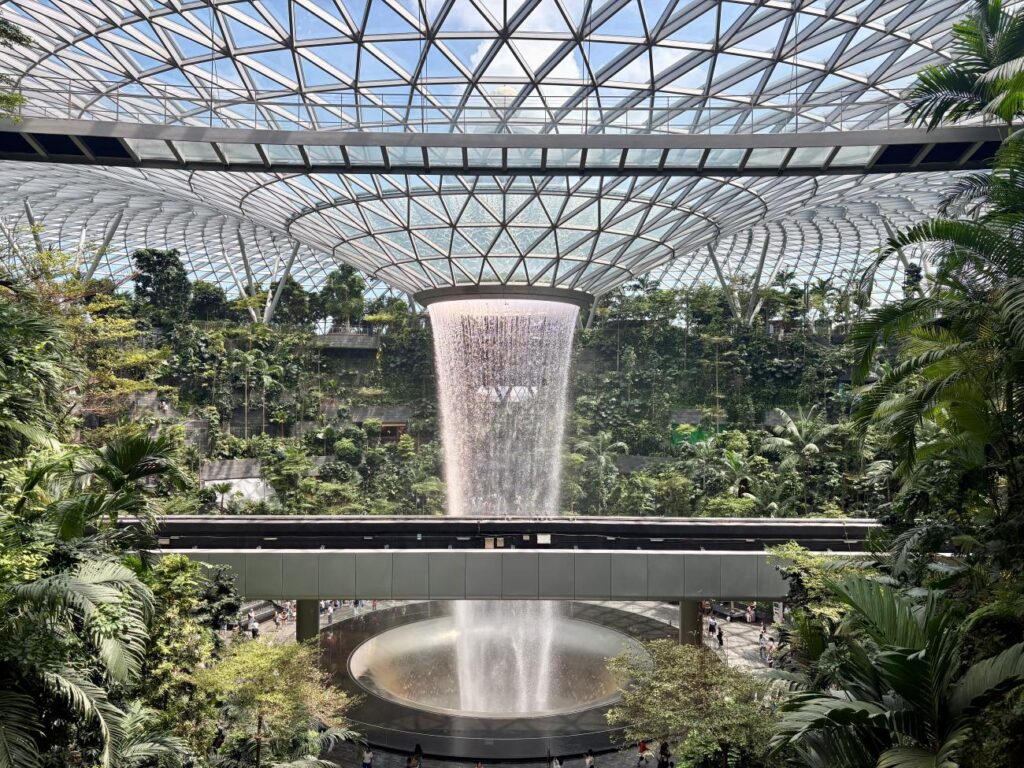
For many travellers, Jewel becomes the centrepiece of a Singapore layover. The indoor waterfall is impressive, particularly after sitting in the same space during long-haul transit. The area feels calmer and more open than many shopping malls, partly because of the greenery and natural light throughout the building.
But whether visiting Jewel improves your layover depends largely on your energy levels and connection time.
If you are already overstimulated, severely sleep deprived, or rushing between terminals, trying to “fit in” Jewel may end up feeling more draining than restorative. You do need to pass through immigration to access the Jewel. On the other hand, if you have a longer daytime layover and enough energy to enjoy it slowly, the environment can feel grounding compared with most airports.
The key difference is intention. You do not need to maximise every available experience for a layover to feel worthwhile. Sometimes the best choice is simply finding somewhere quiet to sit, eating a proper meal, and allowing yourself to properly slow down before the next flight.
How To Make Long-Haul Flight Recovery Easier During Transit
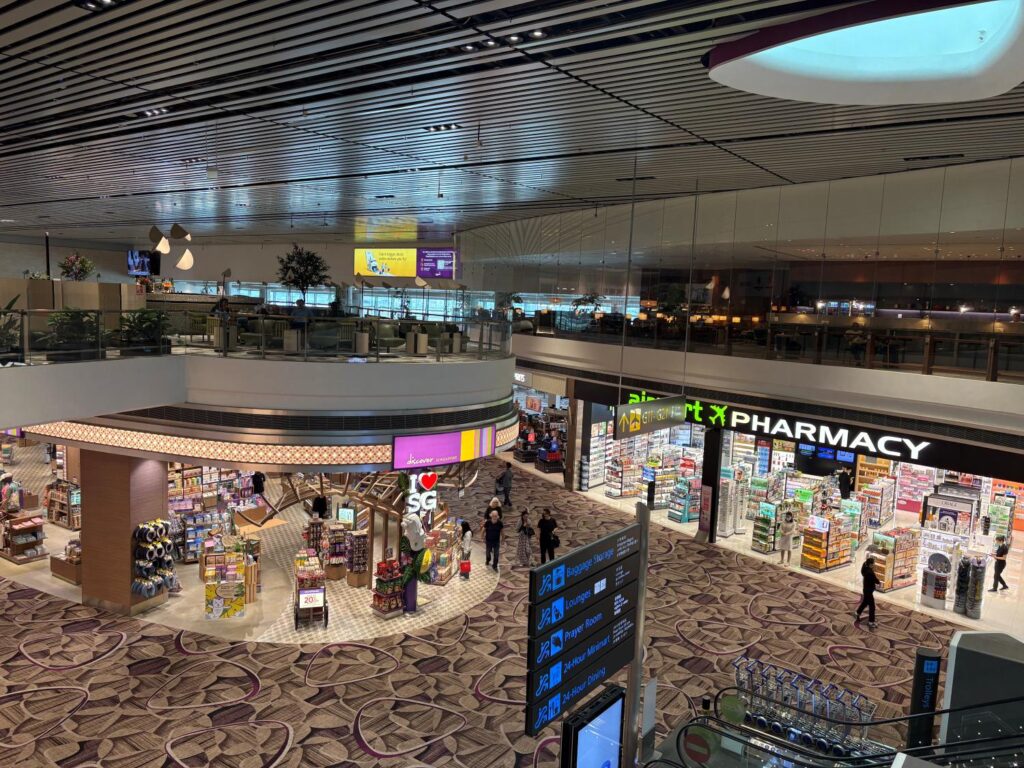
A good layover does not necessarily leave you energised. Long-haul travel still affects your sleep, appetite, concentration, and body clock. But a well-designed transit environment can stop that exhaustion from escalating further.
That is one of the reasons many travellers remember a layover at Changi Airport so clearly afterwards. Not just because it is efficient or visually impressive, but because it briefly allows you to feel human again in an environment that usually strips that feeling away.
A lot of airports make you feel like you’re watching the clock and waiting to get on your next flight. A more restorative airport layover asks a different question instead: what would help you arrive feeling slightly better than when you landed?
Often, the answer is not complicated: gentle movement, a refreshing shower, access to daylight for your circadian rhythm, some nutritious food, and some quiet time away from constant noise.
This is where a layover at Changi Airport is better than most airports. You have a better chance of arriving at your destination feeling a little more recovered before the next stage of travel.
Staying longer in Singapore? You can read more about the country in our Singapore Guides, all of which have a wellbeing and psychology focus.
This article is for general informational purposes only and is not intended to replace personalised medical, psychological, or professional advice.