How To Recover From Jet Lag: Causes, Psychology, And Recovery Time
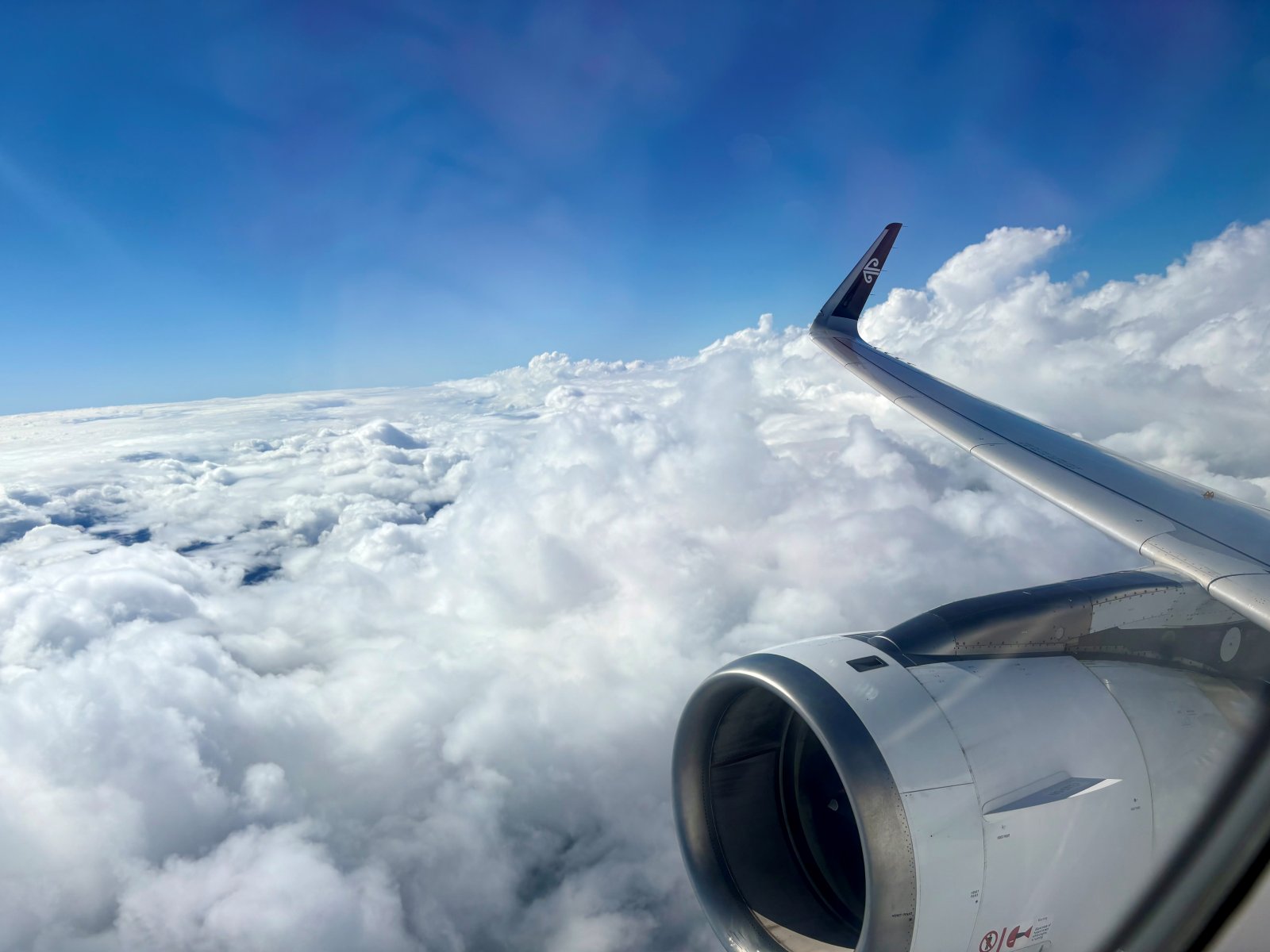
Jet lag can make you feel completely out of step with the world around you. Your body is tired, your mind feels foggy, and even simple tasks can seem to require more effort than usual. You might be hungry in the middle of the night, unable to sleep despite being exhausted, or ready to crawl back into bed just as the destination around you is beginning its day.
It can be a frustrating way to start a trip. You have travelled a long way and want to explore, but ordering food, finding your accommodation, or deciding what to do next can feel like more than your brain can manage. Even after a reasonable night’s sleep, you may still feel flat, irritable, or disconnected from everything happening around you.
Jet lag happens because your body cannot change time zones as quickly as your flight does. The local clock may say 9 am, but your circadian rhythm could still be operating as though it is the middle of the night. This mismatch affects more than sleep. It can also influence your concentration, appetite, digestion, energy, and ability to regulate your emotions.
Understanding what is happening can make the first few days easier to manage. This guide explains how to recover from jet lag, what causes the symptoms, why flying east often feels harder, and how long it can take for your body clock to catch up. For a practical arrival routine, you can also read our separate guide to natural ways to recover from jet lag.
Table of Contents
What Is Jet Lag?
Jet lag is a temporary circadian disruption caused by crossing time zones faster than the body’s internal clock can adjust. The local clock changes as soon as the plane lands, but your biological timing system shifts more gradually.
In practical terms, your body may still be operating on the schedule you left. It may prepare for sleep when the destination is beginning its day, or signal hunger when local kitchens are closing for the night. The greater the mismatch, the more noticeable the effects may be.
Jet lag is different from being tired after travel. A long journey can cause fatigue through poor sleep, dehydration, stress, noise, and physical discomfort even if you remain in the same time zone. Jet lag specifically involves a conflict between internal time and local time.
Curious to explore the science behind this?
This blog draws on established behavioural science research and applies these principles to travel contexts. Sources are linked in our Evidence & Further Reading section.
What Causes Jet Lag?
The body follows an approximately 24-hour cycle known as the circadian rhythm. This internal timing system helps coordinate sleep and wakefulness with processes including temperature, digestion, appetite, and hormone release.
A small area of the brain responds to environmental information, particularly light, to keep this rhythm aligned with day and night. Regular wake times, meals, activity, and darkness provide additional cues about where you are in the daily cycle.
When you cross several time zones quickly, those cues change before the internal clock has time to follow. Your eyes may register a bright local morning while other systems in the body are still preparing for sleep. This temporary circadian misalignment is the central cause of jet lag.
The flight itself can make the experience feel more intense. Overnight travel, fragmented sleep, cabin lighting, long periods of sitting, inadequate fluid intake, airport stress, and an unfamiliar sleep environment can add travel fatigue to the underlying time-zone disruption.
Why Jet Lag Affects More Than Sleep
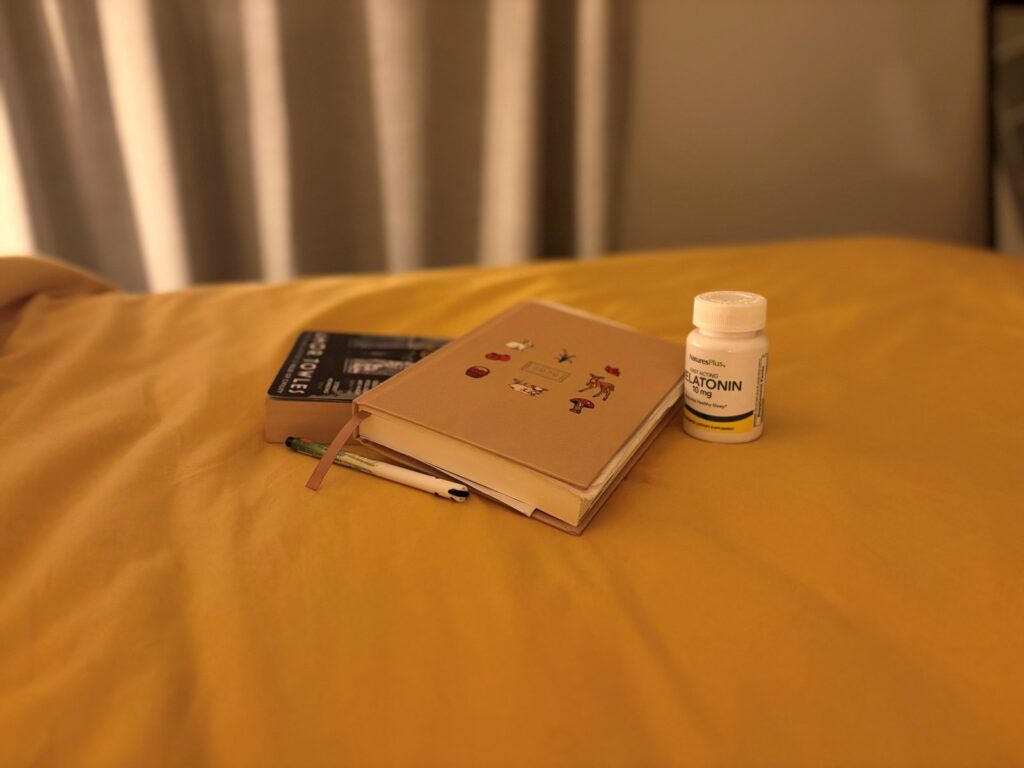
Sleep is only one part of the circadian system. When internal timing is out of step, travellers may also notice changes in energy, appetite, digestion, attention, and emotional regulation.
This is why someone can sleep for several hours and still feel disoriented. Rest may reduce the fatigue created by the journey, but it does not instantly move the body clock into a new time zone.
Common jet lag symptoms include:
- Difficulty falling asleep or waking at the intended local time
- Daytime sleepiness and low energy
- Reduced attention or concentration
- Slower or more effortful decision-making
- Irritability or feeling more emotionally sensitive
- Hunger at unusual hours or reduced appetite
- General digestive discomfort
Symptoms can vary. One traveller may struggle most with being awake at 3 am, while another sleeps reasonably well but feels foggy and hungry at the wrong times. If disrupted sleep is the most difficult part of your adjustment, our guide to sleeping well while travelling offers practical ways to make unfamiliar rooms and changing routines more manageable.
The Psychology Of Jet Lag
Jet lag is physiological, but it can shape the psychological experience of a trip. Sleep loss does not lower every mental ability in exactly the same way. Research shows that attention, arousal, and aspects of decision-making can be affected differently, which may explain why a tired traveller can complete one familiar task yet feel overwhelmed by an ordinary choice moments later.
Poor or disrupted sleep can also make emotional regulation harder. You may have less patience with a queue, feel unusually annoyed by a small change of plan, or want more time alone than you expected. These responses can be amplified by the stimulation and decision-making involved in navigating an unfamiliar place.
This doesn’t mean jet lag causes a psychological disorder, or that every difficult feeling after arrival comes from circadian disruption. It means that sleep loss and mistimed alertness can temporarily reduce the mental resources available for attention, decisions, and emotional control.
I often find that the weirdest part is not the tiredness itself; it’s knowing what the local time requires, while my body doesn’t want to play ball. Recognising that mismatch makes it easier not to judge the first day of a trip by how enthusiastic, decisive, or sociable I feel immediately after landing.
Why Jet Lag Can Make A New Place Feel Overwhelming
Arrival already asks a great deal of attention. You may need to read signs, use a new transport system, find accommodation, communicate clearly, buy food, and decide what to do next. When alertness and concentration are reduced, these normal tasks can feel disproportionately demanding.
An unfamiliar bedroom can add another layer. Research on the first-night effect suggests that sleep can be lighter in a new environment because part of the brain remains more alert. Jet lag and the first-night effect are not the same process, but they can occur together after an international arrival.
This is one reason a quiet first evening can support more than sleep. Fewer decisions and less stimulation may make it easier to settle into the destination while your attention and internal timing recover.
Why Flying East Often Causes Worse Jet Lag

Many travellers find eastward travel harder than westward travel. The body clock tends to run slightly longer than 24 hours, making it generally easier to delay sleep by staying awake later than to advance sleep by falling asleep earlier.
Westward travel usually asks the body to delay its schedule. Eastward travel usually asks it to move earlier, which can be a more difficult adjustment. This is why an eastbound traveller may feel wide awake late at night even after a tiring journey.
I notice this most when travelling between New Zealand and Europe via Asia. The westward journey out often feels more manageable, while the eastward journey home is much harder.
Direction does not determine the whole experience. Flight timing, the number of time zones crossed, light exposure, previous sleep, stress, age, and individual sensitivity can all influence how severe jet lag feels.
How Many Time Zones Cause Jet Lag?
Jet lag can occur after rapidly crossing two or more time zones, although symptoms tend to become more noticeable as the difference between internal and local time increases. There is no single threshold at which every traveller will experience it.
For travellers from New Zealand, long-haul journeys often cross enough time zones for the change to be unmistakable. A route to Europe may create a difference of around 10 to 12 hours, depending on the destination and time of year. In that situation, it is reasonable for adjustment to take several days.
Flying north or south over a long distance may be exhausting without producing the same circadian disruption if relatively few time zones are crossed. This is another way to distinguish travel fatigue from jet lag.
How Long Does Jet Lag Last?
There is no exact jet lag recovery time formula that can predict how every traveller will feel. A common estimate is that the circadian rhythm adjusts by roughly one time zone per day, with westward travel sometimes adapting faster than eastward travel.
That estimate is best treated as a broad guide rather than a countdown. After crossing eight time zones, full circadian realignment may take close to a week, but the experience is unlikely to remain equally intense throughout. Sleep, appetite, and daytime alertness can improve at different rates.
The average jet lag recovery time depends on:
- The number of time zones crossed
- Whether the journey was eastward or westward
- The timing of daylight and darkness after arrival
- Sleep before and during the journey
- Age and individual circadian sensitivity
- Stress, illness, and overall wellbeing
- How consistent the new sleep and wake schedule becomes
You may begin to enjoy the destination before your body clock is fully aligned. Feeling better on day three does not necessarily mean every internal rhythm has reset, just as one poor night does not mean recovery has stopped.
Travel Fatigue Versus Jet Lag
Travel fatigue usually comes from the journey itself: interrupted sleep, long periods of sitting, dehydration, stress, noise, and sustained attention. It can happen after a long domestic trip or a north–south flight with little time-zone change, and it often improves after one or two nights of rest.
Jet lag reflects the deeper mismatch between the circadian rhythm and local time. You may feel sleepy at the wrong point in the day, wake repeatedly at unusual hours, or notice that appetite and alertness remain tied to the place you left.
The two often overlap. A traveller can be dehydrated, physically tired, and circadianly misaligned at the same time. Rest and hydration may help the travel fatigue quickly, while the body clock still needs several days of local light and timing cues.
Is Jet Lag Bad For You?
For most travellers, jet lag is temporary and improves as the body clock adjusts. During that period, reduced alertness and concentration can still matter. Driving, navigating unfamiliar environments, making complex decisions, or undertaking demanding physical activities may require extra care when you are very sleepy.
Ongoing circadian disruption is associated with broader health consequences, but this should not be used to make an occasional trip sound dangerous. The research on repeated or chronic misalignment is not the same as evidence that one holiday has caused lasting harm.
If symptoms are severe, continue well beyond the expected adjustment period, or involve something that does not fit ordinary jet lag, seek advice from an appropriate healthcare professional rather than assuming the time-zone change explains everything.
How The Body Recovers From Jet Lag

The body clock adjusts through repeated information from the new environment. Light and darkness are central, while sleep timing, wake time, meals, and activity help reinforce the local pattern.
Recovery is therefore less about forcing a particular night of sleep and more about making the destination’s schedule increasingly consistent. Daylight during the local day, darker evenings, meals on local time, and avoiding very long naps can all support that process.
The exact timing of light can matter, particularly after a large eastward or westward shift. For most holiday travel, a manageable local routine is a useful starting point. Travellers using tightly timed light or melatonin schedules should seek reliable, personalised guidance because the wrong timing may be unhelpful.
Our separate guide provides a gentle three-day routine and natural jet lag remedies without repeating the science covered here.
What The First 24 Hours Can Feel Like
A morning arrival may require you to remain awake through a local day while your body expects sleep. Daylight and a low-demand activity can help you begin responding to the new schedule, although a short nap may be sensible if exhaustion affects safe functioning.
An evening arrival can feel easier because local bedtime is close. I have found this more manageable than trying to stay awake for an entire day after barely sleeping on an overnight flight. Even then, a body aligned with the departure time zone may wake much earlier than intended.
The first day does not predict the entire trip. A poor first night, an unplanned nap, or a foggy afternoon is part of the transition rather than evidence that the holiday has begun badly. Our long-haul flight wellbeing guide can also help you separate the effects of the journey from the time-zone change.
Frequently Asked Questions About Jet Lag
Why do I have jet lag?
You have jet lag because rapid travel across time zones has left your internal body clock out of alignment with local time. The flight may also have added sleep loss, dehydration, stress, and physical fatigue.
What causes jet lag and how do you avoid it?
Jet lag is caused by circadian misalignment after crossing time zones quickly. It may not be completely avoidable, but gradual schedule changes before departure and well-timed light, sleep, and meal cues can reduce the disruption for some travellers.
Why do I feel like I have jet lag when I have not travelled?
A disrupted sleep schedule, shift work, illness, stress, or poor-quality sleep can create fatigue and mistimed alertness that feel similar. Without rapid time-zone travel, however, it is not technically travel-related jet lag.
What is the average jet lag recovery time?
A broad estimate is roughly one day per time zone crossed, although westward travel may adjust faster and individual recovery varies. Symptoms can improve before the circadian rhythm is fully aligned.
Why is jet lag worse when flying east?
Eastward travel usually requires the body clock to move earlier. Because the human circadian rhythm tends to run slightly longer than 24 hours, delaying sleep is generally easier than advancing it.
Can jet lag affect your mood?
Disrupted sleep and circadian timing can make emotional regulation harder, leaving some travellers less patient, more sensitive, or less sociable. This is usually temporary and should not be treated as evidence of a psychological disorder.
Does sunlight help with jet lag?
It can. Light is one of the main signals that adjusts the circadian system, but its effect depends on timing. Well-timed daylight can support adaptation, while light at the wrong biological time may shift the body clock in the opposite direction.
Understanding Jet Lag Makes The Arrival Easier

Jet lag can make an arrival feel much harder than expected because your sleep, appetite, and alertness have not yet caught up with local time. Feeling tired, indecisive, or irritable during the first few days doesn’t necessarily say anything about the destination or the trip itself. Your body may still be working several hours behind or ahead of the day around you.
Where possible, give those first days a little less pressure. A consistent local routine and appropriately timed light can help the body clock adjust, but recovery does not need to become the focus of the holiday. You can still enjoy the destination while accepting that your energy may take several days to catch up with you.
Continue exploring the psychology of travelling well, practical recovery advice, and wellbeing-first destination guides on the Nomadic Balance home page.
This article is for general informational purposes only and is not intended to replace personalised medical, psychological, or professional advice.