Sleep Tourism: How To Plan A Trip Around Real Rest
Sleep tourism is travel planned around rest, recovery, and better sleep. It might mean booking a quiet hotel with blackout curtains, choosing a slower destination, building in an easier first day after a flight, or simply designing a trip that gives your body fewer things to recover from. It is a small shift, but it changes what you prioritise when you plan.
Sleep tourism is often sold through glossy hotel language: pillow menus, lavender sprays, spa robes, sleep concierges, and the promise that one night in the right room will undo months of tiredness. Some of those extras can be pleasant. But better sleep on a trip usually comes from something more ordinary: darkness, quiet, temperature control, daylight at the right time, fewer late nights, and enough space for your nervous system to settle.
Travel is not automatically restful. In fact, it often makes sleep worse before it makes it better. New rooms, unfamiliar noise, late meals, bright airports, alcohol, caffeine, time zone changes, and the pressure to make the most of every hour can all work against the rest you travelled to find.
The better question is not simply whether sleep tourism works. It is whether you can plan a trip in a way that protects your sleep instead of quietly sabotaging it.
For wellness-first travellers, this is where sleep-focused travel becomes interesting. Not as a luxury trend, but as a calmer way to design a trip. It is less about doing everything and more about removing the obstacles that make real rest harder.
What Is Sleep Tourism?
Sleep tourism means planning travel around rest, sleep quality, and recovery. It can include sleep-focused hotels and retreats, but it does not have to. A sleep-supportive trip might be a quiet countryside stay, a coastal break with slow mornings, a hotel chosen for darkness and sound insulation, or a city trip with enough space in the itinerary to avoid constant stimulation.
At its best, sleep tourism is not about outsourcing sleep to a hotel. It is about creating conditions that make sleep more likely.
A good sleep-focused trip gives your body the cues it already understands: daylight in the morning, darkness at night, a cool room, predictable wind-down routines, gentle movement, less decision fatigue, and time to recover from travel itself.
The less useful version of sleep tourism turns rest into another thing to buy, schedule, and optimise. A pillow menu may be nice. A crystal-infused sleep ritual is unlikely to fix a 2 a.m. bedtime, three glasses of wine, and a room facing a nightclub.
The most useful version is much more practical. It is non-gimmicky and honest about what actually supports sleep when you are away from home.
Does Sleep Tourism Actually Work?
A sleep-focused trip can support better rest, but not in the magical way it is sometimes marketed.
The strongest evidence is not for sleep tourism as a branded travel trend, but for the basic conditions it can protect: regular timing, darkness, quiet, a cool room, morning light, lower evening stimulation, and avoiding late caffeine or alcohol.
A sleep-focused trip may help if it gives you fewer demands, better sleep conditions, and enough time for your body to settle. It can reduce stimulation, support a steadier rhythm, and make it easier to notice what your body responds to. A slower pace, a quiet room, natural light, less screen time, gentle movement, and fewer obligations can all make a real difference to how rested you feel.
But it’s important to remember that a trip is not a medical treatment. It cannot replace consistent sleep habits at home, and it will not reverse chronic insomnia, untreated sleep apnoea, severe ongoing stress, or a lifestyle that only allows five hours of sleep most nights.
That does not make sleep tourism useless. It just means the promise needs to be more honest.
A sleep-focused trip can give your body fewer obstacles to negotiate. It can help you feel what proper downtime is like again. It can also show you which routines are worth bringing home, which is worthwhile. A sleep-focused trip does not need to transform your life to be useful.
Why Is It Hard To Sleep When You Travel?
Poor sleep on a trip does not mean you are bad at relaxing. It usually means your body is responding to change.
The first issue is novelty. A new room asks your brain to process unfamiliar information. The mattress feels different. The hallway sounds different. The light under the door is not where it usually is. Even when you feel safe, your brain may stay a little more alert on the first night in a new environment.
This is sometimes called the first-night effect: the tendency for sleep to be lighter in an unfamiliar place because the brain is still monitoring its surroundings. That is why the first night of a trip can feel oddly restless, even in a beautiful hotel. You might be tired, but your body has not fully decided that this new place is predictable yet.
Then there is timing. Flights, trains, check-ins, delays, and late dinners can push your sleep window later than usual. If you cross time zones, your internal clock may still be operating on home time while your destination expects something different.
Light adds another layer. Bright airport lighting, blue-toned screens, and late-night city light can all make it harder for your body to wind down. On the other side, not getting enough daylight in the morning can make it harder for your body to anchor to the new day.
Food and drink matter too. Caffeine used to push through travel fatigue can linger into the evening. Alcohol may make you feel sleepy at first, but it can fragment sleep later in the night. Heavy meals close to bed can leave your body working on digestion when you want it to be relaxing.
Travel also brings emotional stimulation. Even on good trips, things like new streets, unfamiliar languages, social plans, navigation, money decisions, and the quiet pressure to enjoy yourself all use mental energy.
Sleep is not only about being tired. It is also about whether your body feels safe, calm, and settled enough to switch off.
How To Plan A Sleep-Focused Trip
A sleep-focused trip starts before you arrive. It is less about building a perfect wellness itinerary and more about reducing the predictable forms of resistance that make rest harder.
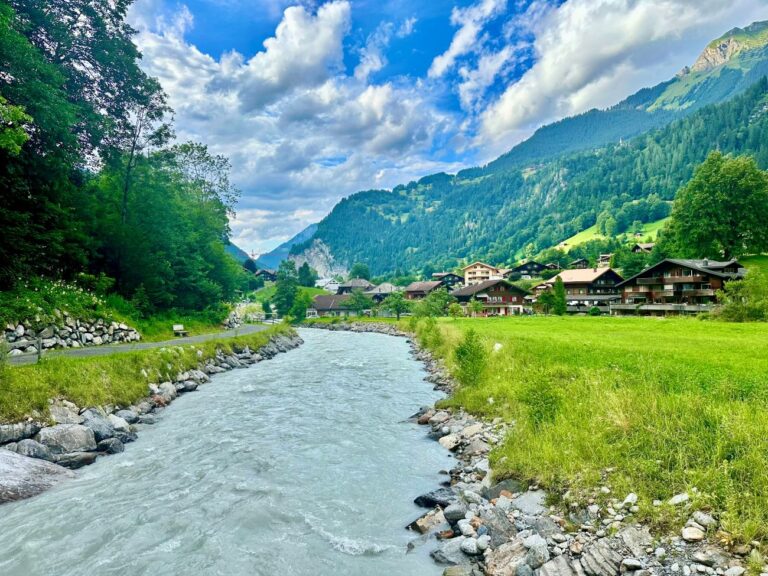
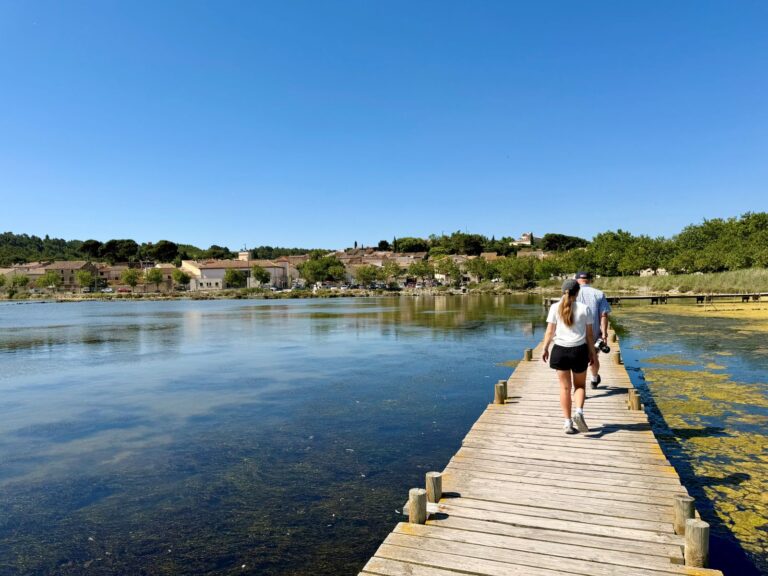
The first decision is choosing a destination. A busy city can be restorative, but only if the trip is designed with enough space to relax. If you are already overstimulated, burnt out, or craving quiet, a destination with easy access to nature, slower mornings, and fewer logistical demands may support you better than somewhere that asks for constant planning.
The second decision is pace. Sleep tourism works best when rest is treated as part of the trip, not something squeezed in after everything else. That might mean leaving the first morning free, avoiding early tours after late arrivals, or choosing two meaningful activities in a day instead of five.
The third decision is timing. The first 24 hours can make a noticeable difference, especially if you arrive tired, overstimulated, or out of sync with the local time. If your trip begins with a late landing, a complicated transfer, a rushed dinner, and an early alarm, your body starts from a place of stress. A gentler arrival gives your system a better chance to settle. I personally have started spending a bit more for flights that don’t leave too early or arrive too late to help with this.
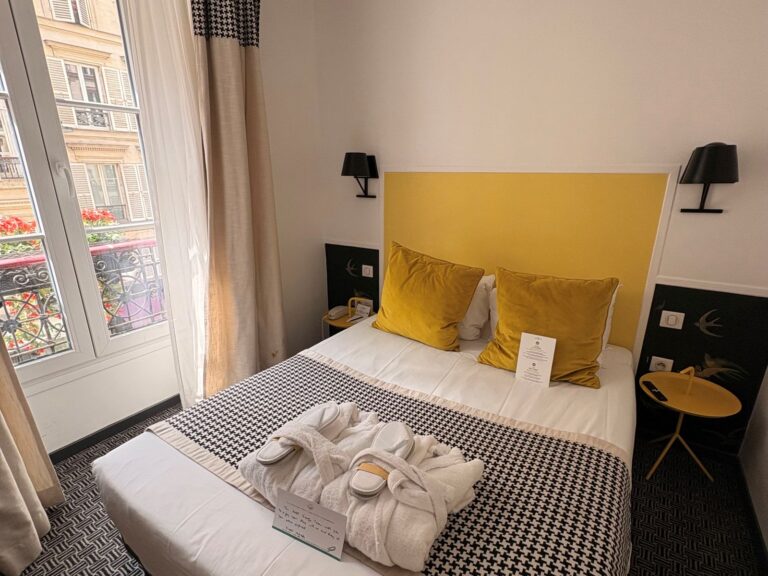
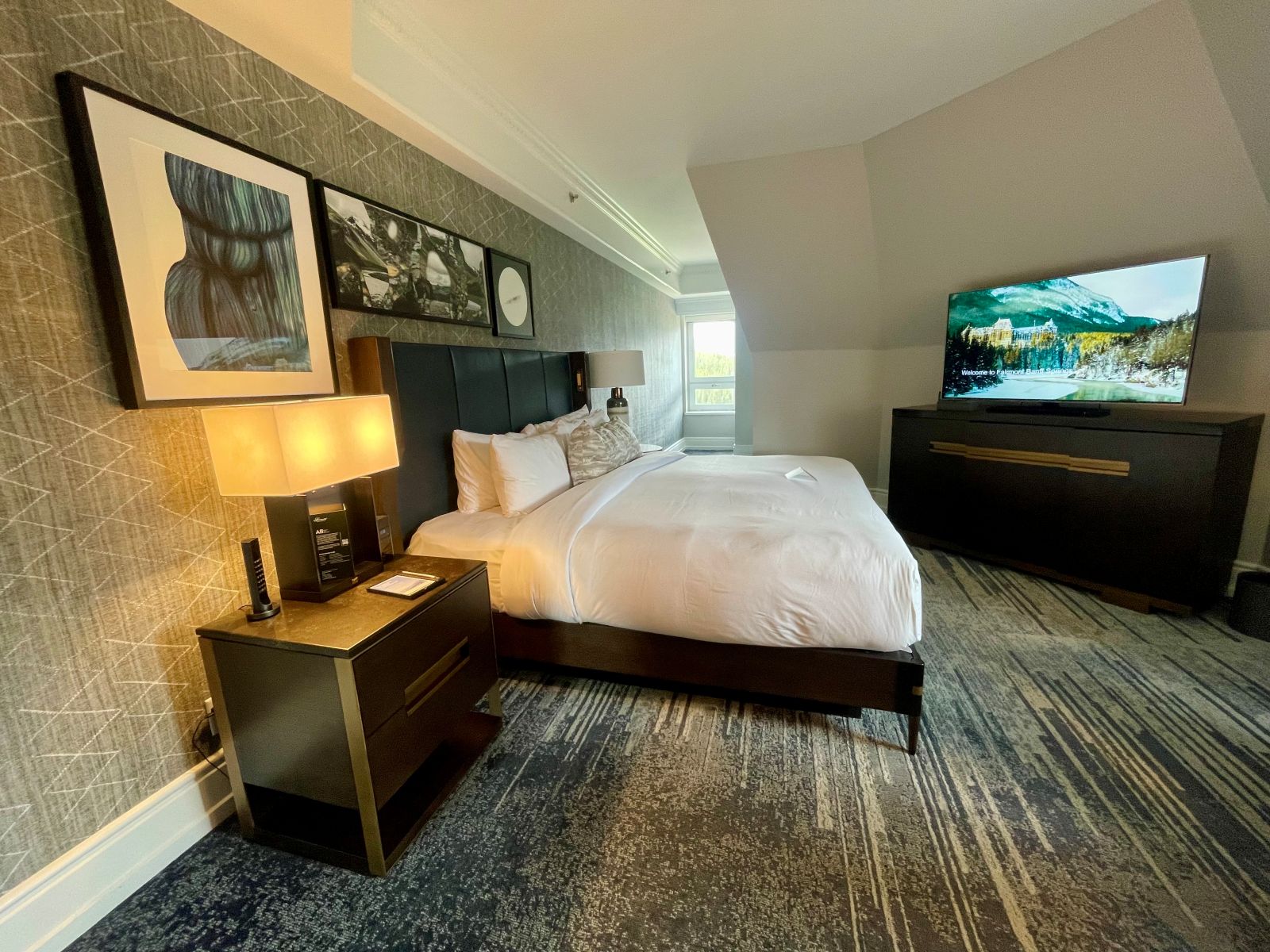
The fourth decision is the room itself. A beautiful hotel is not necessarily a sleep-supportive hotel. The most important features are usually quiet, darkness, temperature control, comfortable bedding, and a layout that reduces interruptions. Reviews will be your best friend here to figure this out.
When planning a trip around real rest, it can help to ask one simple question repeatedly: will this make sleep easier, or will it make my system work harder? That question helps separate practical sleep support from nice-sounding extras.
How To Choose A Hotel That Actually Supports Sleep
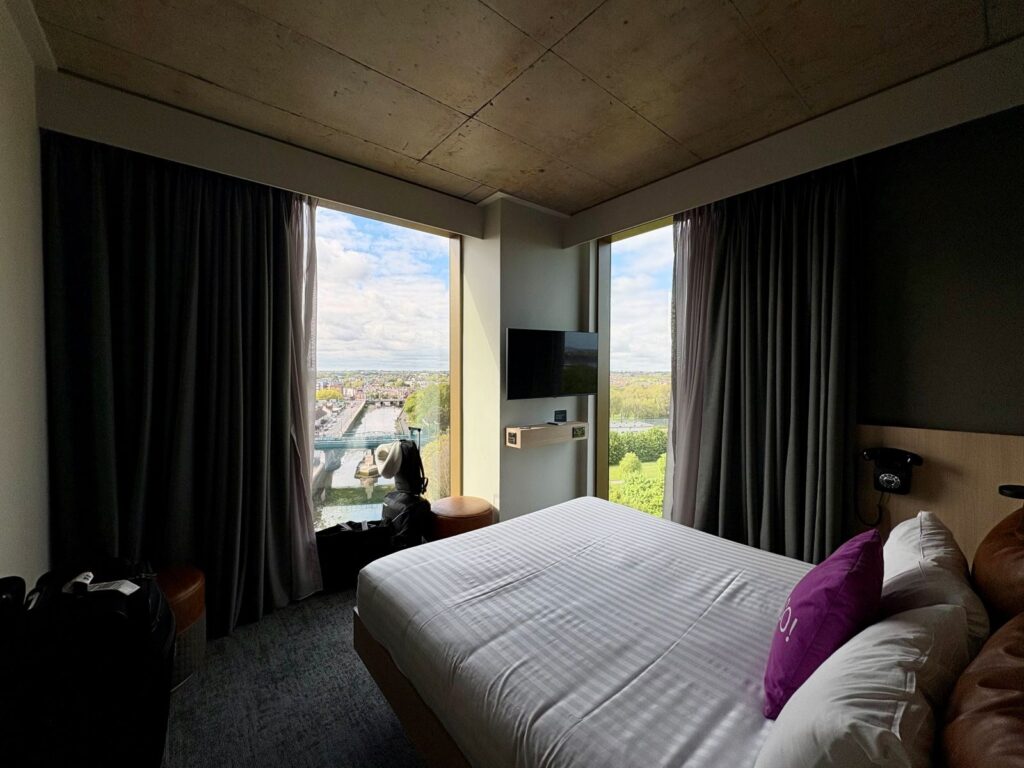
A hotel does not need to call itself a sleep hotel to support better rest. In many cases, the basics matter more than the branding.
Look for quiet over novelty. A central hotel may be convenient, but if it sits above bars, nightlife, construction, or a major road, it may not be the best choice for a sleep-focused trip. Read reviews carefully and search for words like quiet, noise, walls, traffic, construction, nightclub, lifts, hallway, and sleep.
Check the practical details before booking. Blackout curtains, good sound insulation, temperature control, comfortable bedding, and a quiet room away from lifts or street-facing noise are more useful than vague wellness language. These features reduce the amount of effort your body has to make before it can rest.
Then treat the extras as extras. Pillow menus, bath rituals, guided relaxation, yoga nidra, sleep meditations, and screen-free spaces may help you wind down, but they work best when the basics are already in place.
Be cautious with promises to reset your sleep in one night, luxury products with no clear purpose, or anything that implies you can buy your way out of basic sleep biology.
A helpful test is to ask: does this reduce stimulation, support timing, or make the room easier to sleep in? If the answer is yes, it may be worth paying for. If it only sounds relaxing, treat it as a nice extra rather than the reason to book.
The best sleep-supportive hotel is not always the most luxurious. It is the one that makes it easier to sleep without having to fight the room.
Use Light To Help Your Body Understand The Day
Light is one of the strongest cues your body uses to regulate its internal clock. This matters when you travel, even if you are only away for a few days.
Morning daylight can help your body anchor to the new day and may support an easier sleep rhythm later that night. Evening brightness, especially from screens or harsh overhead lighting, can push your system in the opposite direction.
On a sleep-focused trip, try to get outside early in the day, even for a short walk. You do not need an intense workout or a perfect wellness routine. A coffee outside, a slow walk after breakfast, or sitting near natural light can help your body register that the day has started.
At night, make the room darker than you think you need. Close the curtains fully. Cover small standby lights if they bother you. Put your phone face down or away from the bed. If the bathroom light is aggressive, avoid switching it on fully during the night.
Light is one of the least flashy parts of sleep tourism, but it is one of the most useful.
Be Careful With Arrival Timing
The first day of a trip sets the tone. If your flight lands late, your room is noisy, and you try to squeeze in dinner, drinks, unpacking, and planning by midnight, sleep has to compete with too much activation.
Where possible, choose arrival times that reduce pressure. A mid-afternoon arrival gives you time to check in, see daylight, eat properly, shower, and wind down without rushing.
If you arrive late, lower your expectations for the evening. The goal is not to begin the trip perfectly. The goal is to reduce the damage.
For long-haul travel, think carefully before booking anything important on the first morning. A restorative trip needs a buffer. Recovery rarely happens when your first full day starts with an alarm, a tour, and a forced smile.
Use Caffeine Strategically
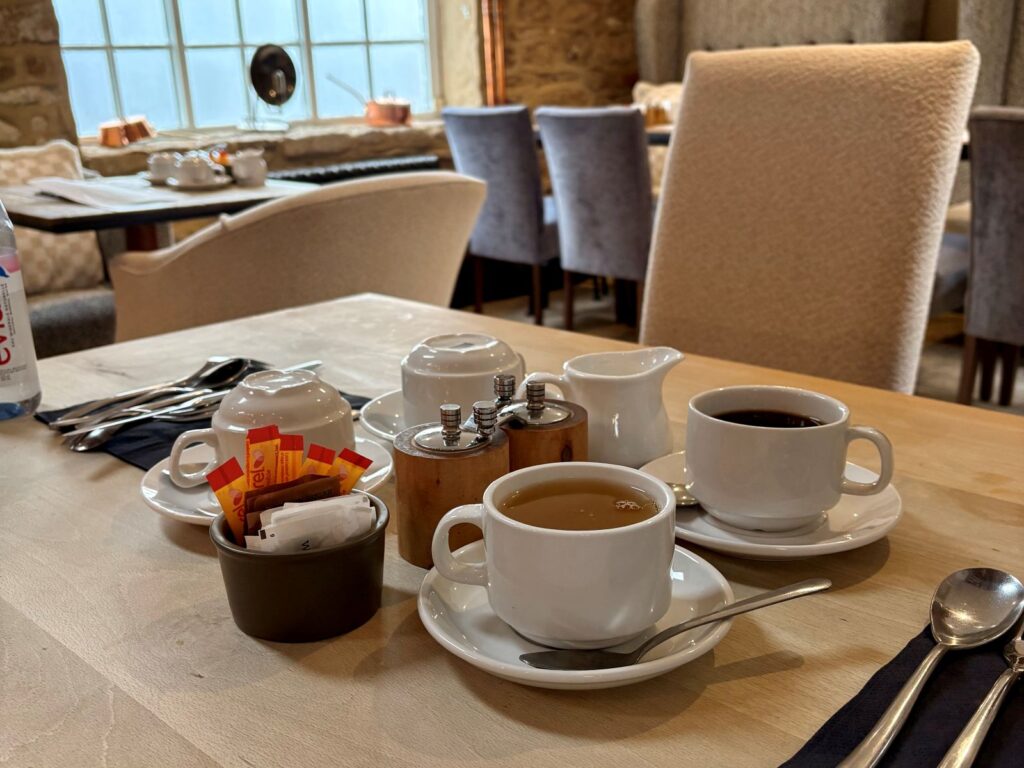
Caffeine can be useful when travelling, but it is easy to use it against yourself.
A coffee after a poor travel night may help you function, but late caffeine can keep your system switched on long after your mind wants to sleep. This is especially relevant when you are already dealing with jet lag, because your body clock is trying to interpret a new schedule.
A simple rule works well: use caffeine to support the first half of the day, not to rescue the second half.
If you are sensitive to caffeine, make the cut-off earlier than you think. If you love the ritual of an afternoon coffee, switch the purpose rather than forcing yourself to be perfect. Choose decaf, herbal tea, or a café stop without caffeine. Often it is the pause you want, not the stimulant.
Do Not Confuse Alcohol With Rest
Alcohol is one of the easiest ways to confuse rest with sedation. It may help you feel relaxed at first, but it can make sleep lighter and more disrupted later in the night. This matters on trips because alcohol often appears exactly when your sleep is already vulnerable: after a flight, with a late dinner, in a warm room, or when you are trying to unwind quickly.
You do not need an all-or-nothing rule unless that suits you. A more realistic approach is to avoid using alcohol as your main sleep aid.
If sleep is the priority, keep alcohol earlier, lighter, and paired with food and water. Notice whether even small amounts affect your 3 a.m. wake-ups, temperature, dreams, or morning energy. That kind of honest observation is often more useful than a strict rule you will resent.
Make The Room Cool Before You Are Tired
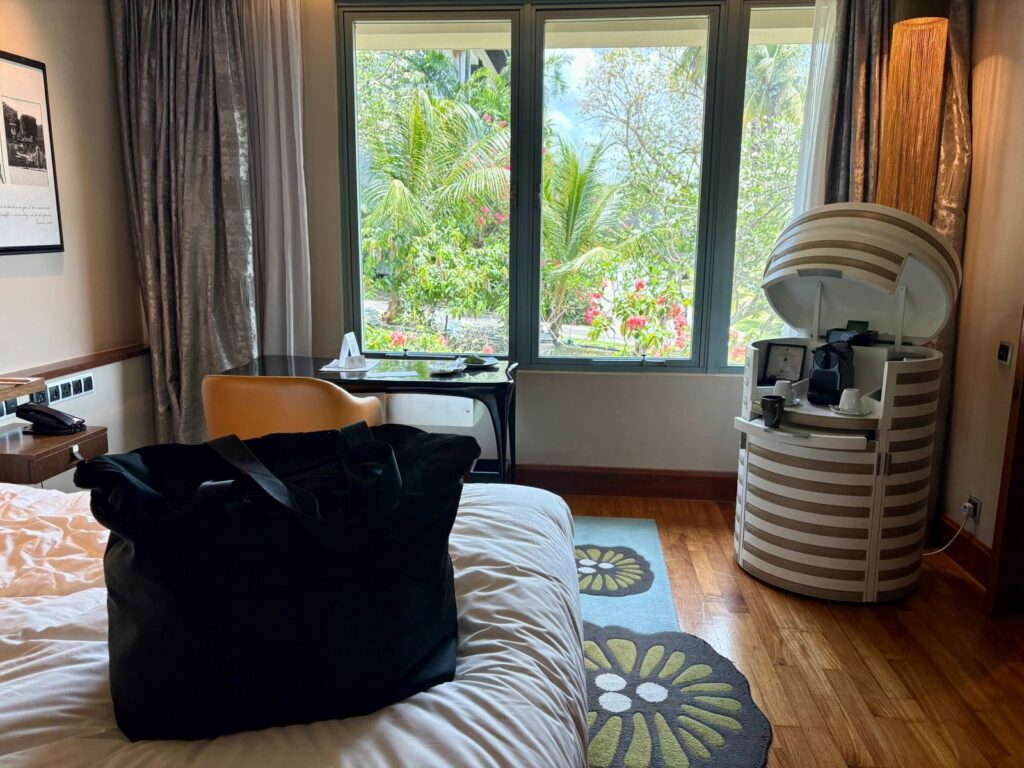
A cool room is usually easier to sleep in than a warm, stuffy one. Hotels can make this surprisingly difficult. Air conditioning may be noisy. Heating may be centrally controlled. Heavy duvets can feel comforting at first and then too hot at 2 a.m. Before bedtime, test the room. Do not wait until you are exhausted.
Adjust the thermostat. Open a window if it is safe and quiet. Check the bedding. Ask reception for a lighter blanket if needed. Notice whether the air conditioning hum will bother you, and whether earplugs or white noise would help.
Temperature is easy to overlook, but it can be the difference between a room that looks restful and one that actually supports sleep.
Keep Your Travel Wind-Down Routine Simple
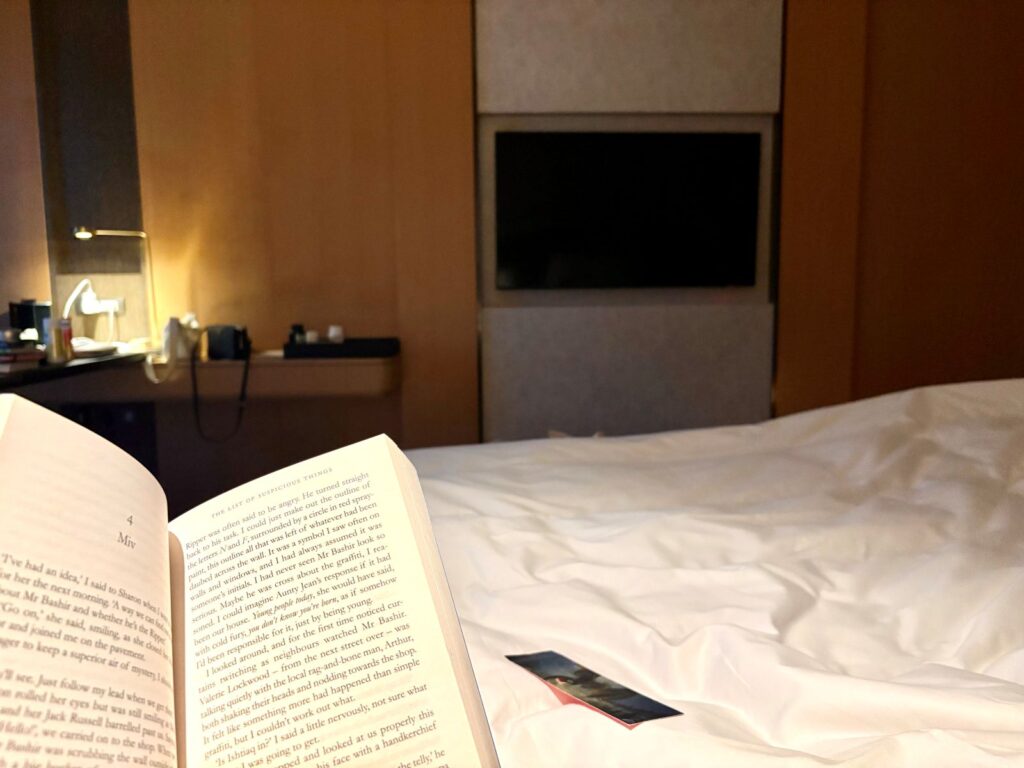
Your travel routine does not need to copy your home routine exactly. It only needs to feel familiar enough for your body to understand what is coming next. A good travel wind-down is short, repeatable, and realistic.
Shower. Lower the lights. Put tomorrow’s essentials in one place. Do a few minutes of stretching or slow breathing. Read a few pages. Sleep.
The point is not to create a perfect ritual. The point is to stop asking your brain to make decisions right up until the moment you want it to switch off.
This may be especially helpful for solo travellers, anxious travellers, or anyone who tends to feel unsettled in new places. Predictability can help your body feel less on alert. A small routine can make a new room feel less like a temporary holding space and more like somewhere your body is allowed to rest.
What To Do On The First Night After A Flight
The first night after travel is not the time for an elaborate wellness routine. You need something simple enough to do when you are tired, overstimulated, and slightly disoriented.
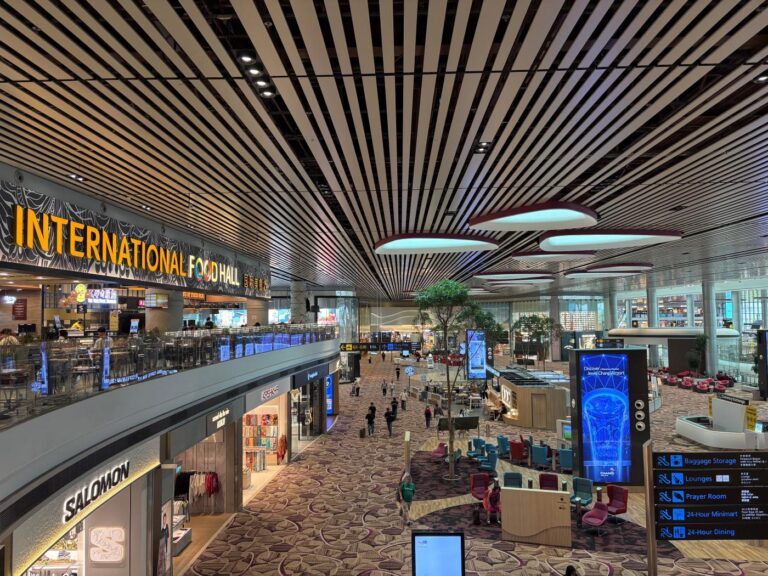
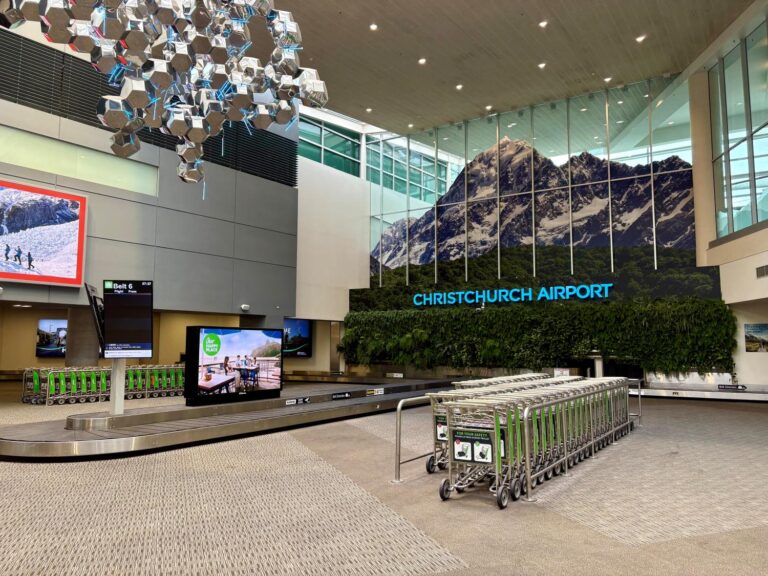
Start before you leave the airport. Once you land, try to match the destination’s rhythm where possible. If it is daytime, get some natural light. If it is evening, keep things calm and dim. Avoid the temptation to blast yourself with caffeine unless you genuinely need it to stay safe and functional.
When you arrive at the hotel, set up the room before you collapse. Check the temperature. Close the curtains. Find the plug sockets. Put water by the bed. Move your phone charger away from the pillow if you know you will scroll. Unpack only what you need for the night and the next morning.
Then eat in a way that supports sleep. After a late arrival, this might mean something simple rather than a heavy meal. The aim is to avoid going to bed painfully hungry or uncomfortably full.
Take a warm shower if that feels good. Not as a spa performance, just as a clear signal that the travel part of the day is over. Change into sleepwear, even if you are tempted to lie down in your travel clothes for five minutes. That five minutes often becomes a stiff, dehydrated nap with the lights on.
Lower the room lighting. Avoid planning the whole trip from bed. If you need to check tomorrow’s details, do it once, write down the essentials, then stop. Your brain does not need a full itinerary review at midnight.
If you cannot sleep straight away, do not turn the night into a battle. First nights are often lighter. Keep the room dark, stay off bright screens, and let rest count even if sleep takes longer than you hoped.
In the morning, resist judging the whole trip by the first night. Get daylight, eat breakfast, move gently, and let your body gather more cues from the new place.
Who Sleep Tourism Is Best For
Sleep tourism may be helpful if you are tired, overstimulated, mildly burnt out, or craving a slower way to travel. It can also be useful if you usually come home from trips feeling more exhausted than when you left.
It may suit you if you want quiet mornings, early nights, gentle movement, nature, simple routines, and less pressure to fill every hour. It can also work well for solo travellers, introverted travellers, anxious travellers, and anyone who finds standard travel itineraries too activating.
Sleep-focused travel is not only for people who want to spend a whole trip in bed. It is for people who want travel to feel less like another demand on their system.
That might mean choosing a calm hotel in a busy city. It might mean skipping the 7 a.m. tour. It might mean leaving space between plans. It might mean accepting that an early night is not a wasted evening.
I find this is often the point where rest starts to feel more realistic. Not when the trip becomes perfectly quiet, but when you stop designing it around constant output.
Who Should Be More Cautious
Sleep tourism is not a substitute for medical support. If you are dealing with chronic insomnia, suspected sleep apnoea, severe anxiety, persistent exhaustion, or sleep problems that are affecting your daily life, a trip may provide temporary relief but it is unlikely to solve the underlying issue.
It is also worth being cautious if the idea of a sleep-focused trip makes you feel more pressured. Rest should not become another performance metric. If you spend the whole trip monitoring your sleep score, worrying about whether you are recovering properly, or feeling like you have failed because you woke up at 3 a.m., the concept may start working against you.
The aim is not perfect sleep. The aim is a trip that gives your body a better chance.
How To Tell If A Sleep Trip Is Worth Booking
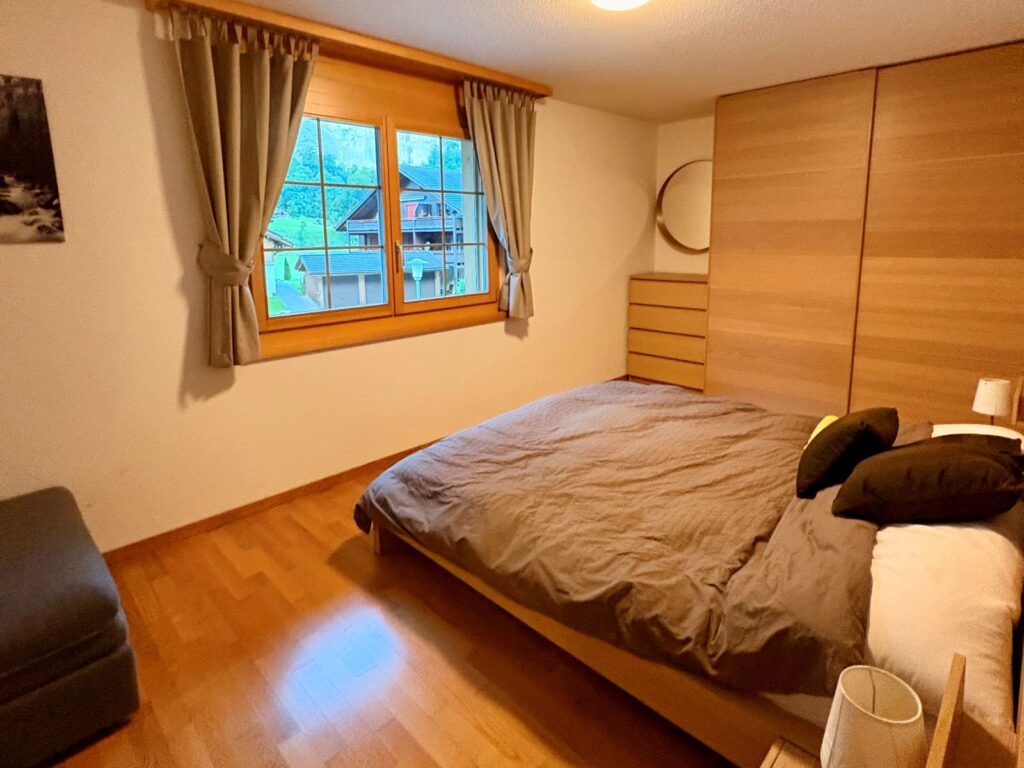
Before booking, look past the wellness language and ask what the trip is actually offering.
Choose a hotel because it is quiet, dark, comfortable, and well-located for the kind of rest you need. Be more cautious if the main selling point is a vague sleep ritual, a branded pillow spray, or a promise to transform your sleep in one weekend.
Choose a destination because it supports the pace you want. That might mean access to nature, walkable streets, calmer evenings, good food options, or enough to do without feeling pressured to keep moving.
Choose an itinerary that leaves space for your body to arrive. A sleep-focused trip needs room around the edges. If every day is tightly scheduled, the hotel can only do so much.
Choose extras because they genuinely help you transition into rest. A massage, gentle class, or guided relaxation can be useful if it reduces stimulation and supports a calmer evening. It is less useful if it simply adds another appointment to manage.
A sleep trip is worth booking when the practical conditions support the promise.
The Future Of Sleep Tourism Should Be More Honest
Sleep tourism does not need to become more elaborate. It needs to become more honest.
A packed city break with early starts, late dinners, constant phone use, and a beautiful hotel room you barely spend time in is unlikely to restore your sleep. A slower trip with morning light, gentle movement, proper downtime, fewer decisions, and a room that is cool, dark, and quiet has a much better chance.
Sleep tourism becomes useful when it gives you permission to travel differently. You do not have to earn rest by exhausting yourself first. You do not have to see everything. You do not have to turn every destination into a performance of productivity.
Sometimes the most restorative thing a trip can give you is not transformation. It is a few days where your body is no longer negotiating with noise, urgency, and overstimulation.
It may sound simple, but that is often what makes rest possible in the first place.
This article is for general informational purposes only and is not intended to replace personalised medical, psychological, or professional advice.