Natural Ways To Recover From Jet Lag After Long-Haul Flights
Long-haul flights can leave you feeling exhausted, wired at the wrong times, hungry when everyone else is asleep, and completely disconnected from the rhythm of the day around you. After crossing multiple time zones, it is common for the body to feel physically tired while the mind still struggles to settle into sleep normally.
The best natural ways to recover from jet lag usually involve helping your circadian rhythm adjust gradually through consistent daylight exposure, meal timing, movement, hydration, and calmer evening routines. While there is no instant cure for jet lag, small behavioural cues can help the body adapt more smoothly after long-haul travel without relying heavily on sleeping pills or extreme “recovery hacks”.
Many travellers try to push through jet lag by overusing caffeine, forcing themselves to stay awake far beyond their natural limit, or sleeping for long periods during the day after arrival. In reality, recovery often feels easier when the body is given steady signals about the new daily rhythm instead of being forced aggressively into adjustment.
Your circadian rhythm already responds naturally to light exposure, food timing, sleep patterns, and activity levels. In most cases, natural ways to recover from jet lag are less about “fixing” the problem overnight and more about helping the body feel regulated again after the stress of travel.
If you are looking for how to recover from jet lag naturally, gentle routines like morning daylight exposure, hydration, movement, local meal timing, and quieter evenings can often help sleep, energy, and appetite stabilise more comfortably over the first few days after flying.
If you want a deeper science-based explanation of circadian rhythm adjustment, sleep timing, and evidence-backed recovery strategies, you can also read our guide on how to recover from jet lag quickly.
Curious to explore the science behind this?
This blog draws on established behavioural science research and applies these principles to travel contexts. Sources are linked in our Evidence & Further Reading section.
How To Recover From Jet Lag Naturally
Natural ways to recover from jet lag usually work best when the body receives consistent signals about the new daily rhythm instead of being pushed aggressively into sleep.
Getting daylight early in the day, eating meals according to local time, and keeping wake-up times similar can all help reinforce the body’s adjustment to a new time zone. Many travellers also find that recovery usually feels easier when evenings are calmer, movement stays gentle during the first couple of days, and sleep is allowed to settle gradually rather than being forced.
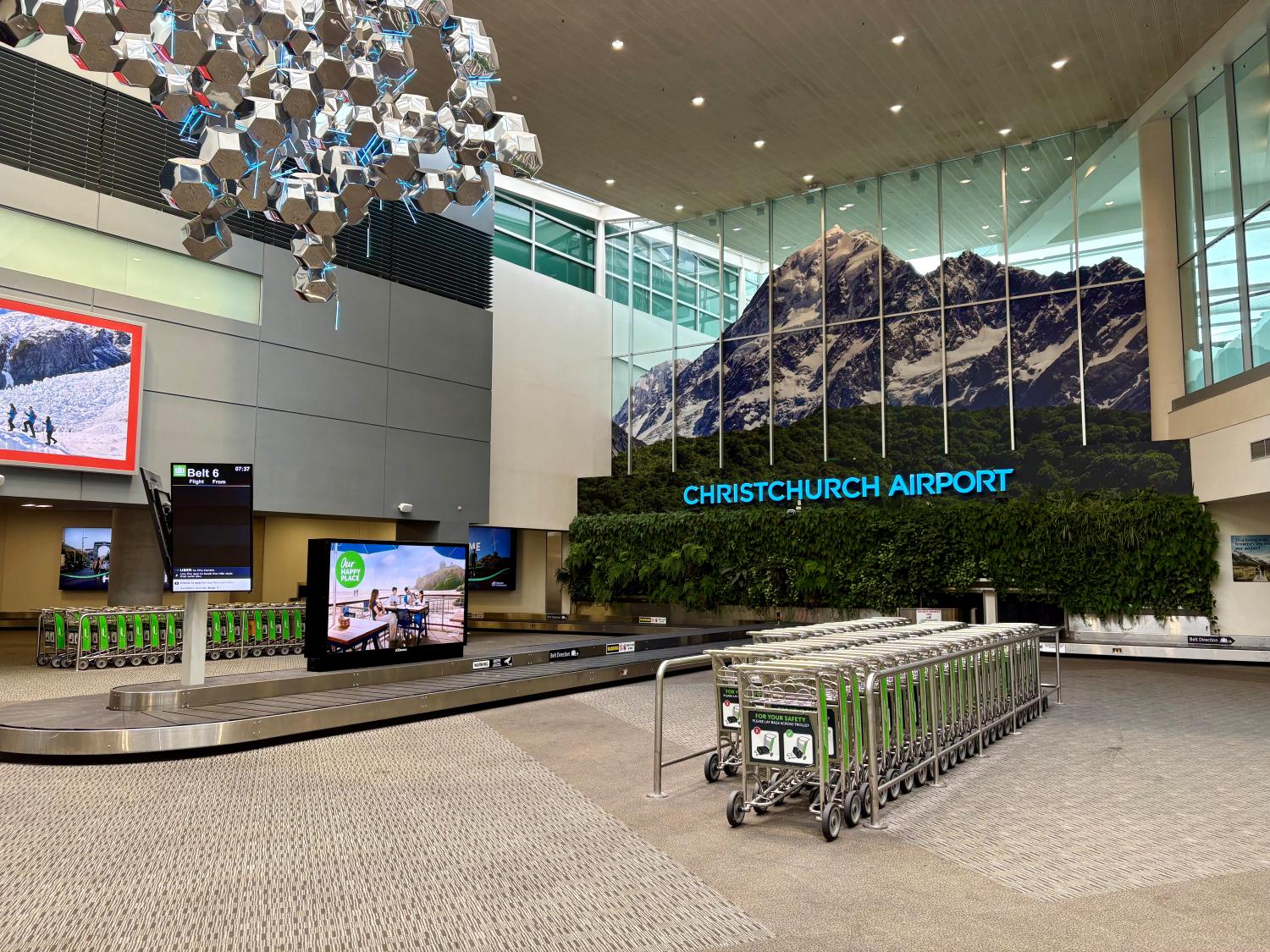
Whenever I arrive somewhere after long-haul travel, and I’m from New Zealand so most of my travel is 9 hours or longer, I never force myself to do or see much on the day of arrival. Going for a walk and orienting yourself with the city, getting some healthy foods from a supermarket, and an early night either reading or watching something on the TV is my usual first-day travel routine.
These small routines often help sleep, appetite, and energy levels stabilise more naturally over several days.
Why Jet Lag Feels So Disorienting After Long-Haul Travel
Long-haul flights put your body under more stress than most people realise. Bright airport lighting, disrupted sleep, dehydration, overnight flights, long periods of sitting, and rapid time zone changes can all affect how regulated we feel after arrival.
For many travellers, jet lag is not just about tiredness. The body can feel overstimulated and exhausted at the same time.
Sleep may become lighter or more fragmented. Hunger can feel unpredictable. Emotional regulation may also feel harder than usual after long journeys, especially when the nervous system has been under continuous stimulation for many hours.
I have frequently noticed after long-haul flights that the hardest part is not simply feeling tired. It is the feeling in your body that doesn’t fully understand whether it should be awake or asleep.
That unsettled feeling is very common after crossing multiple time zones.
Natural Ways To Beat Jet Lag After Flying
Get Outside Early In The Day
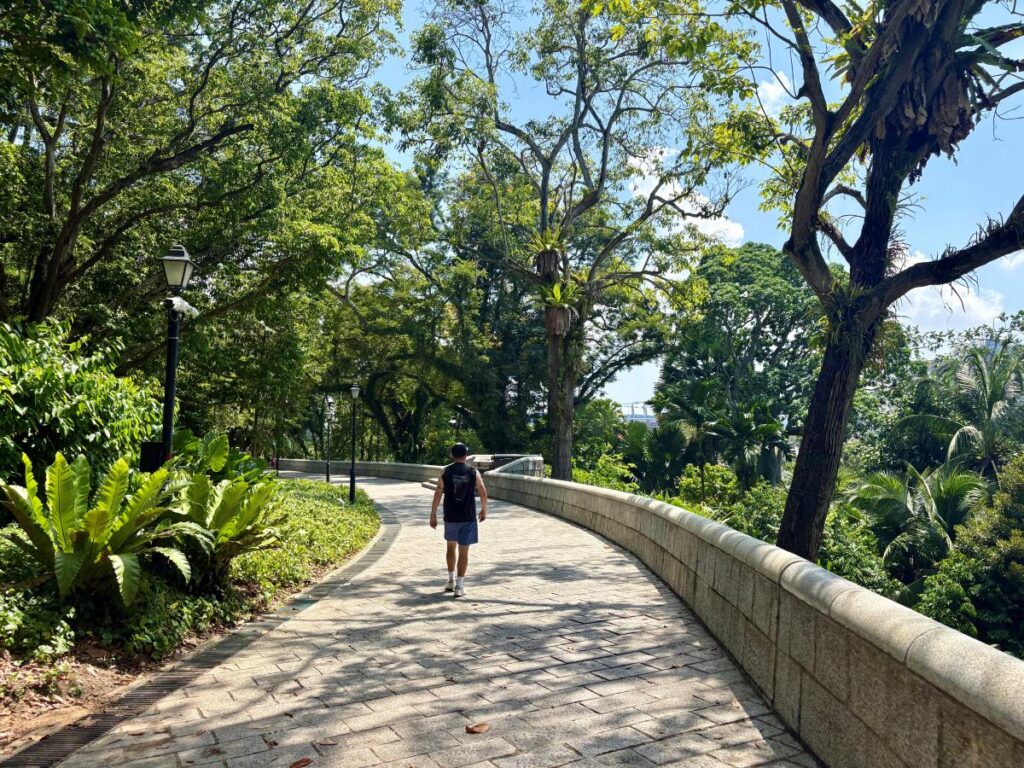
Morning daylight exposure is considered one of the most useful tools for adjusting to a new time zone.
Spending time outdoors in the morning helps the brain begin recognising the new schedule more clearly. Even gentle exposure to daylight and fresh air can feel grounding after the sensory overload of airports and flights.
This does not need to be intense. A quick walk, breakfast outside, or simply sitting in morning light can all support recovery naturally.
Follow Local Meal Times
Eating according to the local schedule helps reinforce the body’s new rhythm.
Appetite may initially feel out of sync after flying, particularly after overnight flights or major time zone changes, but consistent meal timing still helps the body begin adjusting to the new structure of the day.
During the first couple of days, some travellers find that simpler meals feel easier to tolerate than overly heavy or highly processed foods. Our guide on ultra-processed foods while travelling can help you navigate this.
Move Gently Instead Of Overtraining
Some travellers try to “sweat out” jet lag through intense workouts immediately after arrival, but this can sometimes place even more stress on an already overstimulated system.
Gentle movement usually feels more supportive during the first day or two after long-haul travel. Walking, stretching, swimming, or light mobility work can help the body feel more awake without becoming further overwhelmed.
Keep Evenings Calm And Quiet

After travel, the nervous system tends to be overloaded with noise, screens, crowds, unfamiliar environments, and disrupted sleep.
Quieter evenings can make it easier to unwind before bed. Lower lighting, quieter routines, and reduced screen exposure often support sleep better than trying to force exhaustion.
Many travellers notice that recovery feels smoother when evenings become predictable and slower paced again.
Avoid Depending On Long Naps
Long daytime naps can make it harder for the body to settle into local nighttime sleep.
Short naps may help with severe fatigue, but sleeping for long periods during the day can make it harder to adjust to local nighttime sleep.
How To Reset Your Body Clock Naturally After Travel
Resetting your body clock usually comes down to repeating a few simple habits consistently for several days.
Waking at a similar local time each morning, getting regular daylight exposure, eating consistently, and keeping evenings darker and quieter can all support circadian adjustment. Gentle movement during the day also helps you feel naturally sleepier by evening.
One of the most helpful parts of recovery can be accepting that adjustment takes time. The more you stress about falling asleep, the harder it can become, particularly when the body already feels dysregulated after flying. A calmer approach, in many cases, allows sleep to return more naturally over the following nights.
Natural Jet Lag Remedies That May Help
Warm Showers Or Baths
Warm water before bed can help the body transition into a calmer state after a long day of travel and stimulation.
An evening shower often helps travellers create a sense of familiarity and routine in a new environment.
Magnesium For Relaxation Support
Some travellers use magnesium to support relaxation and sleep quality during travel recovery. While it does not directly “cure” jet lag, it may help support relaxation and reduce muscle tension while the body adjusts.
Always speak with a healthcare provider before taking supplements.
Herbal Tea And Wind-Down Rituals

Familiar evening habits can make it easier to relax in an unfamiliar environment.
Herbal tea (I always travel with ‘sleepy tea’), stretching, reading, journaling, or listening to calming audio can create a gentler transition toward sleep, especially in unfamiliar hotel rooms or noisy environments.
Short-Term Melatonin Use
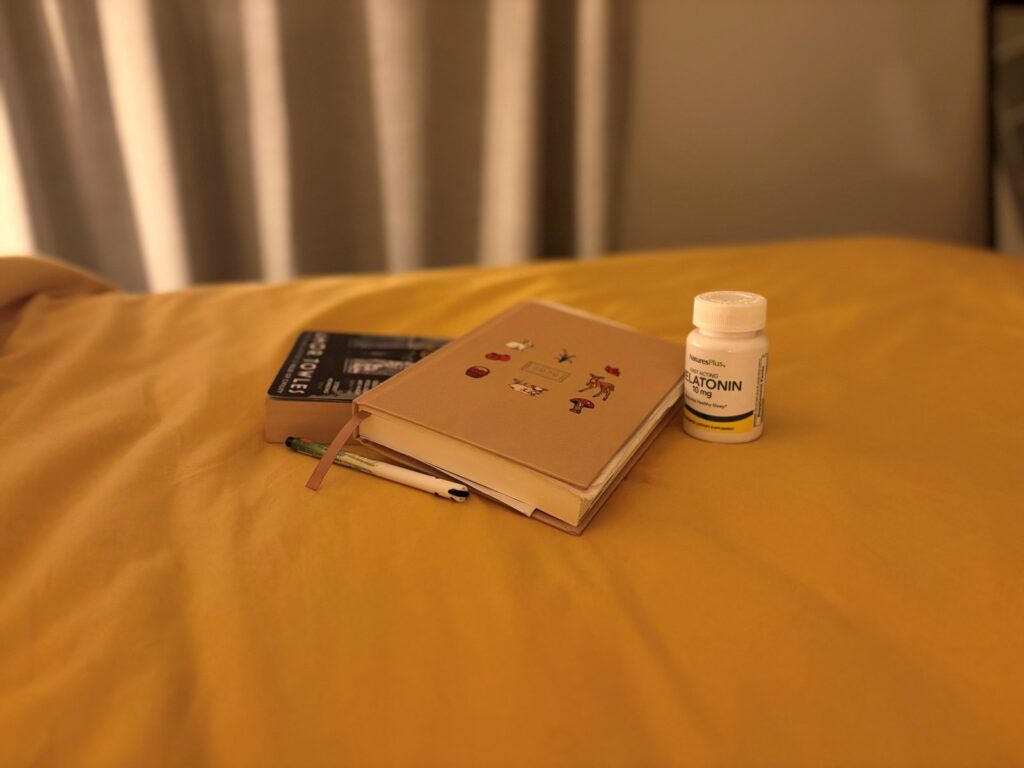
Some travellers choose to use melatonin short term after major time zone changes. Melatonin is generally used to support sleep timing rather than acting as a strong sedative. It may feel particularly helpful after eastward travel when falling asleep earlier feels difficult.
If you prefer recovering from jet lag without sleeping pills, melatonin is often considered a gentler temporary option, although it is still important to speak with a healthcare provider before using supplements.
Habits That Can Make Jet Lag Worse
Too Much Stimulation At Night
Bright hotel lighting, late-night scrolling, and overstimulating environments can make it harder for the body to settle after travel. It can be fun to go out to a bar when you arrive, but try and make your first night focussed on sleep if you have travelled far and want to recover quickly.
Using Alcohol To Force Sleep
Alcohol may initially create drowsiness, but it can disrupt sleep quality and can worsen dehydration after long-haul flights.
Sleeping All Day After Arrival
Although it can feel tempting, spending the entire first day sleeping often delays adjustment to the destination schedule.
Treating Recovery Like A Productivity Challenge
Many travellers feel pressure to function normally immediately after arrival, especially on shorter trips.
But the body is adapting to a genuine physiological disruption. Most people adjust better when they stop treating jet lag like something they need to power through immediately.
It’s okay to feel tired, you most likely will.
A Gentle 3-Day Jet Lag Recovery Routine
Day 1
- Get outside in daylight as early as possible
- Eat meals on local time
- Move gently during the day
- Keep caffeine moderate
- Avoid going to bed extremely early
The first day is usually less about productivity and more about helping the body settle into the new environment. Morning daylight, local meal timing, and gentle movement can all help support that adjustment without overwhelming an already tired system.
Day 2
- Wake at local morning time
- Spend more time outdoors
- Keep meals consistent
- Limit long naps
- Create a calmer evening routine
By day two, the body is typically starting to recognise the new rhythm, even if sleep and energy still feel slightly unsettled. Consistency usually matters more than doing anything extreme at this stage, so regular daylight exposure, gentle movement, and calmer evenings can all help the adjustment continue more naturally.
Day 3
- Continue morning daylight exposure
- Return gradually to normal activity
- Keep evenings dim and slower paced
- Allow sleep timing to stabilise naturally
Day three is when things begin to feel noticeably more manageable. Sleep timing starts settling, energy becomes more stable, and the body gradually feels more connected to the local routine again. Keeping mornings bright and evenings slower paced can help support that final stage of adjustment.
Most travellers begin feeling more regulated within several days, although larger time zone changes can take longer.
Natural Jet Lag Recovery FAQs
What Is The Fastest Natural Way To Beat Jet Lag?
Morning daylight exposure, local meal timing, gentle movement, and consistent sleep timing are among the most effective natural ways to beat jet lag.
Can You Recover From Jet Lag Without Sleeping Pills?
Yes. Many travellers recover successfully through environmental and behavioural adjustments alone, particularly through light exposure, routine consistency, and supporting relaxation naturally. I personally have never taken sleeping pills for travel.
Does Hydration Help Jet Lag?
Hydration does not directly reset the body clock, but dehydration can worsen fatigue and make recovery feel harder after long-haul travel.
Why Does Jet Lag Feel Emotionally Draining?
Disrupted sleep, overstimulation, physical fatigue, and sudden changes in routine can all affect emotional regulation during travel recovery.
Related Travel Recovery Guides
- Immune-Boosting Foods for Travel: What to Eat to Stay Healthy on the Road
- Movement On The Road: A Simple Way To Support Travel Wellbeing
- Sleeping Well While Travelling: A Calm, Practical Guide
- 10-Minute Morning Routine for Travel: How to Adapt and Feel Grounded Anywhere
- How to Stay Healthy on Long-Haul Flights: A Wellbeing-First Guide for Modern Travellers
At Nomadic Balance, we focus on evidence-informed wellbeing travel strategies designed to help you feel better physically and mentally while travelling, not just get from place to place.
Supporting Your Body Through Jet Lag Recovery
Natural ways to recover from jet lag are often less about “hacking” the body and more about helping it feel regulated again after an intense transition.
Long-haul travel places significant strain on the nervous system. Sleep disruption, unfamiliar environments, bright lighting, noise, dehydration, and rapid time zone changes all ask the body to adapt very quickly.
Gentle routines, daylight exposure, movement, hydration, calmer evenings, and patience tend to support recovery more effectively than trying to force immediate adjustment.
For many travellers, the goal is not perfect sleep on the first night. It is gradually helping the body feel safe enough to settle into a new rhythm naturally.
This article is for general informational purposes only and is not intended to replace personalised medical, psychological, or professional advice.