How To Eat Gluten-Free In Singapore: A Simple, Realistic Guide
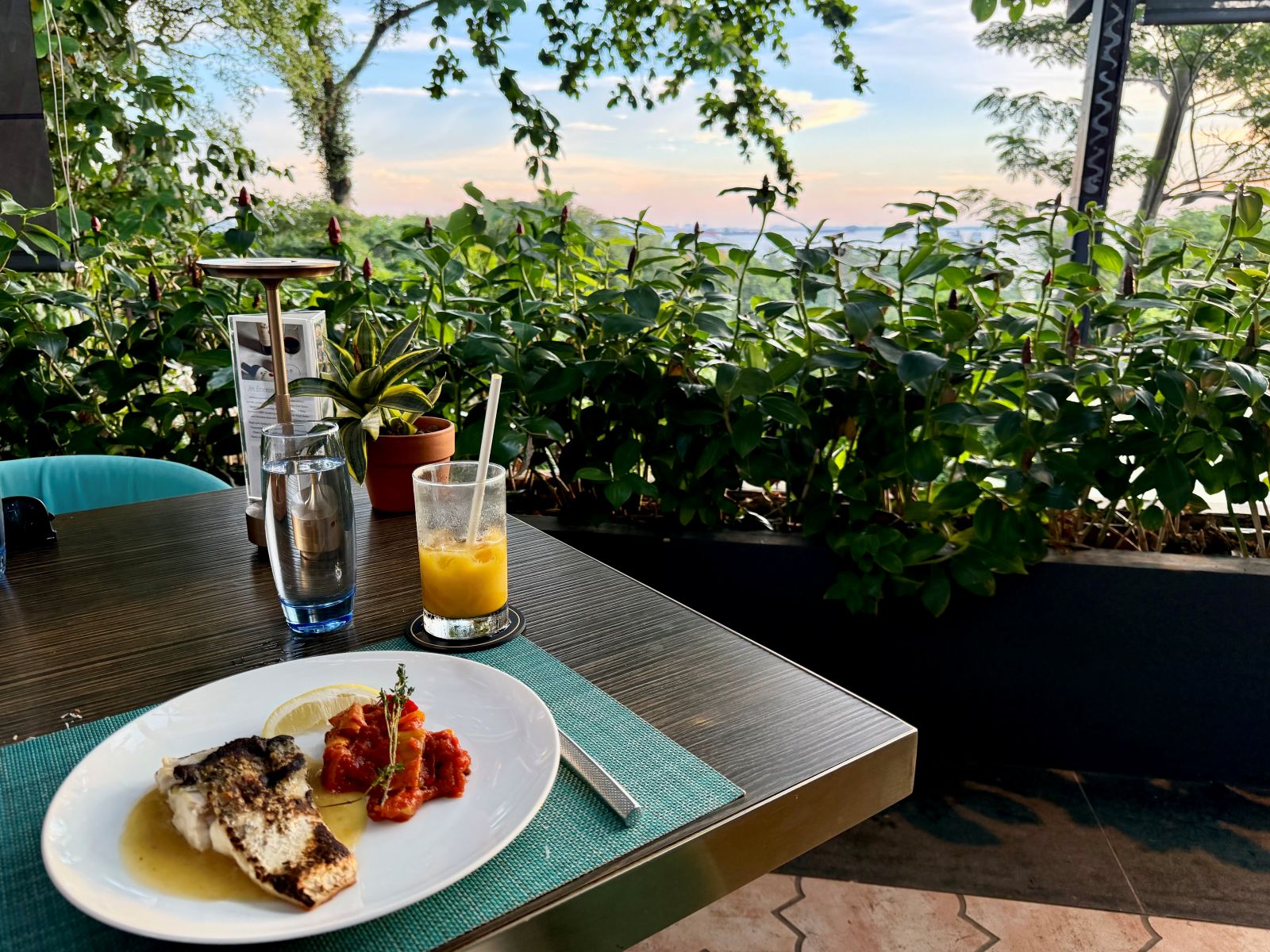
Eating gluten-free in Singapore feels uncertain at first, but it becomes manageable once you understand how dishes are put together. While it is not as clearly labelled as countries like Australia or New Zealand, most meals are built around naturally gluten-free bases like rice, eggs, and simple meats. The main challenge is identifying where gluten is added during cooking, which in Asia, is often in sauces.
After you recognise that most gluten comes from sauces rather than the base ingredients, decisions become simpler. Day-to-day, eating gluten-free in Singapore often comes down to choosing simple meals, avoiding soy-based sauces, and repeating a few reliable options rather than reassessing everything each time.
I travel gluten-free by choice rather than because of coeliac disease, so I am comfortable with some cross-contamination. If you are coeliac, you will need to be significantly more cautious; hawker centres can be unpredictable, and restaurants with strong gluten-free awareness or supermarkets tend to be a safer option. I found places like Cold Storage especially useful early on, both for basics and for brands like Bob’s Red Mill.
Table of Contents
If you are trying to travel well without overcomplicating things, you can explore more approaches like this on the Nomadic Balance homepage, where the focus is on staying regulated, present, and well while moving. Or, for a wider view on how food choices shape how you feel during travel, you can explore the Food & Mood section for more practical, psychology-informed guidance.
Quick Answer: Eating Gluten- Free In Singapore
Eating gluten-free in Singapore is manageable if you stick to simple rice-based meals, avoid soy-based sauces, and ask specifically about sauces, marinades, and shared cooking equipment. Hawker centres can be unpredictable due to shared cooking spaces, while cafes, restaurants, and supermarkets offer more reliable gluten-free options.
How To Eat Gluten-Free In Singapore (Without Overthinking)
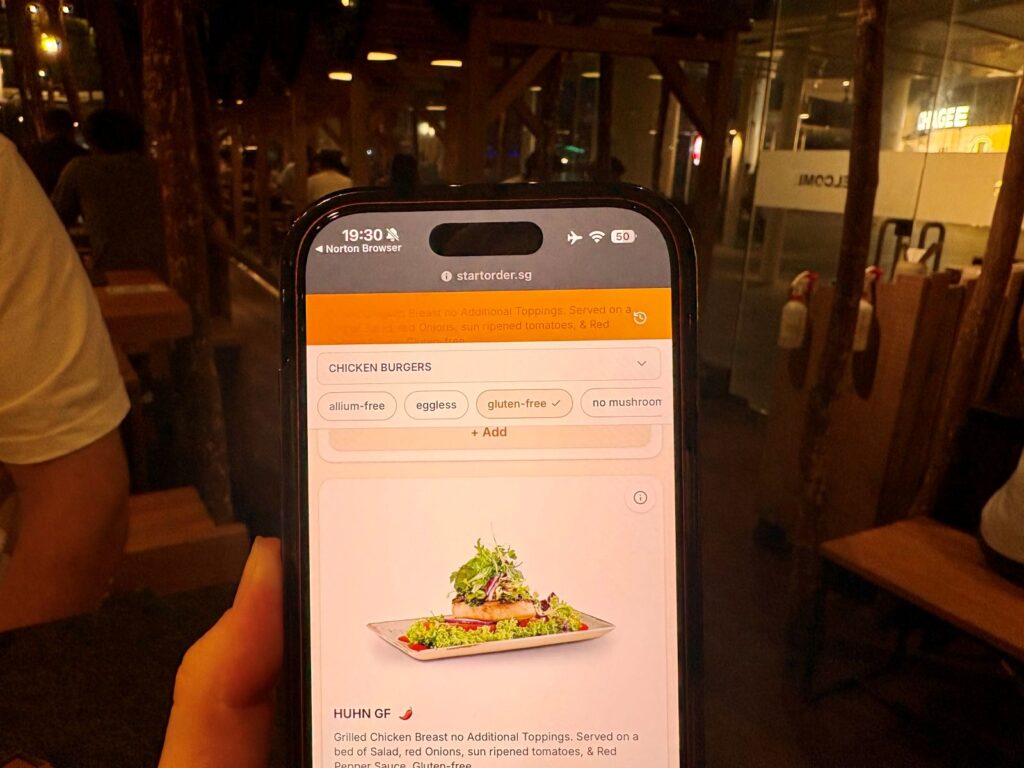
What helped most was reducing each meal to a few repeatable decisions. Start with food that is naturally gluten-free. In Singapore, this usually means rice-based meals, eggs, plain meats, vegetables, and rice noodles. The base of many dishes is safe, which is helpful. The complication almost always comes later.
I found it easiest to filter options with one simple question. Asking “does this contain soy sauce or wheat?” tends to remove most higher-risk options without turning the interaction into a long explanation. English is widely spoken, so this is much easier than in other countries.
From there, choose environments that match your level of risk tolerance. Hawker centres are fast, shared, and not designed for dietary restrictions. Restaurants and cafes, especially more international or health-focused ones, tend to understand gluten-free requests more clearly and are often willing to adjust dishes.
Once you find something that works, repeat it. The moment you find a meal that feels safe, it becomes far easier to return to it rather than restarting the decision process each time. It may not feel spontaneous or adventurous, but it makes travel feel manageable rather than tiring.
If this is your first time navigating food restrictions abroad, this guide to gluten-free travel for beginners can help you build a few simple habits before your trip.
Where Gluten Actually Hides In Singapore Food
What surprised me most is that gluten is rarely obvious. It is not the base ingredients that cause problems, but what gets added quietly in the background.
Soy sauce is the biggest one, and it is used far more widely than you might expect. Oyster sauce, marinades, and pre-prepared ingredients show up across multiple dishes, even when the meal looks simple. Shared woks and utensils are also part of how hawker food is cooked, which increases the chance of cross-contact.
This is why something that looks like plain noodles or stir-fried vegetables is not always a safe default. The structure of the meal matters less than what has been added during cooking. In Singapore, gluten usually comes from sauces rather than the base of the dish.
What You Can Actually Eat (Real Examples That Work)
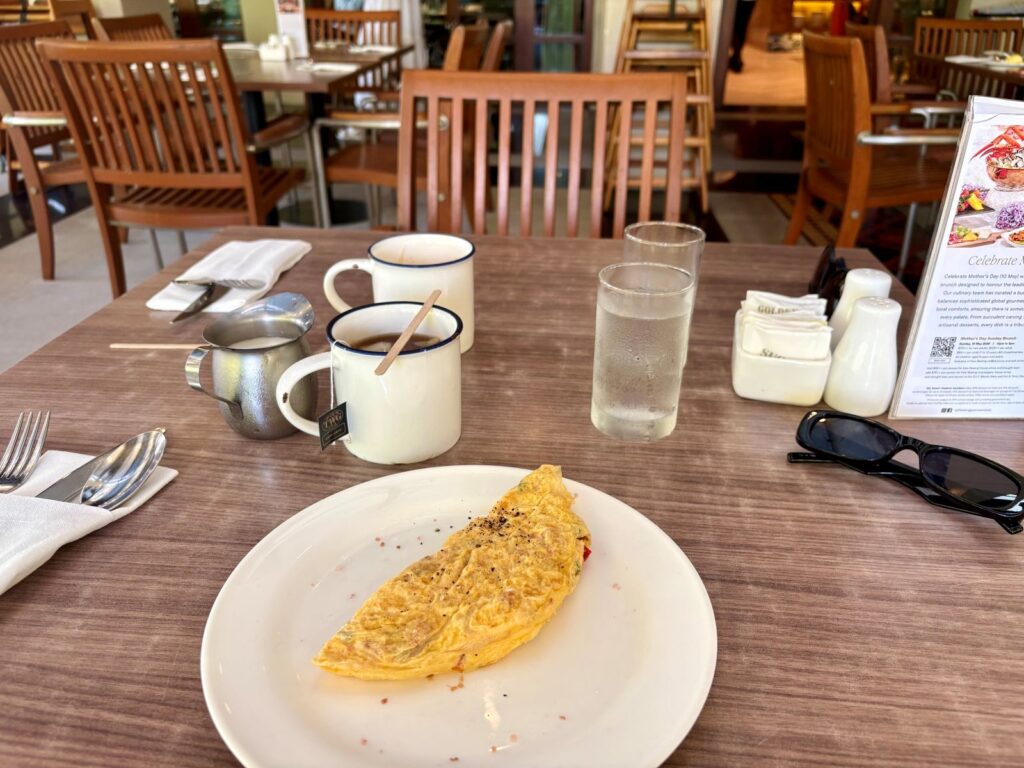
Once you start recognising which dishes are made safely, there are more options than it initially feels like.
Hainanese chicken rice is one of the easiest meals to work with. The chicken and rice themselves are typically safe, as long as you skip the sauces or check what has been added. I found this became one of my most reliable defaults.
Simple combinations like plain rice with roasted or grilled meats can also work, provided you check for marinades. Egg-based dishes are another steady option, especially when they are cooked simply.
Rice noodle dishes can be possible, but only if they are prepared without soy sauce, which is where a quick question becomes important.
Outside of local food, western chains and international restaurants create an entirely different level of ease. Places like Shake Shack or similar global brands tend to have clearer ingredient systems and a better understanding of dietary requests. These are not always the most interesting meals, but they are useful when you want something predictable without thinking too much about it.
Eating Gluten-Free At Hawker Centres In Singapore
Hawker centres are a central part of eating in Singapore, but they are also where gluten-free choices become least predictable. Food is cooked quickly, ingredients are often pre-prepared, and shared equipment is standard, which means you are not always seeing everything that goes into a dish.
They are not off-limits, but they do require a different approach. Simpler meals tend to be easier to manage, especially when they are cooked fresh rather than assembled from pre-mixed components. Watching how a dish is prepared can also give you a clearer sense of whether sauces or marinades are being added.
There is always some level of uncertainty here. I found that manageable, but if you are coeliac, this environment is likely to feel too unpredictable.
When To Choose Cafes And Restaurants Instead
I found I felt more at ease stepping away from hawker centres and into cafes or restaurants, particularly those with a more international or health-focused menu. This wasn’t because I didn’t enjoy the experience, but it felt a lot safer for gluten-free eating.
Ingredients are usually clearer, staff are more familiar with gluten-free requests, and there is more flexibility to adjust how a dish is prepared. Even choosing one or two meals in these spaces can reduce the mental effort that builds from constantly assessing risk in faster, less transparent environments.
Over time, this creates a better balance, where not every meal requires the same level of attention.
Supermarkets As A Reset Point
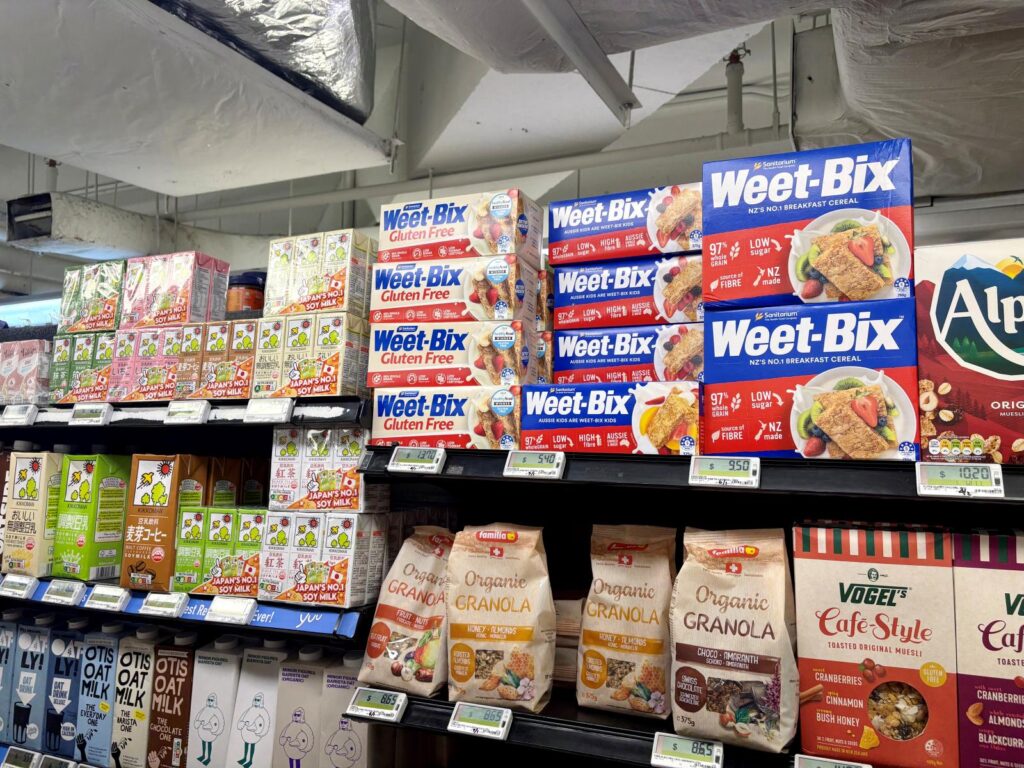
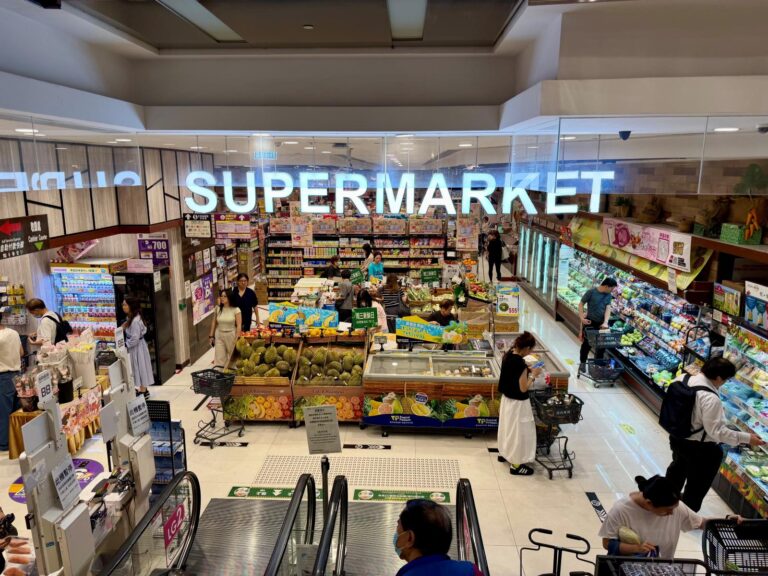
Supermarkets ended up being one of the most useful tools, for the duration of our trip. It can feel slightly unglamorous to rely on grocery stores while travelling, but having something you know you can eat changes the entire day.
Walking into Cold Storage or FairPrice and picking up simple, clearly labelled food immediately removed pressure. Things like fruit, yoghurt, nuts, and packaged gluten-free products gave me a baseline to fall back on. Finding brands like Bob’s Red Mill made it feel even more stable.
Local labelling standards are less strict than countries like Australia or New Zealand, so for coeliacs, imported products that are clearly labelled or certified gluten-free tend to be safer.
Having a reliable fallback makes the rest of your food choices feel less pressured. You are no longer trying to solve every meal perfectly, because you know you have a backup.
Another quiet benefit of supermarkets is the ability to choose simpler, less processed foods and support your immune system while travelling. If you want to explore this further, you can read more about supporting immunity on the road and avoiding ultra-processed foods while travelling, both of which build on this same idea of keeping food choices steady without adding extra pressure.
Choosing Accommodation That Makes Gluten-Free Eating Easier in Singapore
Where you stay can make a bigger difference than you expect when it comes to eating gluten free in Singapore. It’s not always something you think about when booking, but having either a simple way to prepare food or easy access to reliable gluten-free options can take a lot of pressure off day to day.
Self-Catering Options: Creating Early Stability
If you have access to even a small kitchen or kitchenette, things usually feel easier quite quickly. Being able to put together simple meals, like rice, eggs, or vegetables, gives you something dependable to fall back on, especially in those first few days when everything still feels unfamiliar.
It doesn’t have to be elaborate. I found that having just one or two meals a day that I knew were safe made everything else feel much more manageable.
Hotels With Good Gluten-Free Awareness
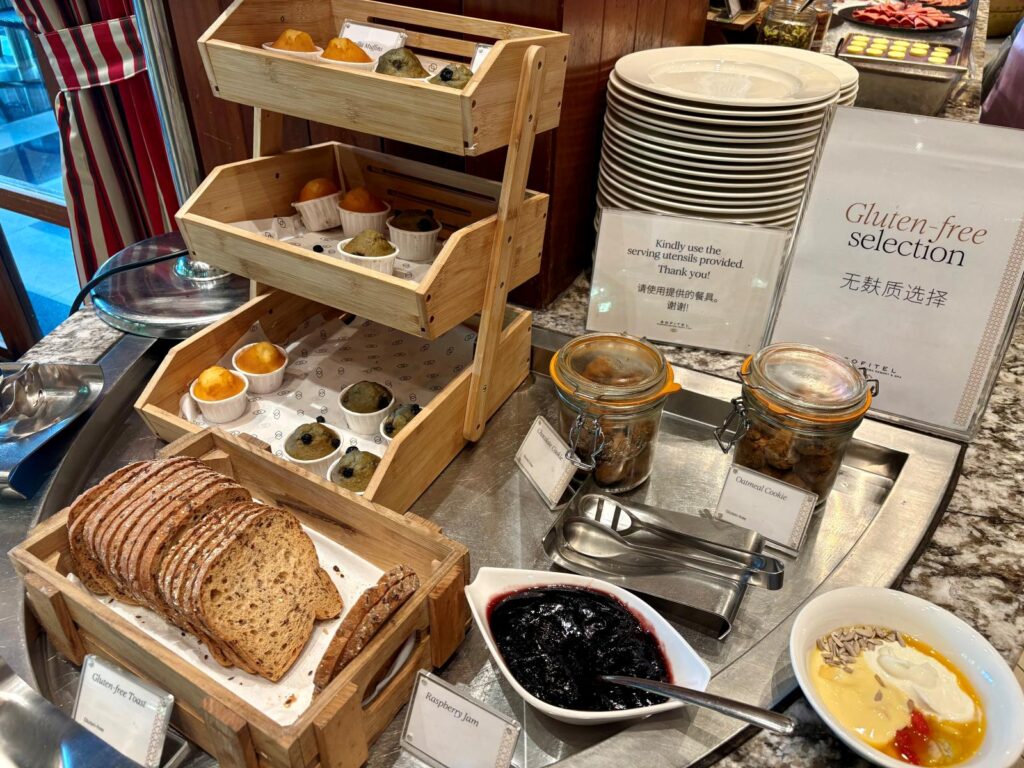
If cooking isn’t realistic, a hotel with a strong breakfast offering can really help. Buffets can be especially useful when there are clearly labelled options or a small gluten-free section, as it gives you at least one reliable meal without needing to think too much or ask lots of questions.
When I stayed at Sofitel Sentosa, breakfast felt easier. There was a small gluten-free section alongside naturally gluten-free choices, which made mornings feel simple rather than uncertain.
That kind of consistency carries through the rest of the day. Once one meal is sorted, everything else tends to feel more flexible.
Location Still Matters
Even with good accommodation, being close to supermarkets, cafés, or restaurants with gluten-free options makes a difference. Being able to pick something up nearby or return to a place you trust without much planning helps keep things feeling manageable over time.
A More Manageable Way To Eat Gluten-Free In Singapore
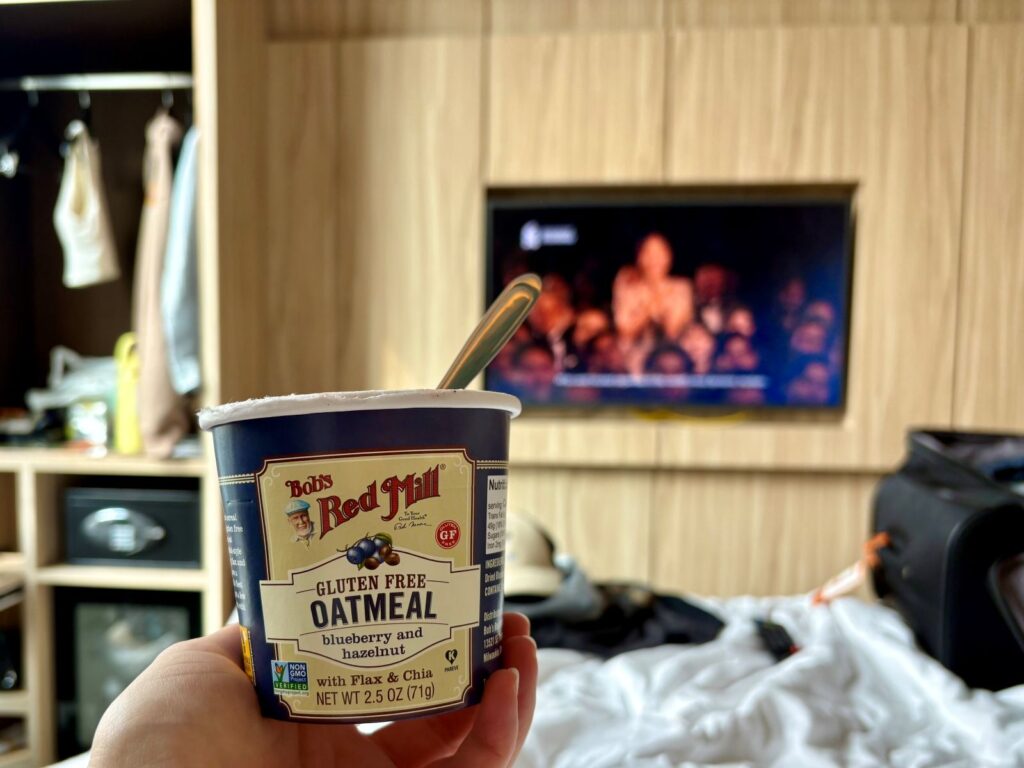
Singapore is not a perfect gluten-free destination, but it becomes manageable once you simplify your approach.
Once you reduce decisions to a few simple rules and find two or three meals you trust, food stops being a constant calculation. It becomes something you can work around without it affecting your travels.
The moment I stopped trying to figure everything out each time and instead relied on a few consistent patterns, eating gluten-free in Singapore felt straightforward enough to stop thinking about, and that is usually when travel starts to feel easy again.
This article is for general informational purposes only and is not intended to replace personalised medical, psychological, or professional advice.