Festival Financial Anxiety: How to Budget Without Missing Out
You have secured the ticket, the line-up looks incredible, and you should be getting excited. Instead, you keep calculating the cost of accommodation, transport, outfits, food, and everything else that was not included in the advertised ticket price.
Festival financial anxiety can begin before you book, appear when costs start accumulating, or arrive afterwards when you finally look at your bank account. You may wonder whether you can genuinely afford to go, feel uncomfortable opting out of what your friends are buying, or regret spending more than you intended.
These concerns do not mean you are bad with money or incapable of enjoying yourself. Festivals compress a large amount of spending into a short period, often within an environment where expensive choices are highly visible and easier to make quickly.
A realistic festival budget will not remove every unexpected cost. It can, however, help you understand what the experience will actually cost, decide what matters to you, and spend without questioning every decision once you arrive.
For wider guidance on protecting your energy and enjoyment throughout an event, the festival wellbeing guide covers the physical, emotional, and practical sides of festival wellbeing.
Table of Contents
What Is Festival Financial Anxiety?
Festival financial anxiety is the worry, tension, guilt, or uncertainty connected with paying for and spending money at a festival. It is not a formal diagnosis, but it describes an experience that can affect how much you enjoy an event.
It may sound like:
“Can I really afford this?”
“What if everyone wants to spend more than I do?”
“Have I already spent too much to back out?”
“Will I regret this when I get home?”
The anxiety is not always proportionate to the ticket price. Someone may have enough money set aside but still feel uncomfortable watching it leave their account quickly. Another person may be stretching their budget because the festival feels like an important social experience that they do not want to miss.
Money is rarely only about numbers. It can also become connected with freedom, belonging, identity, security, and how we compare ourselves with other people. Festivals bring many of those pressures together in a concentrated and highly visible setting.
Curious to explore the science behind this?
This blog draws on established behavioural science research and applies these principles to travel contexts. Sources are linked in our Evidence & Further Reading section.
Why Do Festivals Feel So Expensive?
The advertised ticket price is only one part of the total cost. Transport, accommodation, booking fees, food, drinks, camping equipment, outfits, lockers, charging, and travel home can collectively cost as much as, or more than, entry.
The expenses also arrive at different times. You might buy the ticket months in advance, then pay for flights, accommodation, and clothing later. This can make the full amount less obvious until you add everything together.
During the festival, the spending becomes faster. A few meals, drinks, transport fares, and small purchases may not feel substantial individually, particularly when the event uses a wristband or cashless payment system. The total can be much more noticeable afterwards.
Uncertainty adds another layer. You may not know what food will cost, whether free water will be readily available, how much transport prices will rise, or whether your group will make additional plans. Even when you have saved, undefined costs can make the experience feel financially unsettled.
Work Out the Real Festival Cost Before Booking
Before deciding whether you can afford a festival, look beyond the headline ticket price. Estimate the entire experience from leaving home to returning.
Include the ticket and booking fees, transport, accommodation or camping, food, drinks, clothing, equipment, lockers, phone charging, local travel, and a small amount for unexpected costs. If the festival is abroad, include travel insurance, airport transfers, baggage, and exchange-rate or card fees where relevant.
You do not need to predict every purchase perfectly. The purpose is to uncover the categories most likely to be forgotten.
Separate the costs into three groups:
- Already paid: Tickets, booked transport, and prepaid accommodation.
- Necessary: Food, essential travel, basic equipment, and a safe journey home.
- Optional: Merchandise, upgrades, new outfits, premium food, and additional activities.
This distinction helps because a large total can feel overwhelming when every cost appears equally fixed. In reality, some expenses are already committed, some protect your basic wellbeing, and others remain choices.
If the estimated total would affect your ability to pay rent, bills, debt repayments, or essential living costs, the festival may not be affordable in its current form. That does not automatically mean giving it up. You might be able to attend for fewer days, use cheaper transport, camp rather than stay in a hotel, sell the ticket if permitted, or choose a smaller event.
A festival is meant to add something positive to your year. It should not require you to ignore financial consequences that will continue long after the final set.
Create a Festival Budget That Reflects What You Value
A useful festival budget is not only a restriction. It is a decision about what deserves your money.
Before the event, identify the parts that matter most to you. You might care about comfortable accommodation because sleep affects your whole weekend. You may prefer to spend on food and save on clothing, or choose a basic ticket so you have enough money for travel.
A short spending intention can make these priorities clearer:
“I am happy to spend on food and a safe journey home, but I do not need upgrades.”
“I want one outfit that feels good rather than something new for every day.”
“I have included money for one piece of merchandise, so I can choose it without guilt.”
“I am attending for the music, and I do not need to match what everyone else spends.”
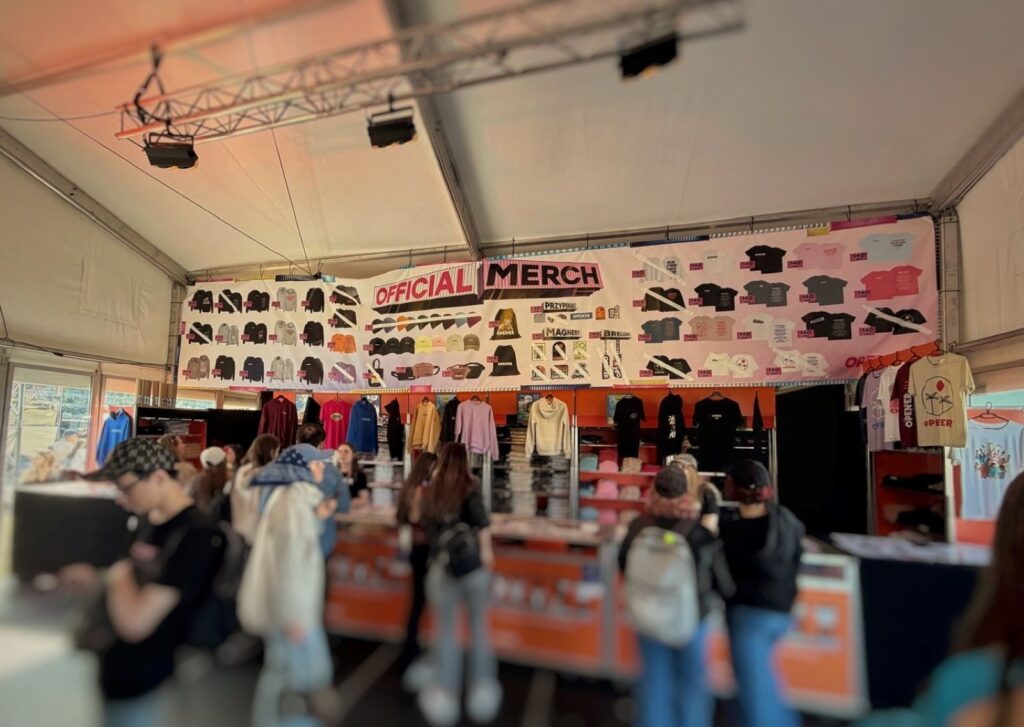
This approach gives your budget flexibility while protecting what you value. For example, when I attend an international festival, I often decide in advance to buy the official T-shirt as a souvenir. It is usually more expensive than a standard T-shirt, but choosing it beforehand means the purchase feels intentional rather than impulsive, and I can enjoy it without guilt.
Agree on Expectations With Your Festival Group
Some of the hardest festival costs are not listed on the website. They appear when friends choose more expensive accommodation, order rounds of drinks, book restaurants, or suggest upgrades that were never part of the original plan.
Talking about money beforehand can feel awkward, but it is usually easier than trying to negotiate while tired, excited, or worried about being left out.
You do not need to disclose your income or justify your financial situation. You can say:
“I’m working with a set festival budget, so I’ll join the parts that fit.”
“I’m happy with the standard ticket, but you should get VIP if it matters to you.”
“I’ll bring breakfast and snacks, then buy one main meal inside.”
“I won’t be doing rounds, but I’m happy to buy my own drinks.”
Friends do not have to make identical spending choices to enjoy the festival together. One person can buy merchandise while another does not. Some of the group can attend an after-party while others head back. Different budgets only become a larger problem when everyone assumes they must make the same choices.
I have found that opting out can still feel uncomfortable even when I am confident about what I want to spend. Often, the difficult part is not the purchase itself but being the person who makes a different choice. Having a prepared response makes that moment easier and allows the group to move on without turning money into a long discussion.
Avoid Letting the Festival Aesthetic Set Your Budget
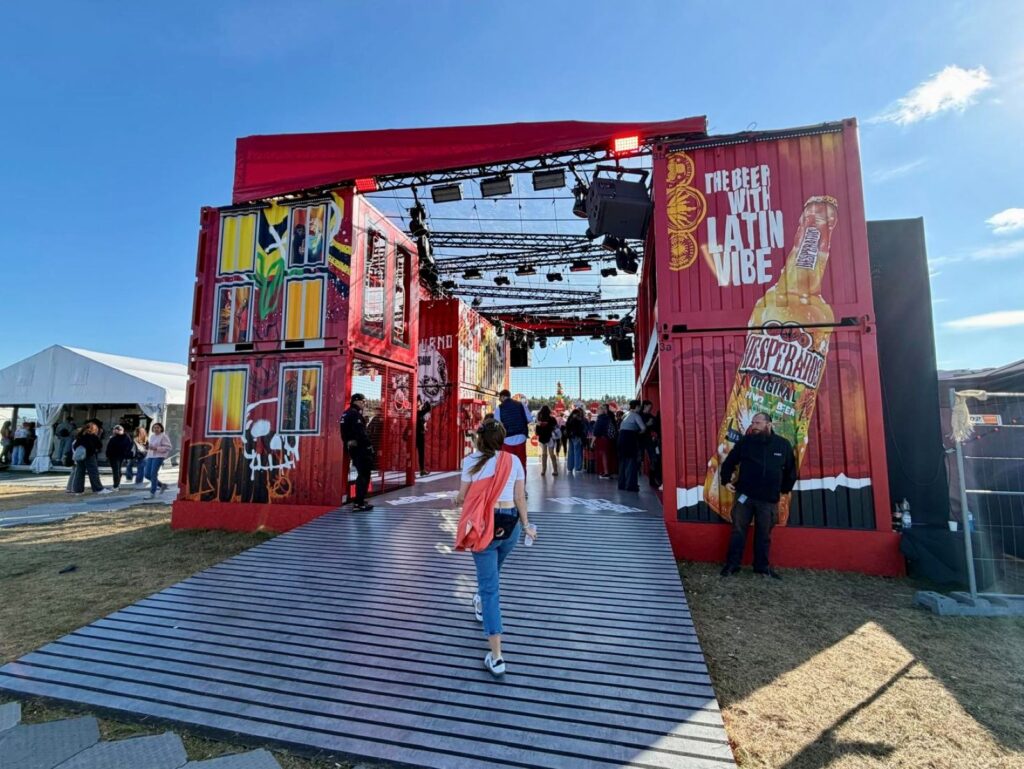
Festival outfits can be one of the most enjoyable parts of getting ready, but they can also create pressure when social media makes it feel like you need a new look for every day.
Clothing does not reflect how much you care about the festival. Repeating outfits, wearing what you already own, or prioritising comfort over trends is completely valid.
Start with practicality: weather appropriate clothing, comfortable footwear, and items that meet the venue’s rules. At Open’er Festival, I went in expecting rain and strong wind, so I wore a waterproof jacket from the start. I had no regrets, if anything, it made the experience more comfortable, and I quickly realised many others were either dressed similarly or struggling without one. Once those basics are covered, you can decide if anything extra would genuinely add to your enjoyment.
Small changes like accessories, make-up, or one standout piece can refresh an outfit without extra spending. Comfort also protects your budget by reducing the chance of needing last-minute replacements. The festival wellbeing packing list can help you focus on what you actually need.
Make Food and Drink Part of the Budget
Food is sometimes treated as an area where festival spending has gone wrong, yet eating and drinking enough are basic needs during a long, active day.
Trying to save by eating very little can leave you tired, irritable, or unable to enjoy the performances you paid to see. It may also lead to rushed purchases later when you are extremely hungry and the nearest option is expensive.
Check the festival’s rules before arriving. Some events allow sealed snacks, empty refillable bottles, or food for specific dietary requirements. If you are staying in a hotel or camping, you may be able to prepare breakfast, keep food for the journey home, or eat before entering the venue.
Inside the festival, look at the available options before choosing the first stall you pass. If alcohol is part of your weekend, including it in the budget beforehand creates a more realistic total than treating it as an incidental cost.
Spending on enough food, water, and a safe journey home is not a failure to budget. These are part of attending the festival, not extras that only count if money remains.
Manage Spending While You Are at the Festival
It is difficult to make considered financial decisions when you are tired, hot, hungry, overstimulated, or trying to keep up with a group. This is why a little preparation can be more effective than relying on willpower throughout the weekend.
Keep a rough idea of what you have available each day. This does not require recording every purchase while standing in a crowd. A quick check in the morning or before entering the venue may be enough.
If the festival uses cashless payments, remember that tapping a wristband can make each purchase feel less noticeable. Check the balance or transaction history occasionally if the system allows it. With your own bank card, transaction alerts can provide a similar reminder.
For non-essential purchases, create a short delay. Take a photo of the merchandise, watch the next set, or agree to return later. If you still want it, and it fits the budget, you can buy it with more confidence. If the urge disappears, you have avoided a purchase that mattered mainly in the moment.
It can also help to check what need is sitting behind the decision. You may genuinely want the item, but you could also be hungry, uncomfortable, comparing yourself with someone else, or worried about being left out. Addressing that need may change what you decide to buy.
What to Do If You Cannot Afford Everything Your Friends Are Doing
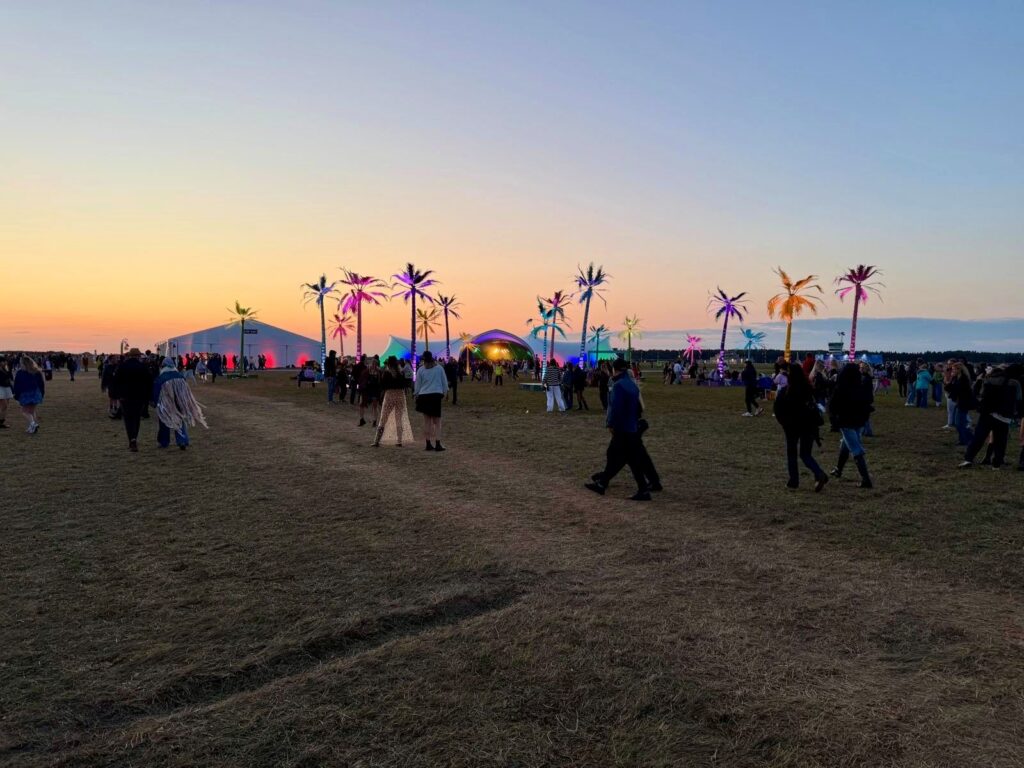
Not being able to afford every part of a festival weekend can bring up embarrassment, especially when other people appear unconcerned about cost.
Their spending does not tell you their full financial situation. They may have saved for longer, earn more, use credit, receive family support, or feel anxious privately. Comparing visible purchases with your own bank balance rarely gives you useful information.
If your friends choose something outside your budget, look for a practical way to rejoin them afterwards rather than paying to avoid feeling left out. You do not need to match somebody else’s spending to belong in the group.
If the plans change so much that the trip is no longer affordable, say so early. A clear conversation may give the group time to find a cheaper option rather than leaving you to absorb costs you never agreed to.
How to Handle Festival Overspending
Even with a budget, you may spend more than planned. Prices might be higher than expected, transport may change, or you may make choices in the moment that you would approach differently now.
Start by working out the actual amount rather than relying on the feeling that you spent “far too much”. Add the transactions, account for any refunds or shared expenses, and separate necessary costs from optional spending.
Then ask practical questions:
- Do any upcoming payments now need attention?
- Can shared costs be settled promptly?
- Is there unused merchandise or equipment that can reasonably be returned or sold?
- Which non-essential spending can be reduced temporarily without compromising food, housing, health, or other necessities?
Avoid responding with an extreme financial reset that is impossible to maintain. Skipping adequate food or punishing yourself for several weeks will not reverse the festival spending. A modest short-term adjustment and a clear plan are more useful.
If the amount affects your ability to meet essential payments, contact the relevant provider or an independent financial-support service early. Financial problems are usually easier to address before missed payments accumulate.
Review the Festival Without Turning It Into Regret
Post-festival money guilt can cause the cost to overshadow the entire experience. You may replay purchases, focus on what you should have done differently, and begin to question whether attending was a mistake.
Wait until you are rested, then complete a neutral review. Look for information you can use next time:
- Which expenses added most to the experience?
- Which purchases would you skip?
- What cost more than expected?
- Where did preparation save money?
- Did you spend more when you were hungry, tired, or following the group?
Some spending may have been worthwhile, such as comfortable accommodation, enough food, a safe journey home, or a long-awaited performance. Other purchases may not have added much, and recognising this is useful for future planning. The aim is not self-criticism, but building a more accurate budget for next time.
For example, at a recent festival I found that hotel accommodation was absolutely worth the extra cost. Having a proper night’s sleep made a noticeable difference to my energy and enjoyment the next day, helping me stay present rather than just recovering between sets. In contrast, food and drink choices were more mixed in value. I was often drawn to visually appealing, “Instagrammable” options that looked exciting in the moment but weren’t always worth it in terms of taste or value, so I now try to prioritise what I genuinely enjoy rather than what looks good in a photo.
Financial concerns can also mix with the emotional drop that follows a major event. If everything feels flat once you return home, the guide to post-festival blues explains how tiredness, lost anticipation, and the end of an intense shared experience may affect the days afterwards.
Is an Expensive Festival Worth It?
Whether a festival is worth the cost depends on your finances, priorities, and what you may need to give up to attend. An expensive festival can create incredible memories, but it can also be the wrong financial choice at a particular point in your life.
Ask yourself:
- Can I cover the full estimated cost without compromising essential expenses?
- Will I need to use debt that I cannot comfortably repay?
- What am I giving up to attend?
- Which part of the festival matters enough to justify the cost?
- Would a shorter, smaller, or local event give me much of what I want?
There is no moral value in attending, and no failure in deciding not to go. The most useful decision is one that allows you to enjoy the experience without creating consequences that feel unmanageable afterwards.
Festival Financial Anxiety FAQs
How Much Money Should I Budget for a Festival?
The amount depends on the event, location, duration, and what has already been paid. Include travel, accommodation, food, drinks, equipment, local transport, and a buffer alongside the ticket. Checking the festival’s current menus, transport information, and policies will produce a more useful estimate than relying on somebody else’s daily budget.
How Can I Attend a Festival on a Tight Budget?
Choose the largest savings first. A local event, standard ticket, shared transport, camping, fewer days, or accommodation farther from the venue may reduce the total more than cutting every small purchase. Bring permitted food and a refillable bottle, use clothes you already own, and decide which one or two paid extras matter most.
How Do I Stop Overspending at a Festival?
Set a realistic daily amount, include food and transport, monitor cashless payments, and delay non-essential purchases. It can also help to notice whether tiredness, hunger, discomfort, or group pressure is influencing the decision.
Is It Normal to Feel Guilty After Spending Money on a Festival?
Yes, especially when the total becomes clear after the excitement has ended. Review what you spent once you are rested, distinguish useful costs from purchases you would change, and make a practical repayment or savings plan if needed. Feeling guilty does not automatically mean the whole experience was a mistake.
Should I Use Credit to Pay for a Festival?
Using credit increases the eventual cost if interest or fees apply. Before borrowing, consider whether repayments will remain manageable alongside essential expenses and whether a cheaper version of the trip is possible. If you are uncertain, independent financial guidance can help you assess the implications for your circumstances.
Enjoy the Festival You Can Afford

Festivals can be expensive, but they can also be incredible experiences. Some of my best travel memories have come from attending festivals: seeing artists I love, discovering new music, sharing unforgettable moments with friends, and experiencing a destination in a completely different way.
I still experience some festival financial anxiety, particularly as accommodation, travel, food, and other costs begin to add up. Planning the full cost in advance, deciding what is worth spending more on, and giving myself permission to skip the things that matter less helps prevent that anxiety from taking over the experience.
The aim is not to spend perfectly or remove every spontaneous decision. It is to make enough thoughtful choices beforehand that you can arrive feeling excited, enjoy the music, and make the most of an amazing event without money worries sitting in the background throughout the weekend.
For more psychology-informed guidance on enjoying festivals and travel while supporting your wellbeing, explore Nomadic Balance.
This article is for general informational purposes only and is not intended to replace personalised medical, psychological, or professional advice.