Post-Festival Blues: Why You Feel Low After a Festival (And What Actually Helps)
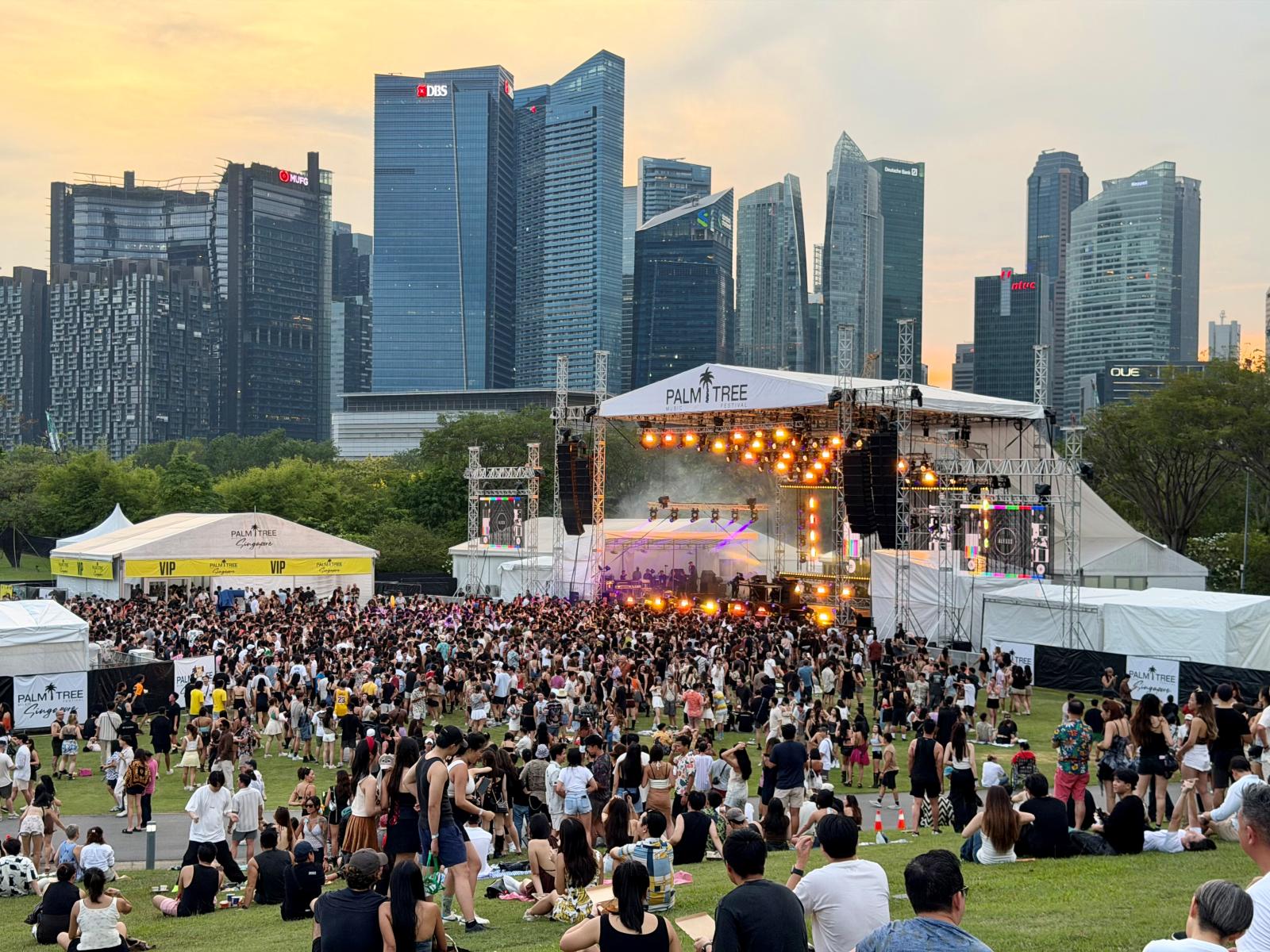
The final set has finished, the journey home is over, and suddenly you’re coming down from what might have been one of the most epic experiences of your year. For a few days, you were fully inside it; music everywhere, people everywhere, moments that felt bigger, brighter, and somehow more alive than normal life. Your phone is now full of photos and videos, your body feels tired in a way that is difficult to describe, and the event you anticipated for weeks or months is already behind you.
Feeling low after a festival is often described as the post-festival blues or a festival comedown. You might feel flat, emotional, unmotivated, lonely, or unable to become interested in your usual routine. Physical exhaustion, disrupted sleep, irregular meals, alcohol, travel, and several days of intense stimulation can all add to the experience.
This does not necessarily mean anything is seriously wrong. Festivals bring together music, movement, friendship, anticipation, novelty, and a temporary break from everyday responsibilities. Returning home can create a sharp contrast, particularly when your body is tired and there is nothing comparable to look forward to the following day.
Understanding what may be contributing to post-festival blues can make the experience feel less confusing. Recovery usually does not require a dramatic reset. Rest, regular food, gentle structure, connection, and time can all help ordinary life begin to feel familiar again.
If you are preparing for another event, the wider festival wellbeing guide explains how to protect your energy and enjoyment before, during, and after a festival.
Table of Contents
What Are Post-Festival Blues?
Post-festival blues describe a temporary period of sadness, flatness, tiredness, or emotional sensitivity after a festival ends. It is not a formal medical diagnosis, although phrases such as “after-festival depression” are often used informally online.
The experience can look different for different people. You might miss the music and people immediately, or you may initially feel relieved to be home before experiencing a dip a day or two later. Some people feel mostly physically exhausted, while others notice loneliness, irritability, poor concentration, low motivation, or a sense that ordinary life feels dull.
These feelings often have several overlapping causes. The emotional ending of an important experience matters, but so do lack of sleep, physical exertion, travel, dehydration, irregular eating, alcohol or other substances, and the sudden disappearance of an exciting shared routine.
Rather than looking for one explanation, it can be more useful to consider what your body and mind have been through over the previous few days.
Why Do You Feel Low After a Festival?
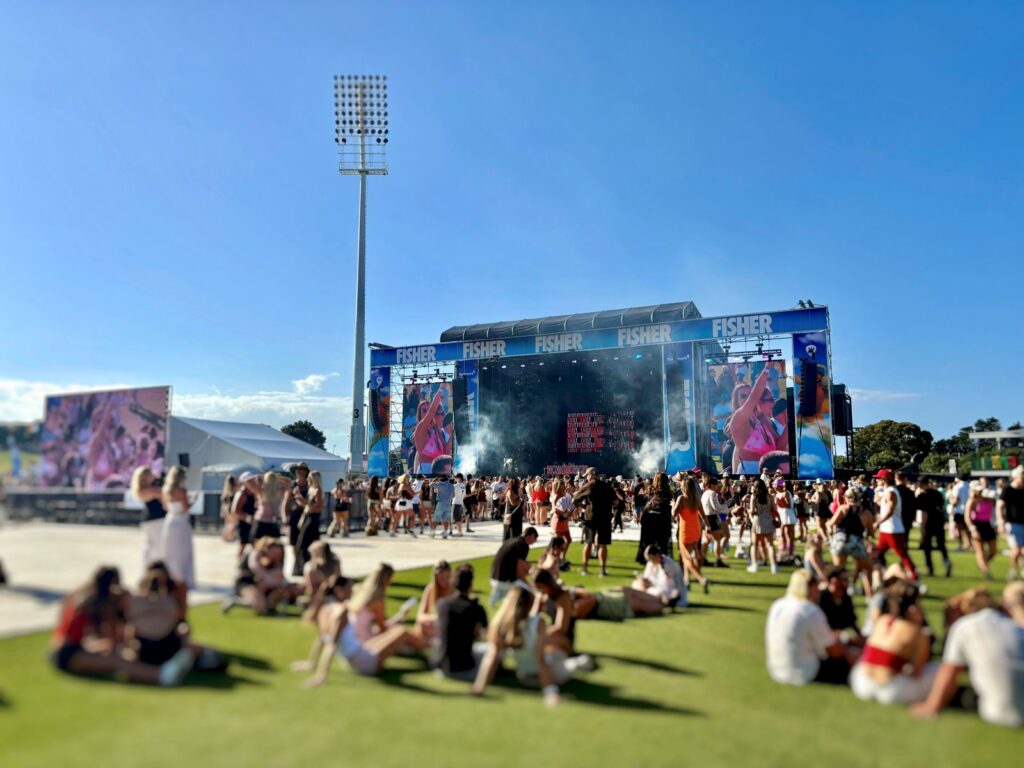
Festivals create a concentration of experiences that everyday life rarely matches. There may be loud music that you feel through your whole body, hours of movement, new performances, colourful environments, shared excitement, and very little empty time.
Your attention is repeatedly drawn towards something immediate: the next artist, finding friends, getting food, moving between stages, or joining the crowd when a favourite song begins. Even when the weekend is physically demanding, the excitement can make it easier to keep going.
Then the stimulation stops. You may go from a packed festival site to a quiet bedroom, a long journey home, or a normal working day within a matter of hours. Ordinary activities can temporarily feel less engaging beside what came before.
This does not mean everyday life has suddenly become inadequate. Contrast changes how an experience feels. When several intense and rewarding days end at once, quiet can initially feel more like emptiness than rest.
Anticipation Ends Alongside the Festival
Part of the emotional change begins before the event has even happened. You may have spent weeks following announcements, planning outfits, listening to artists, arranging travel, and talking about the festival with friends.
Anticipation can be enjoyable in its own right. It gives your attention somewhere positive to go and creates a sense of movement towards a valued experience. During the festival, that forward focus continues because there is nearly always another performance, meal, meeting point, or day ahead.
Once the festival is over, the experience and the anticipation disappear together. There is no next set to reach and no reason to check the schedule. If the event occupied a large amount of mental space beforehand, the absence can be noticeable.
This helps explain why people can feel low after a festival even when it went extremely well. The sadness is not necessarily evidence that something went wrong. It can reflect how meaningful and enjoyable the experience was.
Physical Exhaustion Can Affect Your Mood
A festival comedown is not purely psychological. Several days of short or disrupted sleep can affect mood, concentration, appetite, and emotional regulation. Heat, long periods of standing, walking between stages, travel, irregular meals, and dehydration may leave you feeling depleted once the excitement wears off.
Alcohol can also interrupt sleep and contribute to dehydration, even if it initially makes falling asleep feel easier. If other substances were involved, the after-effects can vary considerably depending on the substance, amount, combinations used, individual health, and other circumstances.
This is why the morning after a festival may not be the best time to draw broad conclusions about how you feel about your work, relationships, home, or future. Physical exhaustion can make ordinary problems feel heavier and enjoyable activities less appealing.
It can help to address your immediate physical needs before expecting your motivation and mood to return. If sleep was particularly difficult during the event, the guide to sleeping at a music festival also explains why festival sleep becomes disrupted and how to prepare differently next time.
Returning to Your Usual Identity Can Feel Strange
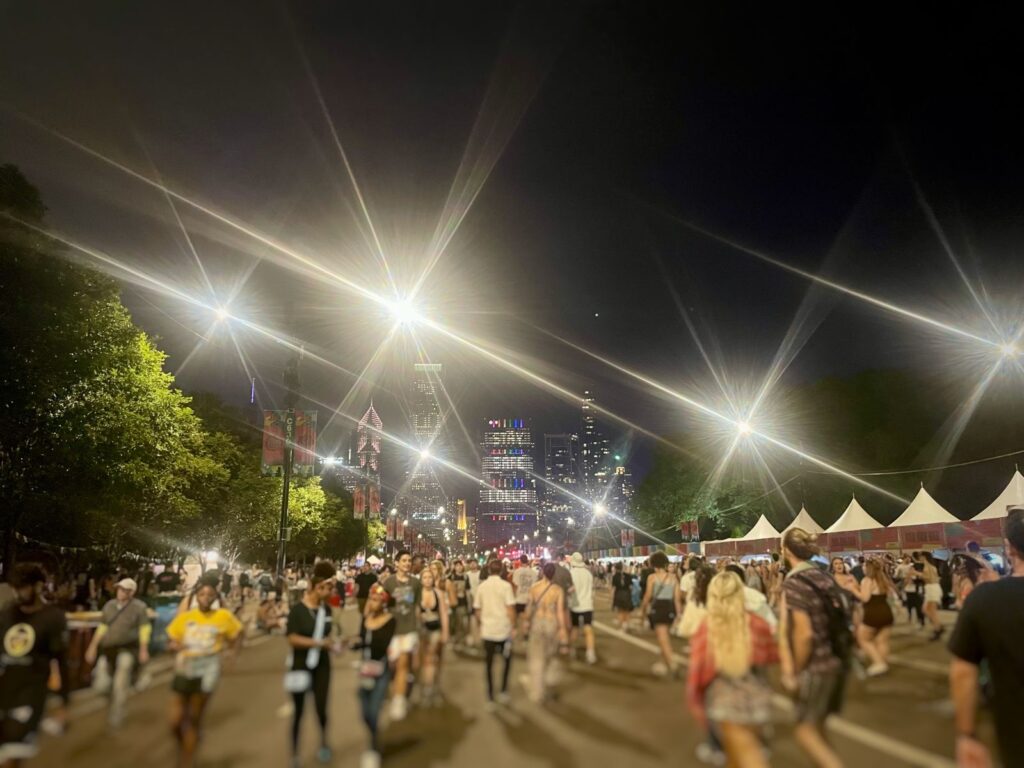
Festivals can temporarily reduce the number of roles you need to manage. For a few days, you may not be thinking as much about work, emails, household tasks, or longer-term decisions. Your day revolves around immediate needs and experiences: where to go, what to eat, who to meet, and which artist to see.
Some researchers use the term liminality to describe temporary periods in which ordinary roles and structures become less prominent. A festival can create this kind of in-between environment, although not everyone will experience it in the same way.
You may feel more expressive, sociable, spontaneous, or present than you do within your ordinary routine. Shared music and the feeling of being part of a crowd can also create a strong sense of belonging, including among people who did not know one another beforehand.
Coming home means returning to familiar responsibilities and a more individual routine. If you felt particularly connected or free during the festival, that return may bring a sense of loss alongside the tiredness.
Curious to explore the science behind this?
This blog draws on established behavioural science research and applies these principles to travel contexts. Sources are linked in our Evidence & Further Reading section.
How to Recover From Post-Festival Blues
The first day after a festival does not need to become an ambitious recovery project. Trying to repair your sleep, diet, fitness, workload, and home all at once may add pressure when you are already tired.
Where possible, allow for a transition day or a quieter evening. Focus first on the basics that have probably been disrupted: sleep, food, fluids, hygiene, and a manageable amount of structure.
Eat regular meals rather than trying to compensate for festival food by restricting what you eat. A combination of carbohydrates, protein, fruit or vegetables, and enough fluids can help you return to a steadier eating pattern. If you have been sweating heavily or dealing with hot weather, replacing fluids is particularly important. There is no need for an elaborate detox. Your body needs adequate food and rest.
Give yourself an opportunity to sleep, but try not to force an immediate perfect bedtime. A calm evening, lower light, familiar toiletries, and less stimulating phone use can make the return to routine feel more natural.
Gentle movement can also help if it feels comfortable. A short walk outside, stretching, or an easy swim may feel better than pushing through an intense workout while exhausted. The aim is to support recovery, not to make up for anything you ate, drank, or missed during the festival.
Reintroduce Routine Gradually
Returning to routine can be useful, but it does not need to happen all at once. Choose a few familiar points in the day, such as getting up at a reasonable time, showering, eating breakfast, going outside, or preparing for bed at your usual hour.
These small actions give the day some shape without demanding too much energy. Once you feel more rested, you can begin adding less urgent jobs and normal exercise back into your week.
If you have to return to work immediately, reduce unnecessary demands elsewhere where possible. An easy dinner, clean clothes prepared in advance, and fewer evening plans can make the first few days more manageable.
Recovery can also begin before an event. The guide to staying energised at a music festival covers pacing, food, movement, and breaks that may reduce the size of the physical crash afterwards.
Stay Connected Without Living Through the Festival Online
Missing the people you attended with can be a significant part of post-festival blues. Sending photos, checking that everyone arrived home safely, or arranging a casual catch-up can help preserve that connection.
Looking back on the festival can also help you hold onto the experience. I usually journal at the end of each day, or the following morning after a particularly big night, so I remember the sets, conversations, and smaller moments that might otherwise be lost. I have also returned to making physical photo albums, which turn those memories into something meaningful beyond hundreds of clips on my phone.
Notice how revisiting the festival leaves you feeling. If photos and videos bring back warmth and connection, enjoy them. If repeated scrolling or comparison makes the present feel emptier, take a break and return to something happening around you now.
Give Yourself Something Small to Anticipate
After months of looking forward to one major event, an empty calendar can make the emotional drop more noticeable. Planning something pleasant can restore a sense of forward movement, but it does not need to involve buying another expensive festival ticket.
A meal with the friends you attended with, a favourite class, a cinema trip, a walk somewhere green, or an evening listening to the artists you discovered can all provide a nearer point of anticipation.
The plan should feel appealing rather than like another obligation. The aim is not to replace the festival immediately. It is to remind yourself that enjoyment, music, friendship, and novelty are still available in smaller forms.
If cost is part of the emotional aftermath, particularly after spending more than planned, the guide to festival financial anxiety offers a calmer way to review the cost without allowing regret to overwrite the experience.
Bring One Part of the Festival Home
The qualities you enjoyed at a festival do not have to remain entirely within the event. You may have loved moving for several hours, spending most of the day outside, talking to new people, dressing more creatively, or being fully absorbed in music.
Choose one element that is realistic to continue. That might mean listening to a full album without using your phone, attending more live music locally, inviting friends to do something during the week, or adding more outdoor movement to your routine.
This is not about recreating festival intensity at home. It is a way to notice what the experience showed you about enjoyment, connection, or how you like to spend your attention.
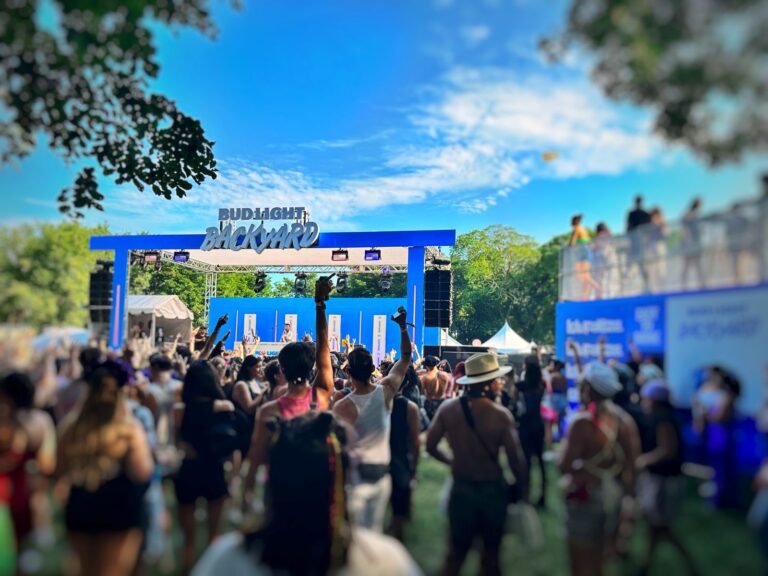
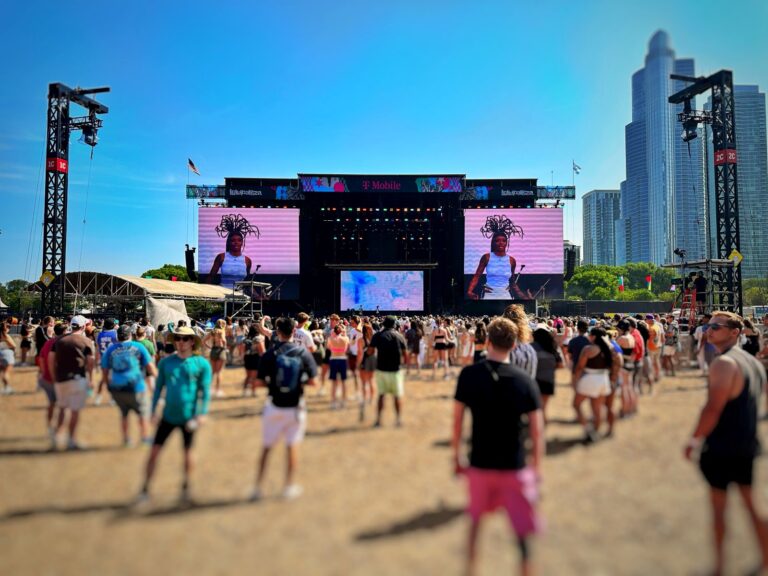
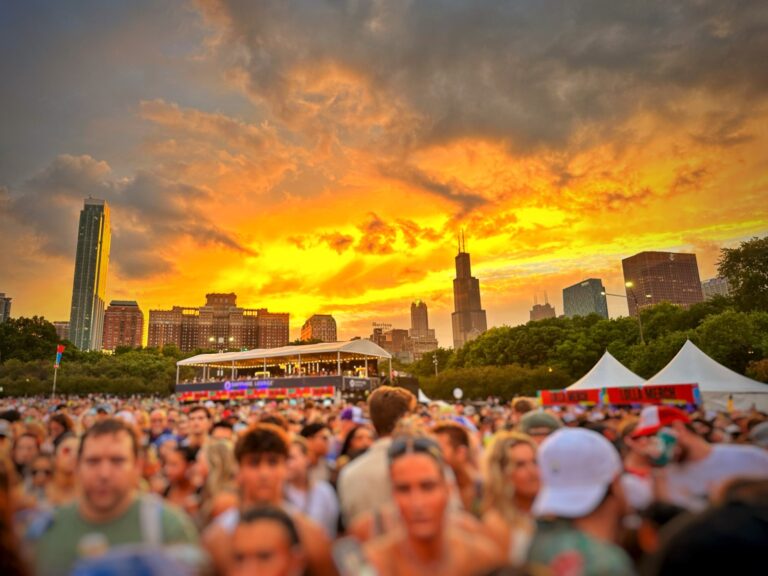
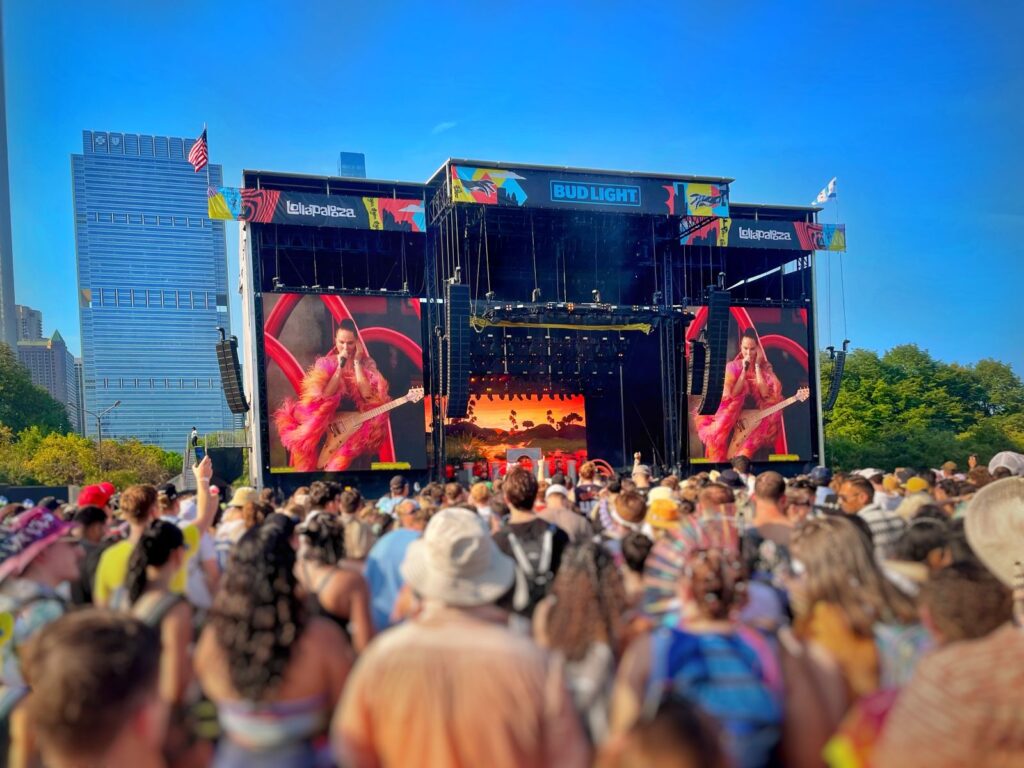
At Lollapalooza, seeing SOFI TUKKER perform was a turning point for me; I had heard them on the radio before but never really listened in depth. Instead of only feeling sad it was over, I felt excited to have discovered a new artist, and in the first couple of days after the festival I went for walks listening to their tracks and shared clips and photos with friends. Since then I’ve seen them live three more times and now listen almost daily, which made the post-festival comedown feel more like a continuation than an ending.
How Long Do Post-Festival Blues Last?
There is no fixed timeline. A short period of tiredness or flatness may ease over several days as you sleep, eat regularly, return to routine, and emotionally process the end of the event.
Recovery may take longer after a multi-day camping festival, international travel, substantial sleep loss, illness, or alcohol or substance use. Your normal responsibilities and the amount of recovery time available will also make a difference.
Try not to judge the whole experience from how you feel during the first exhausted day at home. Give your body and attention time to adjust before deciding that you should already feel completely normal.
When Feeling Low Needs More Support
“After-festival depression” is commonly used as a search phrase, but post-festival blues are not the same as a diagnosis of depression.
If your low mood is persistent, becoming more severe, interfering with everyday life, or accompanied by hopelessness, seek professional support rather than assuming it is only a festival comedown.
Post-Festival Blues FAQs
Is It Normal to Feel Depressed After a Festival?
A temporary period of sadness, flatness, or tiredness after a festival is commonly described as post-festival blues. It may reflect emotional contrast, the end of anticipation, physical exhaustion, disrupted sleep, and missing the people or atmosphere. Persistent or severe symptoms should not automatically be attributed to the festival.
Why Does Everything Feel Boring After a Festival?
A festival offers unusually concentrated music, movement, novelty, social connection, and anticipation. Everyday activities may temporarily feel less engaging by comparison, particularly while you are tired. This contrast generally becomes less prominent as you recover and reconnect with ordinary sources of enjoyment.
Does Sleep Help a Festival Comedown?
Adequate sleep can help with physical tiredness, concentration, and emotional regulation after disrupted festival nights. It may take several nights for your usual pattern to return, especially after a long event or substantial travel.
Should I Exercise After a Festival?
Gentle movement may feel helpful, but there is no need to complete a demanding workout while you are exhausted, dehydrated, injured, or unwell. Let your physical condition guide the type and intensity of movement.
How Can I Prepare for the Next Festival?
Plan for recovery as part of the event rather than treating it as an afterthought. If possible, protect the following day, prepare an easy meal, leave water and clean bedding ready, and avoid filling your first evening home with extra commitments. The festival wellbeing packing list can help you pack around sleep, energy, comfort, and recovery.
Let the Festival Become a Good Memory
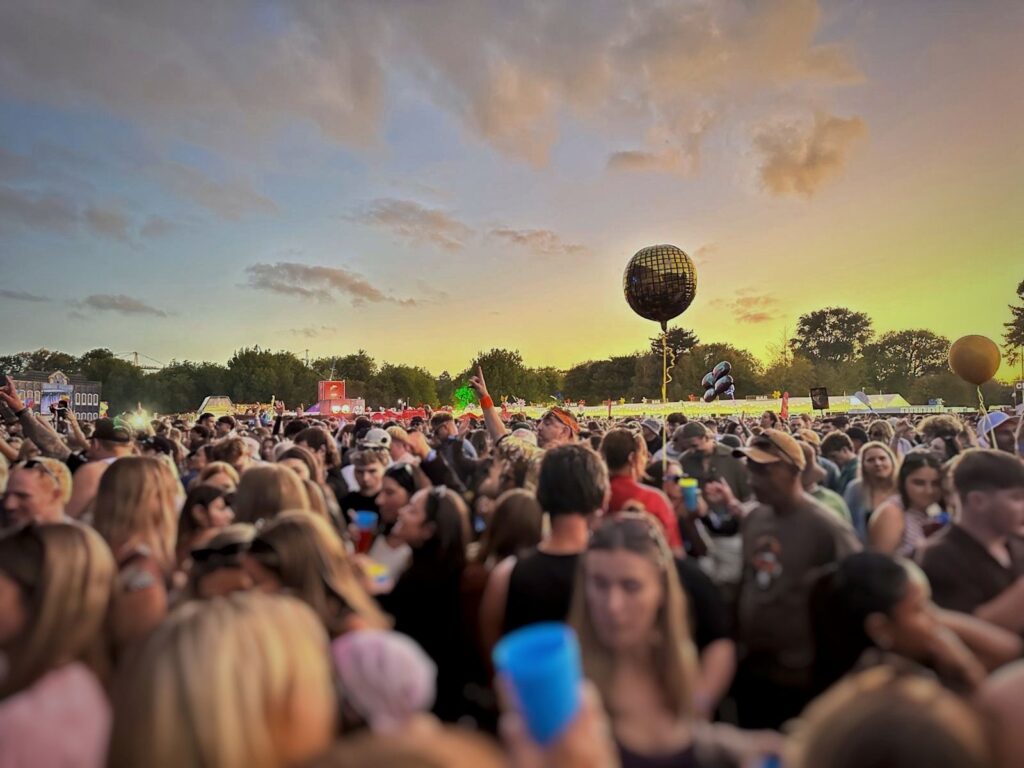
Feeling low after a festival does not cancel out how enjoyable or meaningful it was. It may reflect a combination of tiredness, contrast, lost anticipation, and missing a place where you felt connected and present.
Give yourself time to rest, eat, reconnect, and find a manageable rhythm again. You can enjoy the photos, miss the music, and wish you were still there without needing to remain caught in the comedown.
As your energy returns, the sharp sense of ending usually begins to soften. What remains is the part worth keeping: the performances you loved, the people you shared them with, and the anticipation of doing something joyful again.
For more psychology-informed guidance on enjoying travel, festivals, and everyday adventures while supporting your wellbeing, explore Nomadic Balance.
This article is for general informational purposes only and is not intended to replace personalised medical, psychological, or professional advice.