How To Survive A Two-Day Music Festival
The first day of a music festival can feel effortless. You have waited months for it, the site is full of energy, and there is always another artist, stage, or moment pulling you forward. You can spend hours walking and dancing without fully noticing how tired you are becoming.
Day two can feel different. Your legs may be sore, your sleep may have been shorter than usual, and the same crowds that felt exciting yesterday can require a little more patience. There is still another brilliant line-up ahead, but you are no longer starting with completely fresh energy.
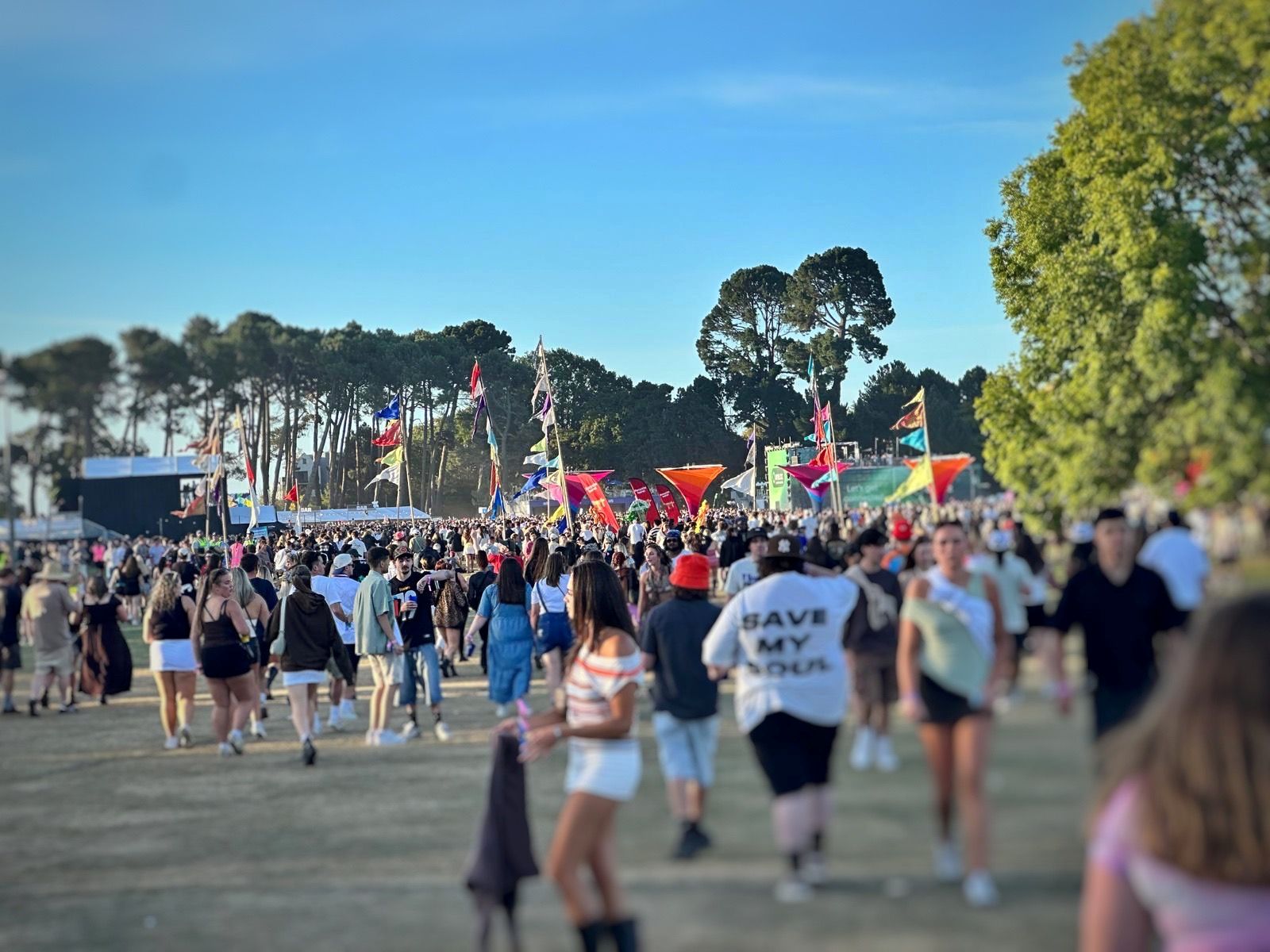
I noticed this at Electric Avenue, a two-day music festival in Christchurch, New Zealand. The first day felt exciting and full of momentum. By the second afternoon, the accumulated walking, crowds, and late night were much more noticeable. Across the weekend, my watch recorded more than 50,000 steps, which explained why my legs were feeling it.
Learning how to survive a two-day music festival is not about following a strict wellbeing routine or spending the weekend conserving energy. It is about making a few practical choices that leave you with enough energy for the artists you came to see.
Although this guide focuses on two-day festivals, the same ideas can help during the later days of longer events such as Coachella, Glastonbury, and Lollapalooza, when several days of music, walking, crowds, and shorter nights begin to add up.
For a broader approach to wellbeing before, during, and after an event, our festival wellbeing guide covers energy, sleep, food, overstimulation, and recovery.
Table of Contents
Why Does Day Two of a Festival Feel So Tiring?
A two-day music festival may not sound particularly demanding, but festival days are rarely comparable with ordinary days.
You may spend hours standing and dancing, walk repeatedly between stages, eat at different times, drink less water than usual, and stay surrounded by music and crowds from afternoon until late at night. Once the final set finishes, you still need to leave the venue, travel back, find something to eat, and wind down.
Festival fatigue usually comes from these smaller demands adding up. Day one begins after normal rest and weeks of anticipation. Day two begins after you have already completed one long festival day.
Tiredness can also change how the environment feels. A queue that barely registered on day one may become irritating, while a dense crowd can feel less exciting when your legs already hurt. This does not mean day two will be worse. It may just need a slightly different pace.
Why Day One Energy Can Be Misleading
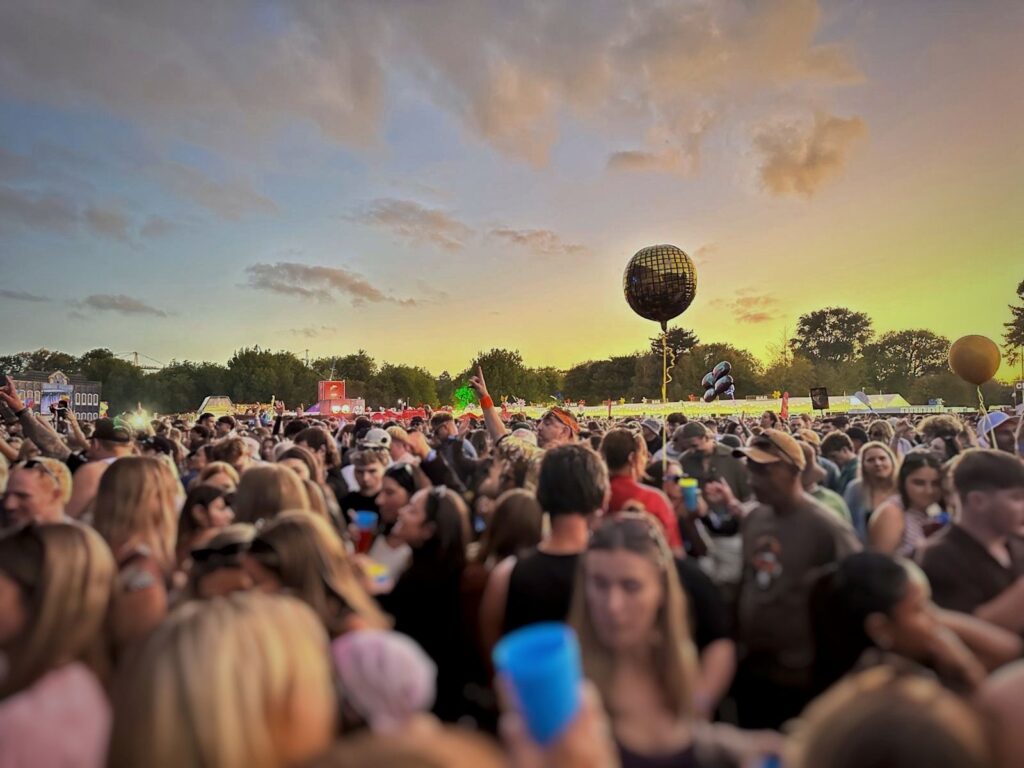
Anticipation is part of the fun. Before the festival, you may spend weeks listening to the line-up, planning outfits, organising transport, and imagining the performances you most want to see.
Once you arrive, everything is new. The crowd is building, the stages are finally in front of you, and the excitement can make you feel as though you have endless energy. Research suggests that novelty naturally captures attention and supports engagement, which may partly explain why day one feels so energising.
That momentum can also make it easy to skip meals, forget water, or cross the festival site several extra times without thinking about tomorrow. None of this will necessarily ruin day two, but it helps to remember that the tiredness is still accumulating even when you cannot feel it yet.
The answer is not to hold back from every spontaneous moment. Sit down when there is a natural gap, eat before you become desperately hungry, and save your biggest effort for the performers you genuinely want to experience from the middle of the crowd.
Curious to explore the science behind this?
This blog draws on established behavioural science research and applies these principles to travel contexts. Sources are linked in our Evidence & Further Reading section.
Preparing for a Two-Day Music Festival
A little preparation can remove some of the annoying problems that drain energy during a festival.
Check the forecast, transport arrangements, bag rules, water availability, and site map before you go. Choose comfortable shoes that you have already worn for long periods, especially if the festival involves large distances between stages.
It also helps to select your priority artists in advance. Many festival apps allow you to create a personalised schedule, making it easier to see where you have a gap for food or a break. You do not need to plan every minute, but deciding which performances matter most can prevent unnecessary racing between stages.
Pack for the night between festival days too. Water, an easy snack, clean clothes, a charged phone, earplugs, and an eye mask can make the return to your accommodation easier without requiring an elaborate recovery kit.
Our festival wellbeing packing list can help you focus on the items that support sleep, energy, comfort, and recovery.
Do Not Waste All Your Energy on Artists You Do Not Care About
One of the easiest ways to make a two-day festival more manageable is to be selective.
Not every gap needs to be filled with another performance. If there is an artist you feel indifferent about, that may be the ideal time to eat, refill your bottle, sit down, or explore a quieter part of the site.
This does not mean standing at the back for the entire weekend. If being close to the stage for your favourite performer matters to you, save your energy for that. A calmer set earlier in the day may be what allows you to enjoy the headliner properly later.
At Electric Avenue, the amount of walking was one of the biggest contributors to tiredness. My watch recorded just over 50,000 steps across the two days, much more movement than I would normally complete over a weekend.
Large sites can involve repeated trips between stages, food stalls, water stations, lockers, and meeting points. Looking at the map and grouping a few nearby activities can save unnecessary walking without making the festival feel overly planned.
If you want more detailed advice for managing energy throughout the day, How to Stay Energised at a Festival covers pacing, food, hydration, and protecting your favourite performances.
Can I Just Buy A Ticket To One Day Of A Festival?
Yes, absolutely, provided the festival offers single-day tickets. You do not have to attend the entire weekend to have a worthwhile festival experience.
A one-day ticket may be the better option if most of the artists you genuinely care about are performing on the same day, your budget is tight, or you do not think you would have enough energy to enjoy a second full day. It can also leave you with more money for travel, accommodation, food, or another event later in the year.
Choose the day with the line-up you would be most disappointed to miss, then enjoy it fully without treating the rest of the festival as something you should have attended. The best-value ticket is not necessarily the one that gives you the most hours at the festival. It is the one that gives you the experience you actually want.
Eat, Drink, and Then Get Back to the Music
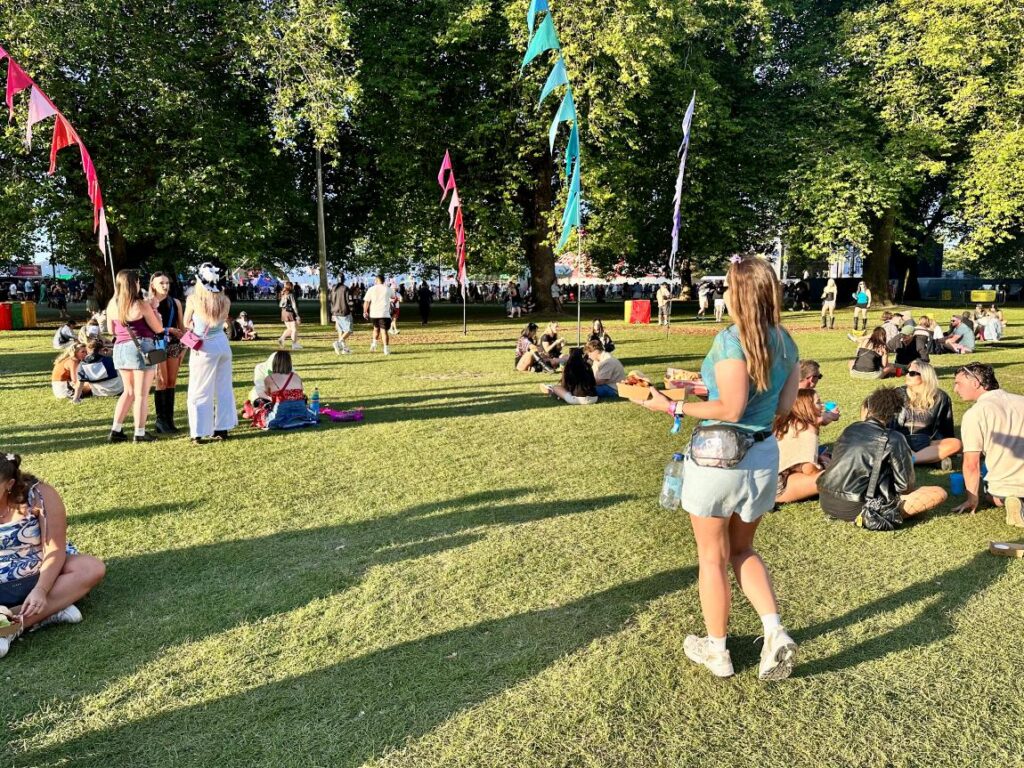
Festival food does not need to be perfectly nutritious. It needs to give you enough energy to continue walking, dancing, and enjoying the performances.
Try to eat before you reach the point where hunger starts distracting you from the music. A reasonably substantial meal containing carbohydrates and protein can be helpful, but the practical priority is choosing something available, enjoyable, and suitable for your dietary needs.
Check whether the festival allows snacks and refillable bottles. If you are staying in a hotel or somewhere with a kitchen, having breakfast before day two can be easier and cheaper than relying entirely on festival stalls.
Drink water regularly, particularly in hot weather or if you are drinking alcohol. Finding the water stations when you first arrive makes this much easier than searching for them once you are already thirsty.
You do not need to monitor every drink or turn the festival into a nutrition exercise. Eating something decent, carrying water where permitted, and avoiding several hours without either will cover much of what matters.
Make the Night Between Festival Days Easy
When you return after day one, focus on the few things that will make the morning easier. Drink some water, eat if you are hungry, charge your phone, and put aside what you need for the next day.
You may get less sleep than usual. Travel from the venue, excitement, noise, alcohol, and an unfamiliar room can all delay bedtime. Give yourself the best chance of sleeping by keeping earplugs or an eye mask nearby and making the room comfortable where possible.
There is no need to create a perfect bedtime routine after a huge night. A shower, clean clothes, some water, and getting into bed without another hour of scrolling may be enough.
If sleep is often difficult away from home, Sleeping Well While Travelling explains how unfamiliar environments, light, noise, and changed routines can affect rest.
Arrive Early and Ease Into Day Two
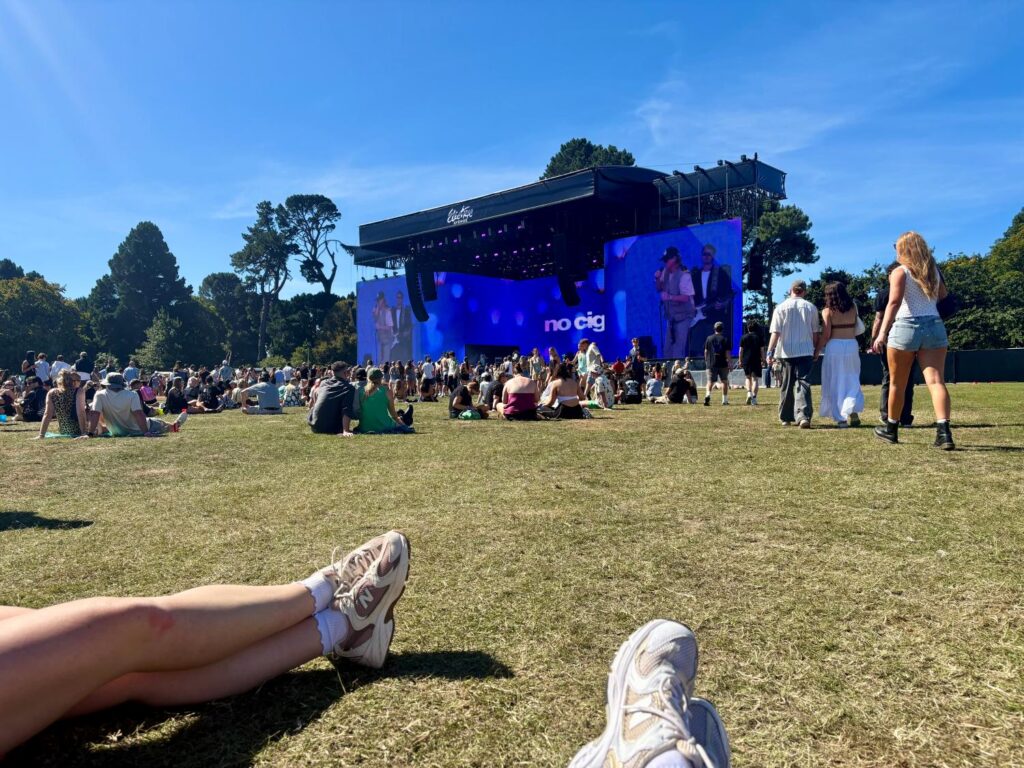
At Electric Avenue, we arrived earlier on the second day, before the venue had filled. After finding the first day’s crowds quite intense, entering while the site was still calmer made a noticeable difference.
Arriving early does not mean immediately repeating the pace of day one. It gives you time to enter without the largest queues, find food or water, and begin with a quieter performance before the busiest part of the day.
This can be particularly helpful if dense crowds feel more tiring when you are already low on energy. Starting near the edge of the audience or watching an early set from farther back allows you to settle in before deciding where you want to be later.
Day two does not need to match day one. You might spend longer at one stage, watch some artists from a more comfortable position, or sit down during a gap. Take a break before sore legs or hunger begin distracting you from the music.
I have found that expecting to feel a little slower on day two makes the tiredness less frustrating. You are not trying to recreate the first-day rush. You still have a full day of performances ahead, and the anticipation of a favourite artist later can create its own momentum.
If Your Energy Suddenly Drops
If you suddenly feel exhausted, find somewhere to sit, have some water and food, and give yourself a few minutes away from the busiest part of the crowd. You may feel much better after a short break.
If you feel seriously unwell, faint, confused, overheated, or unable to recover, use the festival’s medical facilities rather than trying to push through.
Missing part of one performance can be disappointing, but it may allow you to enjoy far more of the rest of the festival.
Two-Day Festival FAQs
How Do You Keep Your Energy Up for a Two-Day Festival?
Eat enough, drink regularly, wear comfortable shoes, and use natural gaps in the schedule to sit down. Prioritise the performers you most want to see rather than trying to fill every minute.
Can I Buy A Ticket For Just One Day Of A Festival?
Yes, if the festival sells single-day tickets. This can be a good option when your favourite artists are concentrated on one day, your budget is limited, or you would enjoy one full festival day more than trying to sustain your energy across the entire weekend.
Why Am I More Tired on the Second Day?
You are starting day two after already spending hours walking, standing, dancing, socialising, and processing music and crowds. You may also have slept less than usual. The tiredness generally reflects these factors accumulating rather than one single cause.
Should I Arrive Early on Day Two?
Arriving early can allow you to enter before the biggest crowds and begin the day at a calmer pace. Use the quieter opening hours to eat, find water, explore the site, or watch a less intense set before the main performances begin.
What Should I Eat Between Festival Days?
Choose something enjoyable and substantial enough to support another active day. Breakfast or a familiar meal containing carbohydrates and protein can be useful, but it does not need to be a perfect recovery meal.
Does This Advice Apply to Longer Festivals?
Yes. At festivals such as Coachella, Glastonbury, and Lollapalooza, the effects of walking, crowds, late nights, and disrupted routines can become more noticeable with each day. Choosing priority performances, eating regularly, and taking occasional breaks becomes even more useful across a longer event.
Enjoy Both Days of the Festival
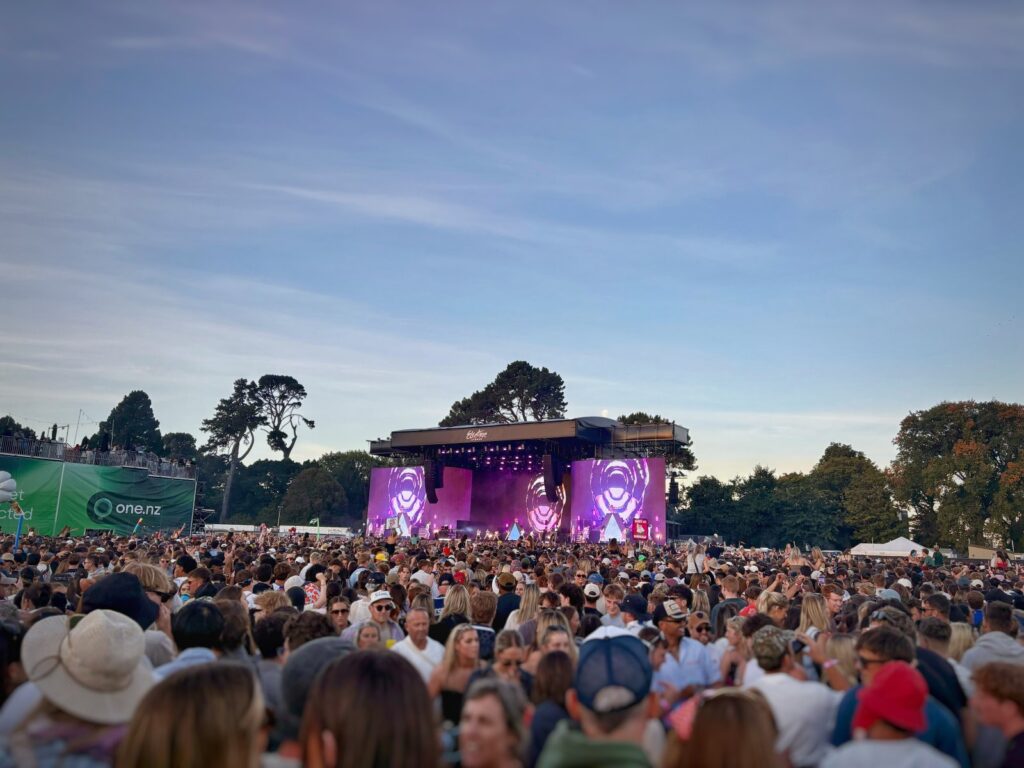
A two-day music festival can be tiring, but it can also be one of the best weekends of your year. There is the excitement of arriving, discovering the site, seeing favourite artists, sharing the experience with friends, and waking up knowing you still have another full day of music ahead.
Some of my clearest Electric Avenue memories are not about managing tiredness. They are about the performances, the atmosphere, and being completely immersed in the event. The practical choices mattered because they helped us enjoy more of those moments.
You do not need to conserve every step, eat perfectly, or follow a strict recovery routine. Wear comfortable shoes, eat and drink before you feel awful, take the occasional break, and keep enough energy for the artists you are most excited to see.
For more psychology-informed guidance on enjoying festivals and travel while supporting your wellbeing, explore Nomadic Balance.
This article is for general informational purposes only and is not intended to replace personalised medical, psychological, or professional advice.