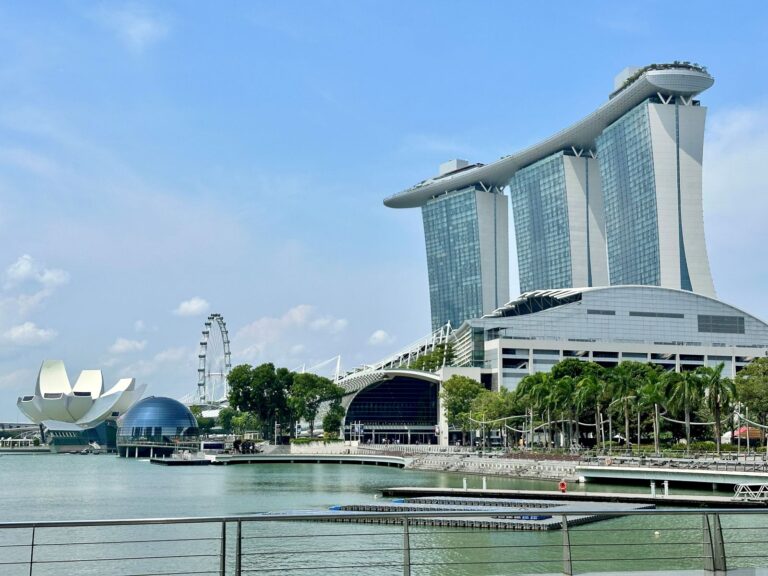
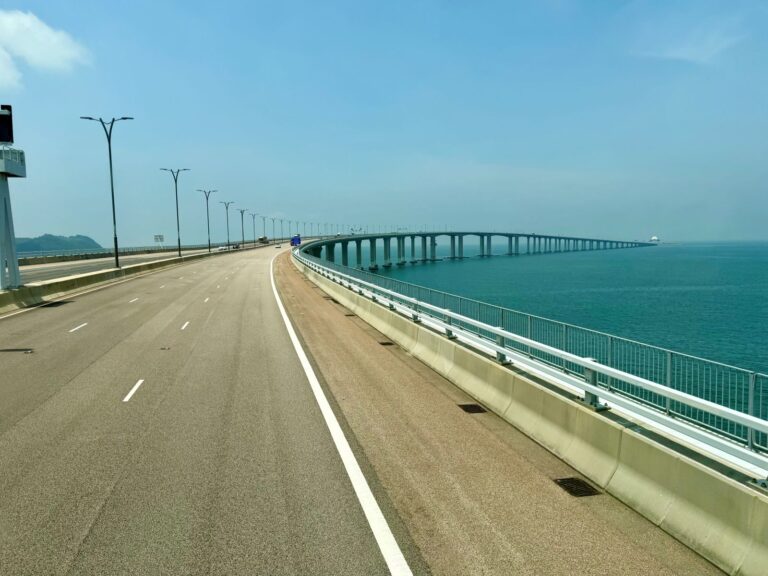
Hong Kong Vs Singapore For A First Trip To Asia: Which City Feels Easier?
Choosing your first city in Asia is not only about which place looks more exciting. It is also about how you want to feel when you arrive.
Both Hong Kong and Singapore are excellent first-time Asia destinations. They are well connected, rich in food and culture, and easier to navigate than many major cities. But they do not feel the same.
Singapore tends to feel organised, predictable, and easier to settle into. Hong Kong feels faster, denser, more sensory, and more dramatic. For nervous or easily overwhelmed travellers, that difference matters.
This guide compares Hong Kong vs Singapore through a wellbeing lens, especially if you are prone to travel anxiety, overstimulation, food stress, or decision fatigue. It is based on my own experience travelling in both cities, with a focus on how each one feels when you are tired, jet-lagged, anxious, or easing into Asia for the first time.
This is the kind of travel decision Nomadic Balance is built around: not just where to go, but how to travel in a way that supports your wellbeing once you get there.
Table of Contents
Hong Kong Vs Singapore: The Quick Answer
For nervous or easily overwhelmed travellers, Singapore is usually the easier first choice. It feels more organised, manageable, and straightforward, especially in the first few days after a long flight.
Hong Kong is also a strong first-time Asia destination, but it is faster, denser, more vertical, and more sensory. For some travellers, that intensity feels exciting and unforgettable. For others, especially during a first solo trip or while adjusting to jet lag, it can feel like too much too soon.
Choose Singapore if you want a softer, lower-stress start to Asia. Choose Hong Kong if you already enjoy big cities and want a more vivid trip with harbour views, ferries, hiking, dense street life, and strong urban contrast.
Arrival Stress: Is Singapore Or Hong Kong Easier To Land In?
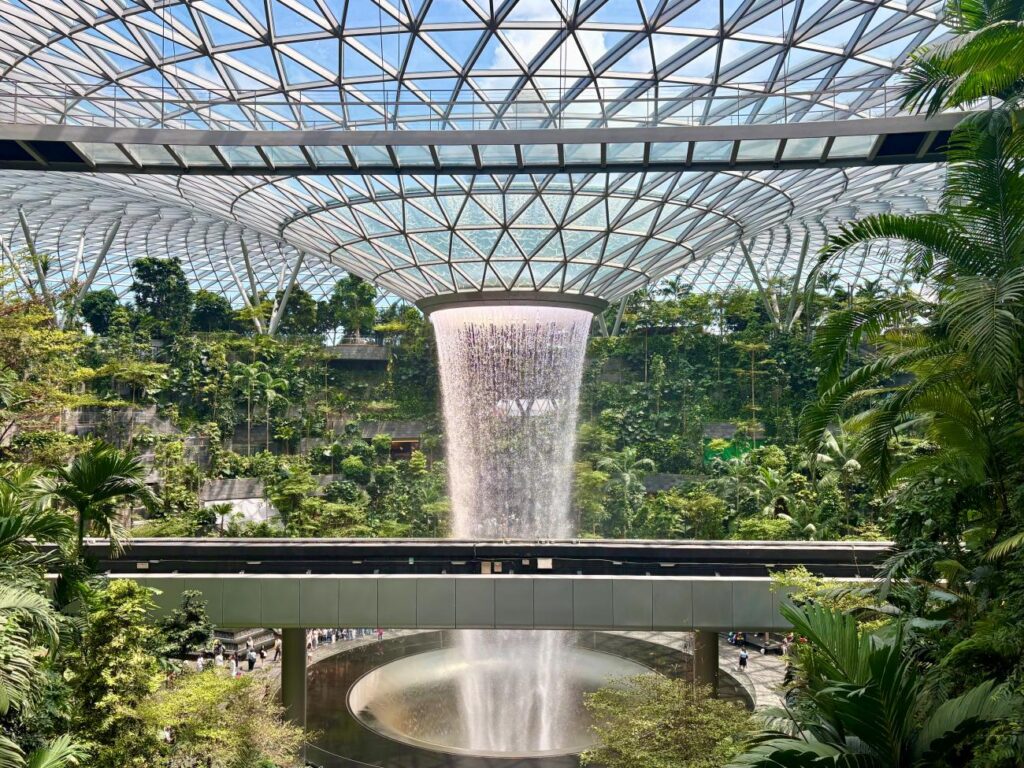
The first hour in a new city can shape the whole first day. After a long flight, you may be dehydrated, sleep deprived, hungry, hot, overstimulated, and trying to make decisions while carrying luggage. A destination that sounded exciting from home can feel very different when you are standing in arrivals working out transport, money, mobile data, and where your hotel actually is.
This is also why arrival logistics matter psychologically. When you are tired, hungry, and overstimulated, even small choices can feel harder than they would at home.
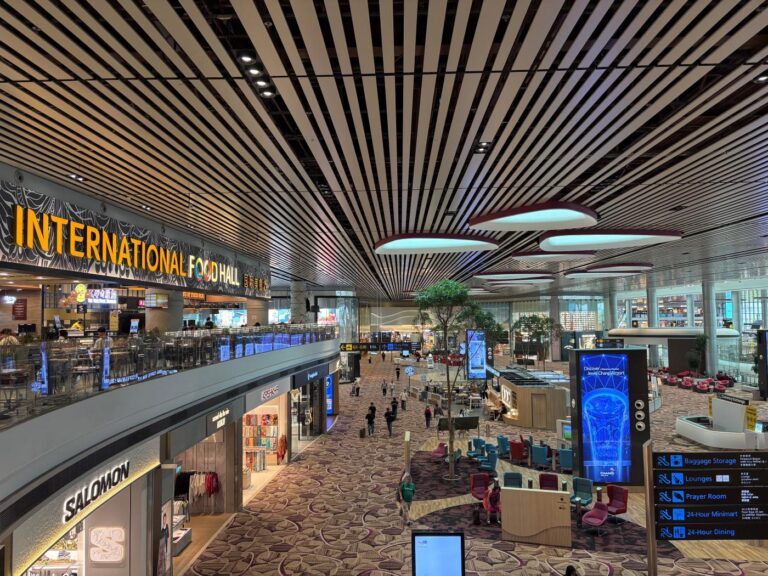
This is where Singapore has a clear advantage. Changi Airport is easy to move through, and the city tends to feel calm and legible on arrival. Clear signage, simple transport connections, contactless payment options, and general organisation make it easier to get from “I have just landed” to “I am in my hotel room and can breathe.”
Hong Kong also has strong airport connections and excellent public transport, but the transition into the city can feel more stimulating. The density, speed, high-rise landscape, humidity, crowds, and sound can all hit quickly. That does not make Hong Kong difficult, but it does mean your first day needs more care.
Public Transport In Hong Kong Vs Singapore
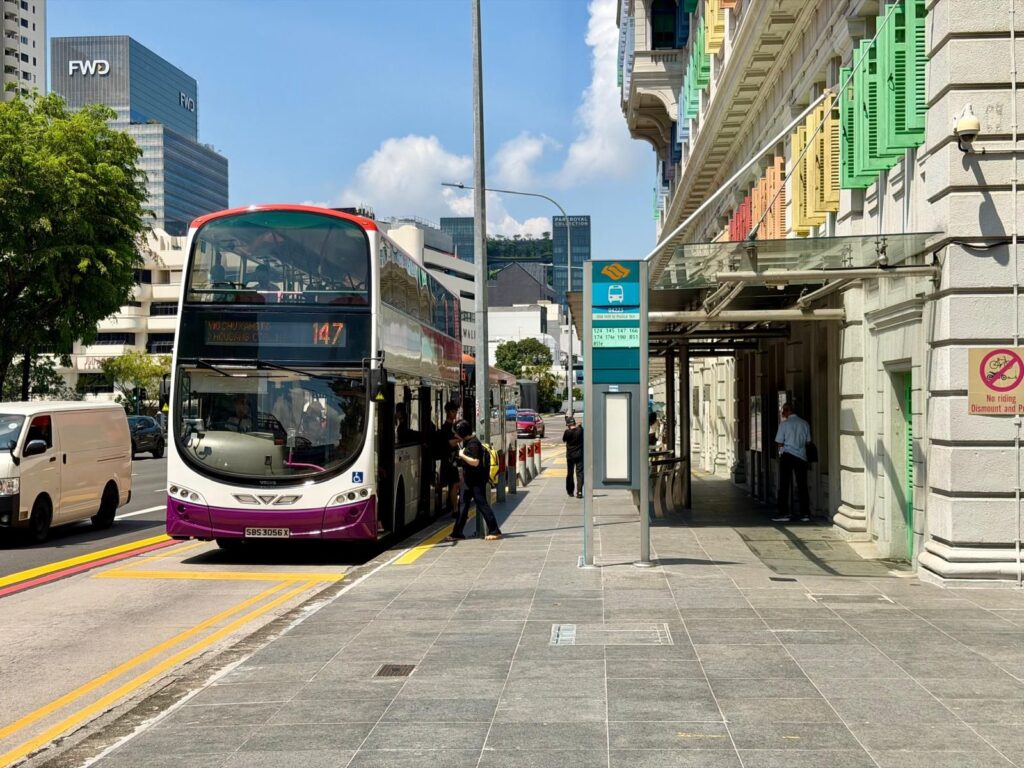
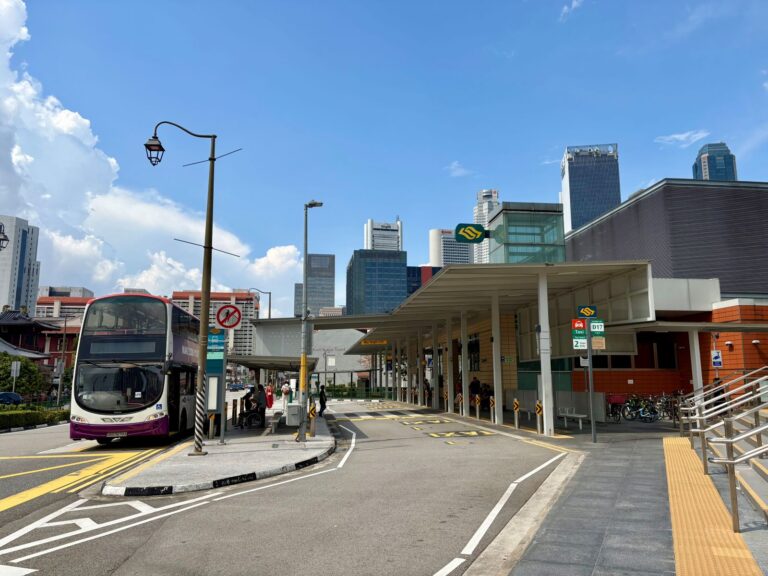
Both Singapore and Hong Kong have excellent public transport, but Singapore feels easier when you are new, tired, or anxious. The MRT is clean, clear, and simple to understand, with manageable distances between key areas. If you are worried about getting lost, missing stops, or feeling trapped in crowded transport, Singapore is likely to feel less stressful.
Hong Kong’s transport is also efficient and useful for visitors. The MTR, trams, ferries, buses, and walking routes can become part of the experience, not just a way to get around. However, it can feel more intense at first because the city itself is denser and faster. Stations can be busy, walking routes may involve overpasses, escalators, steep streets, and crowds, and the first few journeys can take more mental energy.
For an anxious first-time Asia traveller, Singapore’s public transport system is usually less overwhelming. For both cities, our guides to using public transport in Singapore and Hong Kong can help the first few journeys feel easier before you arrive.
Crowds, Noise And Sensory Overload In Hong Kong Vs Singapore
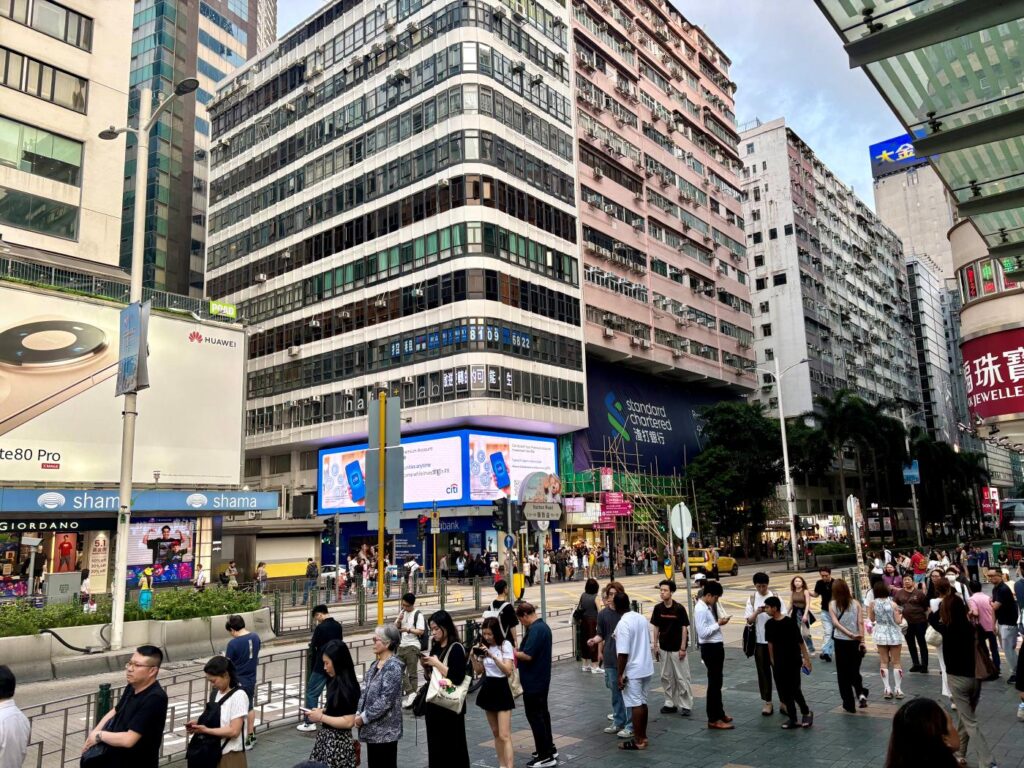
This is one of the biggest differences between Singapore and Hong Kong. Singapore is a major city, and it can still be hot, busy, and tiring. But the intensity often feels softened by order. Streets tend to feel more spacious and many visitor areas are designed to be easy to move through. There are plenty of air-conditioned spaces, green areas, waterfront walks, shopping centres, museums, gardens, and hotels where you can step out of the heat and reset.
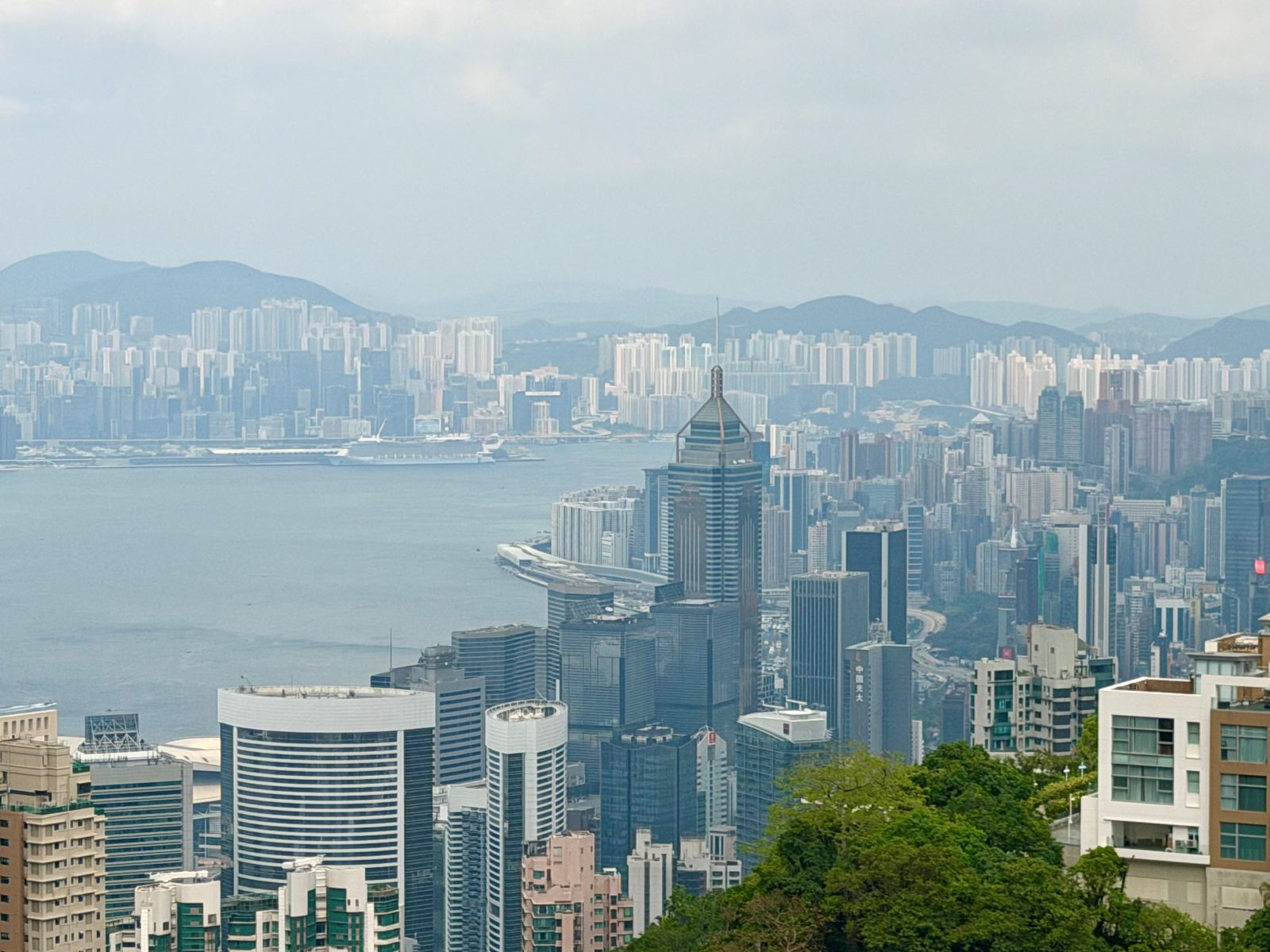
Hong Kong has a different energy. It is compact, vertical, fast, and visually dense. The city can feel like it is layered on top of itself: roads, walkways, towers, markets, escalators, ferries, hills, malls, and harbour views all compressed into a small space. That is part of what makes it extraordinary, but it can also be a lot for your body and attention. Dense cities do not only tire your body; they also ask your attention to keep filtering sound, movement, signs, people, traffic, and route decisions.
If you are sensitive to sound, crowds, heat, or visual stimulation, Hong Kong may require more deliberate pacing. You may need to alternate high-stimulation areas with quieter spaces. You may need to avoid doing too many neighbourhoods in one day. You may need to accept that “one big thing, done slowly” is a better strategy than trying to maximise every hour.
A calmer Hong Kong itinerary might include one busy urban area in the morning, a long lunch break, and an outdoor or harbour-based reset later in the day. You could visit Central or Mong Kok, then recover with the Star Ferry, a slower waterfront walk, or a hike on another day. Our guide to easy hikes in Hong Kong covers this further.
Singapore usually requires less active sensory management. Hong Kong is easier to enjoy when you build in recovery time instead of moving from one busy area straight into another.
Weather And Heat In Singapore Vs Hong Kong
Both cities can feel hot, humid, and physically tiring, especially if you are arriving from a cooler climate. The difference is predictability. Singapore is warm and humid year-round, often sitting around 30°C, while Hong Kong has more seasonal variation.
In Singapore, you can plan around the heat from the start. Early mornings, shaded walks, hotel breaks, museums, gardens, shopping centres, and slower afternoons can all make the city feel easier on the body. The heat is still real, but it becomes easier to manage once you understand the rhythm of the day.
Hong Kong can be more comfortable in cooler months, especially if you want to walk, hike, or spend longer periods outdoors. In hot and humid months, the city’s density can make the heat feel more intense, particularly around steep streets, crowded stations, and busy neighbourhoods.
For a lower-effort first arrival, Singapore may feel easier because you can assume heat and plan around it. For outdoor recovery, Hong Kong can be more rewarding when the weather is on your side, especially if you want hiking, harbour walks, and sea views.
Food, Dietary Needs And Gluten-Free Travel In Singapore Vs Hong Kong
Food can be one of the most enjoyable parts of travel, but it can also become a major source of stress if you have dietary requirements, food anxiety, digestive issues, or a strong need to know what you are eating. I always get excited about food when we travel, but I also know that trying something new can sometimes affect the rest of the day. When food decisions feel uncertain, they take up more mental space than they should, especially when you are already managing heat, jet lag, and unfamiliar surroundings.
Which City Is Easier For Gluten-Free Travellers?
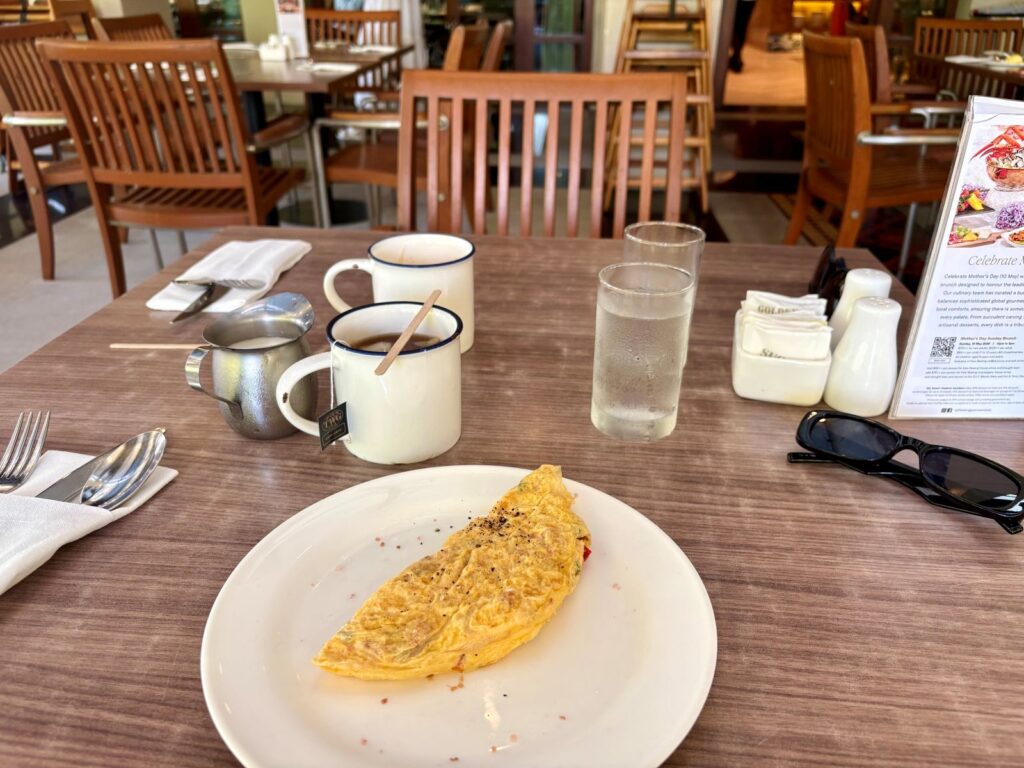
For gluten-free travellers, Singapore is generally easier than Hong Kong. It is not effortless, and you still need to check ingredients and cross-contamination risks, but the overall level of English, international restaurants, health-conscious cafes, hotel dining, and clear communication can make the process feel more manageable.
This can make a big difference to your travel experience. When food feels safe and understandable, you have more energy for the actual destination. You are not spending half the day scanning menus, worrying about whether something contains gluten, or choosing between hunger and uncertainty.
Hong Kong is possible gluten-free, but it can require more preparation. Language, sauces, shared cooking spaces, and menu assumptions may create more friction. That does not mean you cannot eat well there. It means you may want to plan a few reliable options before you arrive and avoid leaving every meal to chance.
You can see our guides on gluten-free food in Singapore and gluten-free food in Hong Kong for more on this.
Which City Creates Less Food Decision Fatigue?
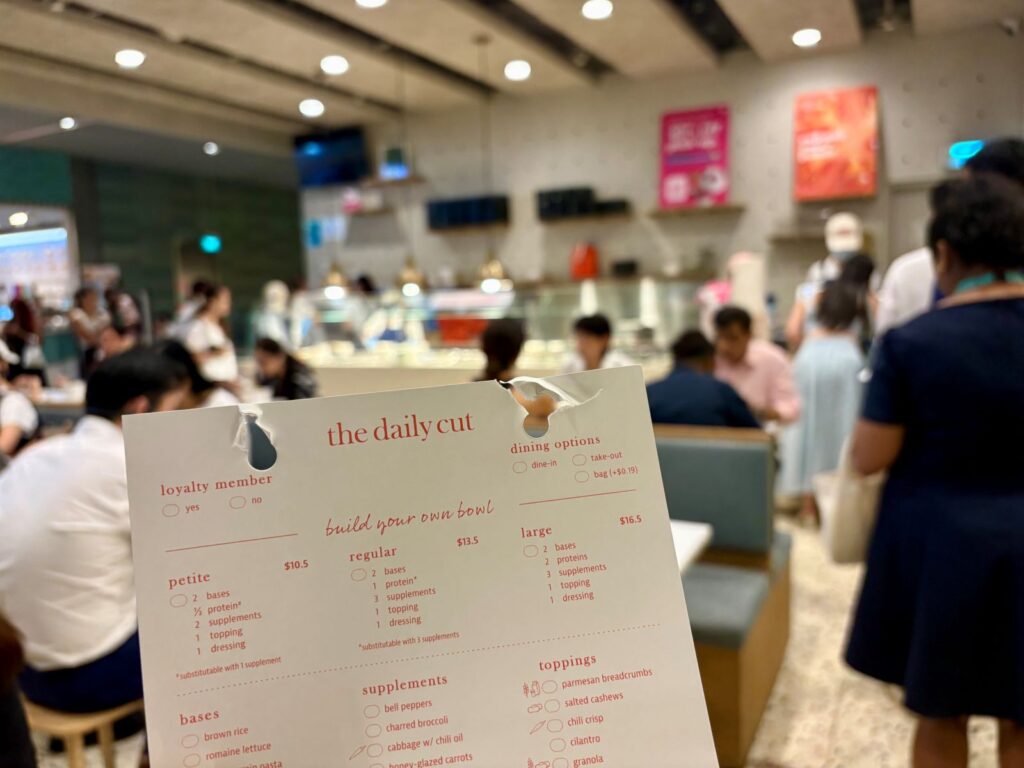
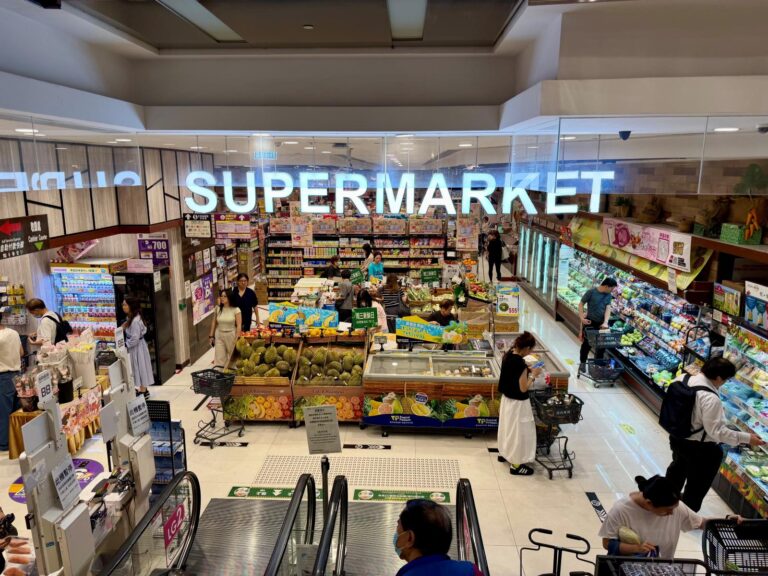
Even if you are not gluten-free, Singapore may still feel easier for food decision fatigue. Hawker centres can be busy, but they are structured, restaurants are easy to search, and convenience options are widely available. There are also plenty of places to find something familiar if your body needs a break.
Hong Kong’s food scene is exciting, but it may feel more demanding if you are anxious, very tired, or managing a specific dietary need. On my last trip to both cities, I had no stomach issues in Singapore but did get a bad stomach in Hong Kong. That is only one experience, but it made me more aware of how much food confidence can affect the rest of a trip.
For a first trip to Asia, Singapore is the easier food city. Hong Kong is more of a research-before-you-go destination, especially if food has a direct impact on your wellbeing.
Solo Travel In Singapore Vs Hong Kong
If this is your first solo trip and your first time in Asia, Singapore is the easier place to start. The city feels structured, transport is simple, and many common solo travel stressors are reduced. It is easier to arrive, move around, eat alone, take breaks, and return to your accommodation without every decision feeling like a test.
Hong Kong can also be a good solo travel destination, especially if you enjoy cities. There is plenty to do alone, from ferries and harbour walks to museums, markets, cafés, hiking, and neighbourhood exploring. But the faster pace, heavier crowds, and greater density can make it harder to find emotional space when you need it.
For a first solo trip to Asia, I would choose Singapore. If you have travelled solo before and want a city with more edge, Hong Kong is the stronger contender.
Nature, Hiking And Recovery In Hong Kong Vs Singapore
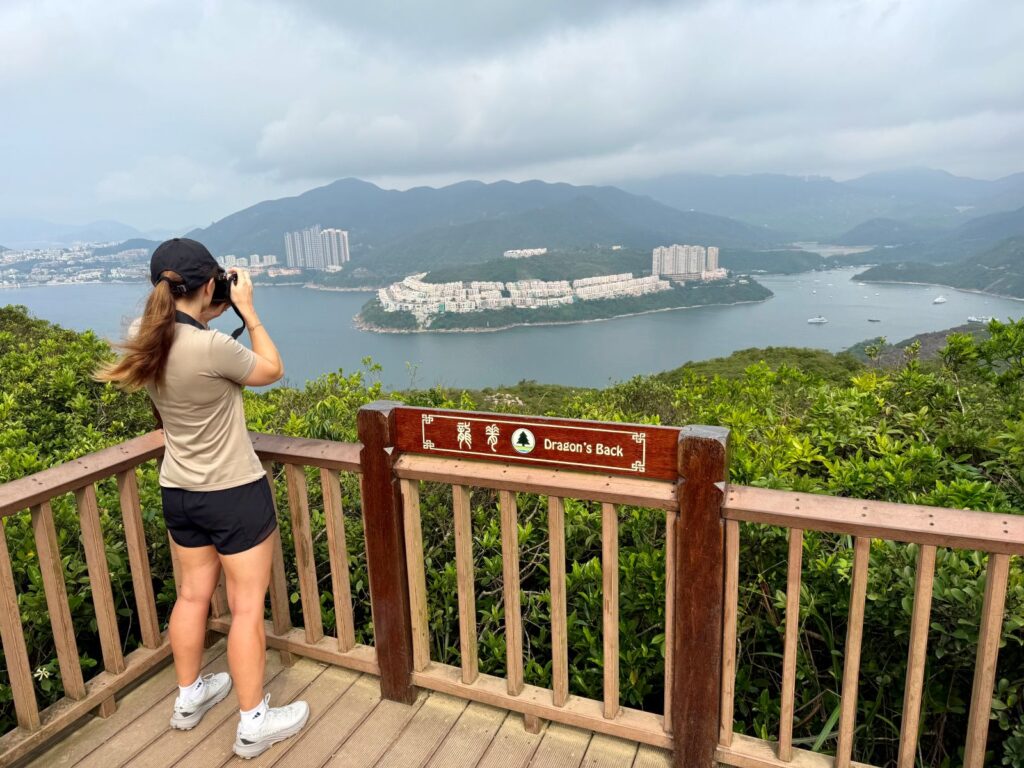
This is where Hong Kong becomes much more competitive. Singapore is very good for gentle recovery, with gardens, waterfront areas, hotel pools, shaded walks, Sentosa, nature reserves, and air-conditioned spaces that make it easy to build in breaks. Sentosa can be especially useful if you want warmth, space, water, and a slower day without leaving the city completely. You can learn more in our Sentosa Island guide.
Hong Kong’s recovery spaces are less polished, but often more dramatic. The contrast between dense city and open trail is one of its biggest strengths. You can go from traffic, towers, and humidity to ridgelines, sea views, and green hills in a way that feels surprising if you have only imagined Hong Kong as a high-rise city.
This is why I would not dismiss Hong Kong for anxious travellers. Dragon’s Back is a good example: after the noise of central Hong Kong, walking there immediately made me feel more at ease, and I started enjoying the city much more once I included more of its nature side.
Cost And Budget: Is Hong Kong Or Singapore More Expensive?
Cost is one of the practical questions people often ask when comparing Hong Kong or Singapore for a first Asia trip. The answer can vary depending on when you travel, where you stay, and how much you want your days to revolve around paid attractions, restaurants, hotels, or slower low-cost exploring.
Hong Kong can sometimes feel more flexible for budget-conscious travellers because you can build satisfying days around public transport, ferries, casual food, markets, harbour walks, and hikes. Some of the city’s most memorable moments are not necessarily expensive: taking the Star Ferry, walking along the waterfront, riding the tram, or getting into the hills for a view of the city.
Singapore can feel more predictable, but polished visitor experiences, accommodation, restaurants, and paid attractions may add up quickly. That does not mean Singapore has to be an expensive trip, especially if you use hawker centres, public transport, gardens, and free neighbourhood walks well. It simply means the smoother version of Singapore can sometimes come with a higher daily spend.
For anxious travellers, the cheapest city is not always the easiest city. A slightly more expensive but calmer first stop can sometimes reduce stress more than saving a small amount each day. If you are choosing between Singapore vs Hong Kong mainly on budget, look at accommodation prices for your exact dates first, then think about which city will help you feel more settled once you arrive.
Suggested Itinerary If You Want To Visit Singapore And Hong Kong
If you have time and budget for both cities, I would start in Singapore and then go to Hong Kong. For most anxious first-time visitors, Singapore is the gentler place to begin because it reduces several early stress points: arrival logistics, public transport, food decisions, communication, and uncertainty.
Singapore first gives you the soft landing. It allows you to adjust to the time zone, climate, food, and rhythm of being in Asia without immediately placing yourself into a dense, high-stimulation environment. Starting with the easier city can also help build travel confidence, because each low-stress decision makes the next unfamiliar choice feel less intimidating.
Hong Kong second gives you the contrast. Once you are more travel-adapted, its intensity may feel less overwhelming and more exciting. You are more likely to appreciate the skyline, street life, ferries, and hiking trails if you are not processing them from a state of arrival fatigue.
A simple version would be three to four days in Singapore for arrival, adjustment, food, gardens, neighbourhoods, and low-pressure exploring. You could stay longer if you have the time; I have spent weeks in Singapore and still love returning.
Then spend four to five days in Hong Kong for city life, ferries, hiking, local transport, and a possible Macau day trip if you have enough energy. We really enjoyed our Macau day trip, and it felt less overwhelming than Hong Kong while still adding another layer to the trip.
If you are prone to travel fatigue, keep the itinerary slower. Do not treat either city as a checklist. Both are better when you leave space for heat, rest, and unplanned recovery.
Ultimately, the best choice is not the city with the most famous sights, but the one you can actually be present for. Choose Singapore if you want your first trip to Asia to feel smoother and more manageable. Choose Hong Kong if you are ready for more intensity, contrast, and atmosphere. If you can visit both, start with Singapore and save Hong Kong for when you have more energy for the kind of city that asks more of you, but gives a lot back.
FAQs About Hong Kong Vs Singapore For A First Asia Trip
Is Singapore Or Hong Kong Better For A First Trip To Asia?
Singapore is usually the easier choice for a first trip to Asia, especially if you are nervous, travelling solo, or worried about feeling overwhelmed. Hong Kong is still a strong option, but it is faster, denser, and more stimulating, so it may suit travellers who already feel comfortable in big cities.
Is Hong Kong More Overwhelming Than Singapore?
For many first-time visitors, yes. Hong Kong feels more compact, vertical, crowded, and sensory than Singapore. That intensity can be exciting, but it usually requires slower pacing and more deliberate breaks.
Should I Visit Singapore Before Hong Kong?
If you want to visit both, Singapore first is usually the gentler order. It gives you time to adjust to the climate, time zone, food, transport, and rhythm of being in Asia before moving into Hong Kong’s faster pace.
Is Singapore Or Hong Kong Better For Anxious Travellers?
Singapore is usually better for anxious travellers because arrival, transport, food planning, and daily logistics tend to feel more predictable. Hong Kong can still work well if you build in quieter breaks, ferries, harbour walks, hikes, and slower days.
Is Hong Kong Or Singapore Better For Nature And Hiking?
Singapore is better for easy, gentle recovery spaces such as gardens, waterfronts, shaded walks, and Sentosa. Hong Kong is better for dramatic hiking, sea views, hills, ferries, and strong contrast between city and nature.
This article is for general informational purposes only and is not intended to replace personalised medical, psychological, or professional advice.