Gluten-Free In Hong Kong: What No One Tells You Before You Go
Eating gluten-free in Hong Kong is possible, but I would not describe it as effortless.
Some destinations make gluten-free travel feel relatively simple. Menus are clearly labelled, servers are used to allergy questions, and supermarket shelves are full of familiar alternatives. Hong Kong, in my experience, requires more planning. It is a brilliant, energetic, food-led city, but if you are gluten-free because of coeliac disease, gluten sensitivity, or a strong intolerance, you may need to think more carefully than you would in places with a more visible gluten-free culture.
The challenge is not only finding food without bread or noodles. It is understanding what may be hidden in soy sauce, marinades, broths, shared fryers, dumplings, sauces, and “safe-looking” rice dishes that are not always as simple as they appear.
I was a little naive before travelling to Hong Kong for the first time. I expected it to feel more like Singapore: international, easy to navigate, and relatively familiar from a gluten-free point of view. Hong Kong is international, but it is different in ways I had not fully anticipated. As a result, eating gluten-free was more challenging than I expected, and at times, more stressful too.
This guide is for travellers who want to eat gluten-free in Hong Kong without letting every meal become a source of stress. It is realistic, but not negative. Hong Kong can still be a rewarding place to visit. The aim is to help you reduce decision fatigue, protect your energy, and enjoy the city without feeling as though food has taken over the whole trip.
For a broader introduction to planning gluten-free trips, you may also find our gluten-free travel beginner’s guide helpful, especially if you are new to travelling with dietary restrictions.
Table of Contents
Why Gluten-Free Travel In Hong Kong Can Feel Harder Than Expected
Hong Kong is fast, dense, social, and food-led. That is part of what makes it exciting, but it can also make dietary restrictions feel more intense. Meals often involve shared dishes, quick service, sauces, noodles, dumplings, buns, and fried foods. When you are tired, hungry, overstimulated, or trying to explain your needs in a busy restaurant, even a simple meal choice can start to feel complicated.
The issue is not that gluten-free food does not exist in Hong Kong. It does. You can find gluten-free cafes, health-focused restaurants, hotel dining, international menus, and some clearly labelled options. The harder part is confidence. You may find yourself wondering whether soy sauce has been used, whether a dish has been thickened with wheat, whether the fryer is shared, or whether “no wheat” has been understood in the same way as “no gluten.”
For some travellers, small traces of gluten may not cause a serious reaction. For others, especially those with coeliac disease, cross-contamination matters. This is why it helps to approach Hong Kong with a strategy rather than a loose list of recommendations. You still need to check your own risk level, contact restaurants where necessary, and use your own judgement.
That may sound tiring, but if you need to adhere to a certain diet, this is one country where you want to be prepared. Once you understand where the uncertainty usually appears, you can plan around it.
The Main Gluten Risks To Watch For In Hong Kong
The most obvious sources of gluten are usually easy to avoid: wheat noodles, dumplings, buns, breaded dishes, cakes, pastries, and many fried foods. The harder part is the less visible gluten.
In Hong Kong, gluten can appear in places that do not immediately look risky. Soy sauce is one of the biggest issues because it is commonly used in sauces, marinades, stir-fries, rice dishes, broths, and dipping sauces. Wheat may also appear in oyster sauce, gravies, thickened sauces, imitation meats, seasoned proteins, and foods cooked in shared oil.
Rice itself is naturally gluten-free, but a rice-based dish is not automatically safe. The sauce, broth, preparation method, or cooking surface may still be a problem. Plain meat, fish, tofu, and vegetables can also become unsuitable if they are cooked with wheat-containing sauces or prepared in a shared kitchen environment.
The safest mindset to have is to be curious; ask what is in the sauce, whether soy sauce is used, if the fryer is shared, or whether the dish can be made plain. Try to remember that you are not being difficult, you are gathering the information to make a sensible decision.
How To Plan Before Visiting Hong Kong Gluten-Free
Before you arrive in Hong Kong, create a simple food plan that covers three things: breakfast, emergency snacks, and two or three reliable dinner options.
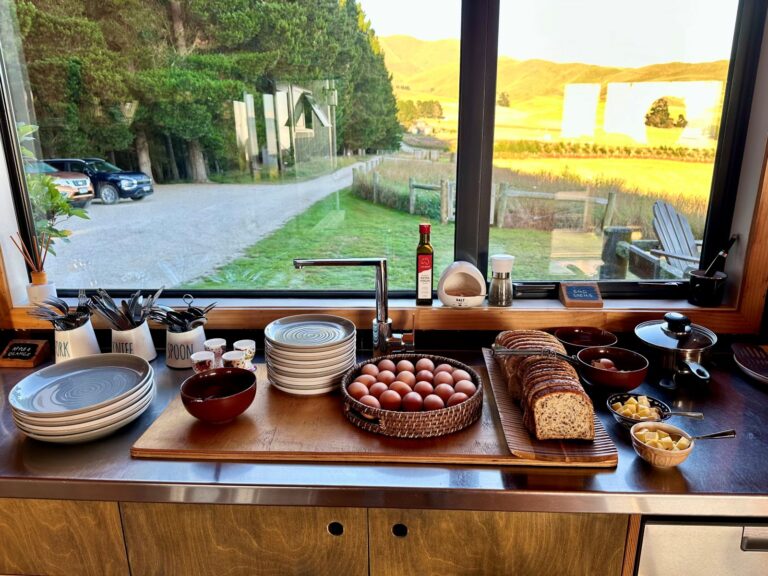
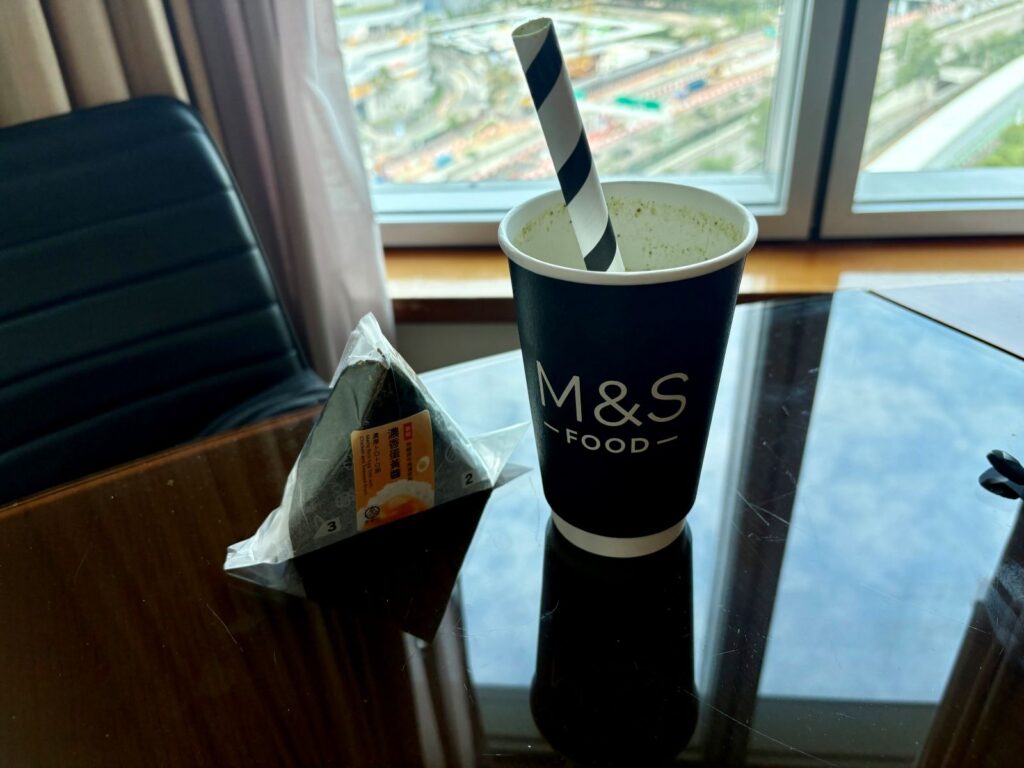
Breakfast matters because it sets the tone for the day. If you start the morning already underfed or stressed, every later decision becomes harder. Depending on where you are staying, the easiest gluten-free breakfast may be fruit, yoghurt, eggs, rice, a supermarket option, or a hotel breakfast where you can ask clear questions. It may not be the most exciting meal of the trip, but it can be the meal that protects your energy.
Emergency snacks are just as important. Bring or buy gluten-free foods you can carry when sightseeing takes longer than planned. Rice cakes, nuts, fruit, protein bars you trust, crackers, or clearly labelled packaged snacks can make a noticeable difference. This is one of the most useful ways to avoid the point where hunger makes you take risks you would not normally take.
For dinner, save a small number of restaurants where you feel more confident. These might be dedicated gluten-free spots, health-focused cafes, hotel restaurants, or international restaurants that clearly understand allergies. In Hong Kong, higher-end venues and international restaurants may be easier for gluten-free communication, but you still need to check.
This kind of planning is not about making travel rigid. It is about giving yourself enough structure to stay present.
Use A Gluten-Free Restaurant Card In Hong Kong
If you have coeliac disease or need strict gluten avoidance, a restaurant card in Cantonese can be helpful in Hong Kong. It reduces the pressure of explaining everything verbally, especially when a restaurant is busy or English is limited. A lot of places we visited had limited English, so this would be especially helpful here.
A good gluten-free restaurant card should explain that you cannot eat wheat, barley, rye, malt, regular soy sauce, or food cooked with contaminated utensils or shared oil. It should also make clear that this is a medical need, not a preference.
A restaurant card does not guarantee safety. It does, however, improve communication. It can also make the moment feel calmer because you are not relying entirely on memory, translation apps, or rushed explanations when you are already hungry.
For coeliac travellers, I would treat this as an essential rather than an optional extra.
Where To Eat Gluten-Free In Hong Kong
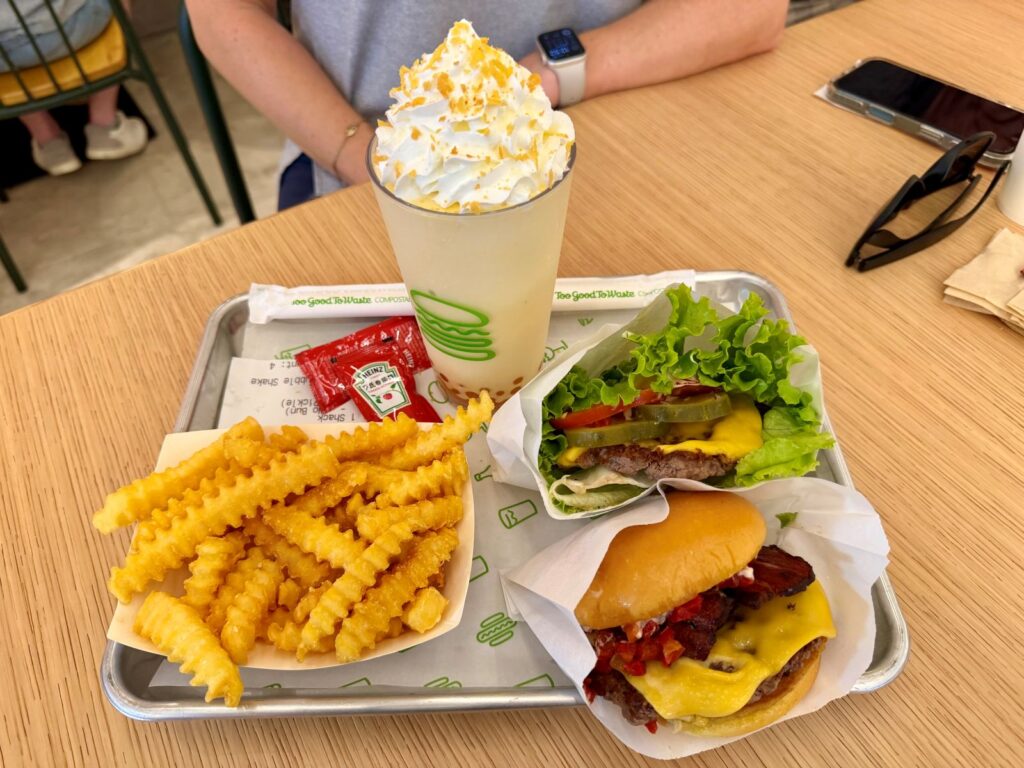
The easiest gluten-free food environments in Hong Kong are usually the places where dietary requests are already part of the culture. Health-focused cafes can be useful because they are more likely to understand gluten-free language, although you still need to check cross-contamination. Hotel restaurants may be more used to dietary requests, particularly at breakfast or in international dining settings. Western, Australian-style, Mediterranean, and wellness-led restaurants may also have clearer gluten-free options than traditional fast-service spots.
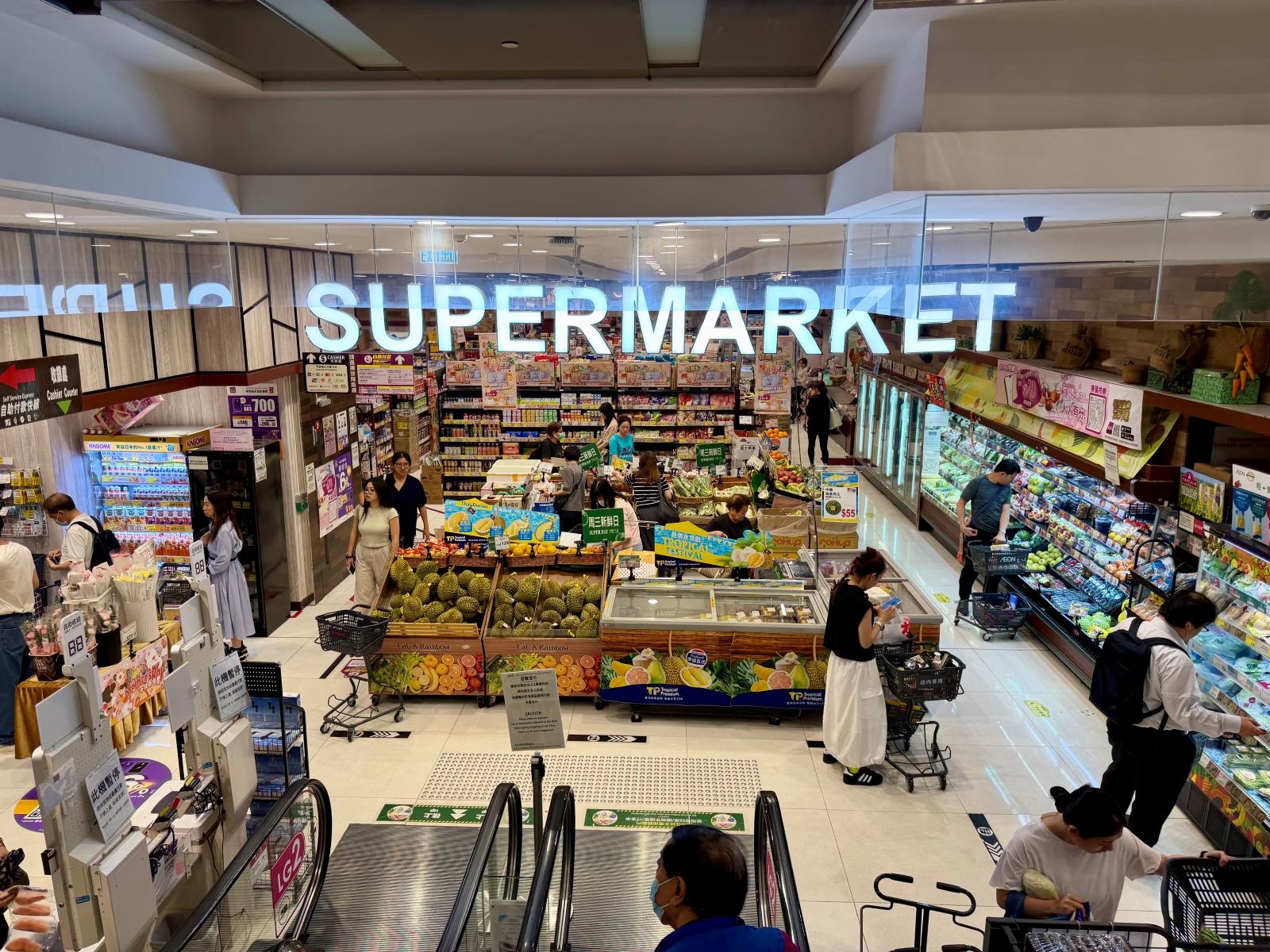
Supermarkets were my go to. I was actually surprised by the amount of gluten-free options I found here. Look for clearly labelled packaged foods, fruit, yoghurt, rice-based options, simple proteins, and snacks with ingredients you can read. Having a few safe foods in your room can make the whole trip feel calmer. I found there were a number of international brands written in English which helped.
This does not mean you need to avoid local food completely. It means you may need to be selective. If you want to try more local eating, do it when you have the time, energy, and language support to ask questions properly. It is much harder to make careful decisions when you are exhausted, hungry, or being rushed through a busy service.
Plan Gluten-Free Meals By Neighbourhood
One of the most useful shifts is to plan gluten-free meals around neighbourhoods, not just restaurants.
Hong Kong can be physically and mentally demanding. Heat, humidity, crowds, transport, hills, queues, neon, noise, and constant movement can build up quickly. If you add gluten-free meal planning on top of that, food can become the thing that tips you from stimulated into overwhelmed.
Before a day in Central, Sheung Wan, Tsim Sha Tsui, Causeway Bay, Mong Kok, or wherever you are exploring, save one or two possible gluten-free options nearby. You do not need a perfect itinerary. You just need a fallback. Downloading an offline ‘Google Map’ and saving these restaurants is also very helpful if you don’t have an e-sim.
The better question is not always, “Where is the best gluten-free restaurant in Hong Kong?” It is often, “Where can I eat safely near where I will realistically be?”
That small shift lowers stress. It also stops the whole day from becoming organised around food anxiety.
Keep One Meal A Day Simple
A useful rule for gluten-free travel in Hong Kong is to make one meal a day intentionally simple.
That might mean a hotel breakfast, a supermarket lunch, or a repeat meal from somewhere you trust. This can feel unadventurous at first, especially in a city known for food, but it gives you more capacity to enjoy the rest of the trip.
Not every meal has to be culturally meaningful. Some meals are there to stabilise you. They help you sleep better, walk further, think more clearly, and avoid the emotional crash that can come from being underfed in a demanding city.
This is where wellness-first travel becomes practical. Balance is not always about doing more. Sometimes it is about removing one source of friction so you can actually enjoy where you are.
Foods To Be More Careful With
Some foods in Hong Kong are more likely to be complicated for gluten-free travellers. Dumplings, buns, noodles, fried foods, battered dishes, pastries, imitation meats, thickened sauces, marinades, broths, and anything with soy sauce all need extra care.
Buffets can also be difficult because of shared utensils and cross-contamination. Even when individual dishes look safe, serving spoons may move between foods, crumbs can spread, and staff may not always be able to confirm ingredients clearly.
“Gluten-friendly” or “no wheat” language should also be treated with caution. These phrases can be useful starting points, but they do not always mean the same thing as coeliac-safe. If you need strict avoidance, ask about preparation and cross-contamination before relying on a label.
Gluten-Free Supermarkets And Snacks In Hong Kong
Supermarkets are one of the most useful tools for gluten-free travel in Hong Kong. Even if you prefer eating out, having backup food gives you more flexibility. It also reduces the pressure on every restaurant meal to work perfectly.
Look for naturally gluten-free basics such as fruit, yoghurt, rice, eggs, plain nuts, simple proteins, and packaged snacks with clear labelling. If you find gluten-free crackers, bread, cereal, protein bars, or rice cakes you trust, buy more than you think you need. You may not want them every day, but they are useful when plans change.
This is especially helpful for travel days, long sightseeing days, delayed meals, and evenings when you do not have the energy to research another restaurant.
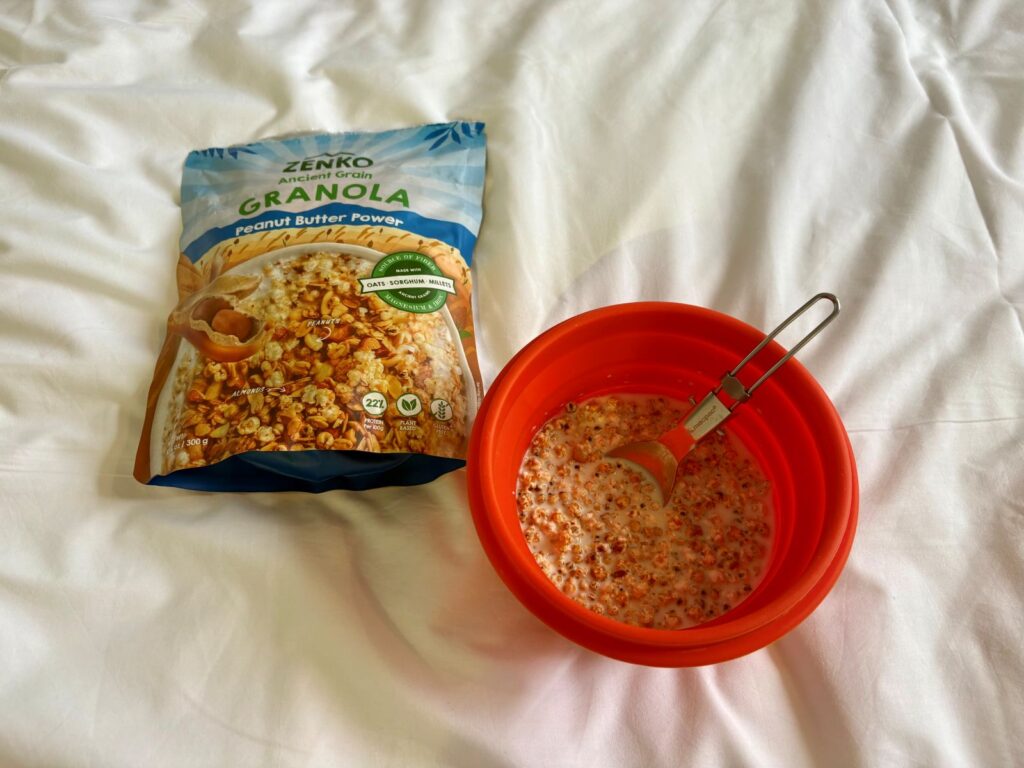
I would also advise choosing accommodation with a fridge and taking a travel bowl with you. I found gluten-free cereal, so I was able to have milk in the fridge. This meant a calm start to my mornings, which is much nicer than waking up worrying about where you will eat that morning.
Managing Food Anxiety While Travelling Gluten-Free
Gluten-free travel is not only a dietary challenge. It can become a cognitive and emotional one.
When every meal involves research, translation, menu scanning, ingredient checking, and social negotiation, your nervous system carries the cost. You may feel irritable, flat, anxious, or unusually preoccupied with food. That does not mean you are being dramatic. It means your brain is doing extra work in an unfamiliar environment.
The best way to eat gluten-free in Hong Kong is to make fewer decisions while you are hungry. Choose a small number of reliable meal formats before you arrive. Know where you can get breakfast. Save restaurants near your hotel. Carry snacks. Decide in advance which meals are worth researching properly and which can be simple.
The goal is not perfection. It is reducing uncertainty enough that your body can relax and your attention can return to the experience of being away.
Travelling With Other People When You Are Gluten-Free
Hong Kong is a place where food often feels central to the experience. If you are travelling with other people, you may feel awkward slowing things down, asking questions, or saying no to shared dishes. That pressure can be subtle, but it is real, I certainly feel a bit of guilt when travelling with other people when we choose restaurants.
It helps to decide your boundaries before you are at the table. You might choose to join a group meal but order something separately. You might eat a safe snack beforehand so you are not making decisions from hunger. You might tell your travel companion in advance that you need a little extra time around meals. You might choose one or two restaurants for the group rather than trying to improvise every time.
The goal is not to make your dietary needs the centre of the trip. It is to stop them becoming an invisible source of stress.
Gluten-Free Does Not Have To Mean Perfectly Healthy
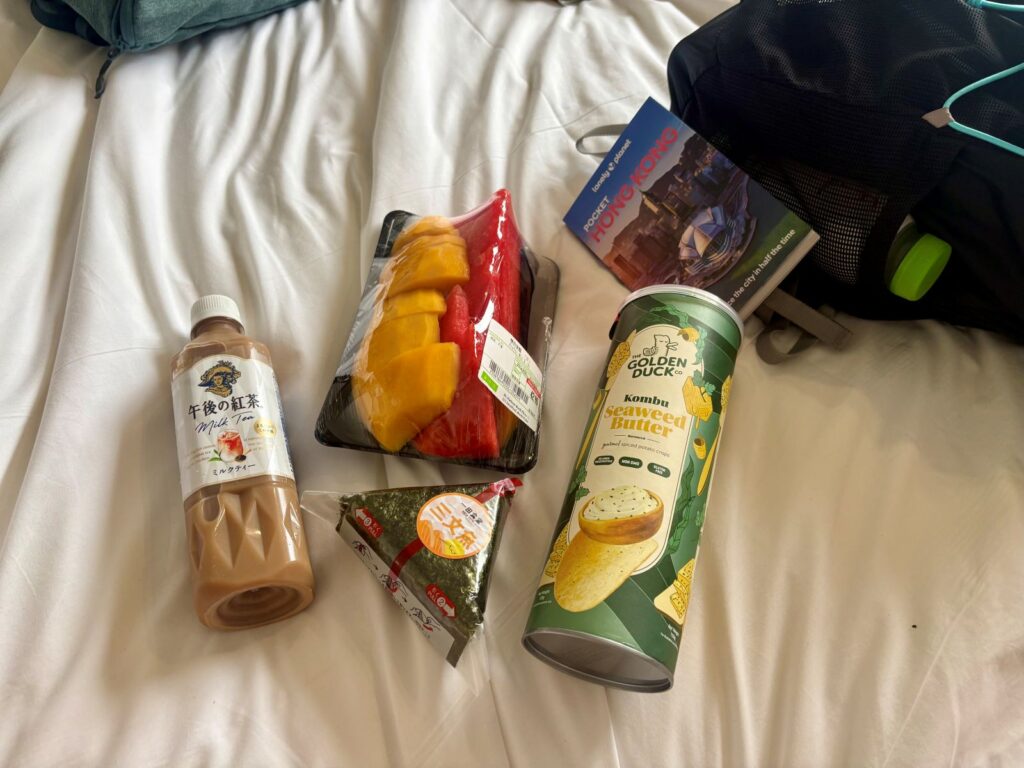
One thing I would avoid in Hong Kong is putting too much pressure on every gluten-free meal to also be perfectly healthy, high-protein, low-sugar, organic, or “clean.” That can make an already restricted situation feel even more restrictive.
Wellness-first travel is not the same as control-first travel. If you find a gluten-free cake, pizza, pastry, or comfort meal that is safe for you, it can be part of a balanced trip. Food is not only fuel. It is also reassurance, pleasure, culture, and sometimes relief.
The more useful question is: does this meal support the version of me who can enjoy the rest of the day?
Sometimes that will mean vegetables and protein. Sometimes it will mean a snack from your bag. Sometimes it will mean repeating a safe restaurant because your body feels better when you do not have to negotiate a new menu.
What I Would Do Differently Next Time
If I went back to Hong Kong gluten-free, I would plan more than I usually like to. I would save gluten-free restaurant options by neighbourhood, carry more reliable snacks, and use a restaurant card sooner rather than waiting until I felt stuck.
I would also give myself permission to make some meals boring. When you are in a city as stimulating as Hong Kong, not every meal needs to be an adventure. A predictable breakfast or safe fallback lunch can make it easier to be more flexible elsewhere.
Most importantly, I would not interpret the difficulty as a personal failure. Eating gluten-free in Hong Kong can be hard because the environment is genuinely complex. You are navigating language, sauces, shared kitchens, fast service, social meals, and your own health needs at the same time.
I would also try to choose accommodation with the ability to be able to cook. Although eating out is part of the fun of travelling, in reality, I didn’t feel my best in Hong Kong. I think if I had been able to cook a few easy, low stress gluten-free meals, then my stomach would have been a lot happier.
Gluten-Free Hong Kong Checklist
Before you go, save restaurants by neighbourhood rather than relying on one city-wide list. Check whether places understand coeliac disease if that applies to you. Download or buy a Traditional Chinese gluten-free restaurant card. Pack snacks you already trust. Choose accommodation near at least one easy food option. Look up supermarkets or health food stores near your hotel. Decide which meals can be simple and which meals you want to research properly.
When eating out, ask about soy sauce, marinades, sauces, broth, flour, and shared fryers. Use your restaurant card before ordering, not after confusion starts. Avoid assuming rice-based dishes are automatically safe. Be extra cautious with dumplings, noodles, buns, fried foods, imitation meats, and thickened sauces. If a server seems unsure, choose a simpler dish or go somewhere else.
During the trip, notice when food planning is becoming mentally heavy. That is your cue to simplify. Repeat a safe option. Eat the snack. Go to the supermarket. Choose the less exciting meal if it lets you enjoy the next part of the day.
Gluten-Free Hong Kong FAQs
Is Hong Kong Good For Gluten-Free Travellers?
Hong Kong can work for gluten-free travellers, but it is not one of the easiest destinations if you need strict gluten avoidance. There are gluten-free and allergy-aware options, especially in international restaurants, hotels, and health-focused cafes, but hidden gluten and cross-contamination can be difficult to navigate.
If you are gluten-sensitive rather than coeliac, you may find it manageable with careful choices. If you have coeliac disease, you will need to be more cautious and should use a restaurant card, contact restaurants where possible, and avoid assuming that simple-looking dishes are automatically safe.
Is Soy Sauce Gluten-Free In Hong Kong?
Regular soy sauce usually contains wheat, so it should not be assumed to be gluten-free. This is one of the main challenges of eating gluten-free in Hong Kong because soy sauce can appear in marinades, stir-fries, sauces, broths, rice dishes, and dipping sauces.
If you need to avoid gluten strictly, ask whether soy sauce has been used and whether the dish can be prepared without it.
Can Coeliacs Eat Safely In Hong Kong?
Coeliac travellers can visit Hong Kong, but they need to plan carefully. Cross-contamination, shared fryers, sauces, and communication barriers can all make eating out more complex.
A translated gluten-free restaurant card is strongly recommended. It is also worth prioritising restaurants that clearly understand allergies or coeliac disease, choosing accommodation with access to simple food options, and keeping safe snacks available throughout the trip.
Are There Gluten-Free Restaurants In Hong Kong?
Yes, there are gluten-free-friendly restaurants and cafes in Hong Kong, particularly among health-focused, international, hotel, and wellness-led venues. However, not every gluten-free-labelled option will necessarily be suitable for coeliac disease, so it is still important to ask about preparation and cross-contamination.
Rather than relying on one city-wide list, save options by neighbourhood so you have realistic choices near where you will actually be.
What Are The Best Gluten-Free Foods To Pack For Hong Kong?
Useful gluten-free foods to pack include protein bars you trust, rice cakes, crackers, nuts, instant oats or porridge cups if suitable, electrolyte sachets, and small snacks that can handle heat and long days out.
This is less about replacing every meal and more about protecting your energy when plans change. A reliable snack can stop hunger turning into urgency, which makes it easier to make safer food decisions.
Eating Gluten-Free In Hong Kong Is Doable But Planning Helps
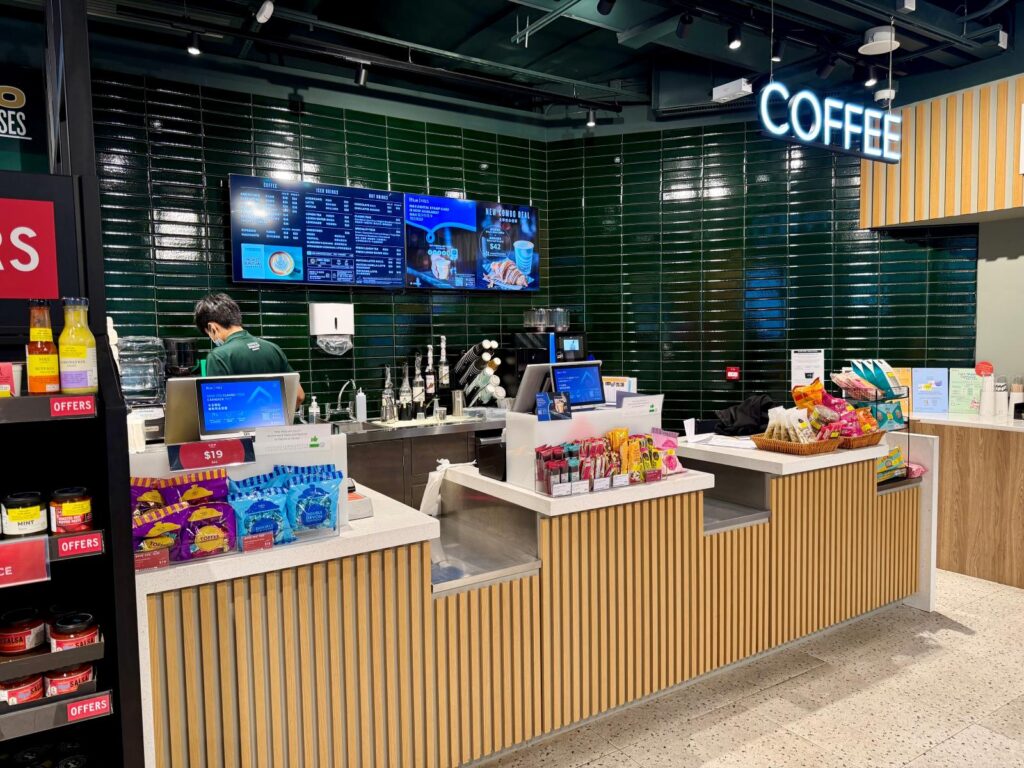
Eating gluten-free in Hong Kong is not the easiest version of gluten-free travel, but it is manageable with the right expectations. The city has options, and the gluten-free scene is improving, but it still asks for planning, communication, and flexibility.
The most balanced approach is to be realistic without becoming fearful. Prepare enough that you are not constantly improvising. Stay curious, but do not pressure yourself to make every meal adventurous. Protect your energy as much as your itinerary.
Hong Kong is still worth visiting. You may just need to travel with a little more structure around food than usual. For me, that is the honest middle ground: gluten-free Hong Kong can be hard, but with the right systems, it does not have to take over the whole trip.
This article is for general informational purposes only and is not intended to replace personalised medical, psychological, or professional advice.