Is Sentosa Worth Visiting? Why Some Travellers Find It Surprisingly Relaxing
Singapore is widely considered one of the easiest cities in Asia to travel through, and I have found this to be true for the most part. The transport is simple, the city feels safe, and daily travel tends to feel far less chaotic than many first-time visitors expect.
What can become tiring, though, is the heat. After long days walking through the city, moving between shopping districts, attractions and MRT stations in heavy humidity, it is not unusual to crave somewhere that feels a little slower and more spacious.
That is partly why Sentosa Singapore divides opinion so much. Some travellers see it as overly polished or tourist-focused, while others end up enjoying it far more than they expected.
Is Sentosa worth visiting? For travellers looking for a calmer, lower-stimulation side of Singapore rather than deep cultural immersion it can work well. While some visitors find it overly polished or tourist-focused, others end up appreciating it precisely because it feels greener, quieter, and mentally easier than central Singapore. It tends to suit travellers recovering from burnout, adjusting to the climate, travelling anxiously, recovering from jet-lag, or simply wanting slower downtime between busier parts of an itinerary.
Rather than treating it as Singapore’s most authentic destination, it makes more sense to see Sentosa as a softer contrast to the intensity of the city itself.
Table of Contents
If you enjoy slower, wellbeing-focused travel that balances exploration with genuine recovery time, you can explore more of our psychology-informed travel guides on the Nomadic Balance homepage.
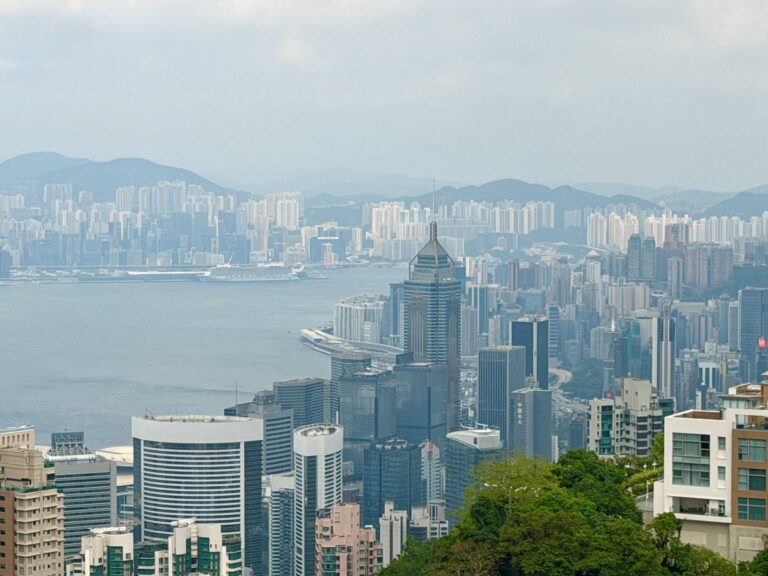
Why Sentosa Feels Less Overwhelming Than Central Singapore
One of the reasons Sentosa appeals to so many visitors is that it removes many of the small decisions that make travel tiring.
Much of central Singapore is dense, fast-moving and heavily urban. Even though it is clean and efficient, navigating MRT stations, shopping districts, and crowded hawker centres in tropical heat can become tiring faster than many travellers expect. Sentosa operates differently. The pace slows down almost immediately.
There are fewer roads, more open walkways and large stretches of greenery separating attractions. The open space can feel calming after spending time in dense parts of the city, while resort infrastructure reduces many of the small decisions that become tiring over time while travelling.
On Sentosa, travellers are rarely constantly thinking about where to sit, how to cool down, where to rest next, or how to escape the heat for a while. There is less stress built into the experience, and that matters more than people often realise.
For travellers who become overstimulated easily, or who find city travel mentally exhausting, Sentosa may feel for manageable. The island is structured in a way that many travellers find easier to navigate.
Why Sentosa Can Feel Easier for First-Time Asia Travellers
Singapore already feels very approachable for most travellers, but new environments can still feel tiring when you are jet-lagged, overwhelmed by the heat, or low on energy. That is part of why some people end up appreciating Sentosa more than they expected.
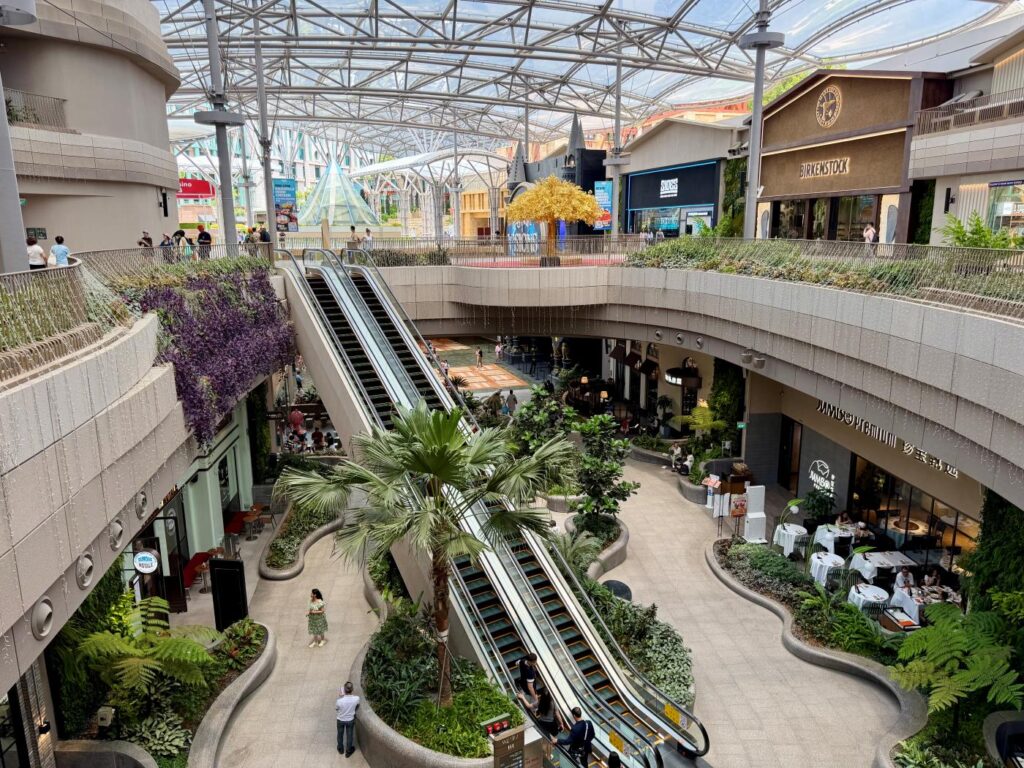
Sentosa offers a level of familiarity that many travellers can unconsciously find calming. Resort hotels, beach clubs, recognisable brands, English-speaking infrastructure, and highly organised attractions create an environment that feels predictable and easy to navigate. Even the signage, transport systems, and public spaces are intentionally controlled and straightforward.
Some travellers criticise this as being “too westernised,” but there is another way to interpret it; familiarity can make travel feel less mentally demanding.
When people feel overwhelmed, they often start craving predictability and simplicity. Sentosa provides that without requiring visitors to leave Singapore entirely. It can feel like a middle ground between city travel and full retreat.
For nervous travellers, first-time Asia visitors, or people recovering from burnout, that familiarity can feel grounding rather than disappointing. If you are interested in travelling to Singapore solo, you can read more in our guide, Is Singapore Good For Solo Travel?
What Sentosa Is Actually Like Day-To-Day
One of the unusual things about Sentosa is how psychologically distant it feels from central Singapore despite being only minutes away by MRT, cable car or monorail.
Many travellers visit as a day trip, but the atmosphere often changes in the evening once day visitors begin leaving. The beaches become quieter, resort areas slow down and the island can feel calmer than central Singapore surprisingly quickly.
Most people spend either a full day or one to two nights on Sentosa. Staying overnight tends to make the experience feel far more restorative because there is less pressure to rush between attractions before returning to the city.
We recently spent five nights on Sentosa and noticed how the atmosphere changed once day visitors left in the evening. Walking back through quieter resort areas at night felt completely different from the pace of central Singapore earlier in the day. The slower mornings, greenery surrounding the hotels, and reduced pressure to constantly move around made the experience feel far more restorative than we initially expected.
The island itself is also relatively easy to navigate. Walking paths, free shuttle buses, and beach promenades connect much of Sentosa, reducing the constant stop-start decision-making that often makes urban travel tiring.
Weekends can still become crowded, particularly around Universal Studios Singapore, beach clubs, and major attractions, but quieter stretches remain easy to find away from the busiest zones.
Sentosa is still highly developed, but parts of the island can feel far quieter and more restorative than central Singapore.
Is Sentosa A Good Green Space Retreat?
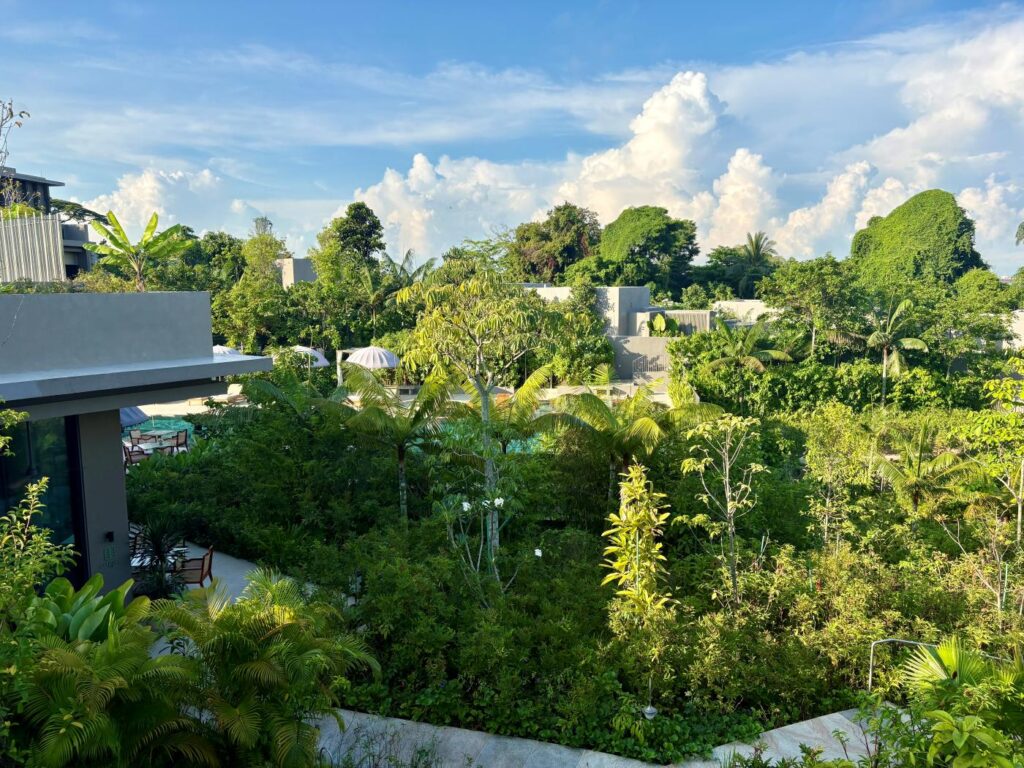
Singapore is already known for greenery, but much of the city still feels dense and highly urban once you are moving through shopping districts, MRT stations, and busy central areas. Sentosa feels more open. There are large stretches of trees, coastal paths, tropical planting, and shaded walkways that make the island feel like a green space escape.
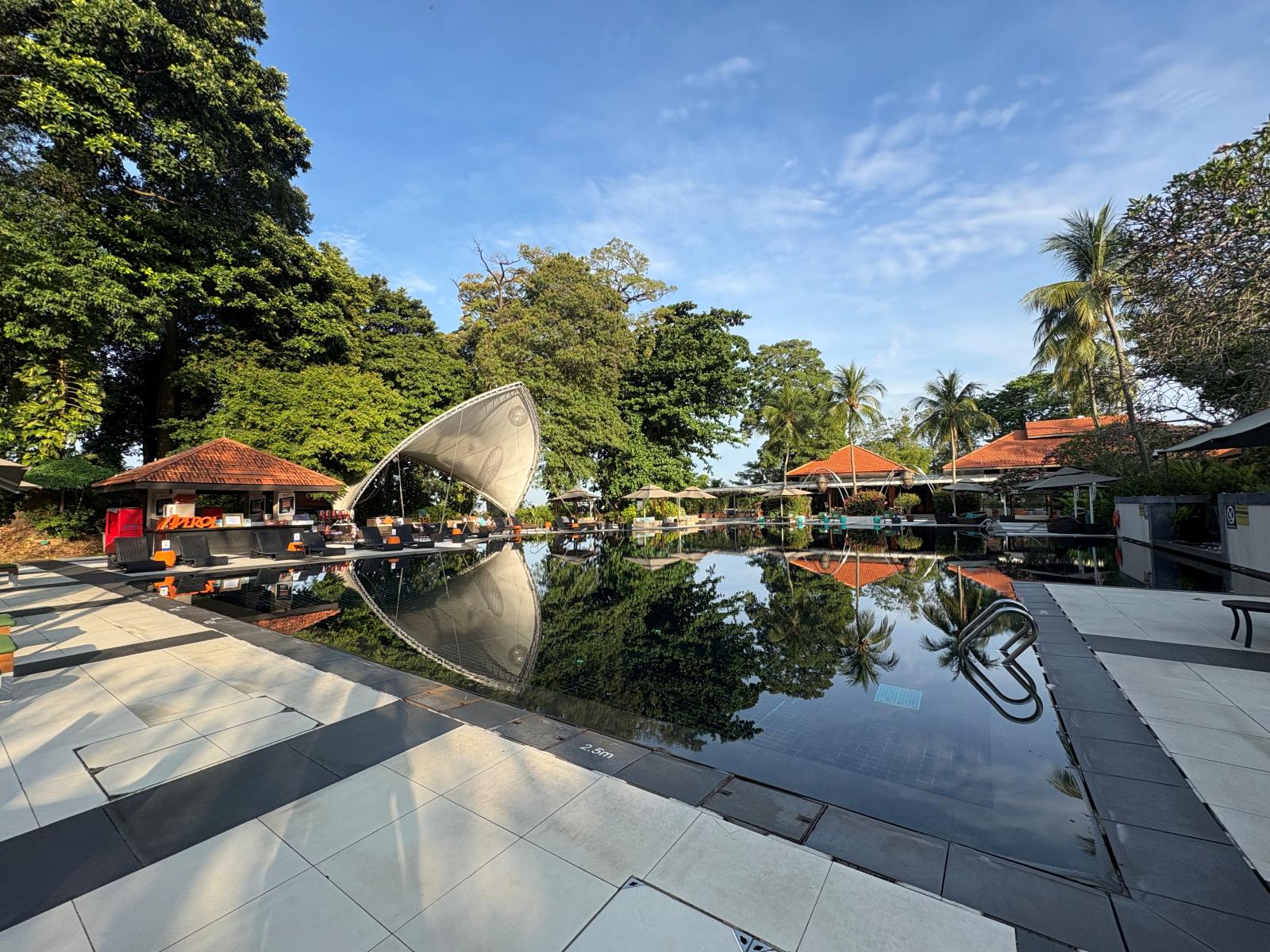
I noticed this most walking between different parts of the island, and our accommodation, rather than at the attractions themselves. You are not going to notice this when you are close to the Resorts World area. We stayed at Sofitel Sentosa and were surrounded by greenery from the moment we woke up, which was such a calming and restorative feeling.
This can also change the experience of the heat too. Singapore is always humid, but being surrounded by greenery and open coastline somehow made it feel less draining than standing between buildings in the middle of the city.
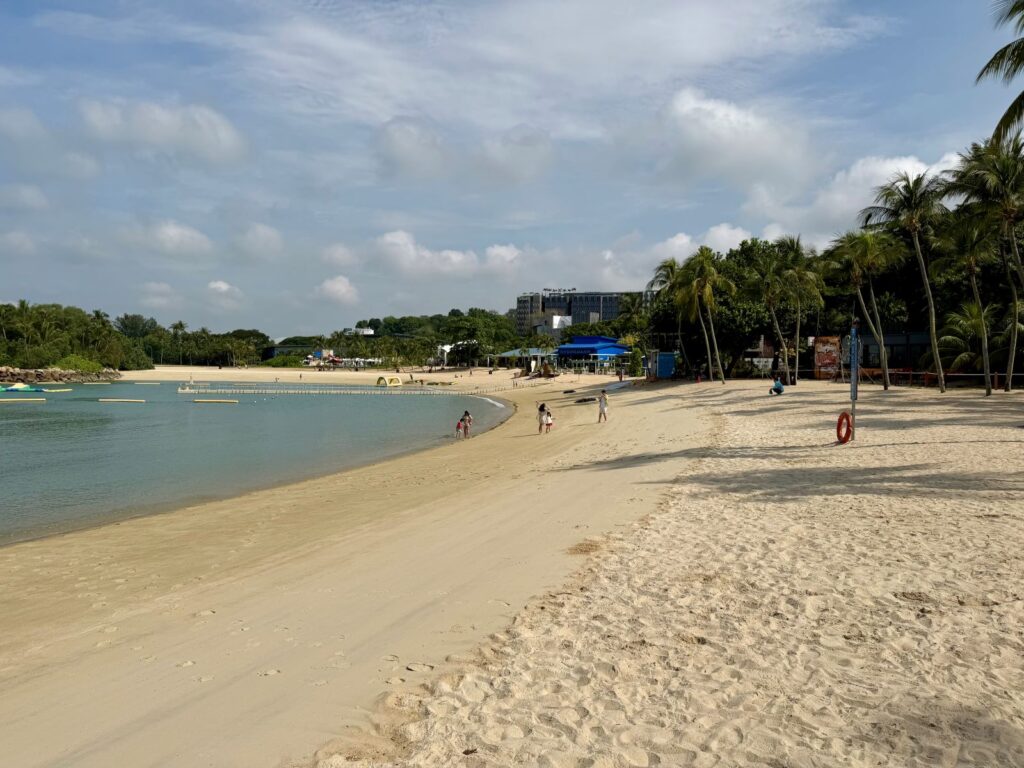
Sentosa also feels surprisingly different depending on which part of the island you stay in. Siloso Beach tends to feel busier and more energetic because of the beach clubs, bars and activity areas, while Palawan often attracts families and day visitors. Tanjong Beach generally feels quieter and more relaxed, particularly on weekday mornings and evenings.
The atmosphere changes noticeably once you move further away from Resorts World and the main attraction zones, where tree cover, coastal walking paths, and resort gardens make parts of the island feel more like a green space retreat than an urban attraction area.
Why Some People Dislike Sentosa
At the same time, many criticisms of Sentosa are fair. Parts of the island can feel highly curated and commercialised. If your ideal trip involves discovering local neighbourhoods, independent food outlets, or everyday Singaporean culture, Sentosa may feel disconnected from the city’s identity.
The beaches are clean and pleasant, but they are artificial. Large cargo ships remain visible offshore, which can break the illusion of a tropical island escape. Attractions are expensive, weekends become crowded, and some areas can feel more like a contained entertainment complex than a destination with genuine character.
People who prefer spontaneity, neighbourhood wandering, or deeper cultural immersion often leave feeling underwhelmed.
That is why expectations matter so much. Sentosa works best when you stop expecting it to represent the “real Singapore” and instead see it as a calmer alternative to the city itself.
Why Many Adults Find Sentosa More Relaxing Than Expected
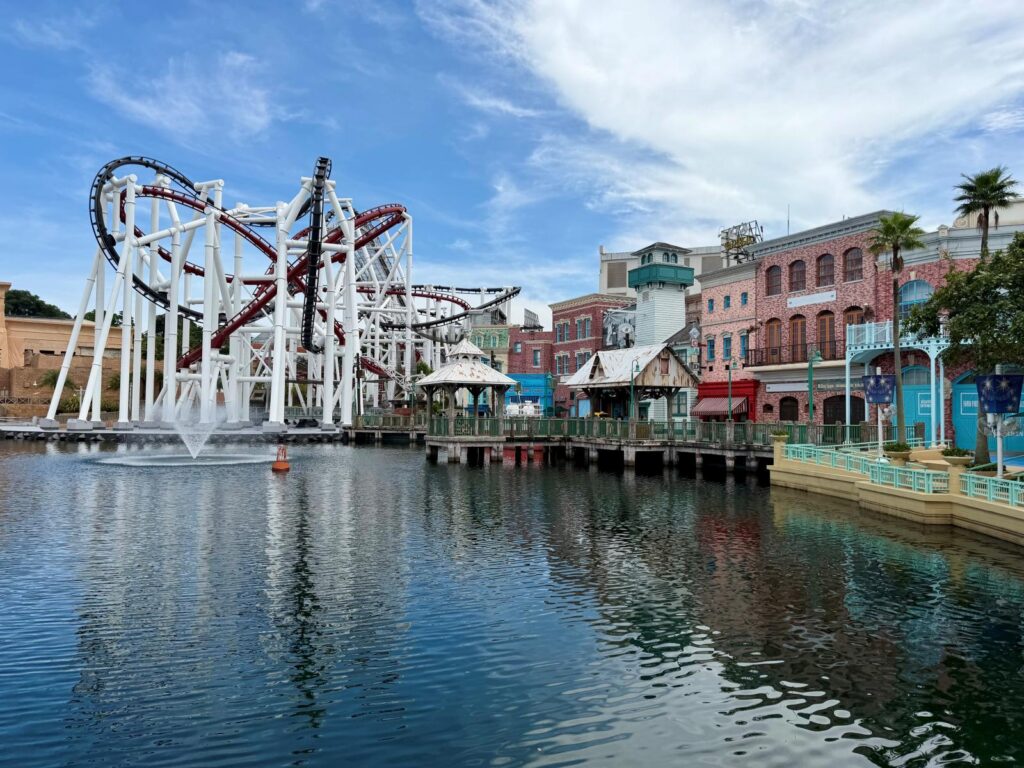
Interestingly, many adults who enjoy Sentosa are not necessarily looking for luxury or nightlife. They are often looking for permission to relax and play without pressure. There is something psychologically different about low-stakes entertainment when travelling.
Taking the cable car across the harbour, wandering between the beaches, or spending hours at a resort pool can feel restorative precisely because these activities are simple. They do not require optimisation, deep planning, or constant decision-making. Sentosa can sometimes feel like a space where adults temporarily stop feeling pressure to make every part of a trip productive.
On our most recent trip to Singapore, we enjoyed the balance of Sentosa more than expected. Spending slow mornings over long hotel breakfasts, wandering without much of a plan, but also fully allowing ourselves to be big kids for a day at Universal Studios. I think that mix of playfulness and slower downtime is part of what makes Sentosa work so well for some adults.
There is less pressure to maximise productivity, see every cultural site, constantly move between attractions, or turn every day into an achievement. For some travellers, especially those already mentally exhausted, the simplicity itself becomes part of the appeal.
Couples often enjoy Sentosa for similar reasons. After several fast-paced days moving through Singapore, the island can create space for slower routines, longer meals, quieter evenings, and recovery time without needing to leave the city entirely.
Is Sentosa Worth Visiting for Your Travel Style?
Sentosa tends to work particularly well for travellers recovering from burnout, people easing into a long Asia trip, anxious or overstimulated travellers, couples wanting a slower pace, and families needing simplicity. It also suits travellers who want to balance sightseeing with genuine recovery time rather than treating every day as something to optimise.
At the same time, it may feel less rewarding for travellers prioritising local culture, backpackers seeking spontaneity, people wanting neighbourhood exploration, or visitors with very limited time in Singapore. Travellers searching for untouched nature will probably not find what they are looking for either.
If you only have two or three days in Singapore and want hawker culture, neighbourhood exploration and a stronger sense of the city itself, Sentosa may not be the best use of limited time. But for travellers arriving exhausted from long-haul flights, adjusting to the climate, or trying to soften an overstimulating itinerary, even one night on Sentosa can feel restorative.
The island tends to work best when it complements Singapore rather than replaces it entirely. Although, if you have been to Singapore before and want a different experience, staying in Sentosa is a great opportunity.
So, Is Sentosa Worth Visiting?
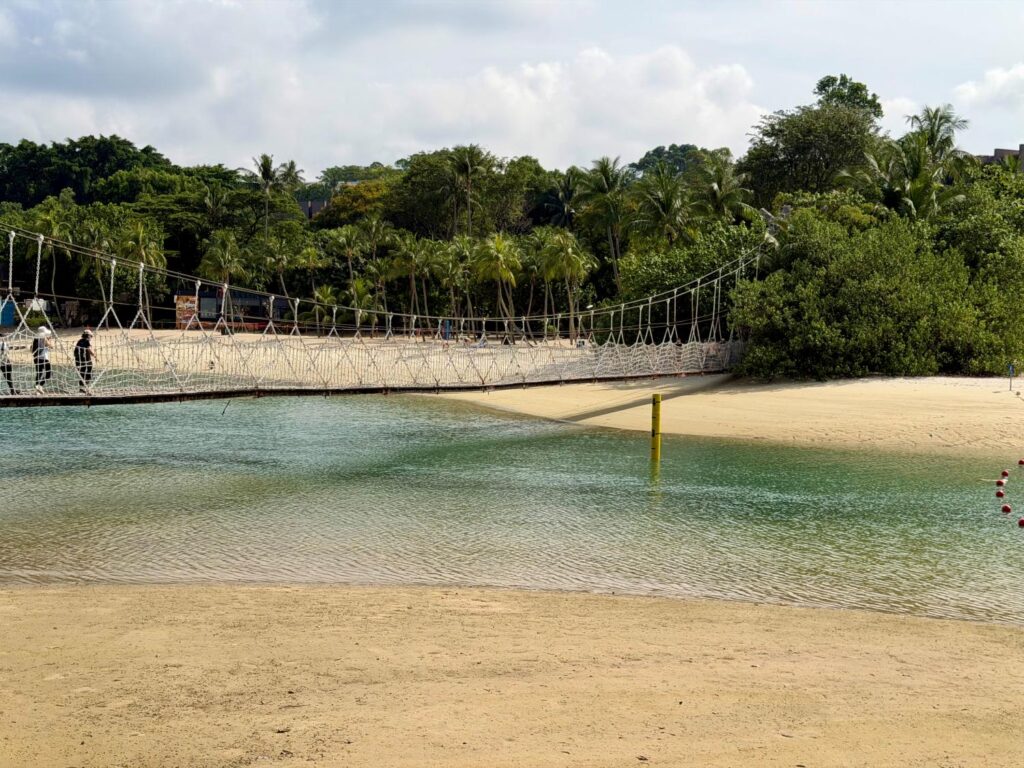
Sentosa is probably worth visiting if you value trips that leave you feeling rested as well as stimulated.
Not every destination needs to feel raw, intense, or deeply immersive to serve a purpose. Sometimes the best travel experiences are the ones that make you feel calmer, lighter and mentally rested.
Sentosa is unlikely to be the most culturally meaningful part of Singapore. But for many travellers, especially those arriving exhausted, overstimulated or emotionally depleted, it can become the part that feels easiest to enjoy.
We personally thoroughly enjoyed our time in Sentosa and would go back again.
This article is for general informational purposes only and is not intended to replace personalised medical, psychological, or professional advice.