How To Sleep At A Music Festival (Without Missing The Fun)
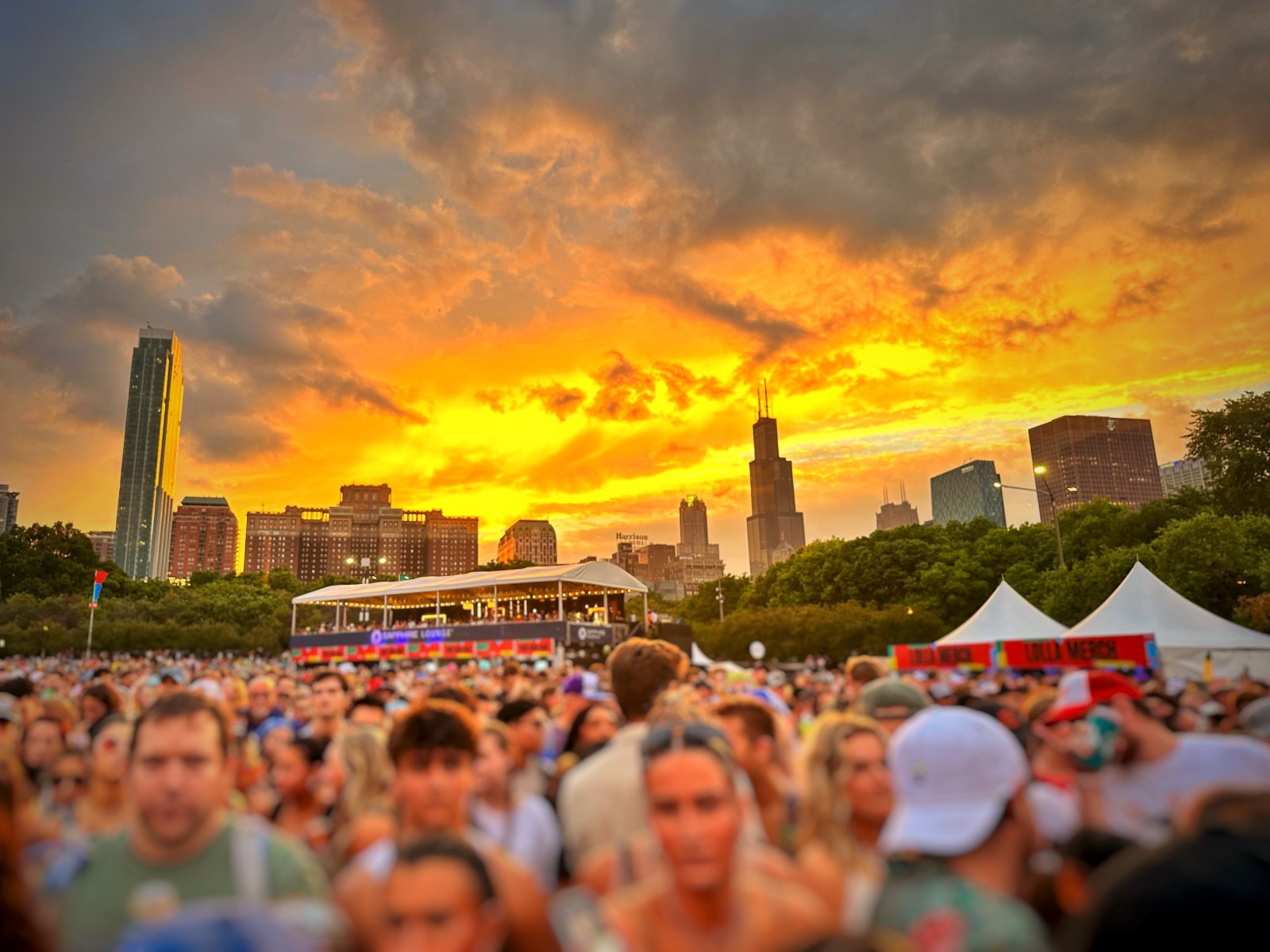
You can spend the entire day walking, dancing, and imagining how easily you will fall asleep, only to get into bed or your sleeping bag and realise that your mind is still at the final set.
Festivals do not come with a natural wind-down. One moment you are surrounded by music, lights, movement, and thousands of people, and the next you are expected to settle into a tent or unfamiliar room. Your legs may be exhausted while your mind is still replaying a performance, conversation, or everything you want to do tomorrow.
To help your sleep at a music festival, make your sleeping space comfortable, reduce noise and light where you can, and allow yourself a short transition after the final set. Earplugs, an eye mask, suitable bedding, dry sleep clothes, water, and something easy to eat can all help without requiring you to leave early or follow a strict routine.
For wider advice on supporting your energy and enjoyment throughout an event, our festival wellbeing guide covers sleep, overstimulation, food, pacing, recovery, and staying present.
Table of Contents
Why Can You Feel Exhausted But Still Unable To Sleep At A Festival?
Physical tiredness and readiness for sleep are not always the same thing. You can have sore legs and desperately want to rest while remaining mentally alert, excited, or overstimulated.
A festival day may include hours of loud sound, changing light, physical movement, social interaction, navigation, and small decisions about where to go next. Anticipation also plays a part, especially when you have been waiting months for a favourite performer.
Once the music finishes, your surroundings may change quickly, but your thoughts and energy can take longer to slow down. Bright light, late activity, caffeine, alcohol, unfamiliar meal times, and a changed bedtime may add to that feeling.
Your body clock is influenced by signals such as light, activity, sleep timing, and routine. This helps explain why physical exhaustion alone may not produce immediate sleep, particularly when the festival has kept you active and alert much later than usual.
You might struggle to fall asleep because you still feel mentally energised, wake repeatedly because of noise or temperature, or have too little time before the campsite becomes active again. Identifying which part of the night is difficult makes it easier to choose advice that may help.
Curious to explore the science behind this?
This blog draws on established behavioural science research and applies these principles to travel contexts. Sources are linked in our Evidence & Further Reading section.
Why Your Mind Is Still Awake After The Final Set
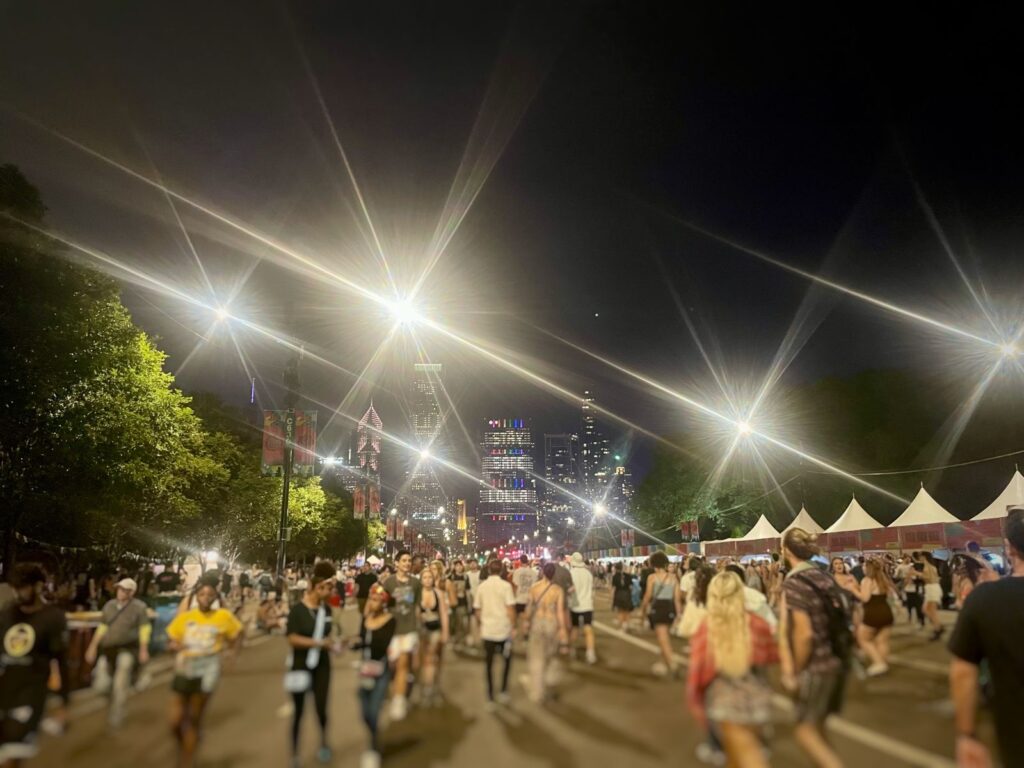
A festival can end abruptly from a sleep perspective. There is rarely a quiet period between the final performance and trying to rest.
You may still be thinking about the best set of the day, a conversation with friends, something you missed, or tomorrow’s line-up. Even enjoyable experiences can keep the mind active when there has been little opportunity to process them.
Excitement is not a sleep failure. It is an understandable response to a full and memorable day. The sound and crowds may disappear quickly, but your thoughts may need more time to follow.
Create A Short Transition From Stimulation To Rest
You do not need to recreate your normal bedtime routine. A small change in pace can make the move from festival to sleep feel less sudden.
The journey back may provide part of this transition naturally. Moving away from the busiest area, walking to the campsite, or sitting on transport gives your surroundings time to become quieter.
Once you return, change into clean, comfortable clothes, wash or shower if you want to, and lower the lighting. If you are with friends, conversation can gradually become calmer rather than everyone attempting to fall asleep immediately.
Familiar cues from home may also help. Brushing your teeth, washing your face, listening to something quiet, or making a cup of caffeine-free tea if available can signal that the active part of the day is ending.
Try to avoid turning a quick check of photos and messages into another hour on your phone. Festival videos, social media, and group chats can easily bring the night’s energy into bed with you.
If your mind keeps returning to tomorrow’s plans, briefly check the essentials or note what you want to remember. You can then leave the rest until morning rather than trying to hold everything in your head.
How To Make A Festival Tent Or Hotel Room Easier To Sleep In
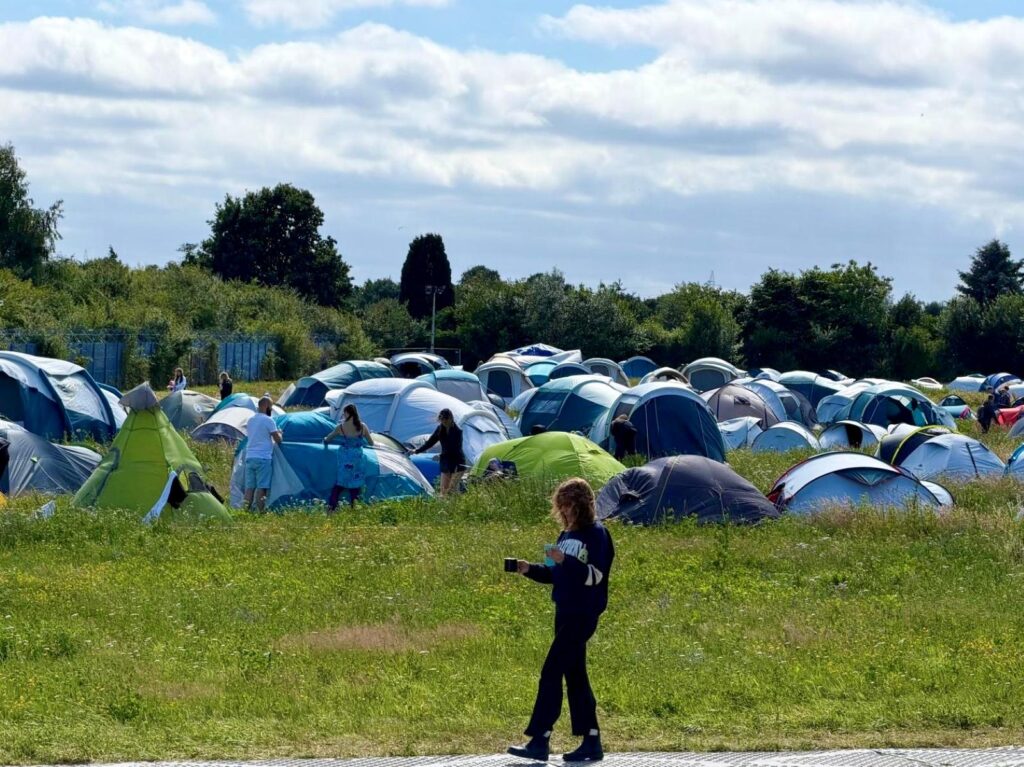
Your surroundings still matter. A short wind-down will not compensate for lying directly on cold ground, trying to sleep in damp clothes, or being beside the busiest campsite walkway.
If you are camping, use a sleeping mat that provides cushioning and insulation from the ground, along with a sleeping bag suited to the expected overnight conditions. A small pillow, dry sleep layer, and clean socks can make the tent more comfortable after a long day.
Earplugs and an eye mask address two of the most common festival sleep problems: continuing noise and early light. Try unfamiliar earplugs before the event because an uncomfortable pair will be difficult to tolerate at 2 am.
Choose a pitch away from toilets, main paths, communal spaces, and late-night entertainment where possible. Check the ground before setting up and follow the festival’s designated camping and safety rules.
Keep water, an easy snack, a head torch, and anything you normally need before bed within reach. Arranging these items before leaving for the festival means you will not need to search through bags when you return tired.
Our festival wellbeing packing list covers a fuller range of items for sleep, energy, heat, comfort, and recovery.
Reduce Noise, Light, Heat, And Other Reasons You Wake Up
Falling asleep is only one part of festival sleep. You may also wake because the temperature changes, people return to nearby tents, or morning light reaches you much earlier than expected.
You cannot make a campsite silent, but comfortable earplugs can make conversations, tent zips, and distant music less intrusive. An eye mask can soften artificial lighting and early sunlight, particularly when the tent becomes bright soon after sunrise.
Temperature can change considerably across the night. Bring layers that are easy to add or remove and avoid sleeping in clothes that have become damp from rain or sweat.
Tents can also become extremely warm after sunrise. Use the available ventilation when it is safe to do so, and choose morning shade if a suitable pitch is available. If the tent becomes excessively hot, get out and find somewhere cooler rather than trying to continue sleeping in uncomfortable or unsafe conditions.
In a hotel, close the curtains fully, set a comfortable temperature where possible, and check for small light sources that may become more noticeable once the room is dark.
These adjustments cannot recreate your bedroom at home, but they can prevent one manageable problem from repeatedly waking you.
Consider Food, Water, Caffeine, And Alcohol Before Bed
Festival schedules can make normal meal times disappear. If you ate early and then spent several more hours walking and dancing, hunger may become noticeable as soon as everything becomes quiet.
I do not usually eat particularly late, but after a long festival day, I have found that a small snack before bed can help. Keep something easy at your accommodation, especially when late-night food options may be limited or expensive.
Drink some water too, particularly after a hot day or if you have consumed alcohol. Avoid forcing a large amount immediately before bed if it means repeatedly waking to visit distant campsite toilets.
Caffeine consumed later in the day may continue affecting alertness when you are ready to sleep. If you know you are sensitive to it, switching to something else before the evening headliners may make settling easier.
Alcohol can make you feel sleepy initially while contributing to more disrupted sleep later. Eating enough, drinking water regularly, and remembering that alcohol may affect the quality of your sleep can help you make choices that suit the rest of your weekend.
What To Do When You Can’t Sleep At A Festival
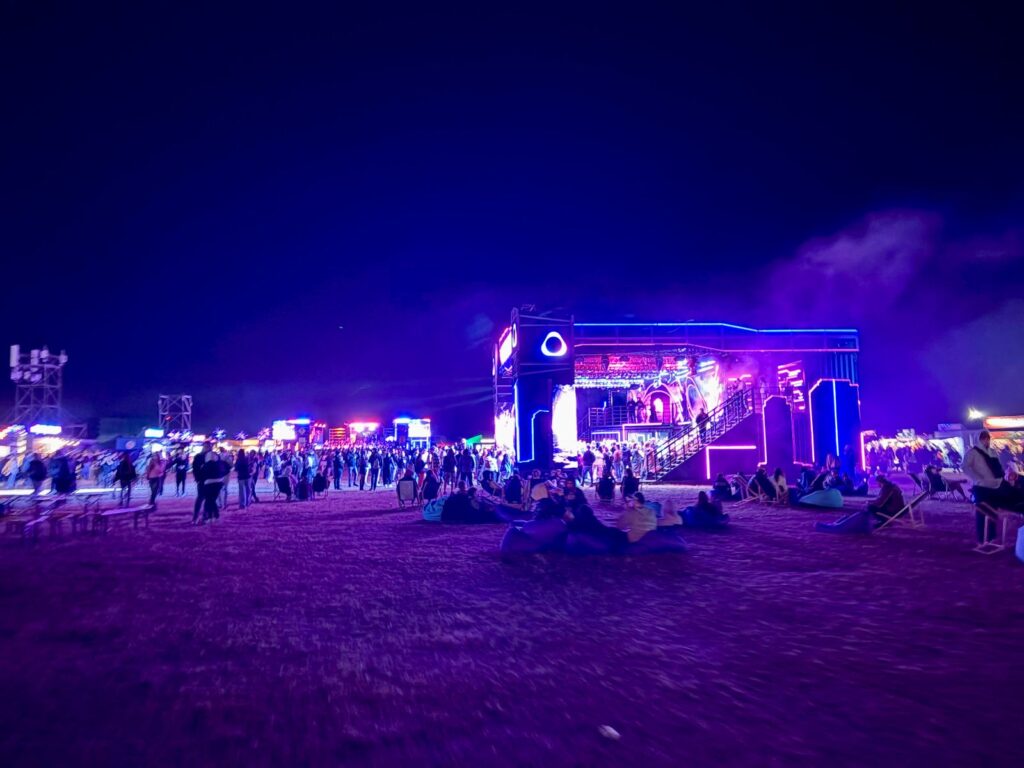
If you are still awake, first check whether something practical is keeping you uncomfortable. You may need another layer, a small snack, less light, better ventilation, or an adjustment to your earplugs or bedding.
Try not to check the time repeatedly. Watching the available hours disappear can add frustration to an already imperfect night.
If your mind is still at the festival, allow the excitement to be there without continuing to feed it with videos, messages, or schedule planning. Quiet rest is not the same as sleep, but becoming angry about being awake can make the night feel longer.
Waking during the night is also common in an unfamiliar environment. Make yourself comfortable again and give sleep time to return.
If you feel acutely unwell, severely overheated, confused, short of breath, or unsafe, seek assistance rather than treating it as an ordinary sleep problem.
How Poor Sleep Can Affect The Next Festival Day
Poor festival sleep can affect more than energy. You may notice that queues require more patience, dense crowds feel harder to tolerate, or changes to the plan become more irritating than they normally would.
When you are already tired, noise, heat, crowds, and repeated decisions may feel more demanding than they did the previous day. Choosing food, finding friends, navigating the site, and deciding when to leave a stage can all require more attention.
This does not mean the day is ruined. Start with food, water, a shower or wash, and enough time to wake up properly. Protect the performances that matter most and allow less important parts of the schedule to remain flexible.
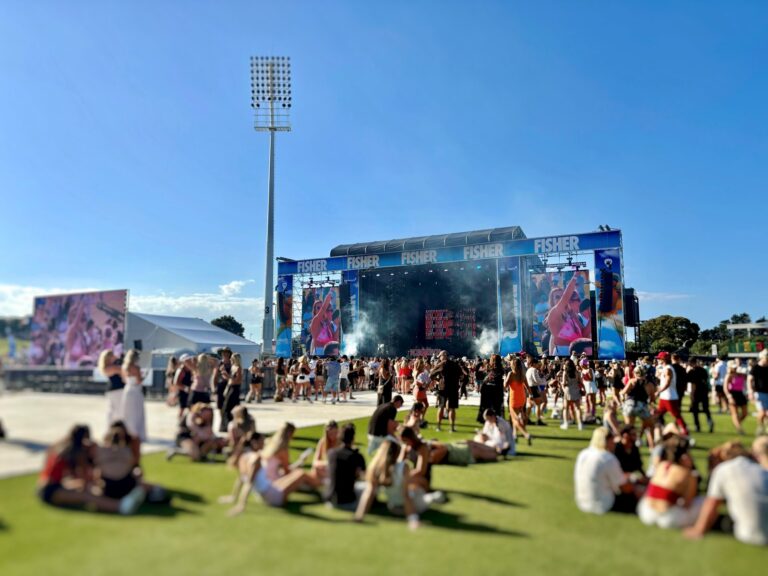
At Electric Avenue, we arrived earlier on day two, before the venue had filled. Although we were tired from the previous day, entering while the site was still calmer gave us time to settle before the largest crowds arrived.
Watching an early set from farther back, sitting while you eat, or spending longer at one stage can preserve some attention and energy for later. The guide to surviving a two-day music festival explores how walking, crowds, food, and first-day excitement can also contribute to the familiar day-two slump.
Choosing Camping Or A Hotel For Better Sleep At A Festival
Some people can sleep almost anywhere. I am not one of them. I am a light sleeper who wakes easily at conversations, footsteps, tent zips, and music in the distance.
If you already struggle to sleep in an ordinary campsite, a festival campsite is unlikely to become easy purely because you are exhausted. Quieter camping, family camping, glamping, or a pitch away from the busiest areas may be worth considering where they are available.
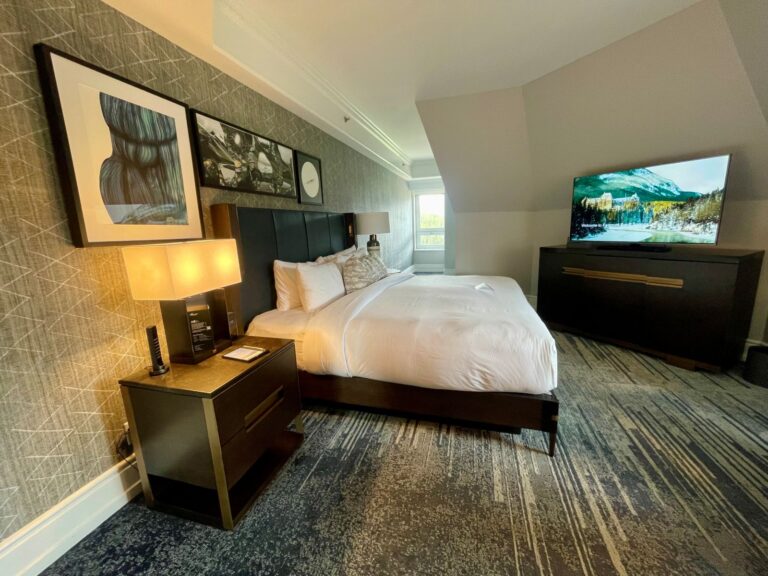
A hotel, hostel, or rental can provide more control over noise, light, temperature, and bedding. It may cost more and involve additional travel, but the trade-off can be worthwhile when poor sleep quickly affects your enjoyment.
At a recent festival, I found that paying more for a hotel was worth it. A proper bed and quieter environment made a noticeable difference to my energy the next day, allowing me to enjoy the performances rather than spending most of the afternoon recovering.
Camping can still be an enjoyable part of a festival. Choosing somewhere quieter does not make the experience less authentic. The better option is the one that works with your budget, transport, preferences, and the way you actually sleep.
Festival Sleep FAQs
How Do You Sleep at a Noisy Music Festival?
Use comfortable earplugs and choose a pitch or room away from paths, toilets, communal areas, and late-night entertainment where possible. Complete silence is unlikely, but reducing the volume can make the noise less intrusive.
How Do You Sleep in a Tent at a Festival?
Use a sleeping mat that provides cushioning and insulation, a sleeping bag suited to the overnight conditions, dry sleep clothes, earplugs, and an eye mask. Keep water and anything you may need during the night within reach.
Is a Camping Mat or Airbed Better for a Festival?
A camping mat is generally easier to carry and can provide insulation from the ground. An airbed may offer more cushioning but requires more space and can lose air. Choose according to your transport, comfort needs, and camping setup.
How Do You Keep a Festival Tent Cool in the Morning?
Use the tent’s ventilation panels and choose morning shade where a suitable and safe pitch is available. An eye mask can help if increasing ventilation allows more light inside. Leave the tent if it becomes excessively hot.
Should I Leave the Festival Early to Sleep?
Not necessarily. If the headliner matters to you, staying is part of the experience. During a longer festival, you might choose an earlier night when the final act is less important, but it does not need to become a rule.
Does Resting Make Up for Poor Festival Sleep?
Quiet rest or a slower period during the day may help you feel less drained, but it does not provide all the same benefits as sleep. Use rest as additional support rather than expecting it to replace the night completely.
Better Sleep Is About Enjoying More, Not Missing Out
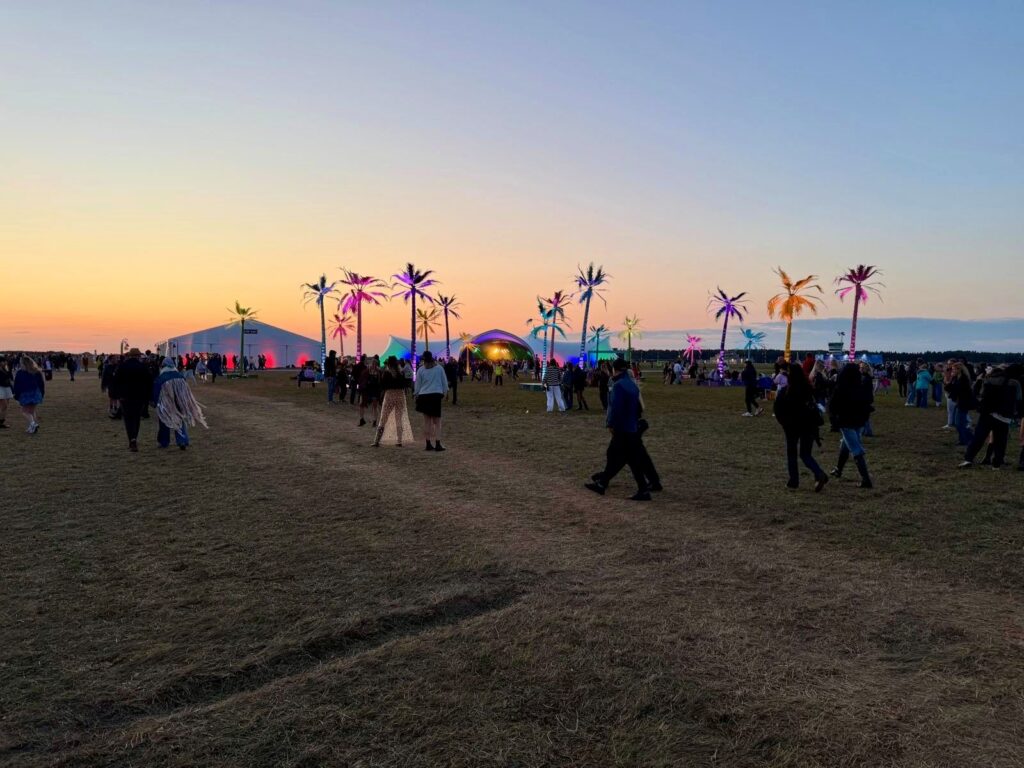
Festival sleep may still include distant music, early sunlight, or a mind replaying the best parts of the night. A short transition after the final set, a comfortable sleeping space, and less noise and light can make the return to rest easier without making the evening feel controlled.
Some of the best parts of a multi-day festival happen after the first night: discovering an artist you did not plan to see, returning to a favourite stage, and building towards the next headliner with friends.
Learning how to sleep at a music festival is ultimately about having more attention and energy for those moments. Stay for the performances that matter, enjoy the excitement, and make rest a little easier when the music ends.
For more psychology-informed guidance on enjoying festivals and travel while supporting your wellbeing, explore Nomadic Balance.
This article is for general informational purposes only and is not intended to replace personalised medical, psychological, or professional advice.