How to Stay Healthy on Long-Haul Flights: A Wellbeing-First Guide
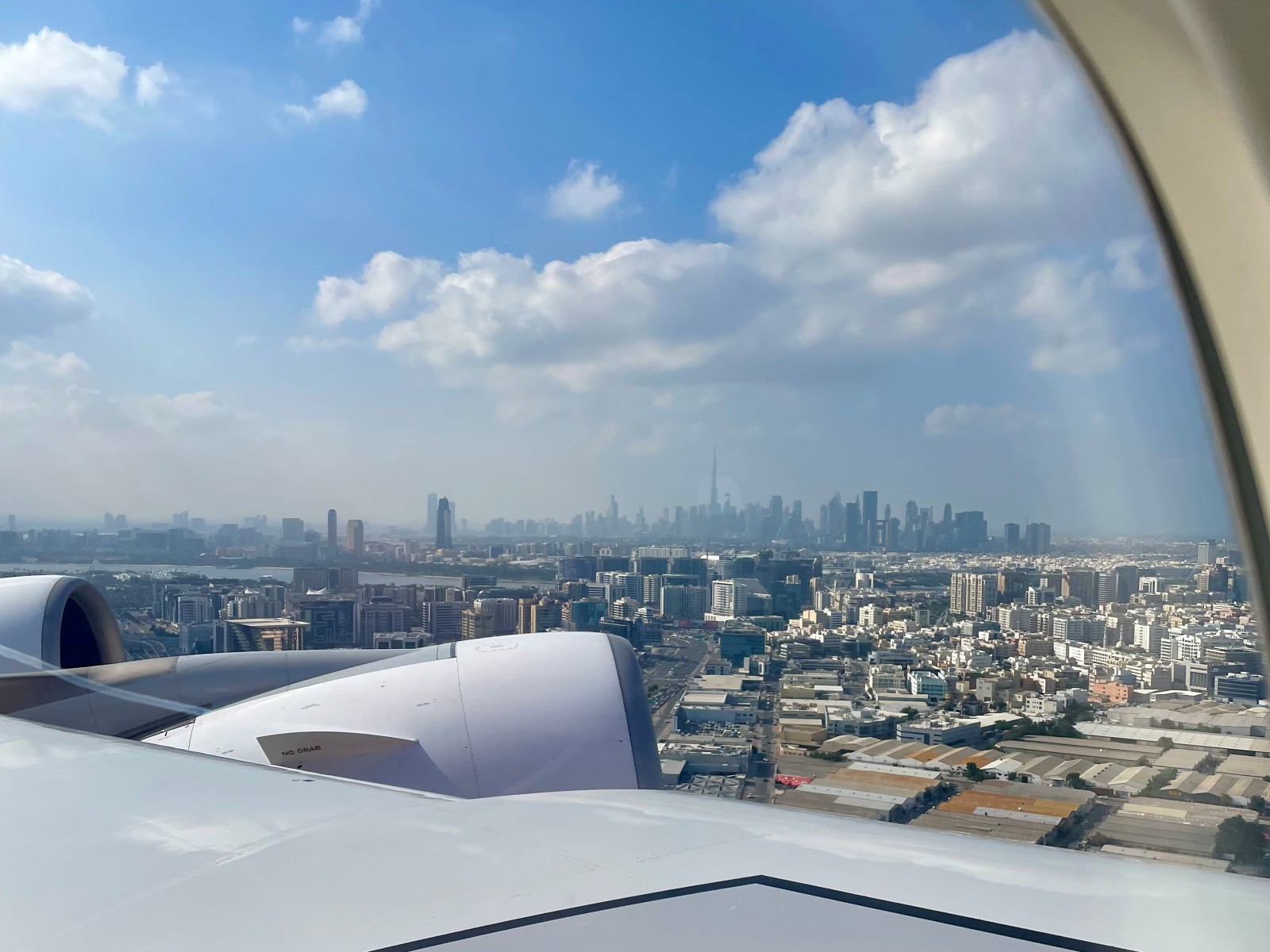
Long-haul flights can take you somewhere you have been looking forward to for months, but the journey itself is rarely the most enjoyable part. Extended sitting, dry cabin air, disrupted sleep, irregular meals, and hours of background noise can leave you feeling stiff, tired, and disconnected from your usual routine before the trip has properly begun.
Learning how to stay healthy on long-haul flights is less about following a perfect routine and more about making the cabin environment a little easier on your body. I have found that when I take care of a few small things along the way, the flight feels more like part of the transition into a new place and less like something I need to recover from.
This guide focuses on manageable ways to support hydration, movement, digestion, rest, and comfort in the air. You will not always be able to sleep well, choose your preferred meal, or move whenever you want, but even a few supportive habits can help you arrive feeling more comfortable and ready to enjoy where you are going.
You can find more practical guidance for supporting your mental and physical wellbeing through the Nomadic Balance home page.
Table of Contents
Why Long-Haul Flights Can Feel So Draining
A long flight brings together several conditions that are different from everyday life. You may spend ten or more hours in one seat, eat at unfamiliar times, sleep under artificial light, and remain surrounded by continuous noise and activity. Cabin air is also very dry, while lower cabin pressure can contribute to sensations such as tiredness, headaches, or mild discomfort in some passengers.
None of this means that flying is inherently harmful for most healthy travellers. It does explain why you can feel drained after a flight even when the journey went smoothly.
Healthy flying habits can reduce some of that discomfort as it develops. The aim is not to control every part of the journey, but to give your body enough water, movement, food, rest, and familiarity to cope with an unusual environment.
Curious to explore the science behind this?
This blog draws on established behavioural science research and applies these principles to travel contexts. Sources are linked in our Evidence & Further Reading section.
Hydrate Regularly During the Flight
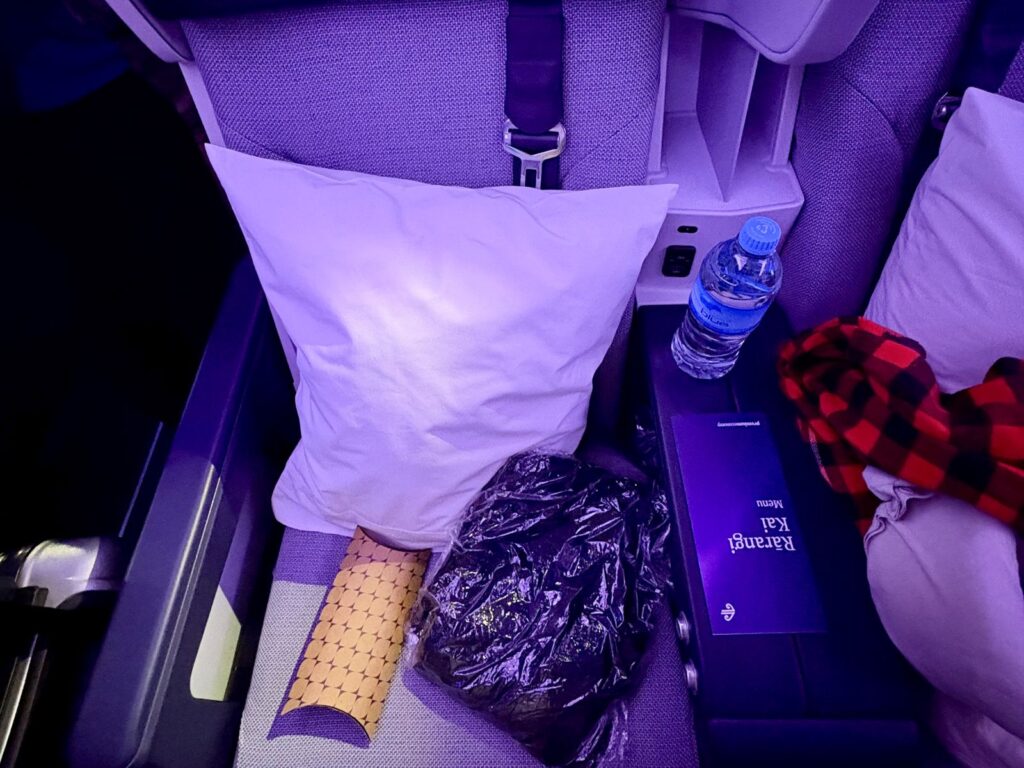
Plane cabins have very low humidity, which can leave your mouth, nose, eyes, lips, and skin feeling dry. Some travellers also drink less than usual because they do not want to disturb another passenger or make repeated trips to the bathroom.
There is no need to force excessive amounts of water before or during a flight. Drinking normally before departure and taking regular sips on board is generally more comfortable than waiting until you feel very thirsty and then drinking a large amount at once. Carrying a refillable bottle also makes it easier to keep track without relying entirely on the cabin service.
Electrolyte or vitamin tablets are not essential for most healthy travellers, but some people find them helpful if they struggle to drink enough water on flights, as they can improve the taste and make hydration feel easier. If you use them regularly, check the ingredients, particularly sodium and sugar content, and consider whether they are appropriate for your individual needs or any health conditions.
Alcohol can make sleep more fragmented and may leave you feeling worse on arrival, even if it initially makes it easier to drift off. You do not have to avoid it altogether, but alternating an alcoholic drink with water and keeping the amount moderate can make the later hours of the flight more comfortable.
Move Little and Often
Remaining seated for several hours can contribute to stiffness, swelling, and the heavy feeling many people notice in their legs and feet after landing. Small movements will not turn the flight into a workout, but they can help you remain more comfortable.
Ankle circles, calf raises, gentle shoulder rolls, and changing your seated position are all possible without much space. When the seatbelt sign is off and it is safe to do so, walking to the bathroom or briefly moving along the aisle gives your legs a chance to straighten.
I tend to think of movement as a way to preserve comfort rather than something to begin only once my back or legs already feel stiff. It also creates a small mental break during a journey in which one hour can easily blend into the next.
Long periods of sitting can slightly increase the risk of deep vein thrombosis, although the risk is low for most travellers. If you have any risk factors or concerns, speak to a healthcare professional before flying.
Eat in a Way That Feels Comfortable
Airline meals are designed around storage, reheating, and service requirements rather than your usual eating pattern. They may also arrive when you are not particularly hungry or when your body expects to be asleep.
You do not need to eat every meal because it has been placed in front of you. Paying attention to hunger, eating slowly, and stopping when you feel comfortable can reduce the likelihood of spending the next few hours feeling overly full. If you know that certain rich, spicy, or high-fibre foods tend to cause digestive discomfort, a long flight may not be the ideal time to test your tolerance.
Bringing a few familiar snacks gives you another option if the meal does not suit your dietary needs or arrives at an awkward time. Fruit, plain popcorn, ricecakes, nuts, or a snack bar can all work, depending on what you tolerate well and what you are permitted to bring through customs or security. Choosing foods that are simple and not strongly scented can also make the shared cabin environment more comfortable for everyone over a long journey.
Peppermint or ginger tea can be a comforting choice if it normally agrees with you, offering a familiar, soothing ritual during the flight, although it should not be treated as a remedy for ongoing digestive symptoms.
If you would like to make more informed choices without becoming rigid about travel food, our guide to eating fewer ultra-processed foods while travelling offers a similarly flexible approach.
Support Rest Even If You Cannot Sleep
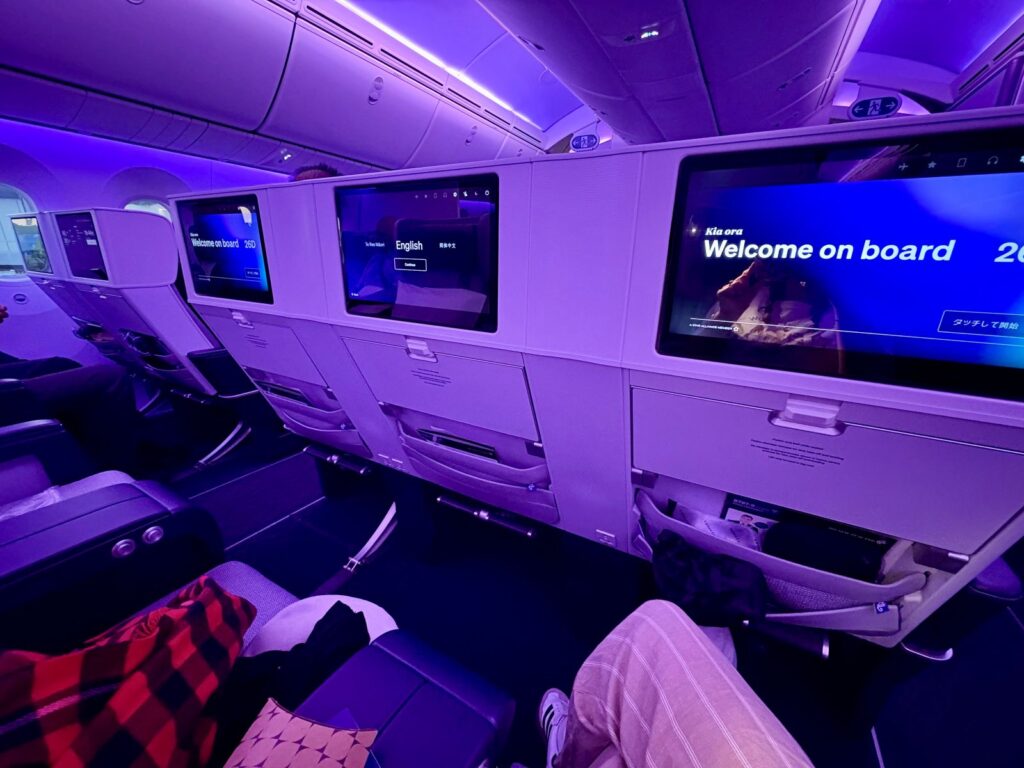
Sleeping on a plane can be difficult. Seats are unfamiliar, announcements interrupt the cabin, and your body clock may still be working according to the time at home. Putting pressure on yourself to achieve a full night of sleep can make the process feel even more frustrating.
Instead, it can help to create a period of lower stimulation. An eye mask, a comfortable extra layer, earplugs or noise-cancelling headphones, and less screen use before your intended rest period can make the environment feel more settled. Reclining when permitted and supporting your neck may also make it easier to relax, even if you only sleep briefly.
Closing your eyes and listening to familiar music, an audiobook, or a calming podcast is not equivalent to sleep, but it still provides a break from screens and the constant activity around you. A disrupted rest period does not mean the first day of your trip is ruined. You may just need a lighter schedule and an earlier night once you arrive.
For further help, see sleeping well while travelling. If your flight crosses several time zones, our guide to recovering from jet lag explains how light exposure, sleep timing, and your body clock affect the adjustment.
Manage Dry Cabin Air
Dry cabin air can gradually make your skin, lips, eyes, and nasal passages uncomfortable. This is usually more annoying than serious, but small sources of discomfort can become much more noticeable after several hours in one seat.
Lip balm, moisturiser, and saline nasal spray can be useful if these are products you already tolerate. Travellers who wear contact lenses may find that glasses are more comfortable during at least part of the flight. A scarf or soft layer can also help if the cabin air feels cold or is blowing directly towards you.
For me personally, I always pack a small set of hydration essentials on long-haul flights: a face mist, face wipes, moisturiser, lip balm, and hand cream. I find this combination helps me stay comfortable when the cabin air feels particularly dry, without needing anything overly complicated.
These comforts are not about creating an elaborate in-flight routine. They can prevent minor irritations from taking over your attention, leaving you more able to read, watch a film, talk to your travel companion, or look forward to what you will do after landing.
Create a Calmer Headspace
Long flights can be mentally tiring even when nothing goes wrong. You have limited personal space, little control over the environment, and few opportunities to change what you are doing. For nervous flyers, turbulence and unfamiliar sounds can add another layer of alertness.
Familiarity can make the environment feel more manageable. Downloading a favourite playlist, TV series, audiobook or podcast before departure gives you something predictable to return to. I have a sleep playlist of my favourite artist, Lana Del Rey, which I find especially comforting on long haul flights. Slow breathing, allowing the exhale to last slightly longer than the inhale, may also help you feel more settled.
Journalling can provide a gentle transition between home and the trip ahead. You might write down what you are looking forward to, note any practical tasks for arrival, or record a few thoughts from the journey. The purpose is not to force yourself into a particular mood, but to give your attention somewhere calmer to rest.
Our Attention & Prescence Guides explore further ways to reduce overstimulation and remain connected to the experience of travelling.
Pack a Small Flight Wellbeing Kit
A small group of familiar items can reduce the number of decisions you need to make once you are on board. There is no universal kit, and you do not need to buy expensive travel products to create one.
An eye mask, earplugs, lip balm, moisturiser, a refillable water bottle, a warm layer, and one or two familiar snacks will be enough for many travellers. Depending on your needs, you might also bring a saline spray, travel pillow, notebook, glasses, or any medication you require.
Keep essential medication and important personal items in your cabin bag rather than checked luggage. Medication rules, liquid limits, and documentation requirements can vary between destinations, so check official guidance for the countries and airports involved before you travel.
I have a small bag that I keep by my seat with all my essentials, including my skin products, hand sanitiser, tissues, and my Bose over-ear noise-cancelling headphones, which have made the biggest difference to international flying. Having everything within easy reach means I can stay comfortable and settled without constantly getting up or searching through the overhead locker.
Keeping roughly the same small collection of items for each flight can also make packing easier. The aim is not luxury or a picture-perfect routine. It is to have a few reliable options available when the cabin becomes cold, dry, noisy, or uncomfortable.
Give Yourself an Easier Arrival
Looking after yourself on the plane can help, but it cannot remove the effects of crossing time zones, losing sleep, or spending a full day in transit. Planning a gentler arrival can be just as valuable as anything you do in the air.
Where your schedule allows, avoid filling the first few hours with demanding plans. Drinking some water, eating a familiar meal, taking a shower, going for a short walk in daylight, and confirming the next day’s arrangements may be enough.
This does not mean sacrificing the excitement of arriving somewhere new. A slower first evening can leave you with more energy to explore the following day, rather than using all your remaining attention on complicated plans immediately after landing.
Long-Haul Flights as Part of the Journey
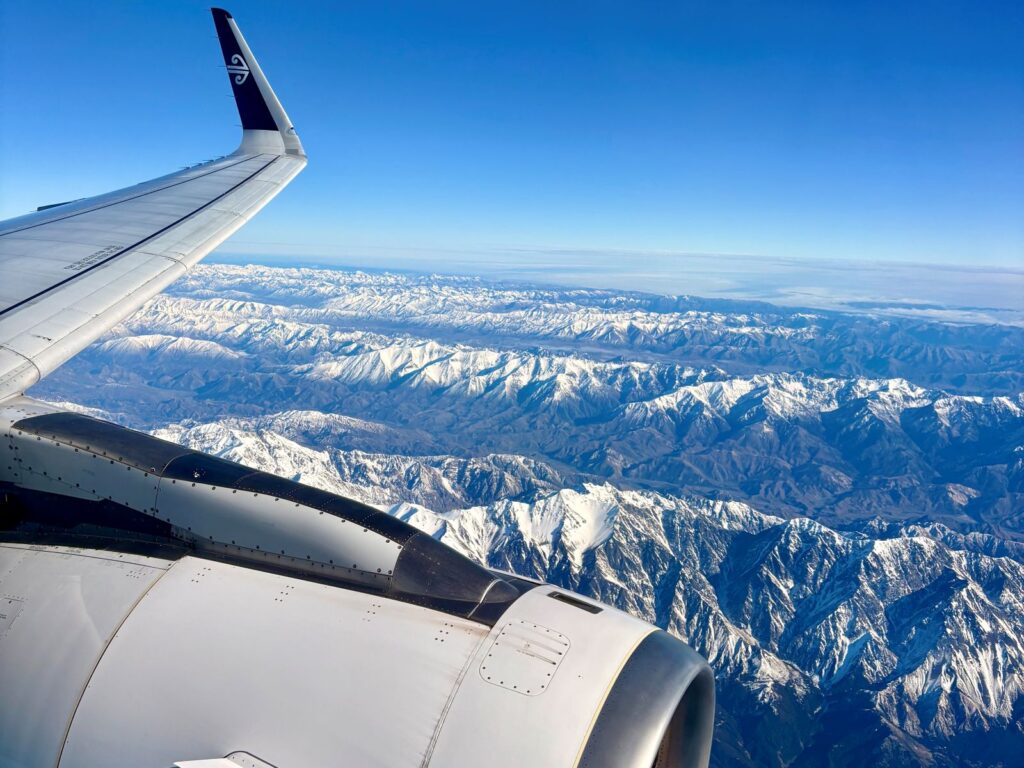
Long-haul flights are demanding by nature, and you may still arrive tired after doing all the “right” things. Wellbeing during a flight is not measured by perfect hydration, eight hours of uninterrupted sleep, or following a strict routine from take-off to landing.
It is about responding to what you need as the journey unfolds. A drink of water, a walk along the aisle, a familiar snack, or an hour away from your screen may seem minor, but together these choices can make a long flight feel more manageable.
The goal is to arrive with enough comfort and energy to reconnect with the reason you travelled in the first place, whether that is exploring somewhere new, spending time with people you care about, attending an event, or returning to a place that feels familiar.
This article is for general informational purposes only and is not intended to replace personalised medical, psychological, or professional advice.