How Hiking While Travelling Supports Mental Health (And Why It Works Better Than You Expect)
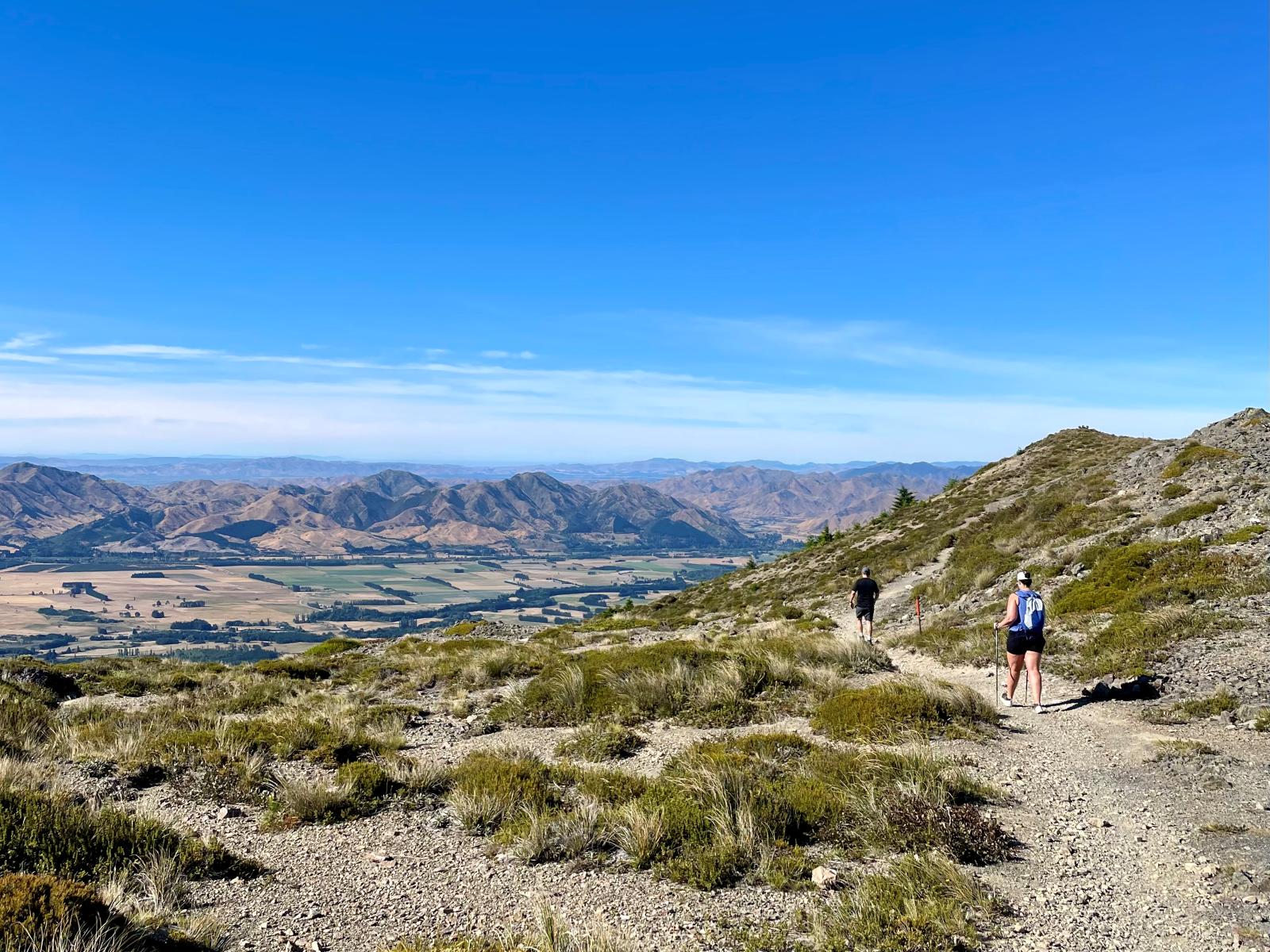
Travel often feels like constant movement, but internally it can have the opposite effect. Long transit days, repeated decisions, crowded environments, and ongoing screen exposure all add up. You might not notice it straight away, but your body is already responding to it.
At Nomadic Balance, the focus is on helping you travel in a way that actually supports how you feel day to day, not just where you go, but how your trip feels while you are in it. This is often when people start looking into the mental health benefits of hiking while travelling or the benefits of being outdoors, without fully knowing what they actually need.
Hiking can help, but not in the way most travel advice explains it. It is not just about fitness or “getting outside.” What matters more is how it changes the way your brain processes the environment around you.
Table of Contents
What Happens To Your Brain When Hiking While Travelling
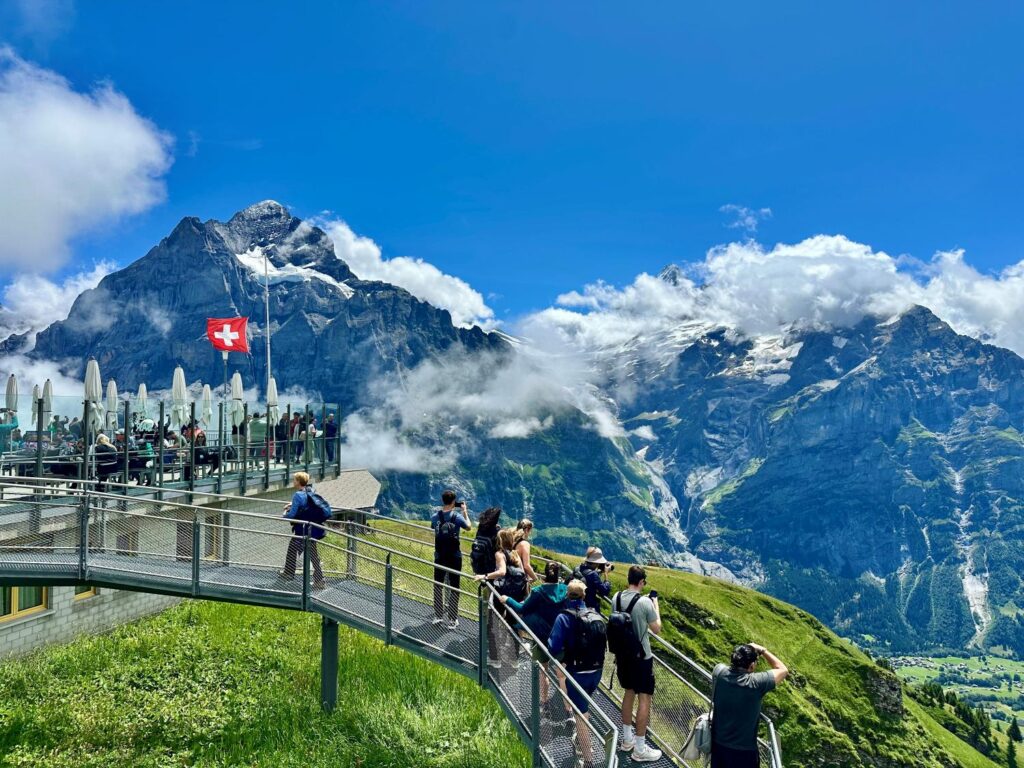
When you step onto a trail, a few things begin to change. Firstly, your cognitive load starts to drop. In busy environments, your brain is constantly filtering noise, movement, signage, and social cues. On a trail, that demand reduces, as there are fewer decisions to make; you follow a path and keep moving. That simplicity has a real effect on how mentally taxed you feel.
Secondly, your attention begins to recover. Natural environments tend to hold your attention without requiring effort. You stay engaged, but not in a way that feels draining. This is one reason even a short nature walk for mental health while travelling can feel more restorative than sitting or scrolling.
Thirdly, your stress response can begin to ease. The steady pace of walking, combined with more predictable and less intense sensory input, helps your body come out of a constantly alert state into something calmer.
After a short period of walking, many people notice their thoughts feel less crowded and decisions feel easier to manage.
Why Hiking While Travelling Feels Different
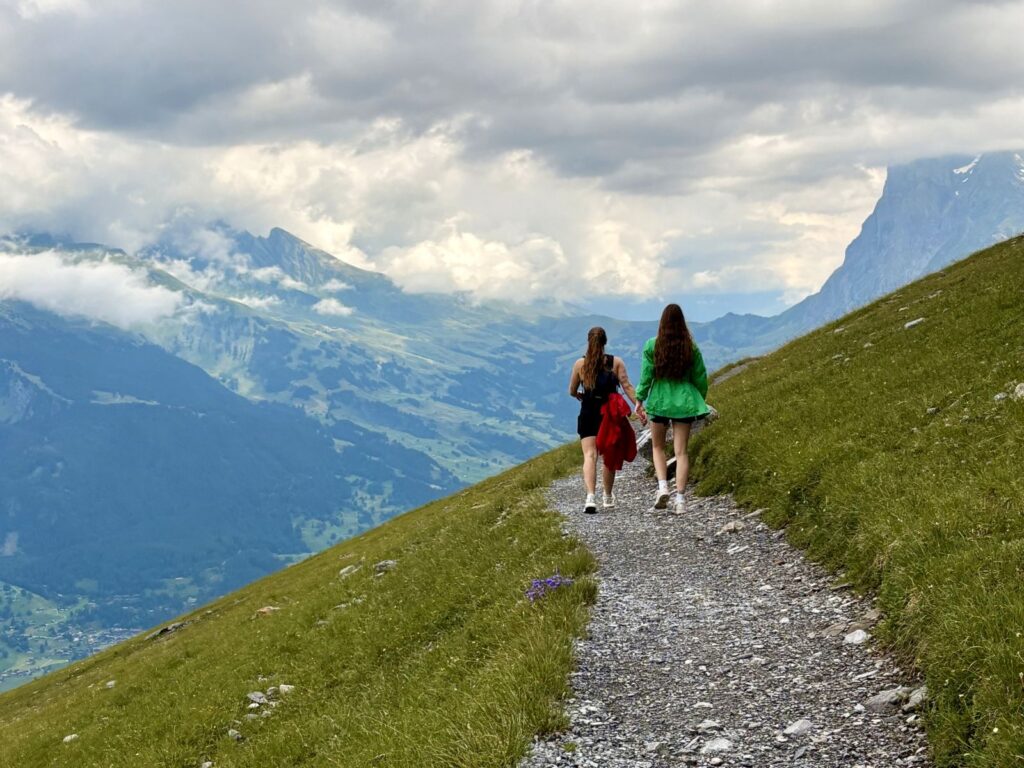
The same walk at home does not always feel the same. When you are travelling, this shift often feels more noticeable.
You are already outside your usual routine, often making more decisions and processing more new information than usual. Moving from a busy street or structured day into a quiet trail creates contrast, and that contrast can make the mental reset from hiking while travelling feel clearer.
Travel can also reduce some of your usual responsibilities. Without the background pressure of daily routines, hiking becomes one of the few spaces where your attention is not being pulled in multiple directions.
Because of this, hiking while travelling for mental clarity can feel more effective, even if the walk itself is simple.
Unexpected Mental Health Benefits Of Hiking While Travelling
Most articles focus on general health benefits like fitness or fresh air. While those are valid, they are not always what travellers are actually noticing. What tends to matter just as much is how you feel internally.
You move out of “tourist mode.” Instead of constantly consuming a place, you move through it more steadily and with less pressure to optimise your time. Your internal pace starts to settle. Travel can quietly speed you up, even when you are trying to relax. Walking helps bring you back to a more natural rhythm.
You may find yourself comparing less. With fewer people, less visual noise, and fewer external cues, there is less to react to.
For some people, it also softens the edge of loneliness. You are not completely isolated, but you are also not required to engage. A few friendly ‘hello’s’ as you pass adds some socialisation without much effort.
Mental clarity often improves as well. Decisions that felt frustrating earlier in the day can feel more manageable after stepping away from a busy environment.
How To Use Hiking As A Mental Reset While Travelling
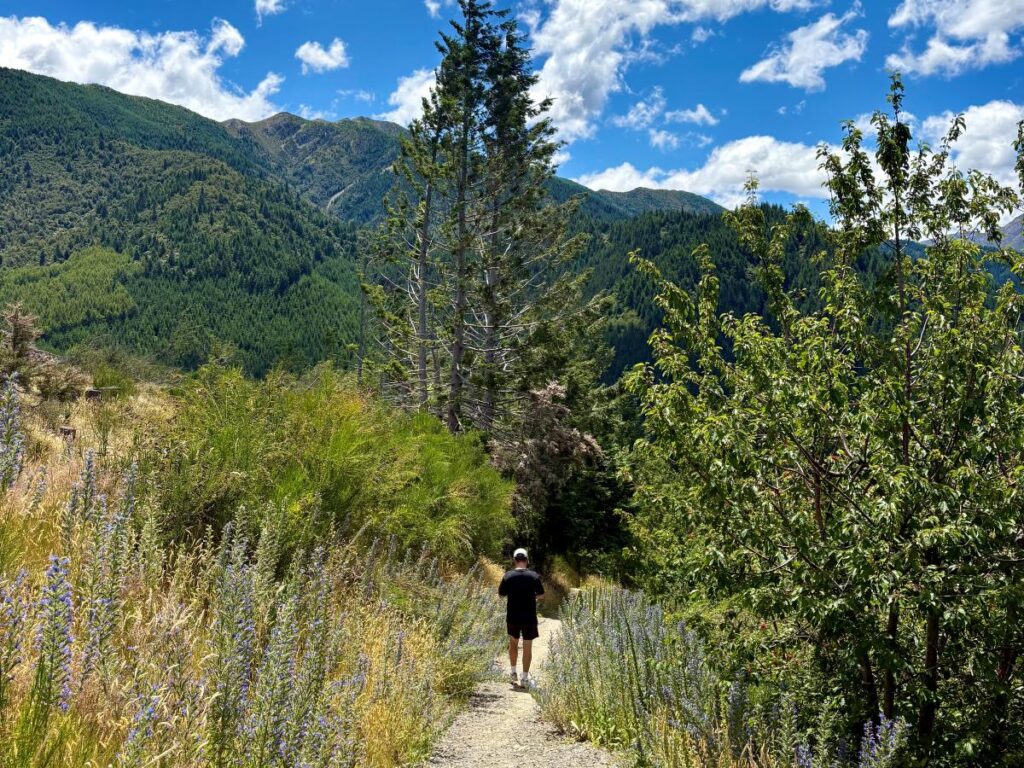
It helps to stop thinking about hiking as something you need to fit into your itinerary and instead see it as a mental reset tool while travelling.
You might use it after a long travel day when everything feels slightly off, or after a few busy days in a city when you start to feel overstimulated. It can also help when you notice yourself overthinking small decisions or feeling mentally scattered.
If you’re already thinking about how to include more movement while travelling, hiking is one of the simplest ways to do it without adding pressure or structure.
In these moments, hiking is not an extra activity. It is a way of giving your system space to settle.
How Long You Need To Hike For Mental Benefits
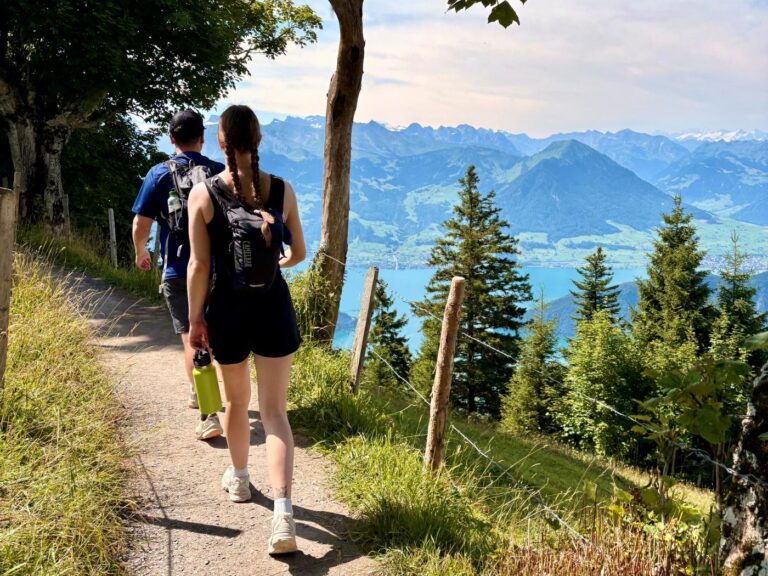
You do not need dramatic landscapes or long distances to feel the mental health benefits of hiking. For many people, around 30 to 90 minutes in a natural setting can be enough to support a noticeable shift in mood and attention.
What matters more than intensity is the environment and the regularity. Short, accessible walks done a few times during a trip often feel more helpful than a single long, demanding hike.
One of the common barriers is assuming hiking has to be a major event. In reality, smaller, easier options tend to be more consistent and more useful.
Easy Ways To Start Hiking Without Overplanning
One of the main reasons hiking while travelling does not happen is not motivation, but friction. If it feels inconvenient, it is easy to skip. Instead of preparing for every possible scenario, focus on making it easy to start.
Have one pair of comfortable shoes that can handle uneven ground. These do not need to be specialist hiking shoes, just something that will support your ankles and knees more than your casual shoes.
Keep a light layer in your bag so changing weather does not become a barrier. Carrying some water, light snacks, and travel-size sunscreen will make it easier to stay comfortable.
If you are using a day bag, make sure it is something you are comfortable walking with for an hour. The goal is not to be fully prepared, but if you can reduce the effort required to begin, it becomes easier to follow through.
Hiking Vs Green Space Exposure While Travelling
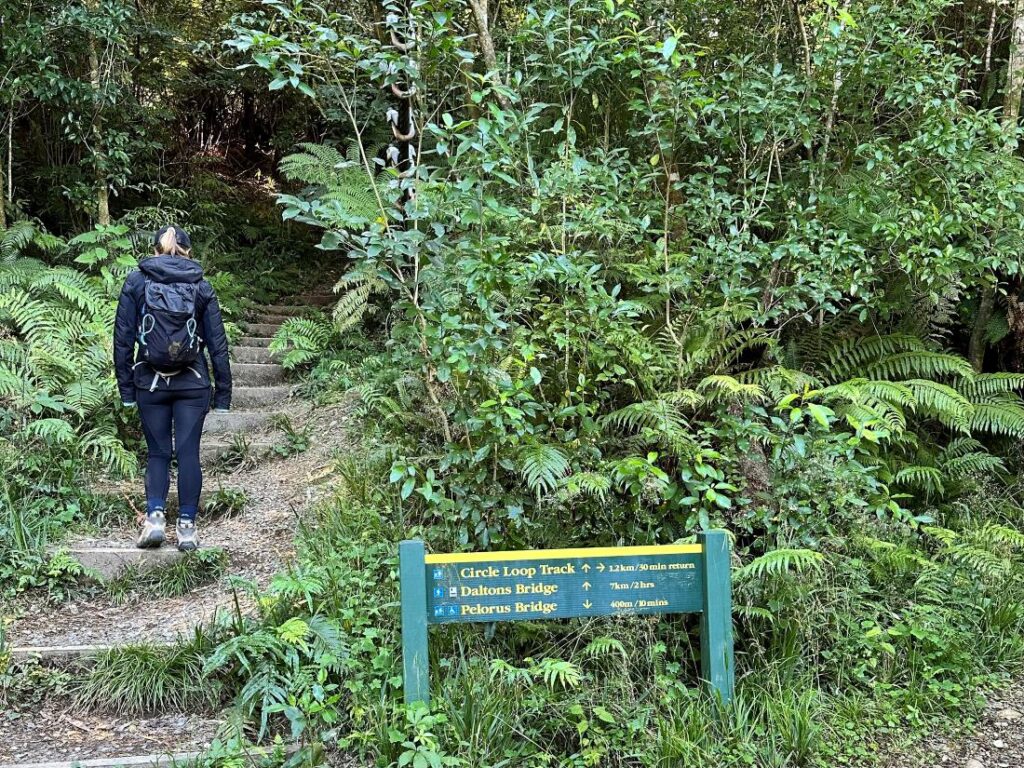
If hiking feels too structured or inaccessible, spending time in green space for mental health while travelling offers a lower barrier starting point.
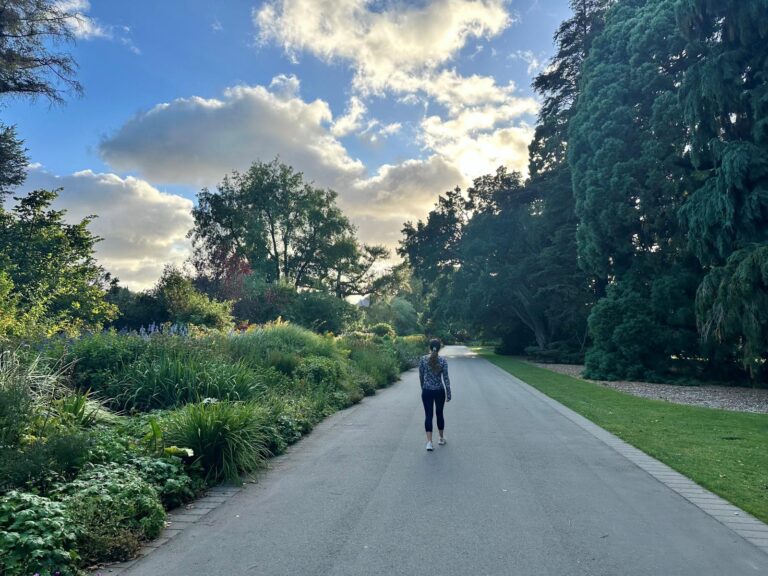
Even being in a quieter park can begin to reduce mental load and support attention. If you’re not near trails, simply prioritising green spaces while travelling can still give you a similar reset without needing to plan a hike.
You can think of hiking as an extension of that same process. It increases the time spent in a lower-stimulation environment and reduces interruptions further.
When To Add Hiking Into Your Travel Itinerary
Sometimes you may be travelling to a place especially for a particular hike. However, you also don’t need to plan your trip around hiking; instead, place it where it supports how you feel.
Early in a trip, it can help you settle after travelling. A nature escape or an outdoor adventure is perfect after a long-haul flight. Midway through your trip, it can break up busy or overstimulating days. Towards the end of your travel, it can help when decision fatigue starts to build after a busy itinerary.
Over time, it becomes less about the hike itself and more about how the rest of your trip feels afterwards.
How Hiking While Travelling Can Support Mental Health
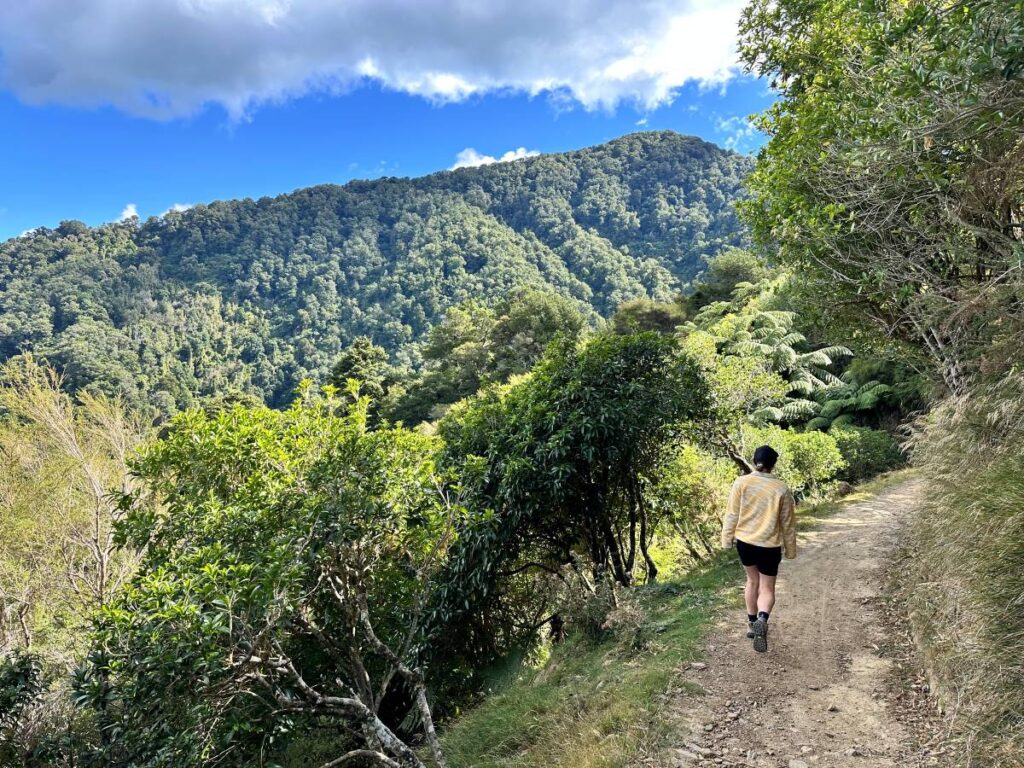
The benefits of hiking while travelling for mental health are often described in physical or general wellbeing terms. While those are valid, they do not fully explain why it feels so helpful when you are travelling.
Hiking supports a shift in how your brain processes your surroundings. It reduces mental load, allows attention to recover, and gives your system a break from constant input.
When you start to use it this way, it becomes less of an occasional activity and more of a simple tool that improves how your trip feels overall.
This article is for general informational purposes only and is not intended to replace personalised medical, psychological, or professional advice.