Immune-Boosting Foods for Travel: What to Eat to Stay Healthy on the Road

Staying healthy while travelling sometimes gets framed as luck. Long flights, crowded spaces, disrupted sleep, unfamiliar food, and changes in climate can all affect how you feel, even during a trip you are excited to be taking.
Packing or seeking out immune-boosting foods for travel can be a useful way to support your wellbeing, but food cannot guarantee that you will avoid becoming ill, and no individual ingredient can transform your immune system overnight. What matters more is eating enough and including a varied range of minimally processed foods that provide the energy and nutrients your immune system needs to function normally.
The challenge is that travel rarely provides ideal eating conditions. Meals become irregular, fresh food can be expensive, and the easiest options are not always the ones that leave you feeling your best.
Nutrition is only one part of feeling well and recovering while travelling. You can find more practical support for sleep, movement, energy, and mental wellbeing in our wider travel wellbeing guides.
How Travel Can Affect Your Immune System
Travel brings you into contact with more people, shared surfaces, unfamiliar environments, and different foods. Flights, air-conditioning, time-zone changes, and busy itineraries can also affect your sleep, hydration, and normal eating routine.
These changes do not necessarily weaken your immune system in a direct or dramatic way. However, several nights of poor sleep, inadequate food, dehydration, and physical exhaustion can leave you feeling depleted and less able to enjoy the trip.
Travel also changes the conditions in which food decisions are made. When you are tired, hungry, or unfamiliar with the available options, the quickest and most recognisable food becomes more appealing. Over a longer trip, fruit, vegetables, fibre, and regular meals can gradually disappear from your routine.
Supporting your immune system while travelling is less about finding one powerful food and more about maintaining the basics: eating enough, including a reasonable variety of nutrients, staying hydrated, sleeping where possible, and following sensible food hygiene.
If crossing time zones is contributing to that exhaustion, Natural Ways to Recover From Jet Lag explains how light exposure, meal timing, movement, and sleep can help your body adjust after arrival.
Curious to explore the science behind this?
This blog draws on established behavioural science research and applies these principles to travel contexts. Sources are linked in our Evidence & Further Reading section.
What Are Immune-Boosting Foods?
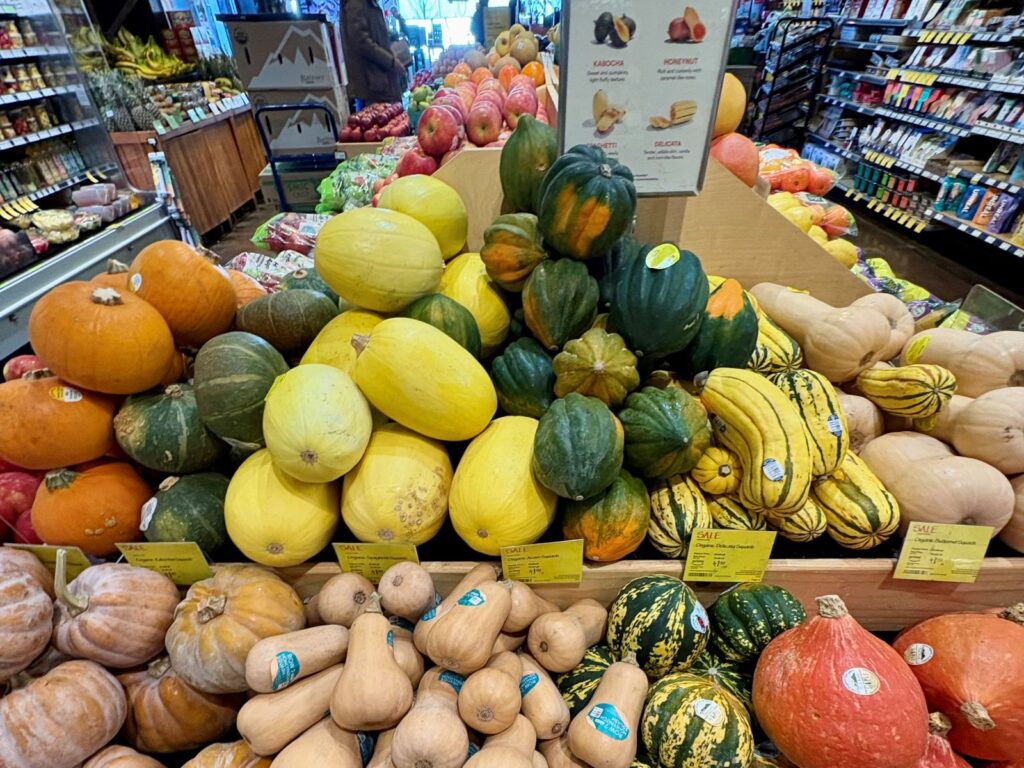
“Immune-boosting foods” is a useful way to describe foods containing nutrients and plant compounds involved in normal immune function. It should not be taken to mean that eating one particular food will prevent or treat an infection.
The immune system relies on adequate energy, protein, vitamins, minerals, essential fatty acids, and communication with the gut microbiome. Deficiencies can affect these processes, but consuming excessive amounts of one nutrient will not necessarily improve them further.
The strongest approach is therefore a varied diet containing fruit, vegetables, whole grains, protein, healthy fats, and minimally processed foods. This can be difficult to maintain perfectly while travelling, but even a few supportive choices can improve the overall balance of a travel day.
10 Immune-Boosting Foods For Travel
The best immune-boosting foods for travel are not necessarily specialist powders, supplements, or expensive health products. Many are familiar foods that can be found in supermarkets, cafés, hotel breakfasts, and convenience stores.
1. Fruit
Fruit is one of the easiest fresh foods to include while travelling because most varieties require little or no preparation. I like picking up apples, mandarins, bananas, or diced mango while on the road, particularly before a long journey.
Citrus fruit, kiwifruit, berries, and other colourful fruits provide vitamin C alongside fibre and polyphenols. Vitamin C contributes to several immune processes, while fibre helps support the gut microbiome.
Different fruits provide different combinations of nutrients, so variety is helpful. However, you do not need to track colours or create a perfectly balanced fruit selection. Choosing whatever is affordable, appealing, and easy to carry is enough.
2. Leafy Greens And Colourful Vegetables
Leafy greens and colourful vegetables provide fibre, folate, vitamin C, carotenoids, and a range of polyphenols. These nutrients and plant compounds contribute to normal immune function, antioxidant defences, and gut health.
When I begin to feel a bit yuck while travelling, rehydrating and eating a meal containing greens frequently helps me feel better. That does not mean green vegetables are curing an illness. The improvement may come from drinking more, eating a proper meal, and adding fibre and micronutrients after several rich meals or irregular travel days.
While travelling through Spain recently, one of our favourite places to eat became Honest Greens, where we could have a delicious, vegetable-filled meal that did not feel like a sacrifice. We returned several times because it gave us a welcome break between supermarket dinners and tapas.
Vegetables do not need to come in a large raw salad. Vegetable soup, stir-fries, cooked greens, frozen vegetables, and vegetable-based sauces can all contribute, depending on what is available.
3. Yoghurt And Kefir
Live yoghurt and kefir can provide protein, calcium, and live microorganisms. The gut microbiome interacts closely with the immune system and helps maintain the intestinal barrier, although the benefits of individual probiotic strains and products vary.
Single-serve yoghurt and kefir drinks can be practical during travel when you have access to refrigeration. They are easy to add to breakfast or buy as part of a supermarket meal.
Not every yoghurt marketed as probiotic has been shown to provide a specific health effect. Choosing a product you enjoy, ideally without excessive added sugar, is more realistic than trying to identify a perfect brand.
4. Nuts And Seeds
Nuts and seeds are compact, filling, and usually do not require refrigeration. They provide protein, fibre, healthy fats, vitamin E, and minerals such as zinc.
Zinc is involved in the development and function of immune cells, while vitamin E contributes to antioxidant defence. Walnuts, chia seeds, and flaxseeds also provide plant-based omega-3 fatty acids.
Almonds, walnuts, pumpkin seeds, and mixed nut packs travel well between meals. Plain or lightly salted varieties can be useful, but flavoured nuts still provide nutrients if those are the ones you enjoy and can find.
Portioning some into a smaller container can make them easier to carry without relying on individual packets throughout the trip.
5. Oily Fish
Salmon, sardines, mackerel, trout, and other oily fish provide protein, vitamin D, and the omega-3 fatty acids EPA and DHA. Omega-3 fats are involved in inflammatory regulation and the production of compounds that help the body resolve inflammation.
Tinned fish can work well during road trips or self-catering stays, while salmon, sardines, or mackerel may be available at hotel breakfasts, supermarkets, and restaurants.
If you do not eat fish, walnuts, chia seeds, and flaxseeds provide alternative forms of omega-3.
6. Eggs
Eggs provide protein alongside selenium, vitamin B12, and smaller amounts of vitamin D. Selenium contributes to antioxidant protection and normal immune function.
They are widely available at hotel breakfasts and can create a more filling start to the day when combined with fruit, vegetables, oats, or bread.
Boiled eggs can also work well as a travel snack when kept properly chilled. We have taken them on plenty of road trips and eaten them early in the journey, before they have been out of the fridge for too long. They are less suited to public transport, however, where the smell may bother other passengers.
Eggs do not need to be chosen instead of local pastries or another breakfast you want to try. Rather, they can be included during the mornings when you want something more substantial.
7. Beans And Lentils
Beans, chickpeas, and lentils provide fibre, plant-based protein, iron, zinc, folate, and polyphenols. Their fibre also supports gut microorganisms that produce short-chain fatty acids involved in maintaining the intestinal barrier.
They can appear in soups, curries, salads, dips, and traditional dishes, making them relatively easy to include across different destinations.
Tinned beans and lentils are useful for self-catering accommodation because they require very little preparation. Hummus can also be a practical addition to a supermarket meal when refrigeration is available.
If you do not regularly eat many legumes, increasing them very quickly may cause bloating. This may be worth considering before a long flight, train, or bus journey.
8. Oats And Whole Grains
Oats and whole grains provide fibre, B vitamins, minerals, and energy. Oats contain beta-glucan, a type of soluble fibre that supports the gut microbiome and has recognised benefits for heart and metabolic health.
Porridge is widely available at hotel breakfasts and can be combined with fruit, nuts, seeds, or yoghurt. Individual oat sachets or cups can also be useful in accommodation with a kettle or basic kitchen.
Wholegrain bread, brown rice, barley, and other grains can add fibre and variety to meals. However, there is no need to reject white rice, fresh bread, or another local staple when it is the most practical or enjoyable option.
The wider dietary pattern matters more than whether every carbohydrate you eat during a trip is wholegrain.
9. Polyphenol-Rich Foods
Polyphenols are compounds found naturally in plant foods. Research suggests they can support antioxidant defences, inflammatory regulation, the intestinal barrier, and the gut microbiome, although their effects vary between different compounds and food sources.
Berries, olives, nuts, seeds, herbs, dark chocolate, black tea, green tea, and coffee are all useful sources that fit easily into travel. A morning coffee, cup of tea, handful of berries, or small portion of dark chocolate can contribute to a varied intake of plant foods without requiring specialist health products.
Local produce, teas, herbs, and vegetable dishes offer further opportunities to include polyphenols while discovering the food of a destination. Eating in a way that supports your health can remain part of the travel experience rather than pulling you away from it.
10. Garlic And Onions
Garlic and onions contain sulphur compounds and polyphenols, while onions also provide prebiotic fibres that can be used by certain gut microorganisms.
Laboratory research has identified antimicrobial and immune-related properties in some of these compounds, but this should not be interpreted as evidence that eating raw garlic will prevent or treat an infection.
Their main advantage is that they are common ingredients in meals around the world. Soups, stews, sauces, stir-fries, and local dishes can all provide them without any need to consume concentrated shots or supplements.
Prioritise Hydration While Travelling
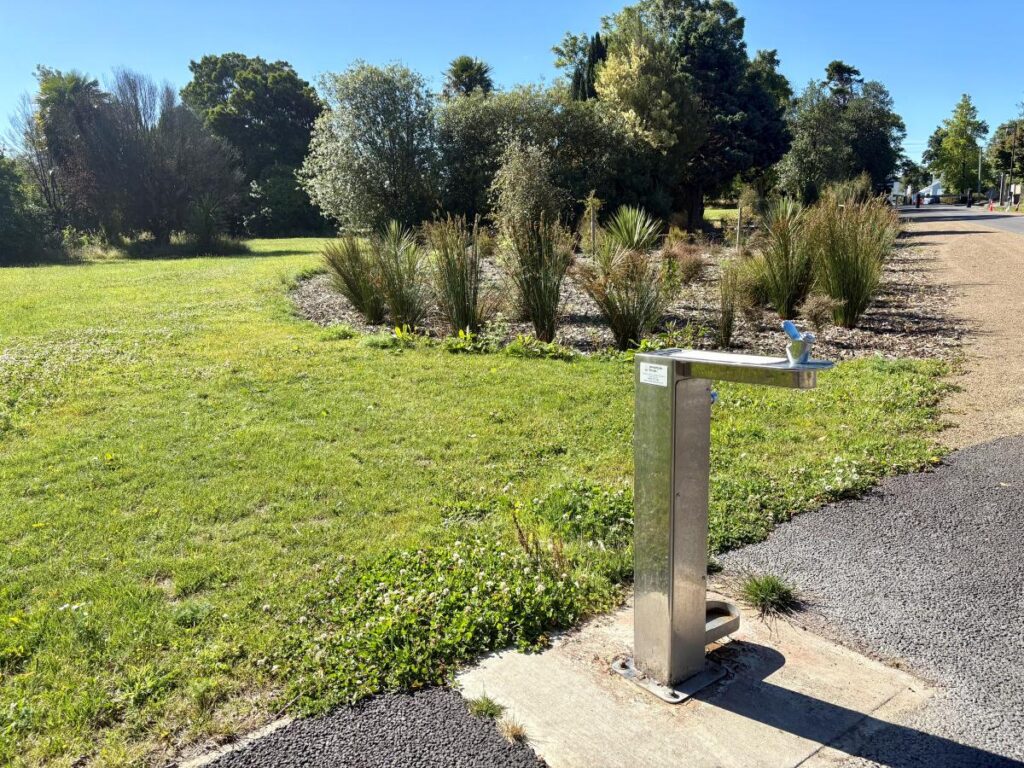
Flights, hot weather, walking, alcohol, and disrupted routines can all make it easier to fall behind on fluids. Dehydration can contribute to symptoms like headaches, tiredness, and dizziness.
Rehydrating is one of the first things I do when I begin to feel off during a trip. Carrying a reusable bottle and refilling it whenever safe drinking water is available makes this easier than waiting until I feel very thirsty. Electrolyte drinks and coconut water are also good options, especially when you feel like you need a bit of extra help rehydrating.
If tap water is unsafe, use an appropriate source of treated or sealed water. Filter bottles differ in what they remove, so check whether a product is suitable for the destination rather than assuming every filter protects against every contaminant.
Support Vitamin D Levels While Travelling
Vitamin D helps support the immune system and plays a role in how the body responds to infection. I personally take vitamin D while travelling, particularly during winter, long journeys, and periods when I may spend more time indoors. Since making it part of my routine, I have anecdotally noticed that I become ill less frequently on longer trips.
Research into vitamin D and respiratory infections has produced varied results, but several peer-reviewed analyses have found modest protective effects. Benefits appear more likely among people with low vitamin D levels and in studies using regular daily or weekly doses rather than occasional large doses.
This does not mean that more vitamin D is better. Excessive supplementation can cause harm, and individual needs vary according to existing vitamin D levels, health conditions, medications, skin tone, sun exposure, and destination. High doses should be discussed with an appropriate healthcare professional.
Choose Minimally Processed Foods Where Possible
Airports, service stations, vending machines, and convenience stores are dominated by ultra-processed foods because they are portable, familiar, and have a long shelf life. They are useful when little else is available, but relying on them for most meals can reduce the overall variety and nutritional quality of your diet.
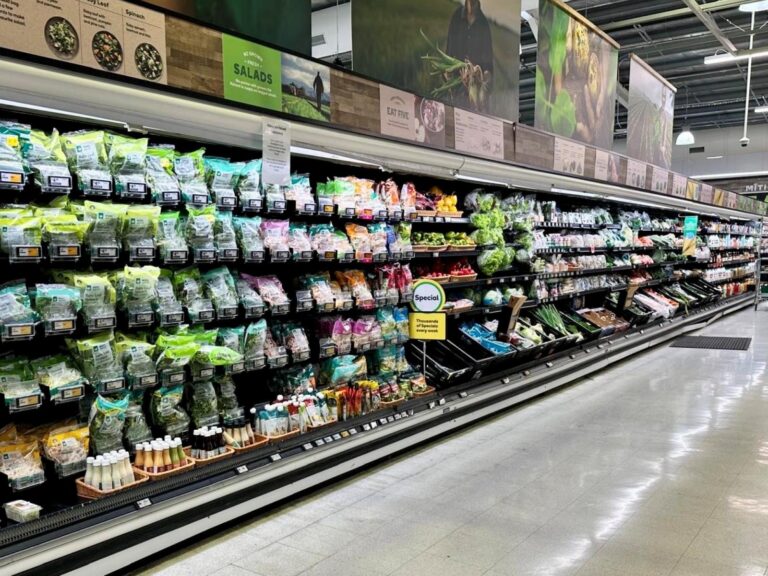
Small choices can help. You might select fruit and yoghurt instead of sweets, nuts instead of crisps, or water instead of a fizzy drink. A supermarket salad, vegetable soup, or meal made from recognisable ingredients can provide a break from packaged travel food.
There is still plenty of room for airport meals, local sweets, regional fast food, and convenience-store discoveries when they add ease or enjoyment to the journey. The aim is to stop ultra-processed foods from becoming the automatic basis of every meal, not to avoid them entirely. Our guide to eating fewer ultra-processed foods while travelling offers realistic ways to find that balance.
Keep Food Safety In Mind
A nutritious meal will not support your trip if it also causes food poisoning. Choose food that appears freshly prepared and properly stored, particularly when buying meat, seafood, dairy products, rice, or cut fruit.
Look for food kept properly hot or chilled, busy vendors with regular turnover, and preparation areas where raw ingredients are separated from cooked food. Wash your hands before eating or use hand sanitiser when soap and safe water are unavailable.
In destinations where water safety is uncertain, be cautious with tap water, ice, raw salads, and fruit you cannot wash or peel yourself.
If you are trying to avoid gluten while travelling, our gluten-free travel guide covers supermarket labels, restaurant communication, and preparing for journeys where suitable food may be limited.
A Realistic Approach To Immune-Boosting Foods For Travel
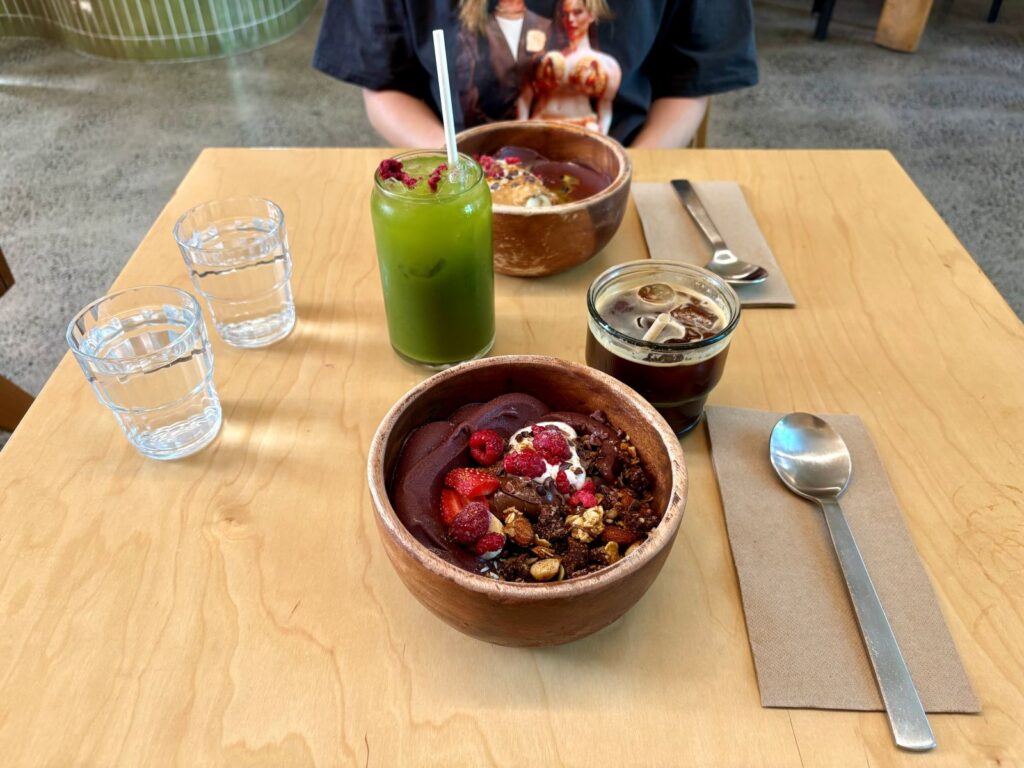
Staying well while travelling is shaped by more than food, but eating regularly, picking up fruit, adding vegetables when you can, including protein and fibre, staying hydrated, and supporting your vitamin D levels can all help you feel better on the road.
Some days might include a colourful, vegetable-filled meal, while others involve airport snacks, local fast food, or whatever is still open when you arrive. It all fits within the wider trip.
The aim is to find a flexible pattern that supports your energy without taking the fun out of eating. That leaves you with more time and enthusiasm for discovering new places, trying local food, and enjoying the experiences you travelled for.
This guide reflects the wider approach used across Nomadic Balance: helping travellers make choices that support their wellbeing without pretending that every journey takes place under ideal conditions.
This article is for general informational purposes only and is not intended to replace personalised medical, psychological, or professional advice.