Mindful Travel: How to Stay Present While Travelling
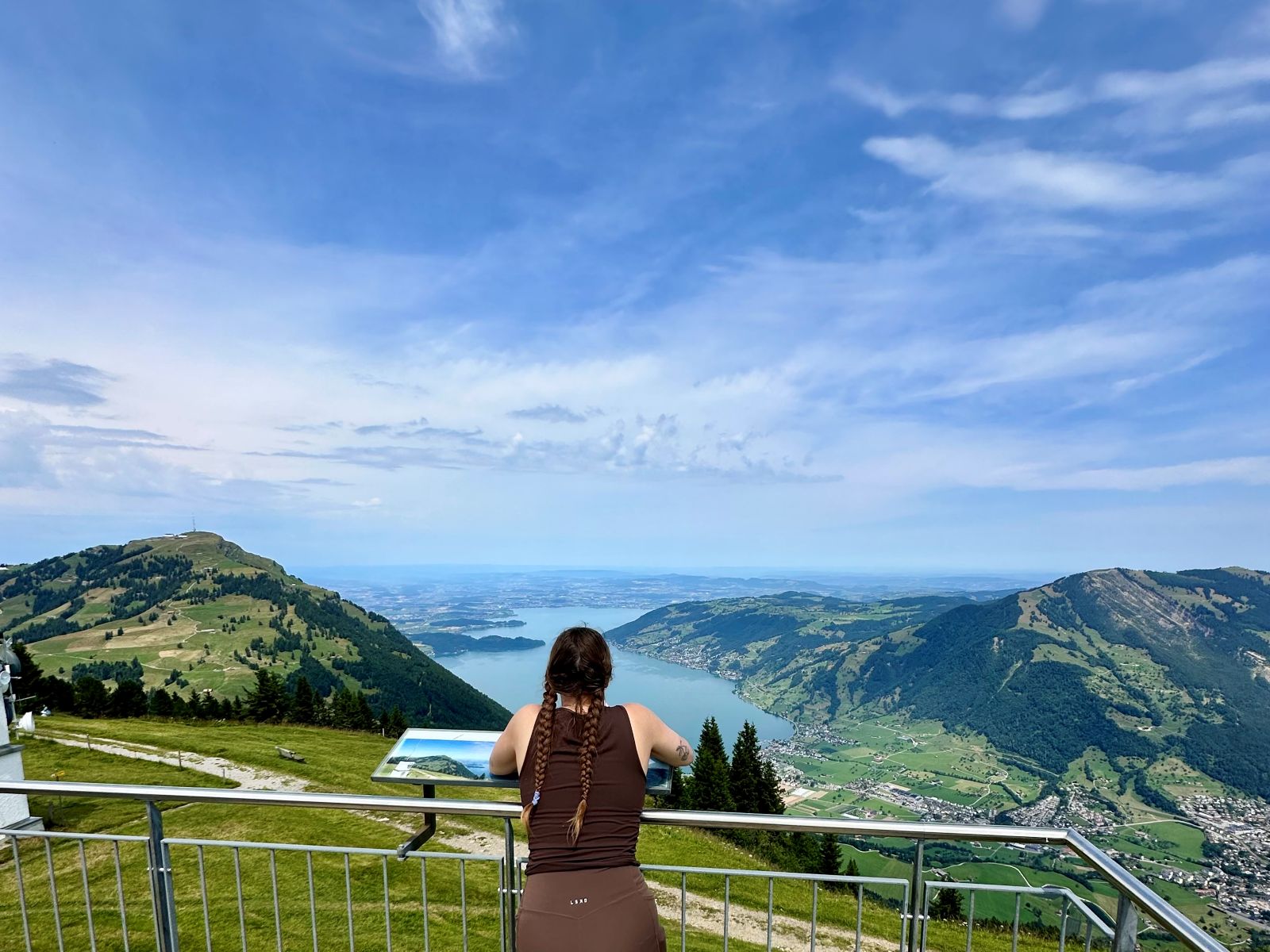
Travel can hold some of the most vivid moments of your life: stepping into a city you have wanted to visit for years, hearing a favourite song performed live, watching a landscape change through a train window, or sharing a meal that becomes part of the story of the trip.
Yet it is also possible to be physically present for all of this while your attention is somewhere else. You may be checking directions, taking photographs, replying to messages, comparing the experience with what you expected, or thinking about where you need to be next. By the end of the day, you have covered plenty of ground, but the individual moments have started to blend together.
Mindful travel offers a more realistic way to think about presence. It is not about moving slowly, doing less, or turning every part of a holiday into a mindfulness exercise. It is the practice of protecting and directing your attention while you move through unfamiliar environments, so more of the experience has a chance to register.
This guide explores why attention changes how travel feels, what tends to pull it away, and how to stay present without giving up full itineraries, useful technology, photography, spontaneity, or the excitement that made you want to travel in the first place.
Table of Contents
What Mindful Travel Actually Means
Mindful travel means making deliberate choices about where your attention goes while you are travelling. Sometimes that will mean concentrating on the place in front of you. At other times, it will mean checking a map carefully, taking a photograph, talking to the person you are with, or noticing that you are tired and need a pause.
The aim is not uninterrupted awareness. Nobody remains completely present throughout an entire trip, and trying to do so can turn mindfulness into another standard to meet. A more useful goal is to notice when your attention has become scattered and make it easier to return to what matters.
This matters because unfamiliar places naturally ask more of you. Streets, transport systems, languages, social customs, and daily routines may all require active thought. Even an enjoyable day can involve dozens of small decisions. At the same time, your phone provides directions, tickets, recommendations, photographs, translation, and a familiar connection to home.
Mindful travel works with these realities. It may involve preparing a route so you do not need to keep checking it, putting your phone away after taking a photograph, allowing a meal to finish before researching the next stop, or choosing one part of the day that deserves your full attention.
Presence is not a personality trait that some travellers naturally possess. It can be supported by the way a trip is planned, the habits you repeat, and the small choices you make once you arrive.
Why Attention Changes How Travel Feels
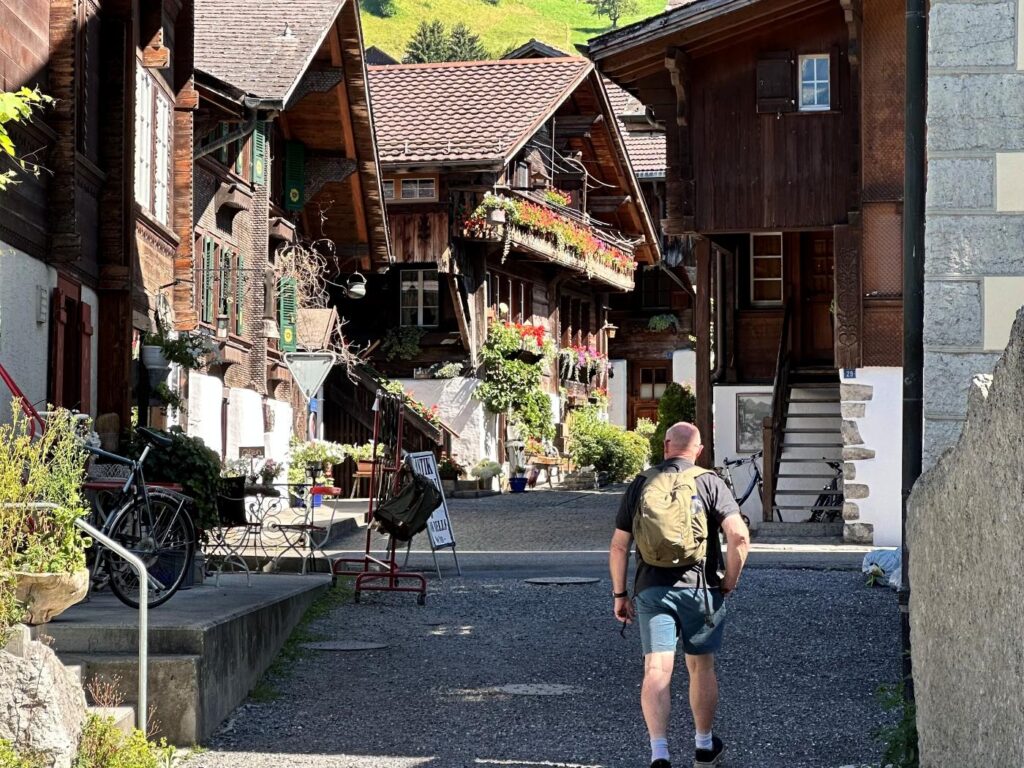
Attention influences which parts of an experience are processed and later available to remember. Research on memory does not suggest that paying attention guarantees a detailed or permanent memory. It does show that dividing attention while information is being encoded can reduce later memory performance.
This helps explain a familiar travel experience. You can remember the practical outline of a day, including the museum you visited, the restaurant you booked, and the train you caught, while struggling to recall what any of it felt like. Your attention may have been divided between the experience itself and the work of managing it.
By contrast, distinct moments often remain clear because attention settled on them for long enough. It might be the atmosphere before a concert began, the sound of a market opening in the morning, a conversation over dinner, or the point when a view appeared at the end of a walk. The moment did not need to be calm or slow. It needed enough of your attention to become distinct.
There is also a difference between being distracted and intentionally shifting focus. Looking at a map because you need directions is useful. Checking the same apps repeatedly when you already know where you are going may add more switching than the situation requires. Mindful travel is partly about recognising that difference.
This is why presence is not only a wellbeing goal. It shapes how much contact you have with the trip you planned and how clearly its individual moments stand apart afterwards.
What Pulls Your Attention Away While Travelling
Attention rarely becomes scattered because of one major problem. More often, it is divided by several ordinary demands at the same time.
Logistics and Repeated Decisions
At home, much of the day runs through familiar systems. While travelling, choices about routes, meals, tickets, opening hours, weather, money, and timing may all need active attention. These decisions are manageable, but their accumulation can leave you concentrating on how to complete the day rather than what is happening within it.
Planning can help, although more planning is not always better. The useful kind removes repeated uncertainty. Saving a route, booking the one attraction that is likely to sell out, or keeping a short list of suitable places to eat can make the day easier. A minute-by-minute itinerary may create a different demand, with attention continually pulled towards the clock.
Phones, Photography, and Constant Checking
Phones are valuable travel tools, especially for safety, navigation, translation, and connection. The problem is not carrying one. It is how easily a purposeful check can become a chain of unrelated attention shifts.
You might open your phone to check a platform number, notice a message, reply to it, look at a notification, and then return to the station without having registered much of what happened around you. None of these actions is serious on its own, but frequent switching can make sustained attention harder.
If you notice yourself reaching for your phone more often in unfamiliar places, it may also be providing comfort rather than only information. Familiar apps, people, and routines can offer a predictable space when the environment around you feels new. Why Being on Your Phone Feels Comforting When Travelling explores that response without treating phone use as a failure of self-control.
Photography can divide attention in a similar way when the search for an image replaces contact with the scene. Taking photographs does not make a trip less mindful. It can encourage you to notice light, detail, and composition. The useful question is whether the photograph helps you engage with the moment or moves you immediately towards reviewing, editing, posting, and comparing it.
Expectations and Comparison
Part of travel happens before departure. Anticipation can be pleasurable, motivating, and sometimes as emotionally powerful as the event itself. It can also create a detailed picture of how a destination should look and how you should feel when you arrive.
Reality is usually more complicated. The weather changes, famous places are crowded, tiredness follows you onto the trip, and an ordinary street may be more enjoyable than the attraction you planned around. When attention is fixed on measuring reality against expectation, it becomes harder to notice what the day is actually offering.
This does not mean lowering every expectation or avoiding excitement. It means leaving enough room for the real experience to have its own character. If the build-up to a trip often feels better than arrival, the psychology of travel expectations can help explain why.
Social media adds another layer by showing which views, meals, outfits, and experiences appear to count. Attention can shift from enjoying the trip to assessing whether it looks worthwhile from the outside. The guide to travelling without social media pressure offers a more detailed way to manage that comparison while keeping the parts of social media you enjoy.
Tiredness and Sensory Input
New environments can be exciting precisely because there is so much to notice. They may also include unfamiliar noise, crowds, traffic, signs, smells, temperatures, and social cues. When this continues for hours, the mind has more information to sort through than it would during a familiar day at home.
Evidence consistently links insufficient sleep with greater difficulty maintaining attention, although the effects and their severity vary between people and situations. After a short or disrupted night, staying engaged may require more effort. It is understandable if a busy museum, transport hub, or group conversation becomes harder to follow.
Mindful travel cannot remove tiredness. It can help you respond earlier by choosing a quieter route, having an unhurried meal, sitting somewhere with less input, or moving a lower-priority activity. This protects enough energy for the parts of the day you care about most.
How To Prepare for a More Present Trip

Good preparation supports presence when it reduces the number of things competing for attention. The aim is to create a useful foundation, not to predict every part of the trip.
Start with the decisions that would be inconvenient or stressful to make at the last minute. This could include the route from the airport, entry requirements, essential bookings, mobile data, payment options, medication, or suitable food if you have dietary requirements. Downloading an offline map and saving screenshots of important public transport routes can be particularly useful when Wi-Fi is unreliable.
Then identify which experiences matter most. A trip often becomes overfilled because every recommendation starts to feel equally important. Choosing one or two priorities for a day makes it easier to give those experiences proper attention. Other activities can remain optional rather than becoming promises you need to keep.
It can also help to leave some parts of the trip unresolved. A free afternoon, an unplanned meal, or a choice between two nearby places creates room to respond to your energy, the weather, and what you discover. Structure and spontaneity are not opposites. A small amount of preparation can make spontaneity feel more comfortable because the essential parts are already covered.
Consider your digital habits before you leave as well. Decide what your phone needs to do for you and when you would like it to recede into the background. You might keep notifications off, download tickets to one place, save locations on a map, or agree that the first few minutes at a long-awaited attraction will be phone-free. For more options, 14 easy ways to reduce screen time while travelling focuses on realistic changes that preserve safety and convenience.
During a recent trip to Hong Kong, we downloaded an offline map, saved the location of our accommodation, and took screenshots of the airport bus route. Having those details available made the arrival feel far less stressful, leaving us with more attention to take in the language, surroundings, and experience of arriving somewhere new.
Practical Ways To Stay Present While Travelling
Mindful travel practices are most useful when they fit naturally into moments that already exist. They do not need to become a separate wellness programme within the trip.
Arrive Before You Record
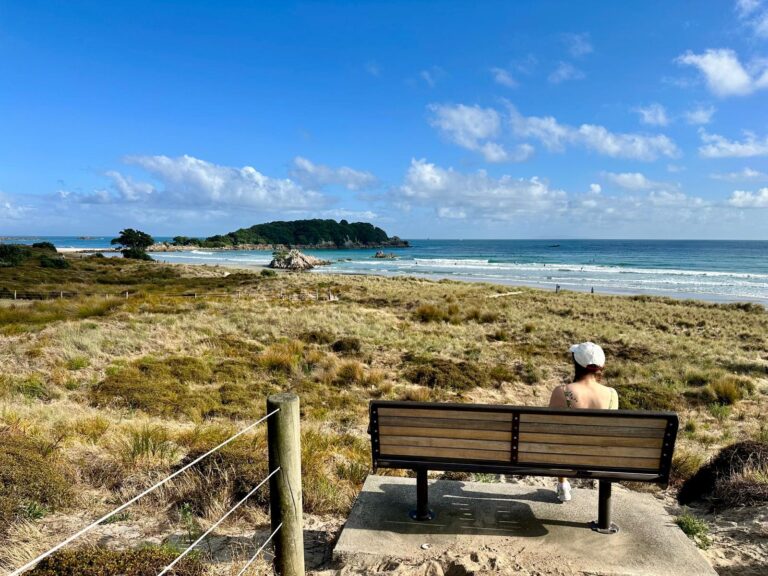
When you reach a viewpoint, landmark, hotel room, or event, give yourself a short period to arrive before taking photographs. Notice what is beyond the frame: the temperature, scale, movement, sound, or atmosphere around you. You can still take the photograph, but it no longer needs to be your first contact with the place.
After taking it, remain where you are for another minute rather than immediately reviewing the image. This gives the experience a little space on either side of the act of recording it.
Use Natural Pauses
Travel already contains pauses: waiting for a train, sitting on a bus, drinking coffee, queuing for entry, or resting after a walk. It is easy to fill every one with a phone, especially when you are alone.
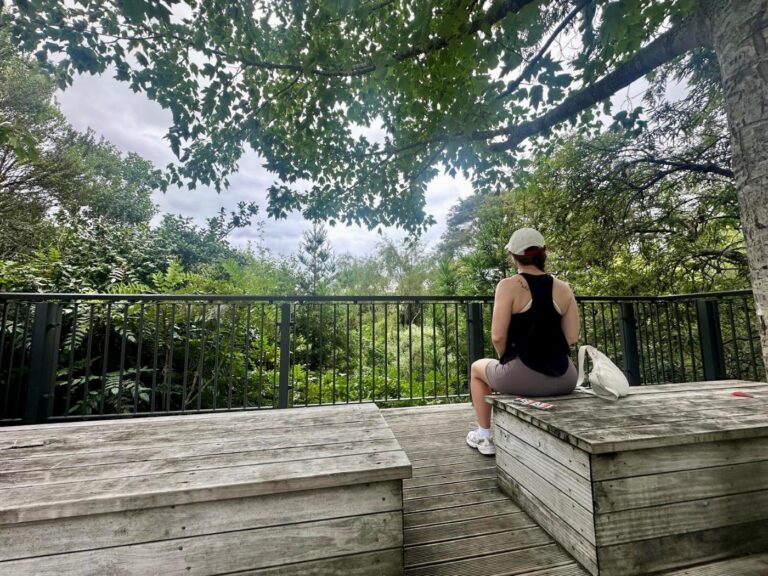
Try leaving some of these pauses unfilled. Watch neighbourhoods pass from public transport, notice the conversations and movement around a square, or allow yourself to sit without finding the next recommendation. These short periods can help the day feel less like one continuous task.
Choose One Daily Point of Attention
Rather than trying to be mindful all day, choose one experience to meet with fewer distractions. It might be the first room of a museum, a morning walk, a meal, a performance, or the view from a ferry.
The choice creates a realistic boundary around your attention. Once that experience is over, you can use your phone, talk, take photographs, or return to planning without feeling that the whole day needs to be managed perfectly.
Notice Through the Senses
When your thoughts are moving ahead of the day, sensory information can bring attention back to your immediate surroundings. Notice a colour that repeats in the streets, the feeling of your feet on the ground, the temperature of the air, or the nearest distinct sound.
This is not about forcing yourself to feel calm. It is a way of updating your attention with information from where you are now. If unfamiliar environments leave you detached, unsettled, or caught in anxious thoughts, these grounding practices for travelling provide more support for returning to the present.
Finish One Experience Before Planning the Next
At the end of a meal, attraction, or walk, resist opening maps immediately if there is no urgency. Spend a moment noticing what stood out, then decide what comes next.
This small separation helps experiences retain their own edges. It also allows plans to change. You may realise that you would rather continue walking, return somewhere you noticed earlier, or take a break before the next activity.
Use a Repeatable Anchor
A familiar action can help mark the beginning of the day or your arrival somewhere new. This could be opening the curtains and getting daylight, taking three steady breaths before entering a busy place, writing one line in a notebook at breakfast, or my favourite, walking around the block or park near your accommodation.
The value comes from repetition. You do not need to recreate your entire home routine. One recognisable action can provide a stable point within a changing environment. The 10-minute morning routine for travel offers a practical version using light, movement, and a quieter start.
How To Be Present Without Doing Less
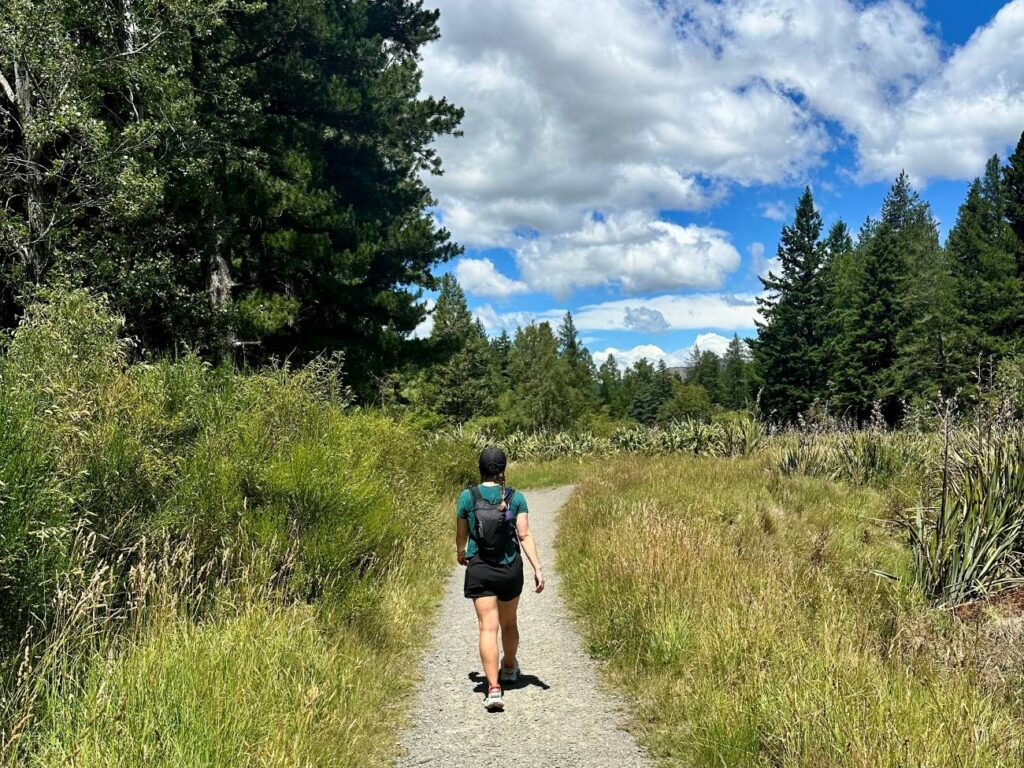
Mindful travel is often associated with slow travel, but pace and presence are not the same. A full day can feel vivid and engaging when its priorities are clear. A quiet day can still pass unnoticed if most of it is spent scrolling, worrying, or thinking ahead.
If you enjoy busy trips, the aim is not to remove the energy from them. It is to create small transitions between activities so your attention can catch up. You might sit for ten minutes after a museum, eat before travelling across the city, or decide that one journey will be used to look out of the window rather than reorganise the itinerary.
It also helps to distinguish a full day from a day with no flexibility. A schedule can include several activities while still allowing one to be shortened or missed. When every booking feels non-negotiable, attention tends to stay with the clock. When priorities are clear, you can properly enjoy the experiences that matter and release the ones that no longer fit.
This principle is especially helpful at festivals, city breaks, and short trips where doing less may not be the goal. Presence can mean giving your full attention to a favourite performance, even if the wider day is lively, social, and tightly scheduled.
Mindful Travel With Other People
Travelling with someone else creates opportunities for shared memories, conversation, humour, and support. It also means that attention is divided between the place, the practical needs of the day, and the people you are with.
Different habits become more visible on a trip. One person may want to photograph everything, while another prefers to keep moving. One may relax with a detailed plan, while another needs open time. Phone use may feel practical or comforting to one traveller and dismissive to another.
A short conversation before the trip can prevent these differences from quietly shaping the experience. Discuss the pace you each enjoy, the activities that matter most, when you might spend time separately, and whether there are moments when you would both like phones away. The aim is not complete agreement. It is to reduce the amount of interpretation and negotiation required in the middle of the day.
Presence with other people also does not require constant togetherness. Time apart can make shared meals, walks, and activities feel more attentive because neither person is trying to meet every need through the group. Travelling with other people explores these differences in more depth, including how to protect connection without losing autonomy.
How Presence Shapes Travel Memories

Memory is selective. No practice will allow you to retain every street, meal, conversation, and view, and forgetting does not mean that you travelled badly. However, you can give meaningful moments a clearer chance to register.
Photographs are one way to support memory, particularly when they capture details that matter to you rather than only the most recognisable view. A short note at the end of the day can also preserve what images miss: the mood of a place, an unexpected conversation, what made you laugh, or the part of the day you would repeat.
Reflection does not need to become a lengthy journal entry. Try naming one moment from the day before you begin planning tomorrow. If you are travelling with someone, ask what they noticed or enjoyed most. Their answer may draw your attention back to a moment you experienced together but understood differently.
Spacing matters too. When one activity ends and the next begins immediately, experiences can become harder to distinguish. A walk back to your accommodation, a quiet drink, or a few minutes looking through the photographs you intentionally chose to take can give the day a more coherent shape.
One travel day that remains particularly clear in my mind was a visit to Red Rock Canyon near Las Vegas. We spent time immersed in the landscape, used a digital camera rather than our phones, stopped to watch a desert tortoise, and paused to take in the depth of colour in the rocks. The memory still feels almost as vivid as the day itself, perhaps because we gave the experience time and our full attention.
A Realistic Mindful Travel Routine
A mindful travel routine should be easy enough to use on an imperfect day. One practical version is:
- Before leaving: Check the information you genuinely need, choose the main priority for the day, and save the route.
- On arrival: Take a short moment to look around before photographing or researching.
- During the day: Choose one meal, journey, walk, or activity to experience with fewer phone checks.
- When attention feels scattered: Pause, notice one physical sensation and one detail in the environment, then decide what needs your attention next.
- At the end of the day: Record one moment you want to remember before planning tomorrow.
This is not a checklist that needs to be completed. Even one of these actions can change the quality of a particular moment. On some days, navigation, communication, tiredness, or unexpected problems will take most of your attention, and that is part of real travel too.
Explore Attention & Presence
Mindful travel sits at the centre of the wider Attention & Presence category. If one part of this guide reflects what you are experiencing, these more focused articles offer a useful next step:
- 14 Easy Ways to Reduce Screen Time While Travelling for practical phone boundaries without losing access to maps, tickets, photographs, or communication.
- Why Being on Your Phone Feels Comforting When Travelling for understanding why familiar digital habits can become more appealing in unfamiliar places.
- Soft Digital Detox Travel for Solo Travellers With Anxiety for reducing digital input gradually while maintaining connection and reassurance.
- Grounding Practices for Travelling for moments when change, uncertainty, or sensory input makes it difficult to feel settled.
- Does Travel Feel Better Before You Go? for the psychology of anticipation, expectations, and the emotional adjustment after arrival.
- Travelling Without Social Media Pressure for staying connected without allowing comparison to direct the trip.
- Travelling With Other People for shared attention, different travel styles, and protecting connection.
You can also browse all Attention & Presence articles or return to the wider travel wellbeing hub.
Mindful Travel FAQs
What Is Mindful Travel?
Mindful travel is the practice of intentionally directing and protecting your attention while travelling. It involves reducing unnecessary distraction and returning attention to the experience you want to notice, without requiring you to travel slowly, avoid technology, or remain present at all times.
How Can I Stay Present While Travelling?
Choose one experience each day to give more complete attention, use your phone for a clear purpose before putting it away, leave brief pauses between activities, and notice sensory details when your thoughts move ahead. Preparation can also help by reducing repeated decisions about routes, bookings, and essential logistics.
Does Mindful Travel Mean Slow Travel?
No. Slow travel can support presence for some people, but mindful travel can also happen during a short or busy trip. The important distinction is whether your attention can settle on the experiences that matter, rather than being continually pulled towards logistics, notifications, or the next activity.
Can I Use My Phone and Still Travel Mindfully?
Yes. Phones support navigation, safety, translation, photography, and contact with home. Mindful use means noticing when the phone is serving a purpose and when one check has become an extended distraction. Short phone-free periods may help, but a complete digital detox is not required.
Why Does a Trip Sometimes Feel Like a Blur?
A trip may feel blurred when days are full, sleep is disrupted, or attention is repeatedly divided between navigation, messages, photographs, decisions, and future plans. Memory is complex, so distraction is not the only explanation, but allowing individual experiences more attention and a little space afterwards may help them feel more distinct.
Is Mindful Travel the Same as Mindful Tourism?
The terms overlap, but they are often used differently. Mindful travel usually describes how a traveller directs attention and engages with an experience. Mindful tourism may also include awareness of how travel affects local people, culture, and the environment. Both encourage more deliberate choices, but this guide focuses primarily on attention and presence.
Evidence and Further Reading
This article applies broader evidence about attention, memory, mindfulness, and sleep to common travel situations. The research does not show that a particular travel habit will guarantee better memories or wellbeing. It offers a useful basis for understanding why divided attention, repeated interruptions, and tiredness can make presence more difficult.
Curious to explore the science behind this?
This blog draws on established behavioural science research and applies these principles to travel contexts. Sources are linked in our Evidence & Further Reading section.
Staying Present Without Trying To Perfect the Trip
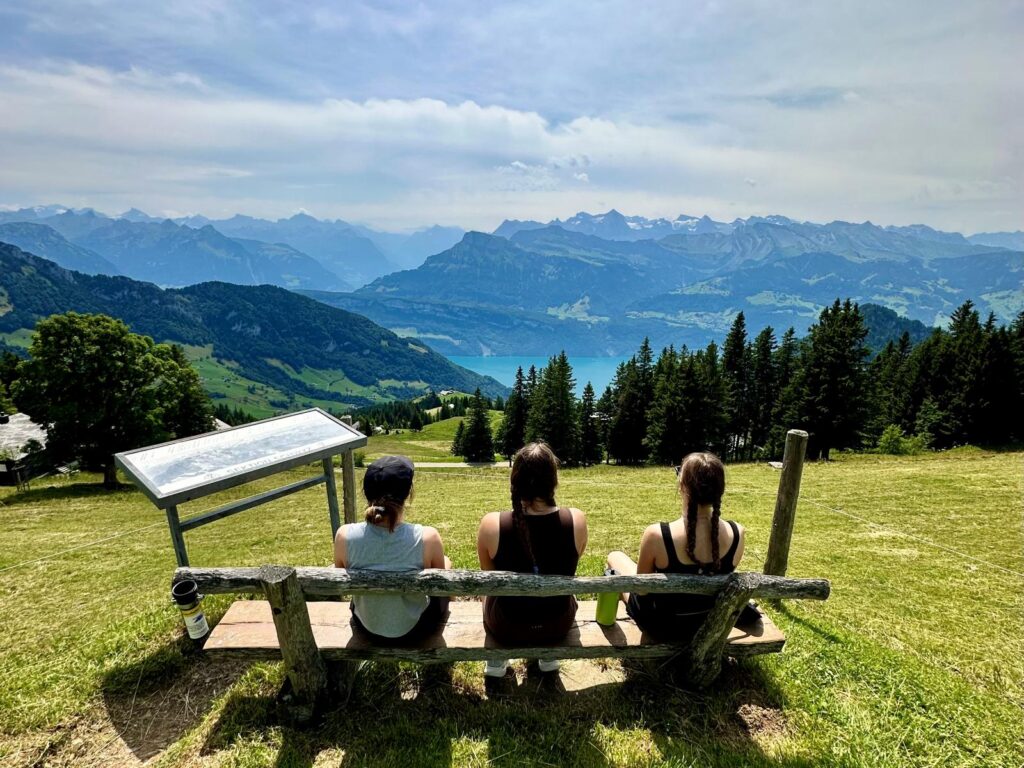
Mindful travel is not a way to make every moment meaningful. Some parts of a trip will be spent waiting, solving problems, feeling tired, checking directions, or thinking about home. Presence includes noticing those ordinary moments without deciding that the trip has gone wrong.
What mindful travel can offer is a way to protect the experiences you came for. A few prepared decisions can leave more room for discovery. A short pause can help a long-awaited view, performance, meal, or conversation feel distinct. Putting the phone away after it has done its job can return you to the people and place in front of you.
You do not need to hold your attention perfectly. You only need ways to bring it back, so the trip feels less like a list you completed and more like somewhere you were genuinely able to be.
Explore more travel wellbeing advice from Nomadic Balance for practical ways to travel well, not just far.
This article is for general informational purposes only and is not intended to replace personalised medical, psychological, or professional advice.