Festival Anxiety: How To Feel Calmer Before And During A Music Festival
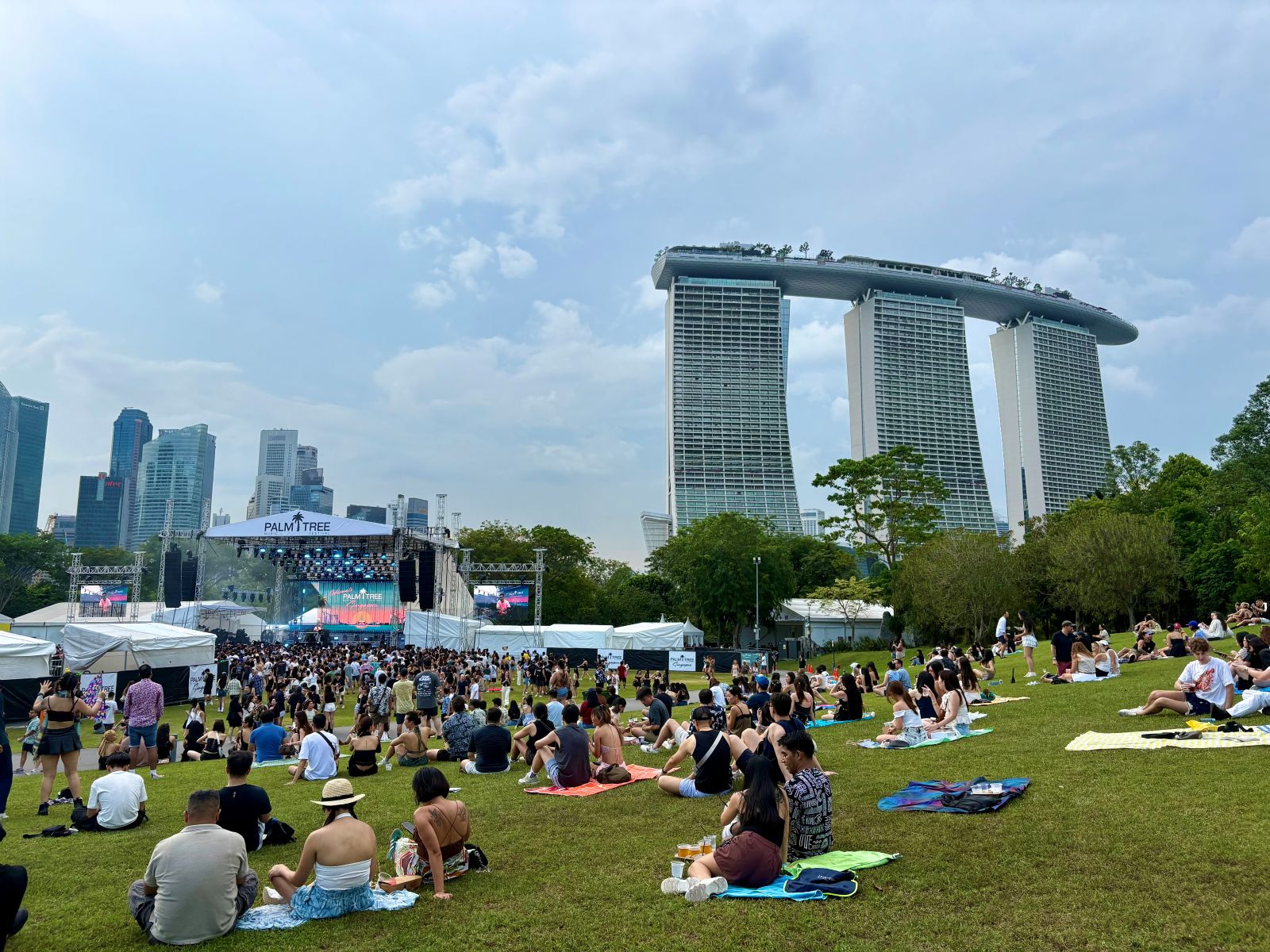
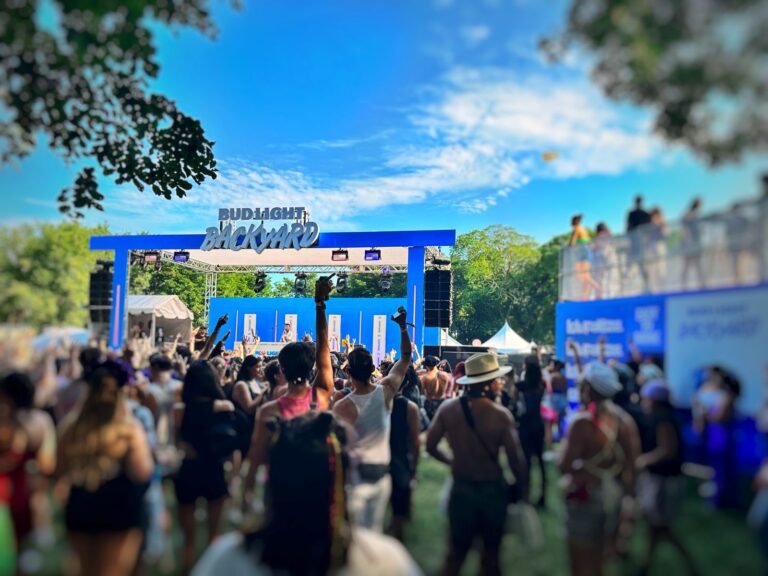
Music festivals can create some amazing moments: hearing a favourite song in a huge crowd, discovering an unexpected artist, or laughing with friends between sets. You can be excited about all of that and still feel anxious before you go.
“Festival anxiety” is not a separate clinical diagnosis. Here, it simply describes anxiety experienced before a festival or during a festival. You might worry about crowds, losing your friends, becoming overwhelmed, or wanting to leave while everyone else is still having fun.
For some people, anticipation can feel harder than the festival itself because uncertainty leaves more room to imagine possible problems before the enjoyable parts of the event have begun.
You don’t need to feel calm all day to have a good festival. Knowing where you can take a break and being honest with your friends about what works for you can make the day easier.
For wider advice on food, sleep, pacing, and recovery, read the complete festival wellbeing guide.
If you feel anxious at a festival:
- Move towards the side or back of the crowd if it is safe.
- Tell a friend that you need a few minutes.
- Find somewhere cooler or quieter.
- Check whether you need water, food, or a rest.
- Focus on one next action rather than deciding what to do with the entire day.
- Visit the welfare or medical team if symptoms are severe, unfamiliar, or not improving.
Table of Contents
Why Music Festivals Can Feel Anxiety-Provoking
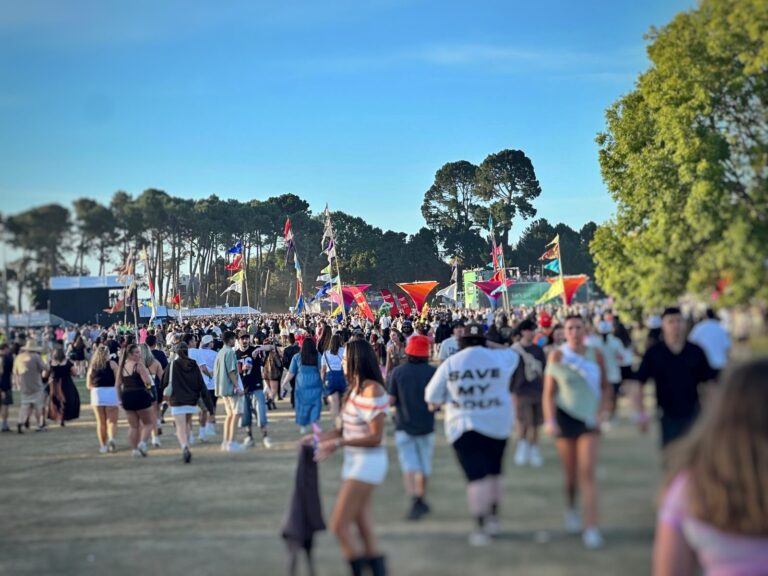
Festivals combine unfamiliar surroundings, loud music, dense crowds, queues, changing plans, limited phone signal, and pressure to fit a lot into one day. Even excitement can feel similar to anxiety when your heart is beating faster and you are full of nervous energy.
How you feel may also change as the day continues. A busy entrance can feel exciting when you are rested, yet the same level of noise may become harder after hours of walking, little food, strong sun, or poor sleep. This does not mean you have suddenly become bad at festivals. You may just have less energy available for managing noise, decisions, and other people.
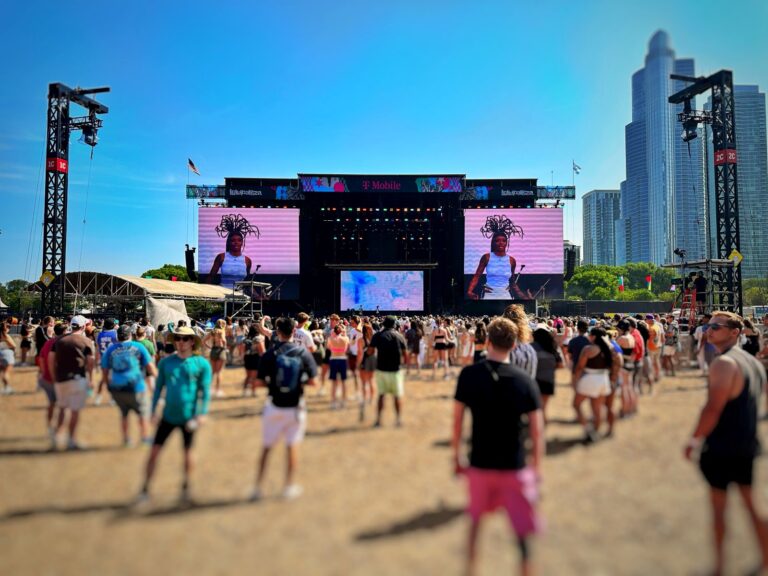
At one festival, I arrived early hoping for a front-row spot for Lana Del Rey. The rapper before her drew a very different crowd, and mosh pits quickly formed around me. I felt my anxiety rising and chose to step out before it became overwhelming. I lost my place, but I was able to return later, calm enough to enjoy the set. It reminded me that being close to the stage is not worth pushing past your own comfort.
How To Calm Pre-Festival Anxiety
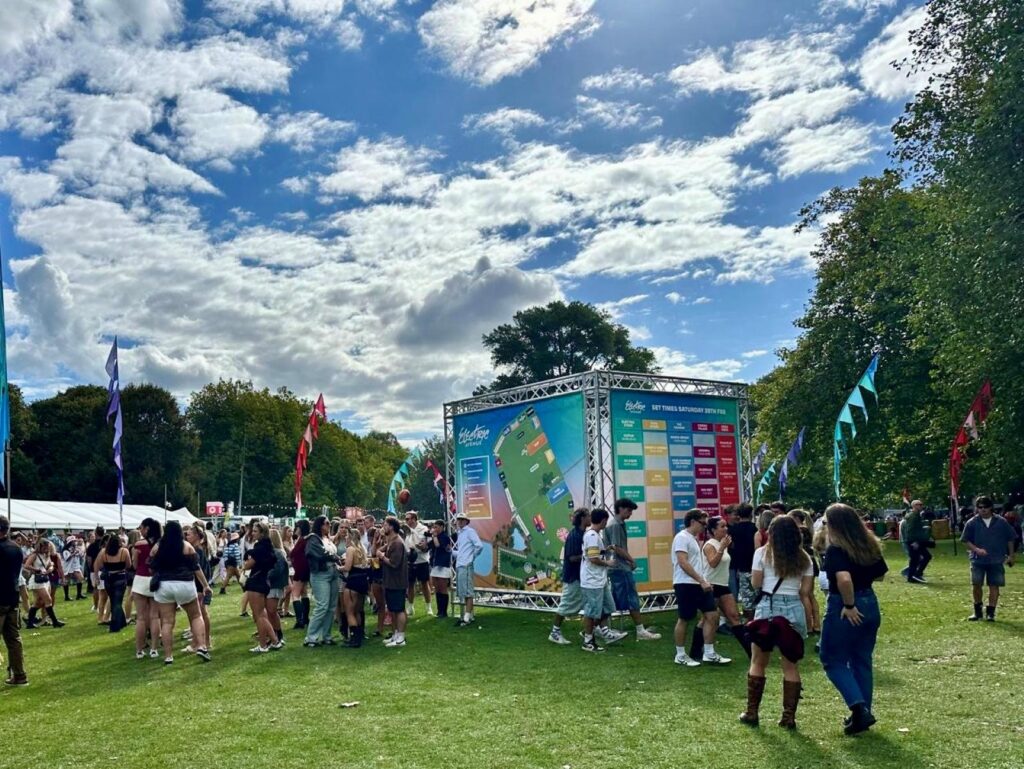
You do not need to plan every hour, but knowing the basics can reduce uncertainty and the number of decisions you need to make once the site becomes busy.
Festival research has found that missing, late, or inadequate information can create anxiety and frustration, while having practical information in advance can help people plan. This does not mean planning treats anxiety, but it does support checking the details that will make the event easier to navigate.
Look at the official festival map and locate the entrances, water stations, toilets, food areas, exits, and medical or welfare tent. Screenshot it in case the signal is poor. Check the event rules for bags, refillable bottles, food, and portable chargers too, as these vary between festivals.
If crowds concern you, look at the layout around the main stages. Depending on the stage layout, standing farther back or towards one side may provide more space and an easier route out. Check your surroundings rather than assuming these areas will always be quieter. Being close to the front is not a measure of how much you love the music.
It can also help to know how the day will end. Save your accommodation address, check where your transport leaves from, and decide roughly when you would like to go. Our festival wellbeing packing list can help you prepare for comfort, sleep, heat, and energy without turning your bag into an emergency kit.
Curious to explore the science behind this?
This blog draws on established behavioural science research and applies these principles to travel contexts. Sources are linked in our Evidence & Further Reading section.
Make A Plan With Your Friends
Losing your group is a common festival worry, especially when phone signal becomes unreliable. I always pick a spot to meet when we first arrive at a festival. A named food stall, information point, or fixed sign is more useful than “near the main stage”.
It is also worth agreeing on what happens if someone wants to leave a crowd. Perhaps one person will walk out with them, or the group will continue watching and meet at the chosen point afterwards. Making this decision beforehand avoids a complicated discussion when somebody is already overwhelmed.
Tell one trusted person if there is anything particular that helps you. You might say, “If I go quiet, can we move somewhere with more space for a few minutes?” or, “I may take a break between sets, but I will meet you afterwards.” This gives your friend something practical to do without making them responsible for how you feel.
If you become separated, go to the agreed meeting point and send one clear message saying where you are. If you cannot contact your friends and feel distressed or unsafe, ask festival staff for help rather than searching the entire site alone.
Choose What Matters Most
A packed line-up can make a festival feel like a test of how much you can fit into one day. Before you go, choose one or two performances that matter most and allow everything else to remain flexible.
This leaves room for food, rest, unexpected discoveries, and changes in how you feel. If you see the artist you travelled for and spend the rest of the day at a manageable pace, the ticket has not been wasted.
This is particularly useful across a longer event. The guide to surviving a two-day music festival explains how to enjoy the first day without using all your energy before the second one begins.
What To Do If You Feel Panicky At A Festival
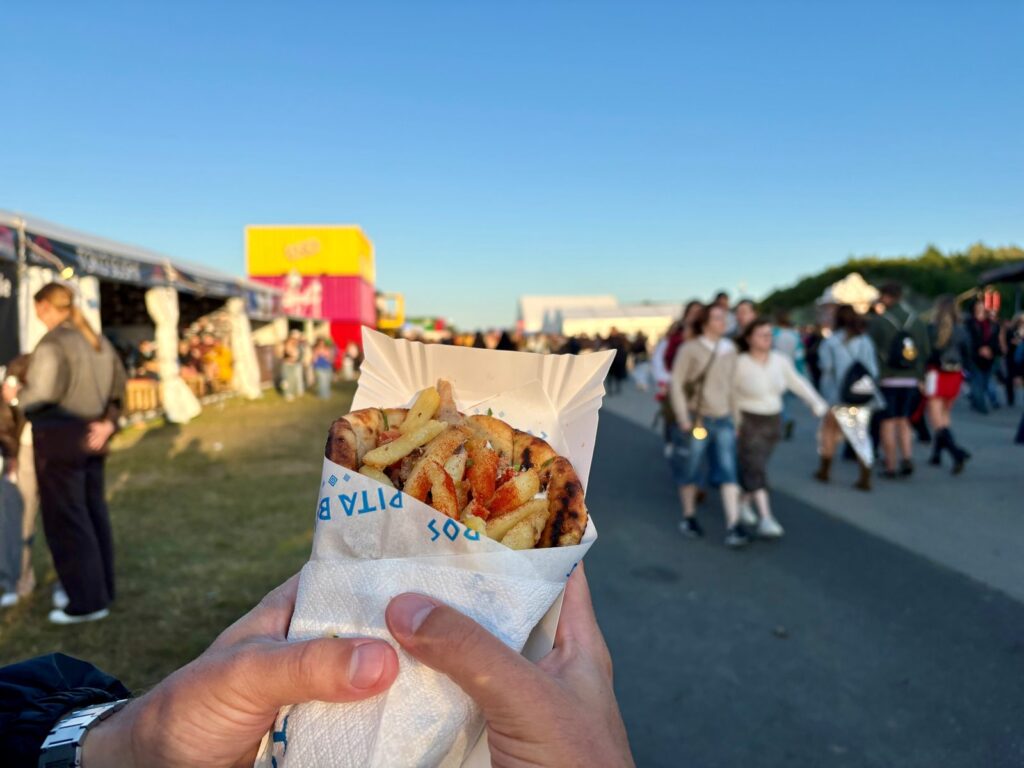
Try to respond when the festival first begins to feel harder rather than waiting until you urgently need to escape. You might become unusually irritated by queues, find the crowd more intense, struggle to make a small decision, or realise that you are no longer taking in a performance you wanted to see.
Move away from the busiest part of the crowd if you can do so safely. Once you have more space, choose one next step: find water, eat something, sit down, message your friend, or walk to a quieter part of the site. Anxiety can make everything feel urgent at once, so focusing on one practical action may make the situation feel less overwhelming.
A simple grounding technique may also help. Slow your breathing without forcing it, feel both feet against the ground, or name three things you can see around you. If focusing on your breathing makes you more anxious, walk with a friend or concentrate on something happening outside your body instead.
Sometimes the most useful reset is practical. Hunger, thirst, heat, tiredness, caffeine, and alcohol can all make an intense environment feel harder. Ask yourself when you last ate, whether you need water, and whether you have been standing or dancing without a break. The guide on staying energised at a music festival explores these basics in more detail.
If you feel very unwell or are unsure whether anxiety is the cause, tell a friend and visit the festival medical tent. Heat, dehydration, alcohol, and other factors can feel similar to anxiety, so it is worth asking for help if you are unsure.
How To Handle Festival Crowds And Sensory Overload
Overstimulation can feel like anxiety, irritability, mental fog, or an urgent need to get away. You may not need to leave the festival completely; you may just need less input for a while.
Move farther from the speakers, use comfortable earplugs, sit somewhere quieter, or find a part of the crowd that feels easier to leave. Even a short break from constant sound and movement can make it easier to work out what you want to do next. Look for a quieter area away from the main stages where you can sit and take a break.
Try to alternate intense periods with calmer ones. Two packed sets in a row may feel very different when there is time for food, water, and a quieter walk between them. Pacing does not reduce the experience. It helps you keep enough attention for the music instead of spending the entire set monitoring how overwhelmed you feel.
Managing Social Pressure And Alcohol At A Festival
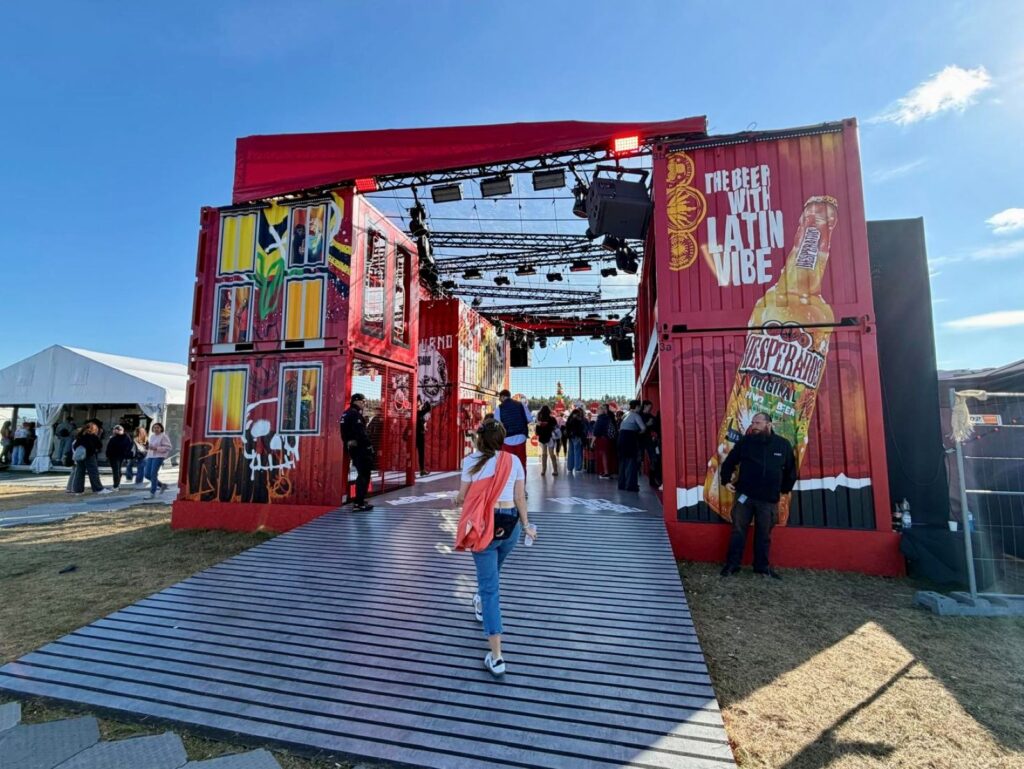
Festival culture can create the impression that everyone should be sociable, spontaneous, and enthusiastic all day. In reality, one person may want to stand in the centre of the crowd while another wants food, space, or an early night.
You do not need a detailed explanation whenever you make a different choice. A clear sentence such as “I’m watching this one from farther back” or “I’m taking a break and will meet you afterwards” is enough. Spending some time apart can allow everyone to enjoy the festival in their own way and reconnect with more energy later.
The same applies to alcohol. You do not need to avoid it completely unless you want to, but eating beforehand, drinking water, and avoiding the pressure to match somebody else’s pace can make the day feel more predictable.
You can also leave a crowd, miss an artist, or finish earlier than planned. Standing through a set while counting the minutes until it ends is not necessarily better value than taking a break and returning for something you genuinely want to see.
Festival Anxiety FAQs
Is It Normal To Feel Anxious Before A Music Festival?
Yes. Festivals involve crowds, noise, travel, unfamiliar surroundings, and social expectations, so some nervousness beforehand is understandable. “Festival anxiety” is an informal description of this experience rather than a separate diagnosis.
What Should I Do If I Feel Panicky At A Festival?
Move somewhere less intense if it is safe, tell someone you trust, and focus on one practical action such as sitting down, finding water, or getting something to eat. Seek help from the festival medical team if the symptoms are severe, unfamiliar, or could have a physical cause.
Can I Enjoy A Festival If I Do Not Drink?
Yes. You can enjoy the music and social atmosphere without drinking. Tell a trusted friend if you want their support and use a short response such as, “I’m not drinking tonight,” without feeling that you need to justify it.
How Can I Stop Feeling Anxious Before A Festival?
Reduce uncertainty by checking the map, entry rules, transport, and welfare facilities before you go. Choose one or two performances that matter most and agree on a meeting point with your friends. Feeling nervous beforehand does not mean you will not enjoy the festival.
Enjoy The Festival On Your Own Terms
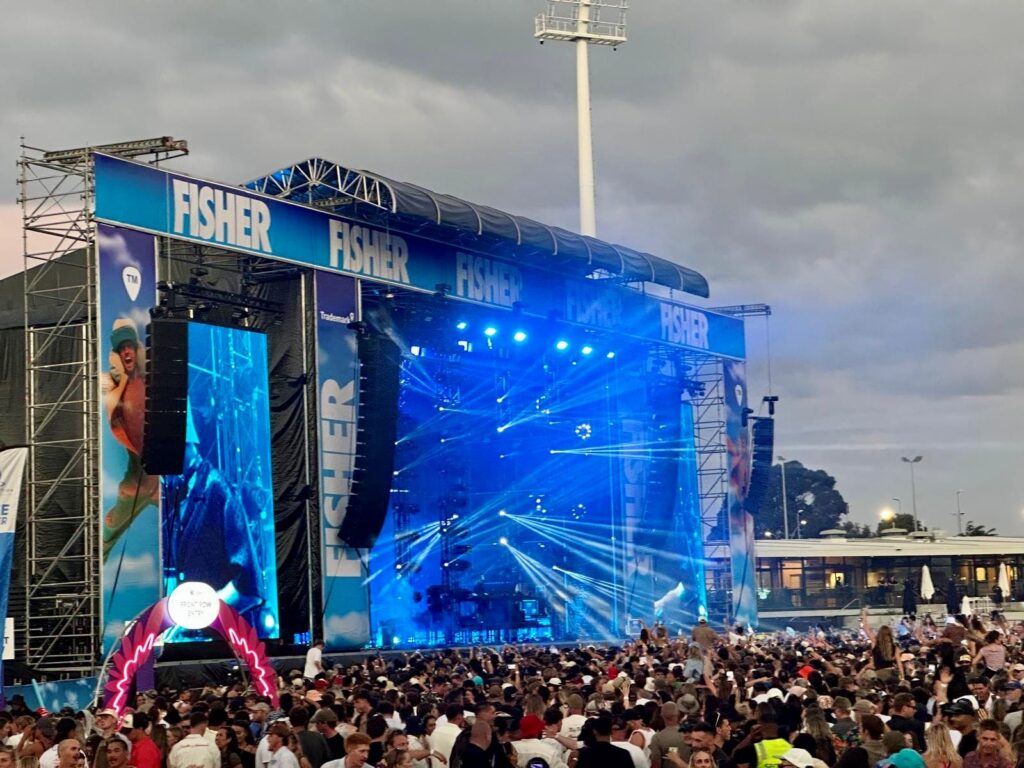
The best festival day is the one you actually enjoy. If festival anxiety begins to build, changing the pace can make the day feel easier. You might spend one set dancing in the middle of the crowd, watch the next from farther back with something good to eat, or skip an artist and stumble across someone new instead.
A little planning makes it easier to change course if the day becomes intense. You can feel nervous and still sing along, laugh with your friends, discover a new favourite song, and go home glad you went.
For more realistic ways to look after your wellbeing while still enjoying the trip, explore Nomadic Balance.
This article is for general informational purposes only and is not intended to replace personalised medical, psychological, or professional advice.