How To Survive A Two-Day Music Festival (Why Day Two Feels So Exhausting)
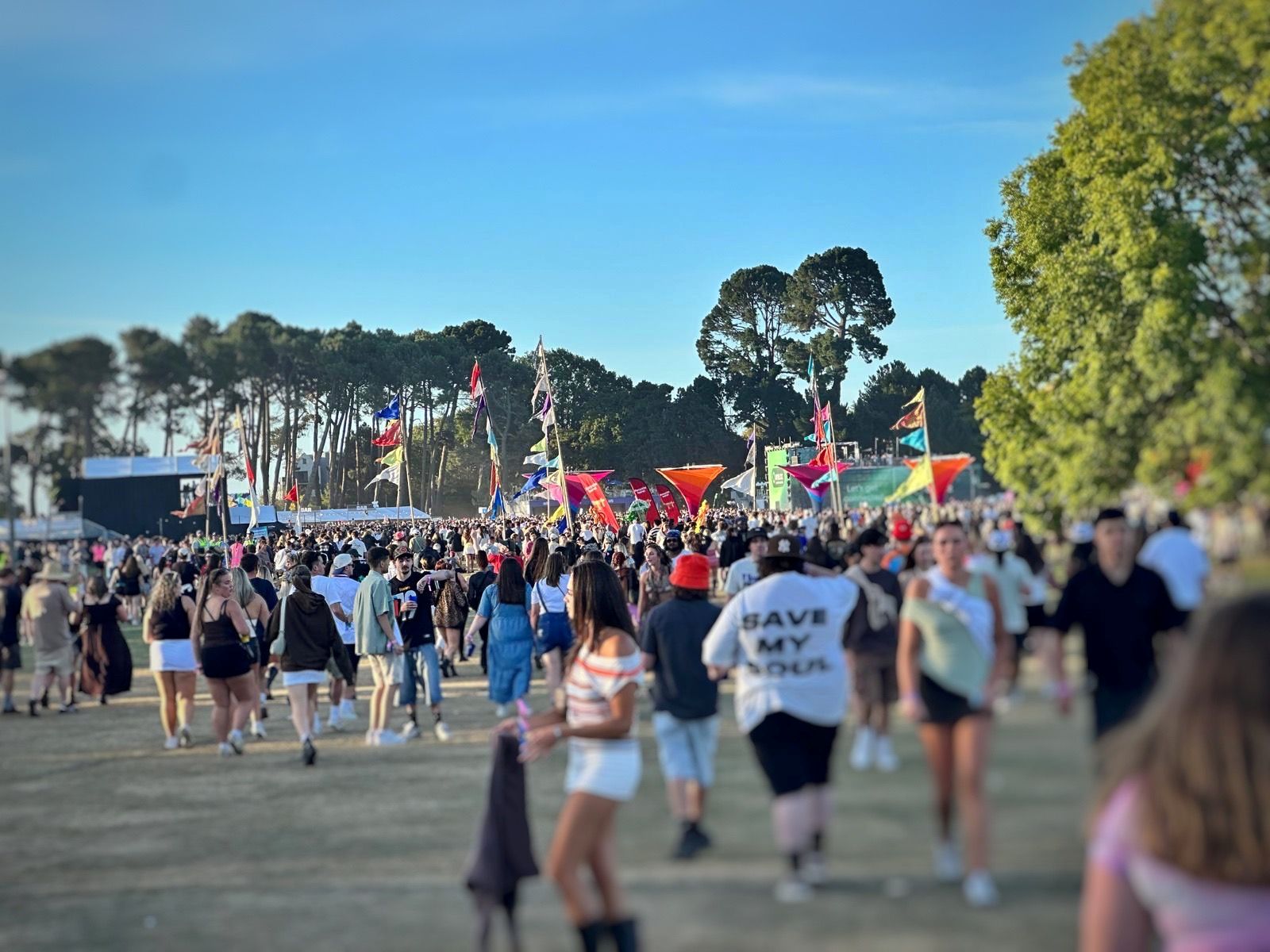
Music festivals are events people often look forward to for months. There is the excitement of waiting for line-ups to be announced, securing tickets, organising accommodation, and deciding what to wear. When the festival finally arrives, the anticipation can make the entire experience feel electric.
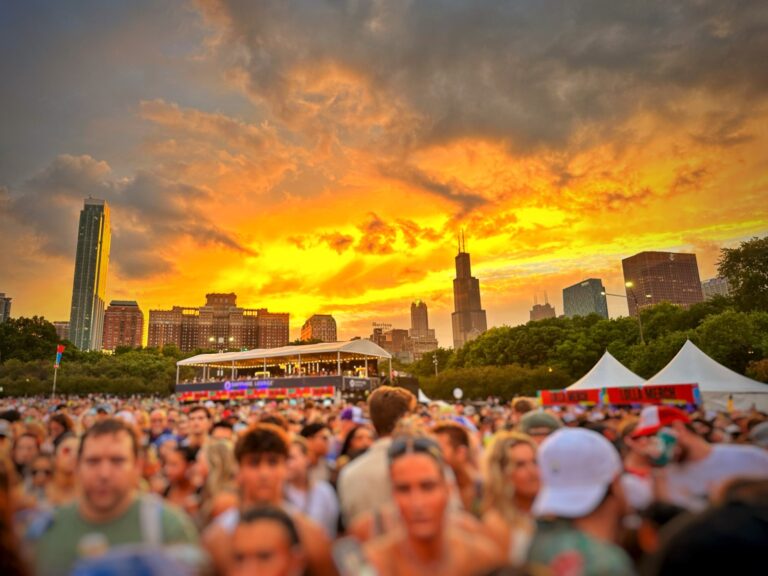
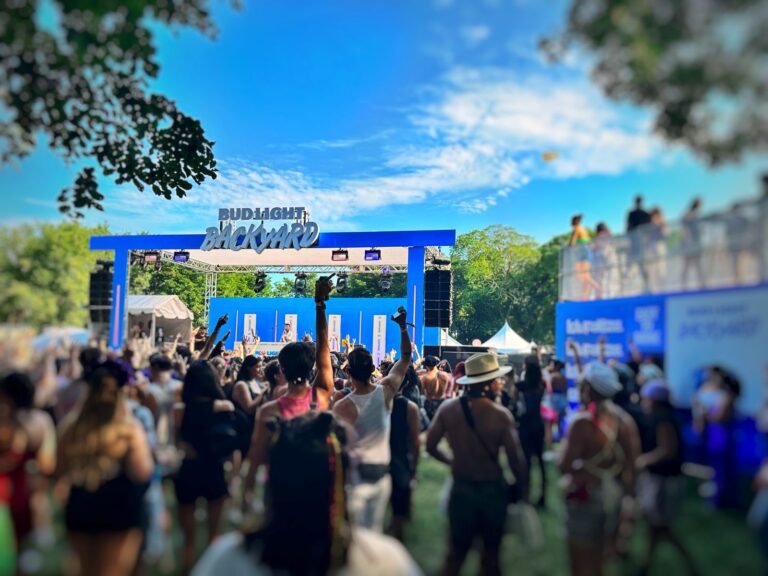
But many people notice a similar pattern when attending a two-day music festival. The first day often feels exciting and high-energy. By the second day, even if the music is just as good, the experience can start to feel a bit draining. You might feel more tired, more sensitive to crowds, or less patient with noise and queues.
This pattern is often described as festival fatigue. It usually appears when loud crowds, long walking distances, disrupted sleep, dehydration, and continuous stimulation accumulate over multiple days. Festivals ask much more from your body and attention than a normal day. Understanding why festivals are exhausting can help you pace your energy and enjoy a two-day music festival without feeling burnt out halfway through.
Why Two-Day Festivals Feel More Exhausting Than Expected
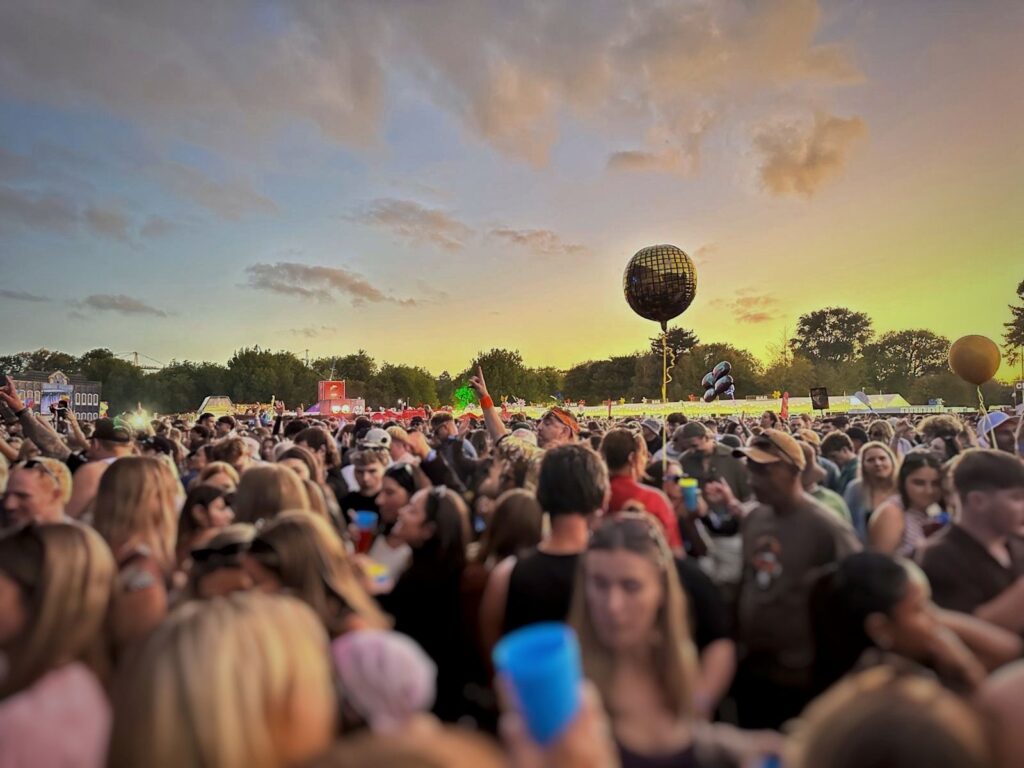
A two-day music festival can seem manageable at first. Compared with multi-day festivals, it sounds relatively short. In practice, though, even a weekend event can place a surprising amount of strain on your body and nervous system.
Festivals combine multiple stressors at once. There is continuous sensory input from music, lights, and crowds. You may walk long distances between stages, spend hours standing or dancing, eat differently than usual, and drink less water than your body needs. Alcohol can also play a role, and sleep is often shorter or more disrupted than normal.
Each factor alone might be manageable. Together, they create a level of stimulation and physical effort most people rarely experience in everyday life. This is one of the main reasons festival fatigue tends to appear by the second day.
Day One Energy vs Day Two Festival Fatigue
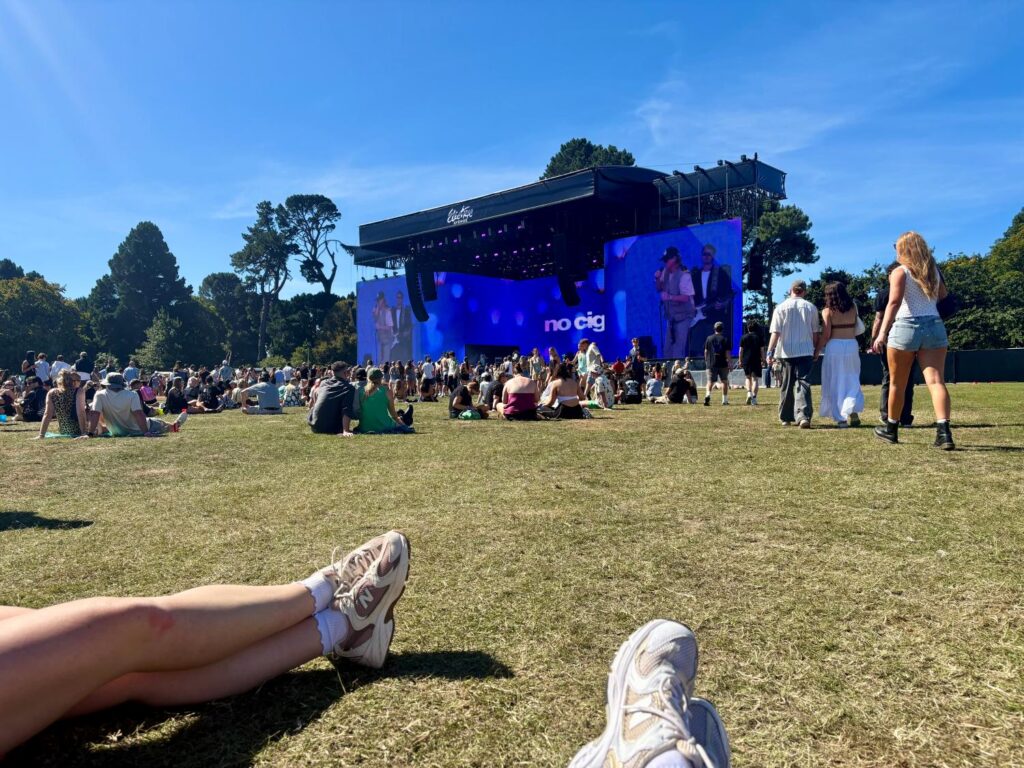
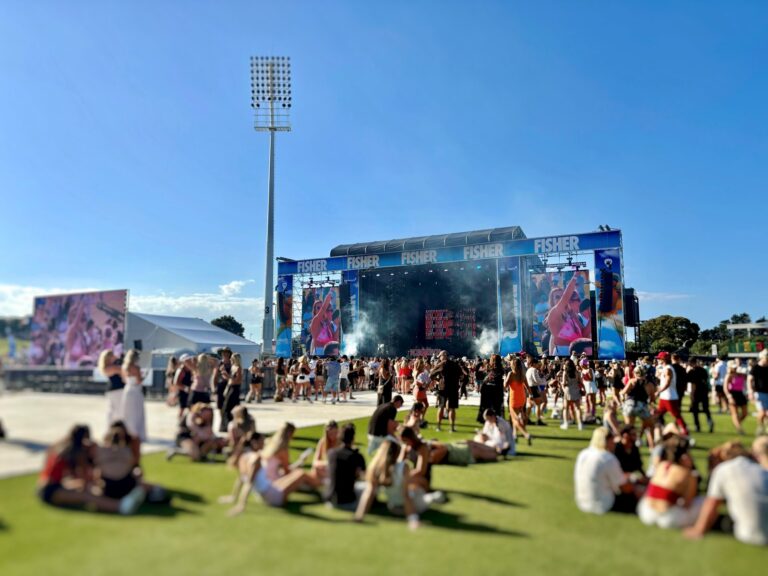
The difference between day one and day two at a festival is something many people recognise. I noticed this recently at Electric Avenue, a two-day festival in New Zealand. The first day felt full of energy and excitement, but by the second afternoon, my body was clearly feeling the effects of the accumulated walking, crowds, and late night.
On day one, everything still feels new. There has been a build-up of anticipation leading up to the event, and once you arrive, that excitement often carries you through the day. You may feel energised simply by being there. The novelty of the environment, the music, and the atmosphere naturally pulls your attention.
By the second day, things can feel different. You may not have slept as well as usual, your legs may already feel sore, and your brain has already processed hours of sound, crowds, and decisions. The novelty has also faded slightly, which means the adrenaline and excitement from the first day naturally subside.
Psychological research suggests that new environments naturally capture our attention and can briefly increase motivation and alertness. When everything feels fresh and unfamiliar, the brain tends to become more engaged and curious about what is happening around it. When this happens alongside poor sleep or physical fatigue, festival fatigue can feel much more noticeable.
Curious to explore the science behind this?
This blog draws on established behavioural science research and applies these principles to travel contexts. Sources are linked in our Evidence & Further Reading section.
The Important Role of Sleep Between Festival Days
Sleep is one of the biggest factors influencing how people feel on day two of a festival. Even if the festival itself finishes at a reasonable time, getting to sleep can still be difficult. By the time you leave the venue, travel back to your accommodation, eat something, and wind down, it is often much later than your usual bedtime.
The environment itself can also make it harder to sleep. Accommodation may be unfamiliar or noisy, especially if you are staying near the festival site. Alcohol can further disrupt sleep cycles, making sleep feel lighter and less restorative.
The result is that many people start the second day with less recovery than their body would normally need. Poor sleep does not just affect physical energy. It also lowers emotional resilience and can make crowds, noise, and decision-making feel more draining the following day.
If sleep tends to be difficult in unfamiliar environments, our guide to sleeping well while travelling explores ways to support better rest when you are away from home.
Why Crowds And Social Energy Feel Harder On Day Two
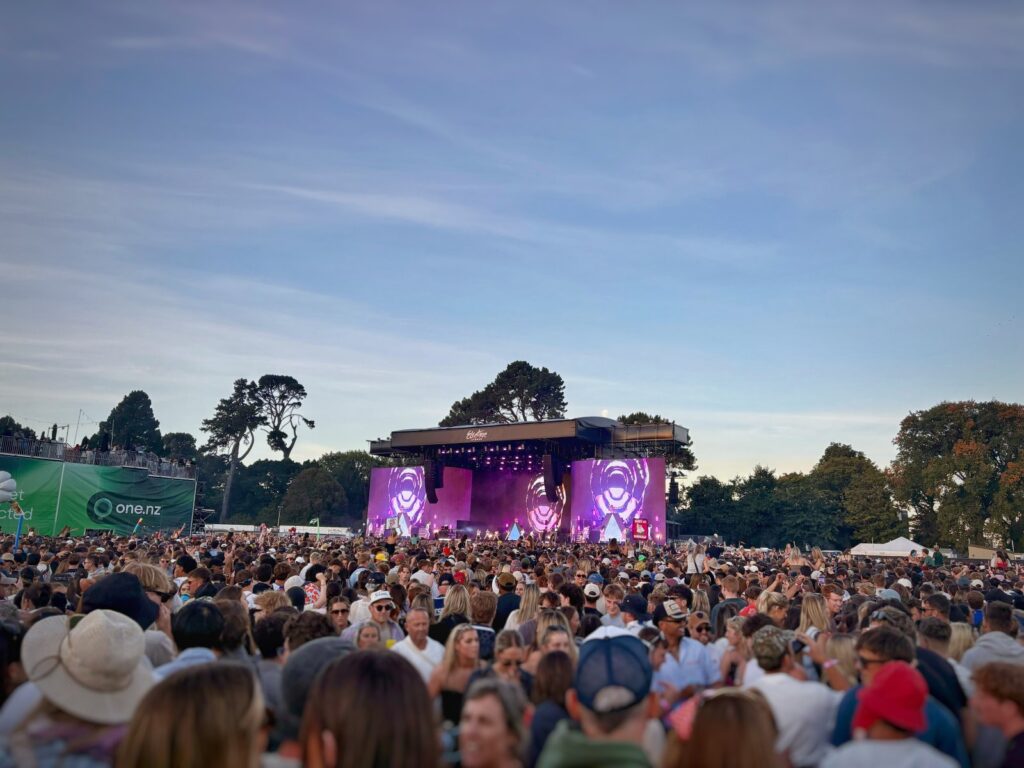
Crowds can feel very different depending on how rested and regulated you are. On day one, the crowd’s energy often feels exciting. By day two, the same environment can feel more overwhelming. This is partly because your cognitive bandwidth is lower when you are tired.
Festivals require constant small decisions: which stage to go to, where to meet friends, when to eat, and how to move through crowds. Over time, this creates decision fatigue. When your brain is already tired, even simple choices can start to feel effortful.
Social energy also plays a role. Festivals are highly social environments, even if you attend with close friends. Being surrounded by thousands of people, navigating conversations, and staying aware of those around you all require mental energy. By the second day, that level of social input can start to become draining, particularly for people who naturally need periods of quiet to reset.
I noticed this at Electric Ave as well. The crowds felt quite intense on the first day, and it became overstimulating. On the second day, we arrived earlier, before the venue filled up, and the experience felt noticeably calmer.
How Hydration And Alcohol Affect Festival Fatigue
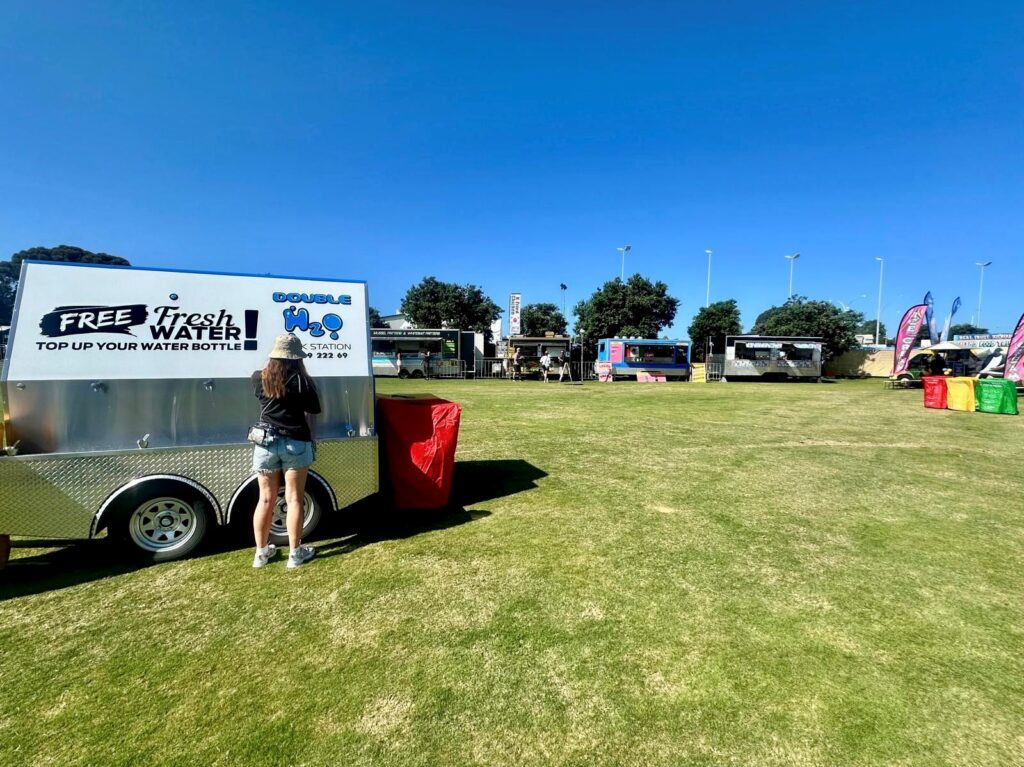
Hydration is one of the most overlooked factors when people think about how to survive a two-day music festival.
Festivals often involve long periods in the sun, hours of movement, and a lot of stimulation. When you are distracted by music and crowds, it is easy to forget to drink water regularly. Alcohol can make this even more likely, as it increases fluid loss and can mask early signs of dehydration.
Research suggests that even mild dehydration can affect mood, attention, and feelings of fatigue. This can make the second day of a festival feel much harder than it needs to.
Pacing alcohol intake, using free water stations, and occasionally adding electrolytes can make a noticeable difference. These small habits help your body maintain energy levels and recover more effectively overnight, which in turn reduces festival fatigue the next day.
Walking Distance Adds Up More Than People Expect
Walking is generally considered one of the healthiest forms of movement, and many people enjoy the amount of walking that comes with travel. Our article on walking while travelling explores why walking can support both mental clarity and physical wellbeing on the road. Festivals, however, can push this further than expected.
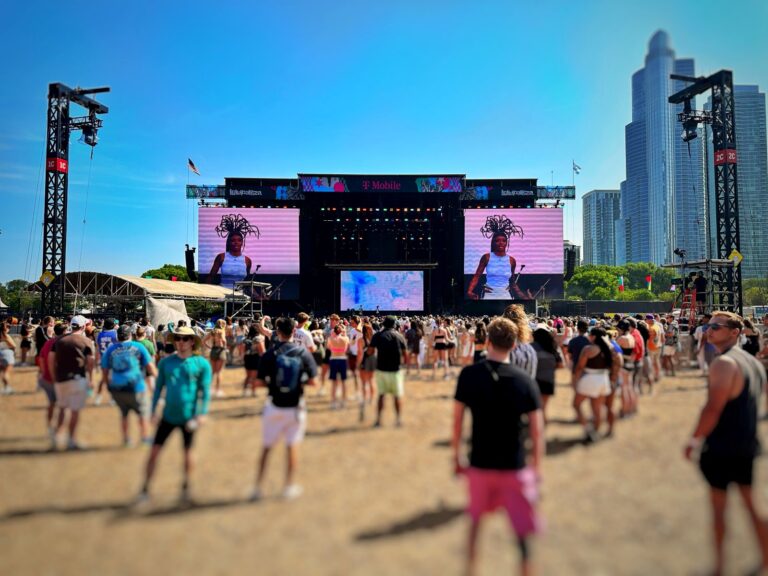
Moving between stages, finding food stalls, meeting friends, and leaving the venue can easily add up to tens of thousands of steps in a single day. Large festival sites often require constant movement between stages, entrances, and food areas, resulting in much higher step counts than people expect. Over the two days at Electric Ave, my watch recorded just over 50,000 steps, far more than most people would normally accumulate in a typical weekend.
Standing for long periods can also contribute to fatigue. Muscles in the legs and lower back may become sore, especially if you are wearing shoes different from your usual footwear.
When you combine walking, standing, dancing, and constant stimulation, it becomes easier to understand why festival fatigue often appears by day two.
How To Pace Your Energy At A Two-Day Music Festival
There is no perfect formula for managing energy at a festival, but a few simple habits can make the experience feel more sustainable across both days.
Prioritising sleep where possible is one of the most effective strategies. If you know you are a light sleeper, small steps such as choosing quieter accommodation, bringing earplugs, or using a sleep mask can help improve your overnight recovery.
Taking small breaks during the day can also make a difference. It is easy to move continuously from stage to stage without stopping, but even a short pause to sit in the shade, eat something, or drink water can help reset your energy.
Planning one proper meal during the day can also support your body. Including protein, carbohydrates, and some nutrient-dense foods gives your system more stable fuel, even if the rest of the day involves typical festival food.
Managing expectations for day two can help as well. I have noticed that simply expecting to feel a little slower or more tired makes it easier to move through the day without frustration.
Enjoying The Second Day Without Burning Out
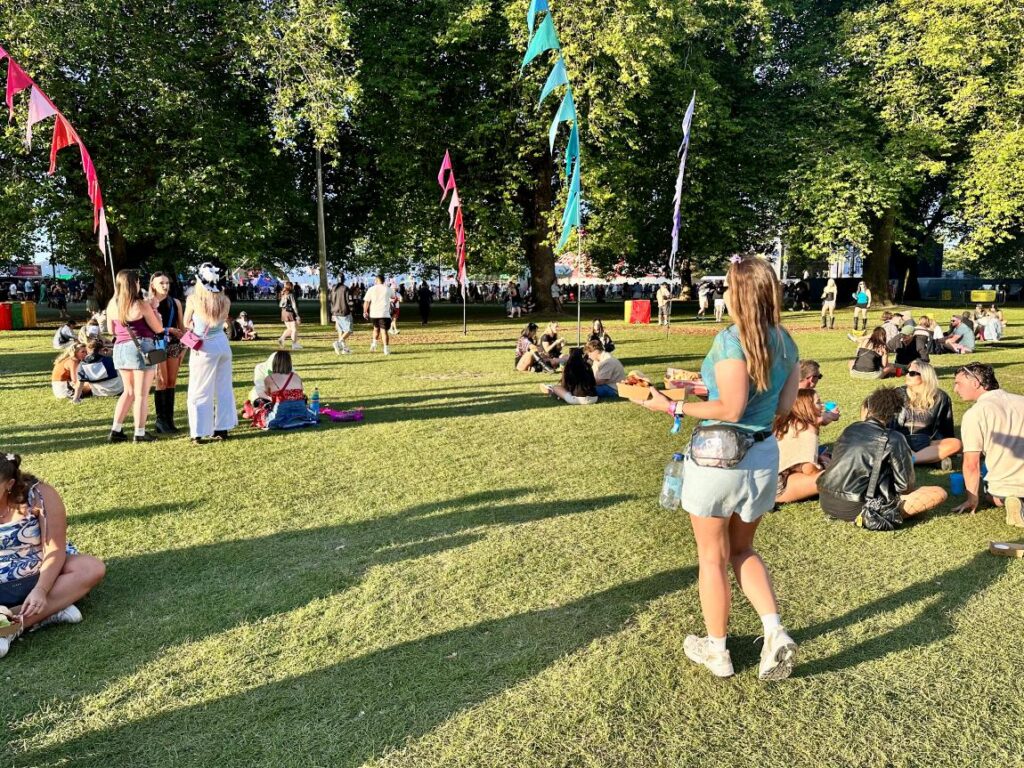
Festivals are meant to be exciting, memorable experiences. They are also intense environments for the body and mind.
Understanding why festivals are exhausting makes it easier to pace yourself across a two-day music festival. When you pace your energy, prioritise hydration, have a nutritious meal, and allow small moments of recovery, the second day often feels far more enjoyable.
The goal is not to optimise every minute, but to move through the weekend in a way that lets you enjoy the music, the atmosphere, and the people around you without completely burning out by the end. If you are planning multiple festivals this year, our guide to wellbeing at festivals explores how to protect your energy while still enjoying the experience.
This article is for general informational purposes only and is not intended to replace personalised medical, psychological, or professional advice.