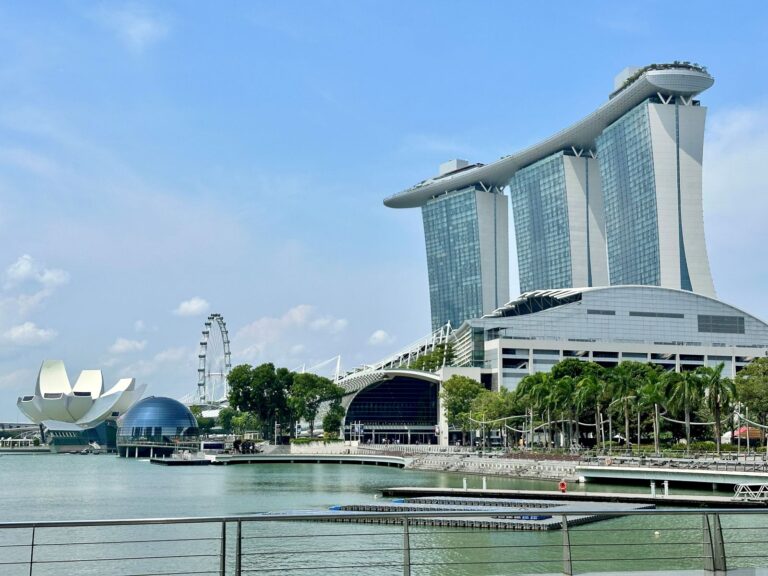
Does Travel Feel Better Before You Go? The Psychology Of Expectations Vs Reality

Have you ever been really excited for a trip abroad, only to feel a bit disappointed once you arrive? If you’ve ever wondered “why does travel feel better before you go” or “why am I not enjoying my holiday as much as I expected”, this is a surprisingly common experience.
The period before a trip can sometimes feel like the best part. You might spend weeks, sometimes months, looking forward to it.
Before you travel, it often feels clear in your mind how it will be. You picture arriving, settling in, and noticing things properly. It’s easy to expect you’ll feel more present, calmer, and perhaps even a bit different from how you feel at home.
But once you arrive, something can feel slightly off. You are enjoying it, but not in the way you expected. The feeling does not quite match what you had in mind before your trip.
If you have ever wondered if travel feels better before you go, you are not alone. Some people describe this as “travel expectations vs reality”, or even a kind of low-level holiday disappointment, and it doesn’t mean you chose the wrong destination.
Most of the time, this feeling doesn’t mean something has gone wrong. You are just experiencing the unedited version of travel. For some people, this can even overlap with nerves before departure, especially if you already experience first time travel anxiety.
Table of Contents
If you would like to read more about ways to improve your travel wellbeing, please see our wider Nomadic Balance site.
The Psychology Of Travel Anticipation Before You Travel
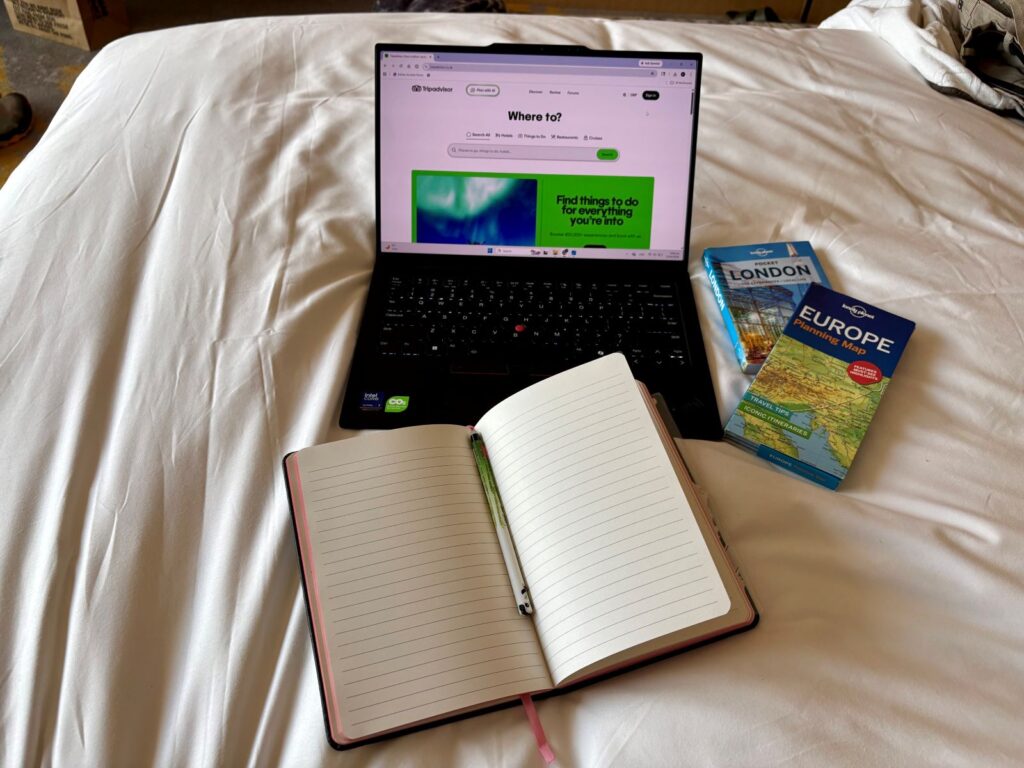
Anticipation works in the same way as good editing; it keeps what is appealing and leaves out everything else.
When you think about a trip in advance, your mind focuses on the parts that carry emotional weight. A view, a meal, a fun moment somewhere new. It does not spend much time on the in-between parts. The waiting, the decisions, or the small adjustments that fill most of a real day.
What you are left with is a simplified version of the future. It feels simple and coherent, even if the actual trip will not be.
There is also a biological side to this. When you look forward to something, your brain activates reward pathways linked to motivation and positive feeling. This is why looking forward to something can feel consistently rewarding, sometimes even more than the experience itself.
That anticipation can feel steady and reliable in a way that real experiences often are not. As a result, the period before a trip can feel consistently positive, while the trip itself feels more mixed.
Curious to explore the science behind this?
This blog draws on established behavioural science research and applies these principles to travel contexts. Sources are linked in our Evidence & Further Reading section.
Why Travel Expectations Vs Reality Feel Different Once You Arrive
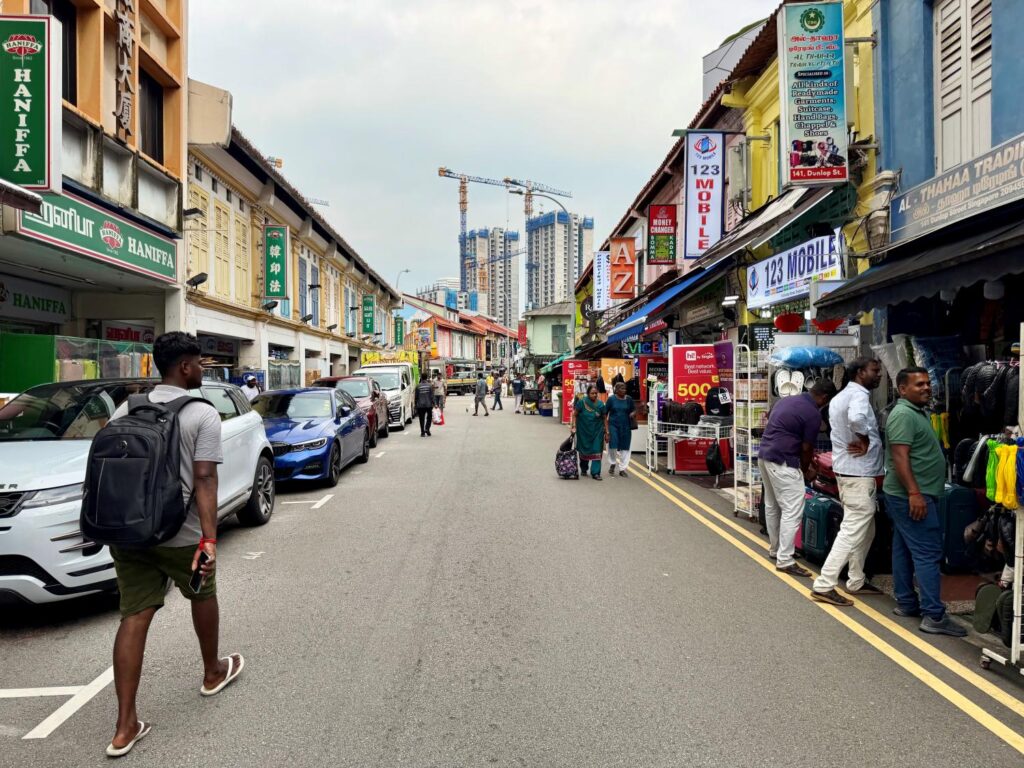
It is easy to interpret that expectation versus reality as disappointment. But this difference is not about the trip being worse. It comes from how your brain builds imagined experiences compared to how it processes real ones.
When you imagine something, your attention narrows. You focus on the highlight and ignore the rest.
When you are actually there, your attention is pulled in multiple directions at once. You are taking in a new environment, figuring out where you are going, making decisions, and adjusting to things that do not quite go to plan.
The experience is fuller, but less smooth. What you imagined left things out, but what you experience includes everything.
Why You Don’t Feel As Good As Expected When You Travel
If you have ever found yourself thinking, “I thought this would feel better,” it is rarely about the destination itself. It is usually about mental load.
In a new place, very little runs automatically. Simple things like finding food, getting from A to B, or choosing what to do next require more attention. Your brain is working harder than it would at home, even if the setting is more enjoyable.
This is often amplified by physical factors like tiredness or disruption to routine, especially if you are adjusting and trying to recover from jet lag quickly.
At the same time, part of your attention is slightly ahead of you, thinking about what is next. Another part may be comparing the moment to what you expected it to feel like.
With all of this combined, you are not just having the experience, you are processing it, managing it, and evaluating it all at once. That combination can flatten the feeling, even when the experience itself is good.
Understanding this can shift the experience slightly. Instead of assuming something is missing, you can recognise that your brain is simply working harder than usual, which naturally changes how things feel.
How Social Media Adds Pressure To Travel
Social media has changed what many of us expect travel to feel like, especially before going on holiday. In the weeks leading up to a trip, it is easy to absorb a steady stream of curated moments. Places look calm, spacious, and meaningful, and people appear relaxed and fully immersed in what they are doing.
Even if you are not actively comparing yourself, these images shape a baseline expectation of how your own trip might feel. The difference is that social media usually shows a small highlight, not the full experience around it. It rarely includes the waiting, navigating, decision fatigue, or the flat moments that often come with being somewhere new.
When your experience feels more mixed, it can register as a subtle disappointment. Not because your trip is going badly, but because you are comparing a full day to a handful of edited moments.
Social media can also add a layer of pressure. A sense that moments should feel more meaningful or worth capturing. Even a slight shift in attention, like wondering whether something is “worth taking a photo of”, can take you out of actually being there.
You don’t need to avoid social media entirely; it can still be useful for ideas. But it helps to notice when it is shaping how you expect things to feel. With that awareness, you can soften those expectations and bring your attention back to what is actually happening. Experimenting with more phone-free travel can make it easier to stay engaged.
Why You Might Feel Guilty On Holiday (Vacation Guilt Explained)
Another factor that can affect how travel feels is what is often called “vacation guilt” or “holiday guilt”.
This can show up as thoughts like “I should be making the most of this”, “I spent a lot of money on this trip”, or “I don’t travel often, so this should feel amazing”.
Instead of helping you enjoy the experience, this pressure can make you monitor it more closely. You start checking whether you are enjoying yourself enough, which can actually pull you further out of the moment.
For some people, there is also a subtle guilt around resting or slowing down, especially if daily life is usually busy or productivity-focused. Doing less on holiday can feel unfamiliar, even though that is often the point.
Just noticing it when it shows up can take some of the pressure out of it. This shifts the experience from “something is wrong” to “this is a common response when something matters to you”.
How To Feel More Present While Travelling
Trying to fix this by telling yourself to “be present” usually adds another layer of pressure. A more useful shift is to change how you relate to what is already happening. This is also where a more intentional approach to mindful travel can be helpful, not as something to get right, but as a way of noticing what’s already there.
Noticing Comparison In Real Time
One of the easiest things to miss is how often you are comparing the moment to what you imagined before the trip.
It tends to sound like “I thought this would feel more special”, “I should be enjoying this more”, or “I need to make the most of this”.
When you notice that, you do not need to correct it, but you can acknowledge that this is you comparing. That’s often enough to bring your attention back to what’s actually in front of you.
Even briefly labelling it as “expectation vs reality thinking” can create a bit of distance, which makes it easier to return to the moment without forcing it.
Letting Travel Days Be Uneven

Most travel days are not consistently good; they are often mixed. You might have a slow start, a slightly stressful middle, and a calm evening. Or a great morning followed by a flat afternoon.
If you expect the whole day to feel a certain way, any dip stands out. It feels like something has gone wrong. But if you expect variation, those same moments feel more normal.
Some days may be packed with a full itinerary and others quiet. Both are valid, and both can be fulfilling in different ways.
I have found that when I stop expecting the day to feel a certain way, I notice more of what is actually enjoyable.
This small shift often makes travel feel better overall, not because every moment improves, but because fewer moments are judged as “not good enough”.
Reducing Forward-Focused Thinking
It is easy to spend a lot of time slightly ahead of yourself when travelling. You arrive somewhere new, but part of your attention is already on the next place, the next plan, the next decision. Instead of trying to stay present all day, make it more manageable.
Pick one moment to be fully present in, like the first few minutes after sitting down somewhere, the beginning of a meal, or the start of a walk somewhere. You will not hold that attention all day, and you do not need to, but this can bring your mind back to the now, rather than what’s next.
Over time, these small moments tend to add up, and the trip can feel more grounded without needing to change anything major about your plans.
Letting Moments Be Ordinary
Sometimes when we travel it feels like things need to feel significant. But our attention tends to work better without that pressure.
When you try to make a moment feel a certain way, part of your focus shifts to whether it is working, which splits your attention.
When you let a moment be ordinary, your attention settles more naturally into it. You tend to notice more, even if the feeling may be different than you expected, and you may feel more in the moment because of it.
Often, that’s when moments start to feel more enjoyable, because you are no longer trying to make them feel a certain way.
A More Realistic Way To Experience Travel
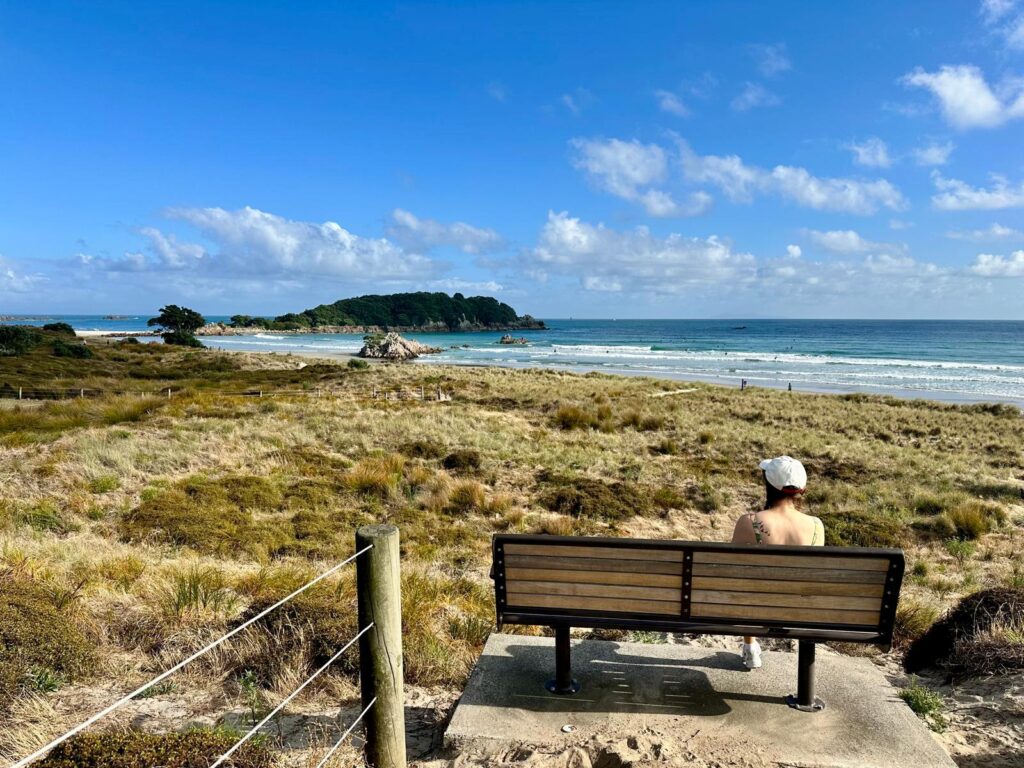
The aim is not to recreate how things felt before you left. What you imagined was a simplified version, but what you are experiencing now is the full one.
When you are actually travelling, it includes more detail, more variation, and more effort. This is why it can feel different in reality.
When you understand why travel can feel better before you go, your mindset shifts slightly. Instead of asking whether the trip is living up to expectations, you start to notice what is actually there.
When you relate to travelling this way, the experience can become more satisfying and more realistic, rather than needing it to match a specific feeling you had in mind before you left.
This article is for general informational purposes only and is not intended to replace personalised medical, psychological, or professional advice.