How To Stay Energised At A Festival For The Artists You Love
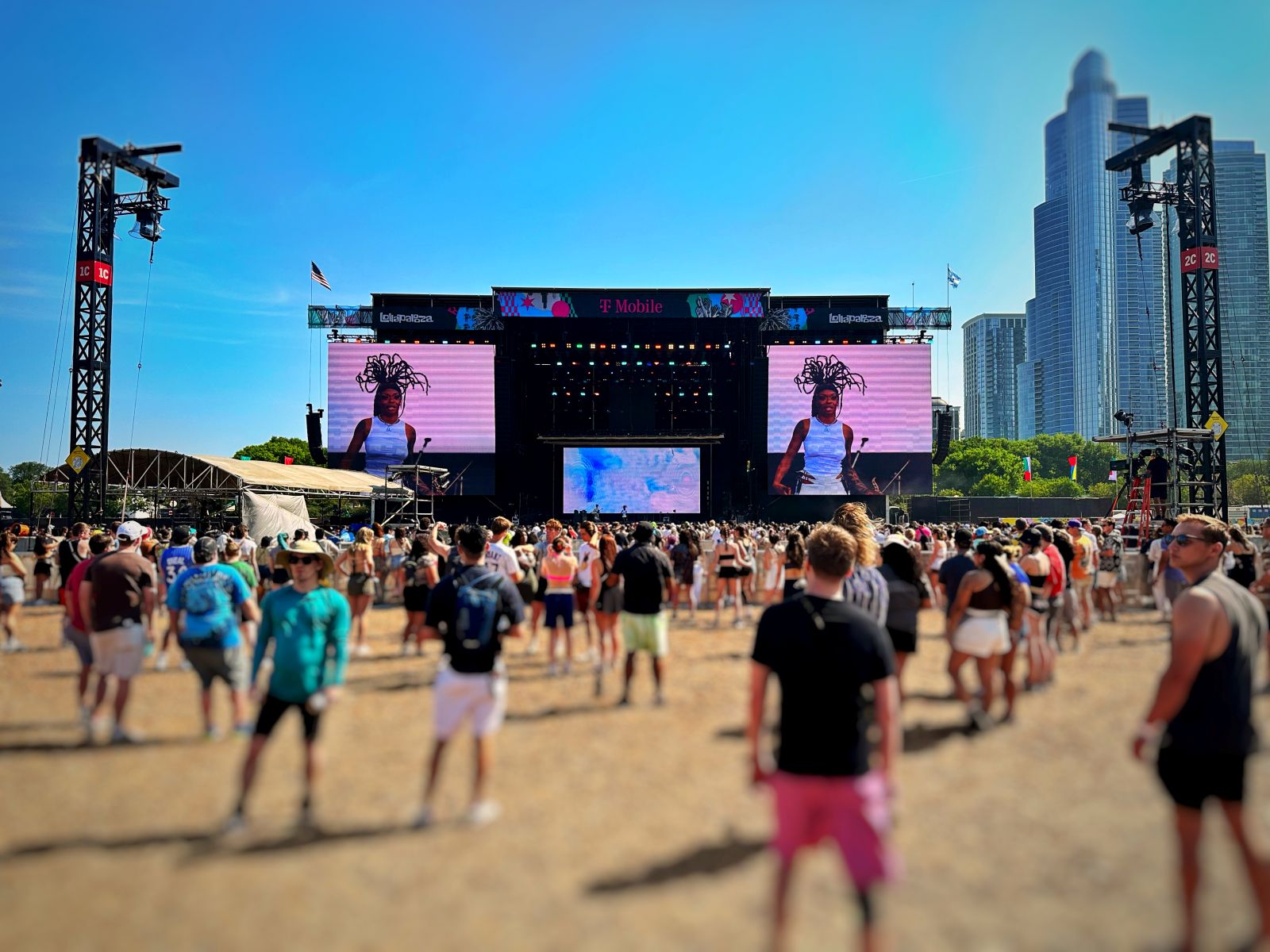
A music festival can be one of the most exciting experiences of the year. You may have waited months to see a favourite artist, spent weeks listening to the line-up, and imagined what it will feel like when the opening song finally begins.
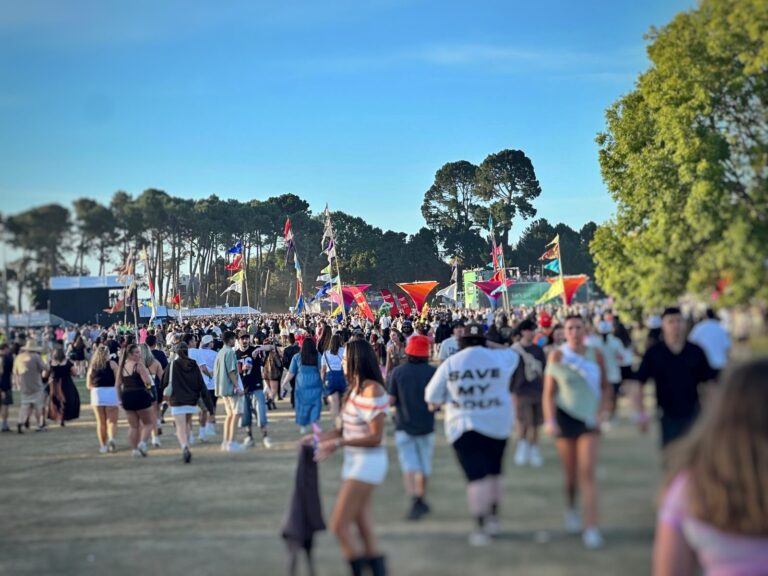
Once you arrive, there is music in every direction. Friends suggest another stage, an artist you barely know sounds fun, and even the walk between performances can feel like part of the event. It is understandable to want to experience as much as possible.
That excitement can also create the feeling that every hour needs to be filled. Sitting down may seem like wasted time when another performance is beginning nearby. Leaving a crowd early can feel disappointing, even when you are not particularly enjoying the set.
Trying to see everything, however, can leave you with less attention and energy for the performances that matter most. You may reach your favourite artist with sore legs, low patience, or a mind that is more focused on finding food than following the music.
Learning how to stay energised at a festival is partly about food, water, sleep, and physical comfort. It is also about deciding where your energy matters most and allowing the day to contain different paces.
Our broader festival wellbeing guide covers hydration, food, sleep, overstimulation, and recovery. This article focuses on a less obvious part of festival energy: choosing how to spend your attention without losing the spontaneity that makes the day so exciting.
Table of Contents
Why Do You Feel Pressure To See Everything At A Festival?
Festivals bring together limited time, an enormous line-up, expensive tickets, and performances that may not happen again soon. Missing an artist can feel different from skipping an ordinary plan because the opportunity seems rare.
Anticipation increases that pressure. If you have spent months waiting for the festival, you may want the reality to contain every experience you imagined. There can also be a desire to justify the cost by seeing as many performers as possible.
Clashes make the choices harder. One friend wants to visit another stage, someone else has discovered a new artist, and you are trying to work out whether leaving one performance early will give you enough time to reach the next.
None of this pressure means you are approaching the festival incorrectly. Wanting to immerse yourself in the music is part of what makes the event special. The difficulty begins when making the most of the day quietly becomes an obligation to maximise every minute.
A memorable festival does not require the greatest possible number of performances. It requires enough attention to enjoy the moments you decide to experience.
Curious to explore the science behind this?
This blog draws on established behavioural science research and applies these principles to travel contexts. Sources are linked in our Evidence & Further Reading section.
Can Festival Excitement Hide Tiredness And Hunger?
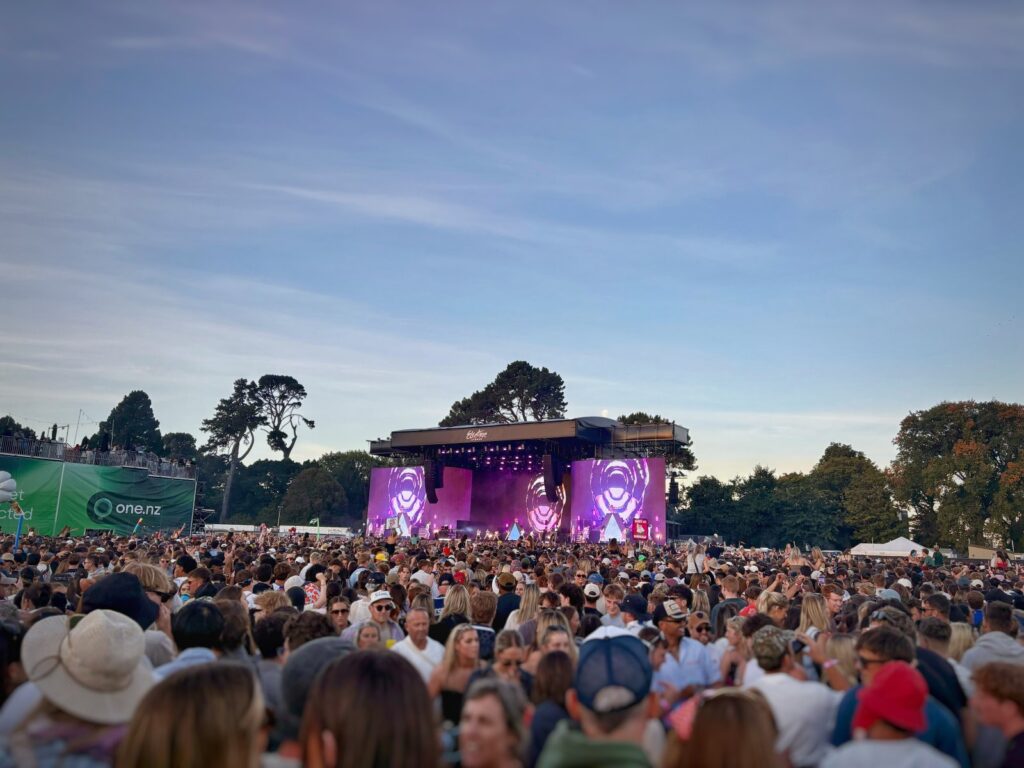
Excitement can make a long festival day feel effortless at first. Music, movement, anticipation, and the activity around you may temporarily draw your attention away from feelings such as tiredness or physical discomfort.
I am completely guilty of becoming extremely excited before an event. I listen to the line-up, think about the artists I want to see, and imagine everything I want to fit into the day.
As I have attended more festivals, I have become more aware of what I should be prioritising. I am also learning to allow myself to experience different feelings across the day and to stay mindful of how those feelings change.
I can be completely absorbed in a performance, feel tired or overwhelmed after it finishes, and then become excited again later. The quieter feeling in the middle does not mean the festival is going badly. It may mean I need food, water, a different position in the crowd, or a short period without rushing anywhere.
This is one reason a drop in energy can feel sudden. You may feel brilliant throughout a set and notice your sore feet only when it ends. Hunger may seem to appear all at once when you notice it after an absorbing performance, even though the underlying bodily signals are likely to have developed gradually.
Checking in occasionally does not need to interrupt the experience. It can be as brief as noticing whether you are still enjoying the crowd, whether you have eaten recently, and whether the next performance genuinely matters to you.
How To Recognise Festival Fatigue Before Your Energy Drops
Festival tiredness does not always appear as an obvious need to sleep. It can show up in the way you experience the environment.
A queue that seemed unimportant earlier may become disproportionately irritating. You may repeatedly change your mind about which stage to visit, struggle to follow a performance, or become less tolerant of noise and dense crowds.
You might also notice that you are thinking continuously about food, water, a toilet, or somewhere to sit. At that point, your attention is no longer fully available for the performance in front of you.
These changes are useful information. They do not automatically mean you need to leave or that the rest of the day is ruined. Addressing one practical need may be enough to help you reconnect with the festival.
Hydration, heat, physical exertion, sleep, alcohol, and sensory demands can all influence how alert, comfortable, and mentally focused you feel. Looking after those basics protects your ability to enjoy the music. It does not turn the festival into a wellbeing exercise.
At Open’er Festival we had three artists in a row that we were really excited to see, but we noticed that hunger and general fatigue were starting to pull our attention away from the music. Instead of pushing through, we took a break to get food, sat further back in the crowd while eating, and gave ourselves a reset. By the time Jennie came on as the headliner, we felt properly re-energised and able to fully enjoy the performance.
How To Prioritise Artists And Plan Your Festival Schedule
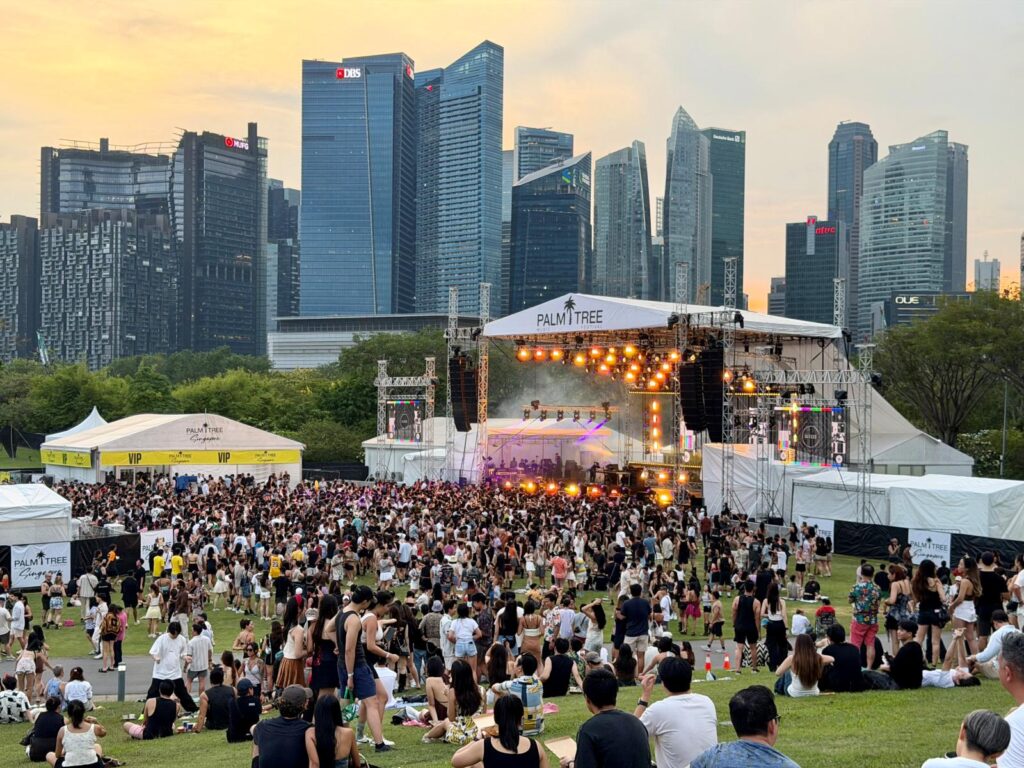
A useful festival schedule does not need to be rigid. It can help to separate the line-up into artists you genuinely care about, performances you would enjoy if the timing works, and sets you are comfortable missing.
Your priorities may also involve different kinds of energy. You might want to dance through one performance, stand close to the stage for another, and watch an earlier artist from farther back.
Standing farther back does not necessarily make a performance less worthwhile. You may have more space to move, an easier route to food or water, and enough energy left to enjoy the headliner properly. I also usually find it better to stand a little further back because I’m quite short, and it can genuinely be more enjoyable sometimes when I can actually see the stage clearly without feeling boxed in.
The same applies to leaving a set. You do not need to remain until the final song merely because you started watching. If the performance is not holding your attention and something else would make the day better, changing the plan is allowed.
This selectiveness creates room for spontaneity too. When every minute is already assigned, discovering an unexpected artist can feel like a scheduling problem. A more flexible plan gives you somewhere to put that excitement.
How To Use Breaks To Stay Energised At A Festival
A blank space in the schedule can feel uncomfortable when music is happening somewhere on the site. It is tempting to fill it with another performance, even when you are indifferent about the artist.
That gap may be what allows you to eat without rushing, sit with friends, refill your bottle, or explore the site without constantly checking the time. These experiences are still part of the festival.
Some of the most enjoyable moments may happen between planned performances: hearing an unfamiliar song from across the site, talking about the set you just watched, or finding somewhere comfortable before the evening crowds build.
A quieter period does not need to be labelled as recovery. You are still inside the event, surrounded by its atmosphere. You are allowing the day to change pace before the next moment of excitement.
Mindfulness at a festival does not have to involve a formal exercise. It can mean noticing the music you can hear, the people you are with, and how you currently feel instead of treating every gap as a route to the next stage.
How To Pace Yourself At A Festival With Friends
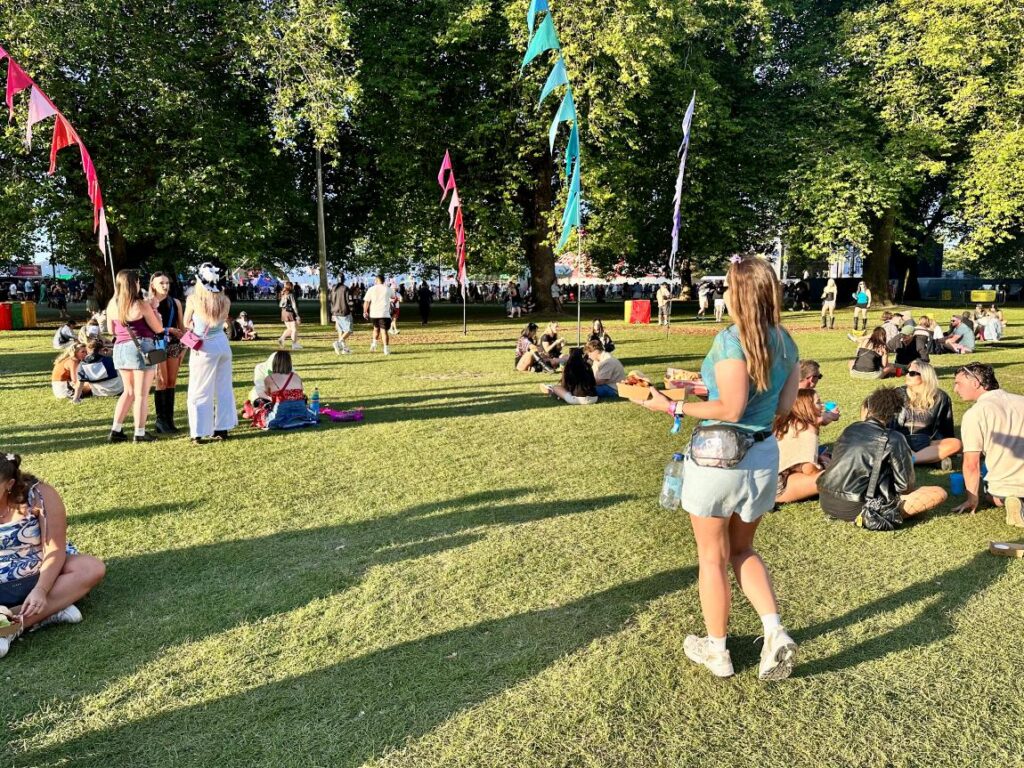
Festival plans rarely involve only one person. Friends may have different priority artists, energy levels, food preferences, and ideas about where to stand.
You do not have to move together for every performance. If the site, phone signal, and circumstances make it safe and practical, agreeing on a meeting point can allow people to follow different priorities without turning every clash into a group negotiation.
It can also help to be honest when you need something. Saying that you want to sit while eating or watch one performance from farther back is easier than continuing until tiredness becomes frustration.
Flexibility works in both directions. A friend may want to stay for an artist you would normally skip, and that unexpected set could become one of the best discoveries of the day. Pacing is not about removing spontaneity. It gives the group more capacity to enjoy it.
For more guidance on balancing different needs, energy levels, and preferences during a shared trip, our guide to travelling with other people explores how to stay connected without losing your own sense of presence.
What To Do When Your Energy Drops At A Festival
If you suddenly feel exhausted, move away from the busiest part of the crowd where possible, sit down, and have some food and water. Give yourself a little time before deciding whether the entire evening needs to change.
You may feel considerably better after addressing one immediate need. Missing the beginning of a lower-priority performance could leave you much more present for everything that follows.
If you feel faint, confused, severely overheated, short of breath, acutely unwell, or unable to recover, use the festival’s medical facilities rather than treating it as ordinary tiredness.
Changing the plan is not a failure to make the most of the ticket. It is a decision based on the day you are actually experiencing rather than the version you imagined beforehand.
At a multi-day event, that flexibility becomes even more valuable. The guide to surviving a two-day music festival explores how walking, shorter sleep, crowds, and first-day excitement can affect the following day.
How To Enjoy More Of A Festival Without Seeing Everything
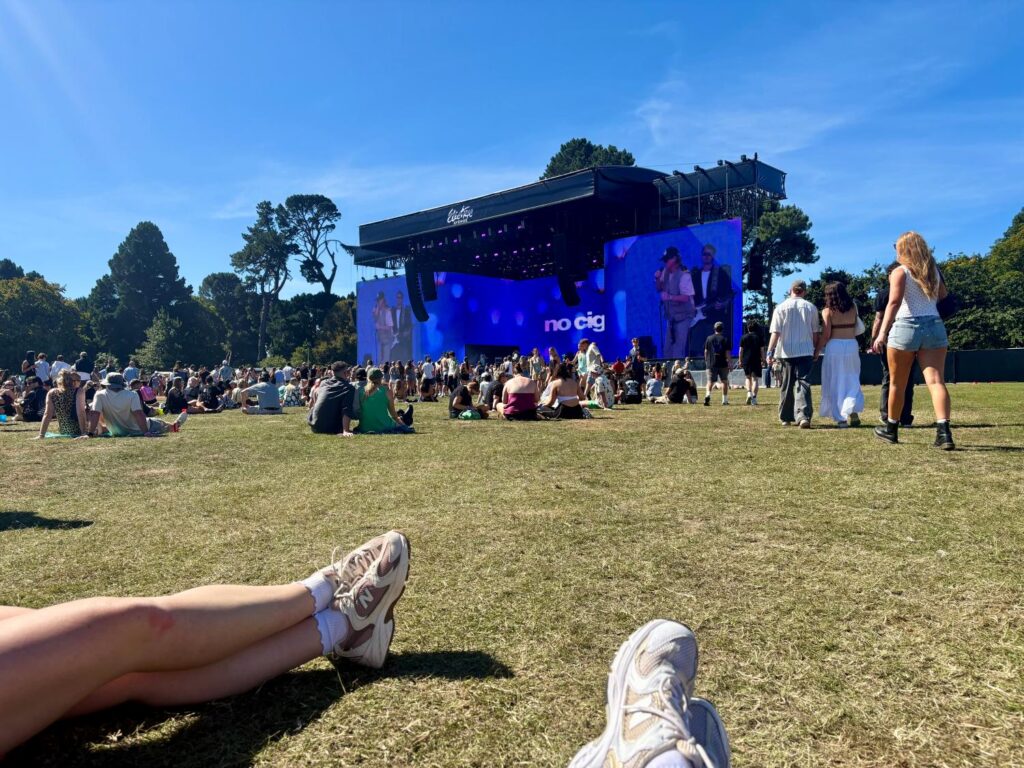
A festival really can be one of the best weekends of your year. There is the anticipation before you arrive, the first view of the stages, the collective excitement when a favourite artist appears, and the possibility of discovering music you did not expect to love.
Pacing yourself does not make any of that less exciting. It can help you remain present enough to notice it.
You may still walk much farther than usual, dance until your legs hurt, stay out late, and change your plans because a performance is too good to leave. The point is not to control the experience. It is to recognise that your energy does not need to remain constant for the festival to be incredible.
As I attend more festivals, I am becoming more comfortable with choosing what deserves my attention and allowing the day to include excitement, tiredness, calm, spontaneity, and renewed energy. Those different feelings can all belong to the same brilliant experience.
You do not need to see every artist to feel that you were fully there. Protect a few gaps, stay responsive to what you need, and spend your greatest energy on the moments you would be genuinely disappointed to miss.
For more psychology-informed guidance on enjoying festivals and travel while supporting your wellbeing, explore Nomadic Balance.
This article is for general informational purposes only and is not intended to replace personalised medical, psychological, or professional advice.