First-Time Travel Anxiety: How To Handle Your First Trip Abroad
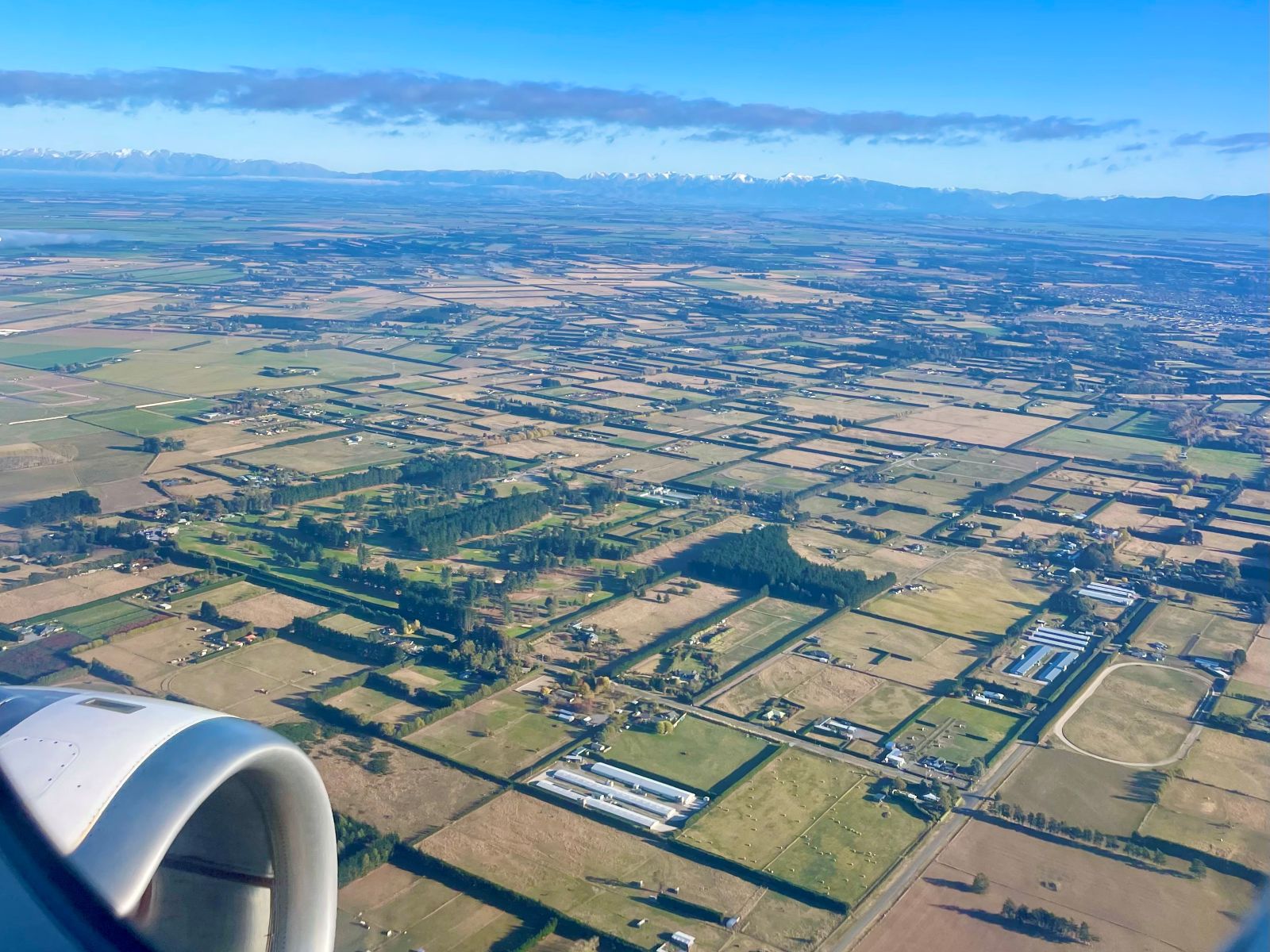
Booking your first international trip can feel surreal. There is real excitement in pressing confirm and seeing the flights appear in your app. Yet alongside that excitement, something can start simmering in the background. You might feel restless or slightly on edge, and at times even question why you booked it in the first place.
A common thought during this phase is: Why am I this anxious? Nothing is wrong. This should be exciting. Often, nothing is wrong.
First-time travel anxiety usually arrives because of uncertainty. Your brain is adjusting to novelty, unfamiliar systems, and a temporary loss of control. It is trying to prepare you for what it cannot yet predict. When you understand that this response is protective rather than problematic, the anxiety becomes something you can work with rather than something you need to eliminate.
Please note that this article is grounded in psychological research and is not designed to replace professional advice. We use the word anxiety casually, but it is also a clinical term for a recognised disorder. This article focuses primarily on common travel worries rather than debilitating mental health conditions. If you experience severe or persistent anxiety, seeking support from a qualified mental health professional is important.
If you are interested in learning more about ways to support your wellbeing on the road, you can find more on our main site page.
Table of Contents
Why Your First Trip Abroad Can Feel So Overwhelming
Your first trip abroad increases cognitive load. You are navigating new social norms, new transport systems, possibly a different language, and a different rhythm of daily life. Even simple tasks require more attention than they would at home.
From a psychological perspective, perceived risk rises with unfamiliarity. The more different a place feels from what you know, the more alert your nervous system becomes. This is a protective response, not a flaw.
That alertness can show up as restlessness before departure, irritability while packing, urges to over-research, or even sudden thoughts about cancelling. This is not a confidence problem. It is a response to the unknown.
Why Anxiety Often Peaks Before You Leave
Many people find that anticipatory travel anxiety feels strongest in the days or weeks before departure, not during the trip itself.
Before you leave, your mind fills in the blanks. What if I get lost? What if I panic? What if something goes wrong and I cannot fix it?
This is also common in travel anxiety before flying. The body can maintain a stress response to imagined scenarios, even when no immediate threat is present.
Once you are actually moving through the airport, checking in, finding your gate, and locating your accommodation, something shifts. Action replaces preoccupation, and the brain moves from prediction to problem-solving.
It helps to expect this pre-trip peak. Anxiety rising before departure does not automatically mean the trip is a mistake. It often means your brain is preparing for something new.
If the physical side of this anxiety feels particularly loud, you might find it helpful to explore some simple grounding practices for travelling, which can steady your nervous system before you even leave home.
Curious to explore the science behind this?
This blog draws on established behavioural science research and applies these principles to travel contexts. Sources are linked in our Evidence & Further Reading section.
When Planning Helps And When It Makes Things Worse

Preparation can reduce the fear of travelling abroad. But there is a point where planning becomes repetitive overthinking, going over the same possibilities without resolving anything.
It can feel productive because it looks like research: tabs are open, notes are saved, and videos are watched. Yet instead of solving a specific issue, the mind simply replays possibilities without resolution.
It’s also common to reach for your phone more during this stage. If you’ve noticed that pattern, our piece on why being on your phone feels comforting when travelling explains why that pull makes psychological sense.
A simple check can help. After researching, ask yourself: Did I solve something concrete, or did I just replay scenarios?
If nothing specific was resolved, pause. You might set a boundary, such as 20 focused minutes of planning per day. When the timer ends, close the tabs. Contained planning may reduce prolonged stress activation by preventing repetitive worry from taking over.
How To Prepare Without Trying To Control Everything
You do not need to control every detail of your first trip. You need to reduce the biggest unknowns.
A brief uncertainty audit can help. Ask yourself:
- What exactly feels uncertain?
- Is this controllable before departure?
- What single action would reduce it by 20 per cent?
Focus on the top two or three concerns only.
If the worry is not knowing how to get from the airport to your accommodation, learn that route. Write down the bus number. Screenshot directions. Download an offline map.
If the worry is not understanding the train system, read a clear guide or watch a short walkthrough.
Reducing uncertainty around arrival and transport is often more stabilising than building a detailed day-by-day itinerary. Once the main unknowns are addressed, allow that to be enough.
What “Enough Planning” Actually Looks Like
For a first international trip, psychological safety often requires only a few anchors. These might include having your accommodation confirmed, understanding transport on arrival, identifying a first meal option, and saving essential information offline.
When these are in place, you have reduced some destabilising uncertainties.
Beyond that point, additional research may not always reduce first-time travel anxiety. Sometimes it increases it by introducing new hypothetical risks. There is a threshold where preparation shifts from helpful to excessive. Noticing that the threshold is part of learning how to deal with travel anxiety sustainably.
I find that planning just enough lowers my anxiety while still leaving space for spontaneity, which makes the experience feel lighter rather than tightly controlled.
Making An Unfamiliar Place Feel Slightly More Familiar
Part of first-time travel anxiety comes from perceived cultural distance.
If you are travelling somewhere that feels very different from home, small steps can increase familiarity. Learning basic local norms, understanding tipping expectations, and knowing how public transport payment works all provide signals of predictability.
You are not trying to learn everything about a culture in advance. You are simply giving your brain a few reference points.
Even brief exposure, such as reading a guide or watching a station walkthrough, can lower perceived risk. Familiarity reduces threat responses over time.
See It As Exposure, Not A Test Of Who You Are

It can feel as though there is a lot of pressure around a first big trip; to do it “well,” to be confident, to make it meaningful. This framing can often increase stress.
A more helpful view comes from behavioural psychology. Repeated exposure to unfamiliar situations tends to reduce perceived threat over time. The first encounter feels intense, but repeated contact lowers fear. Your first international trip is not proof of who you are; it’s the first repetition.
Each time you navigate a station, order food, or solve a small problem, your brain updates its prediction. Unfamiliar does not automatically mean unsafe. Confidence usually develops after exposure, not before it.
What To Do If Anxiety Spikes During The Trip
If you feel anxiety rising before or during the trip, keep your response simple. Take a pause. Slow your breathing, allowing your exhale to be slightly longer than your inhale. Then take one small, practical action that increases clarity or physical steadiness. When your brain sees you handling something concrete, anxiety often softens.
You could drink some water, check your gate, message your accommodation, or sit somewhere with your back supported.
If you are prone to panic attacks or severe anxiety, consider speaking with a healthcare professional before travelling. A personalised plan can make the experience safer and more manageable.
You Can Feel Excited And Anxious At The Same Time
Excitement and anxiety often overlap physically. Increased heart rate, heightened alertness, restlessness; these body sensations can feel similar. It is easy to interpret them as evidence that something is wrong.
First-time travel anxiety does not cancel out the value of the experience. It does not mean you are not suited to travel. Often, it simply means you are stepping into something new.
Your first trip abroad is not just about distance travelled; it is a learning experience. Each small uncertainty you move through becomes proof that you can handle more than your anxious thoughts predicted. The anxiety may come first, but the evidence you gather often lasts much longer.
This article is for general informational purposes only and is not intended to replace personalised medical, psychological, or professional advice.