Festival Wellbeing Packing List: What You’ll Be Glad You Packed
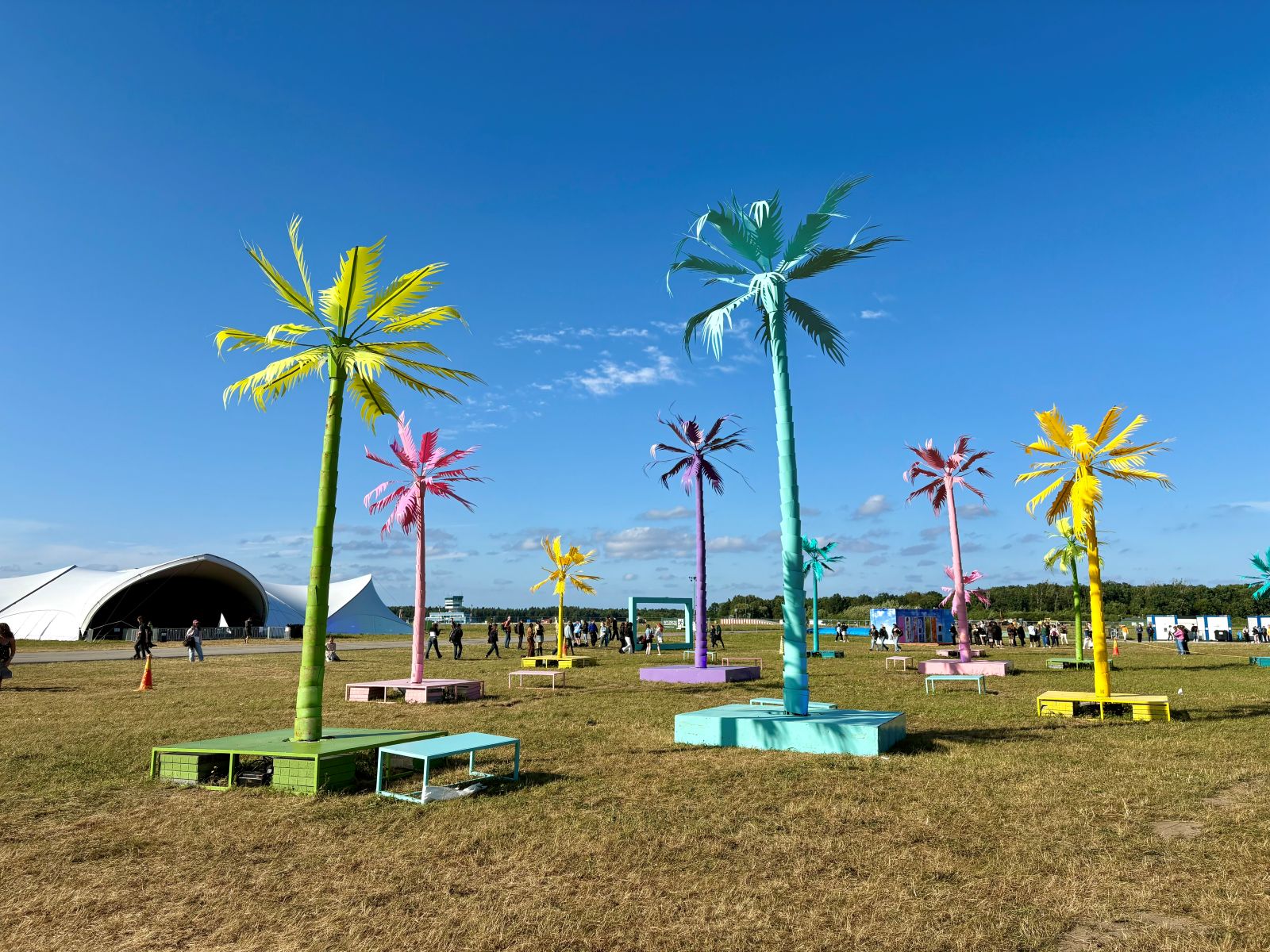
Festivals are much easier to enjoy when the practical details are taken care of. You can concentrate on finding the right stage, seeing the performances that matter, and enjoying the atmosphere without being distracted by a dead phone, painful feet, or the realisation that you forgot your earplugs.
Some items seem unimportant while you are packing but become invaluable after several hours of walking, dancing, queuing, and moving through crowds. A blister can limit how much of the site you explore. Unexpected heat can drain your energy. Finding yourself without water, sun protection, or a working charger can become annoying when you are in the middle of a busy festival.
These things matter at single-day events as well as full festival weekends. Multi-day festivals add disrupted sleep and slower mornings to the list, but even one long day can involve considerable walking, changing weather, expensive food, and hours spent away from your usual comforts.
Most festival packing lists are organised around clothes, toiletries, and camping equipment. This festival wellbeing packing list takes a different approach. It focuses on what you will be glad you packed when you want to protect your energy, feel more comfortable, and continue enjoying the music.
The aim is not to prepare for every possible inconvenience. It is to anticipate the few things most likely to affect your particular festival experience.
Having attended festivals lasting from one to four days, I have found that a few items always earn their place on my festival wellbeing packing list. An empty water bottle, electrolyte sachets, and hand sanitiser are among the things I am consistently glad to have packed.
For more advice on protecting your energy throughout the weekend, you may also find our festival wellbeing guide helpful.
Table of Contents
Festival Wellbeing Packing List At A Glance
For Better Sleep
- Eye mask and comfortable sleep earplugs
- Supportive pillow and warm sleep layer
- Clean sleep clothes stored somewhere dry
For Easier Mornings
- Water and an easy breakfast
- Clean clothes and familiar toiletries
- Sunglasses and your usual caffeine option
For Steadier Energy
- A filling snack containing protein
- Fruit or another convenient carbohydrate
- Reliable food for the following morning
For Physical And Sensory Comfort
- Filtered earplugs for music
- Blister plasters and anti-chafing balm
- Hat, sunglasses, and a lightweight sitting mat
For Hot Weather
- Refillable water bottle
- Loose clothing and sun protection
- Electrolyte sachets or a cooling cloth
For Festival Downtime
- Paperback or puzzle book
- Journal, sketchbook, or playing cards
- Downloaded audio for areas with poor signal
Festival entry rules vary, so check what is permitted before packing. Restrictions may apply to reusable bottles, aerosols, glass, food, medication, battery packs, and camping equipment.
What To Pack For Better Sleep At A Festival
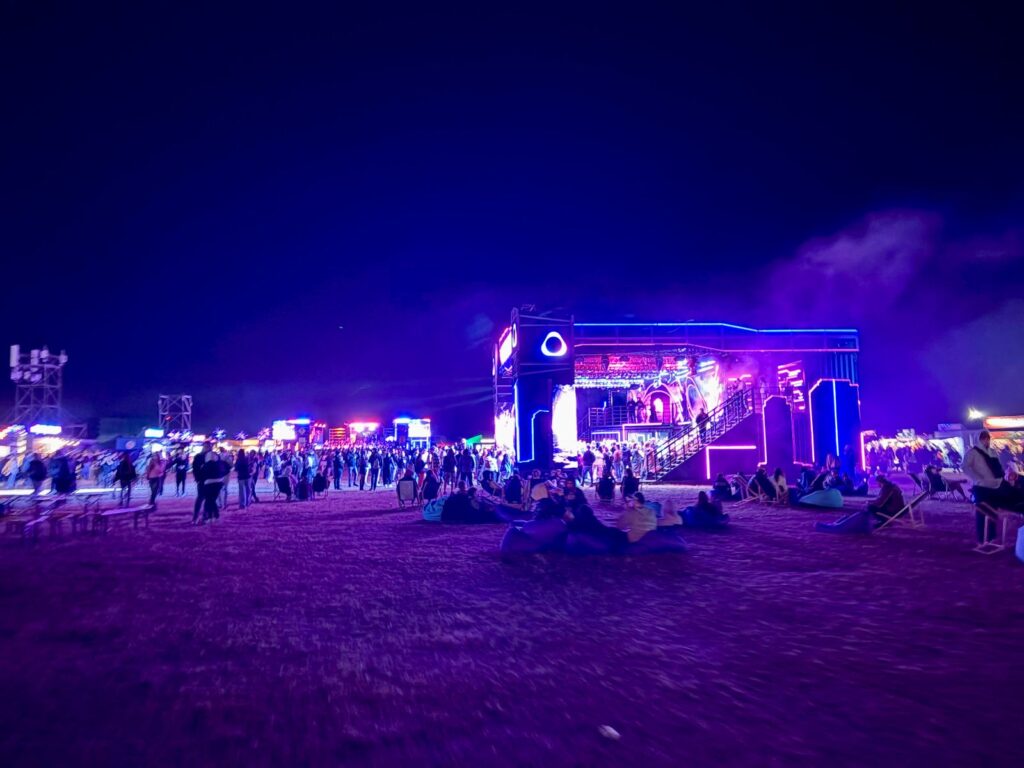
Sleep becomes especially important at multi-day festivals, but this section can also help if you are travelling to the event, staying in a hotel, or returning home late after a single festival day.
Festival sleep is unlikely to feel exactly like sleep at home. People may return to nearby tents or hotel rooms throughout the night, and your sleeping space could be brighter, warmer, colder, or noisier than expected. You may also be trying to settle while still feeling alert after hours of music, lights, and crowds.
This does not mean you need to recreate your entire bedroom. A few familiar comforts can make it easier to switch off, recover from the day, and enjoy whatever you have planned next.
An eye mask and soft earplugs can create a darker, quieter environment. Keep these separate from the filtered earplugs you wear near stages. The best option for protecting your hearing during music may not be comfortable enough for sleeping.
A supportive pillow is also worth prioritising where possible. A rolled-up hoodie may seem adequate while packing, but it rarely feels like a good compromise after a full day on your feet.
Keep one set of clothes specifically for sleeping. Campers can store them in a waterproof bag so they remain dry. Hotel guests may find that changing into clean sleepwear creates a useful transition between the energy of the festival and the quieter part of the evening.
A short routine can help too. Refill your water, have a snack if you have not eaten for several hours, wash your face, and put your phone on charge before getting into bed. None of this guarantees perfect sleep, but it reduces the number of small annoyances competing for your attention when you want to rest.
For more detailed advice about noise, temperature, and late festival nights, read our guide to sleeping better at a festival.
What To Pack For An Easier Festival Morning
Festival mornings often involve an awkward gap between waking up and feeling ready to return to the crowds.
Keeping a small morning kit together means you do not need to search through your luggage while tired. Place your toothbrush, face cloth, medication, and clean underwear in one pouch, then return it to the same place throughout the weekend.
Prepare your water bottle before sleeping where it is safe to do so. Keep breakfast somewhere easy to reach rather than at the bottom of your luggage.
Once you get up, open the tent or curtains and spend a little time in daylight. A few shoulder rolls, calf stretches, or minutes of gentle movement may help if your body feels stiff, but recovery does not need to become another workout.
It can also help to choose the two or three performances that matter most before the day becomes busy. Festivals involve repeated decisions about stages, food, transport, and meeting points. Making your most important choices early can leave you with less to think about later.
For a slightly more structured start, you can also use our 10-minute morning routine for travel.
Festival Food And Hydration Essentials
Festival food can be one of the enjoyable parts of the event, particularly when the site has options you would not usually find at home. However, relying on food stalls for every meal can become expensive, and queues do not always appear when you have plenty of time before the next performance.
The best food to pack is not necessarily the option marketed as especially healthy or energising. It is food you will genuinely eat, can store safely, and can access without complicated preparation.
Nuts and dried fruit, oat bars, wholegrain crackers, fruit, nut butter sachets, and shelf-stable protein drinks can all be practical choices. The exact combination matters less than having something filling available before you become extremely hungry.
Do not pack for an idealised version of yourself. If you never eat plain protein bars at home, you are unlikely to become enthusiastic about them in a field. Bring something you will look forward to eating, even if it would not appear on a conventional wellness checklist.
Campers should prioritise reliable food that does not need refrigeration. Hotel guests may be able to buy yoghurt, fruit, sandwiches, or breakfast supplies before the first festival day. Planning one easy breakfast still leaves plenty of room to enjoy food from the festival without making every meal dependent on queues, opening hours, or the available budget.
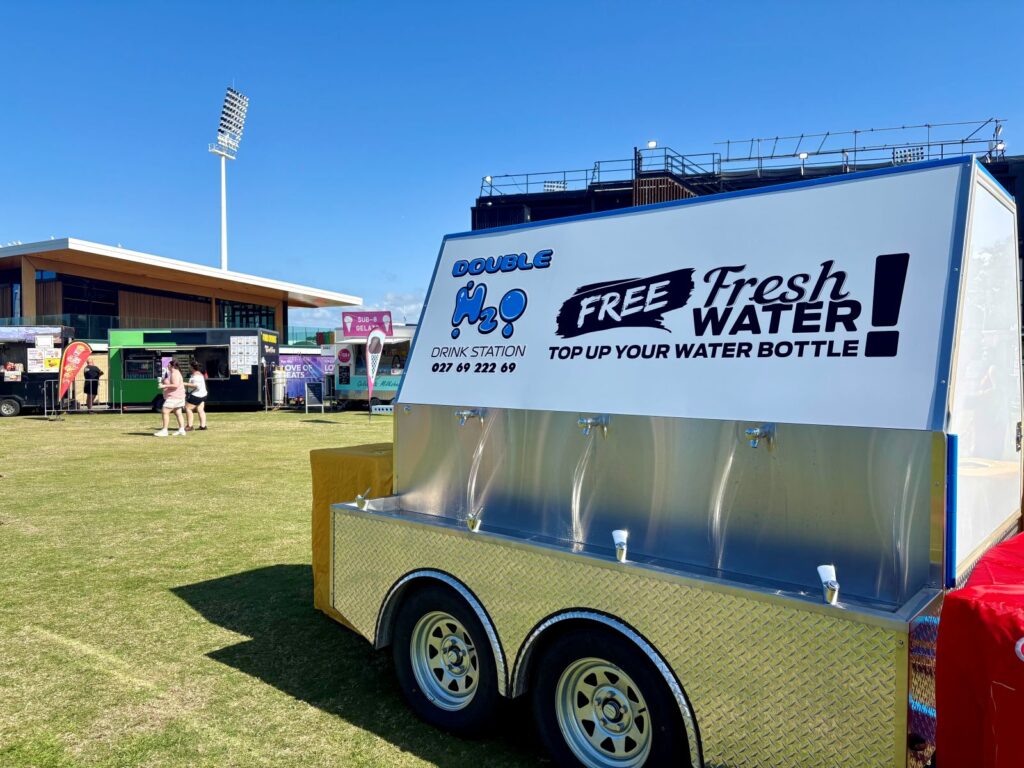
Check whether the festival provides water refill stations and whether bottles must be empty when entering. Choose a bottle that remains comfortable to carry when full, especially if you plan to spend several hours away from your tent or hotel.
Electrolyte sachets may be useful after prolonged sweating, particularly during hot weather or long periods of dancing. They do not replace water, food, shade, or rest, and most people will not need to drink them continuously.
If you become dizzy, confused, unusually weak, or seriously unwell, move somewhere cooler and speak to the festival’s medical staff.
Festival Comfort And Sensory Essentials
Physical comfort may not be the most exciting part of festival planning, but it can determine how freely you move through the weekend. A small blister can make the walk to another stage feel far less appealing. Wet socks can take the enjoyment out of the final few hours. Sunburn can also become harder to manage when supplies are far away or heavily marked up.
The purpose is not to remain perfectly comfortable throughout an unpredictable weekend. It is to prevent a manageable problem from becoming the reason you leave a performance early or stop exploring the site.
Festivals can also become tiring at a sensory level. Sound, movement, bright lights, crowds, and constant social interaction may gradually feel overwhelming, even when you are having a genuinely good time. Enjoyment and overstimulation can exist together.
Filtered earplugs can lower the intensity of the sound while still allowing you to hear the music. Sunglasses, a hat, and a quieter place to sit can also make breaks between performances more restorative. I find if an event is getting overwhelming that a short pause away from a crowded space can be enough to help me feel ready for the next part of the day.
Keep these items together in a small pouch so you can reach them without searching through your entire bag. It may also help to identify a quieter meeting point when you arrive. This gives you somewhere predictable to return to if the crowd becomes uncomfortable or your group becomes separated.
How To Pack For Multi-Day Festivals
One of the most useful festival packing strategies has little to do with buying more products. It is deciding where everything will live.
Pack one complete outfit for each day instead of several disconnected options. Place underwear, socks, and accessories with each outfit, then add adaptable layers if the forecast is uncertain. You can still change your mind, but you will not need to build an outfit from scattered items while everyone else is preparing to leave.
I sometimes organise these into separate packing cells, particularly for multi-day festivals. I function much better when everything is prepared, and it leaves me free to enjoy getting ready rather than stressing over outfits or second-guessing my choices.
Keep important belongings in fixed places. Earplugs should return to the same pocket, toiletries should remain in one pouch, and keys, cards, identification, and hotel details should not be placed loosely in different bags.
Before going to sleep, recharge what needs charging, separate wet clothing, and prepare the following day’s outfit. These actions reduce the number of decisions you leave for your more tired future self.
Day two and beyond often feel different from arrival day. The initial rush of excitement may have settled, but there is still plenty to look forward to. Packing with that second morning in mind makes it easier to enjoy the performances, spontaneous plans, and shared moments that remain.
Camping Versus Hotel Festival Essentials
Campers should focus on staying warm, dry, and physically comfortable overnight. A supportive sleeping mat, waterproof storage for clothes, dry sleepwear, a head torch, and an extra layer will usually matter more than having several outfit choices.
The layer underneath your sleeping bag can be as important as the bedding above you because the ground may remain cold even after a warm day. A more comfortable night can make waking up at the festival feel like part of the adventure rather than something to endure.
Hotel guests should pay particular attention to the return journey and following morning. Save the hotel address and transport route before leaving, bring a long charging cable, and keep breakfast food, water, and a late-night snack in the room.
A hotel bed does not automatically produce a restorative night. Returning hungry, spending an hour searching for food, and discovering your phone has barely charged can still make the evening more difficult than necessary. Preparing the room before leaving means you can enjoy the festival for longer without creating extra tasks for yourself when you return.
After a full and enjoyable festival day, I also love returning to my hotel to find a full bottle of water, a few snacks, and everything I need to make a cup of tea. It creates a calm moment at the end of the evening and helps me feel ready for the next day.
What Will You Actually Need?
You do not need every item mentioned in this festival wellbeing packing guide. A single-day city festival requires far less preparation than several nights at a campsite. Your priorities will also depend on the weather, accommodation, food options, and the things that usually affect your energy.
Start with the issue most likely to interfere with your enjoyment. That might be hot weather, limited food, sore feet, poor sleep, or feeling overwhelmed by crowds. Pack the few things that make that particular problem easier to manage, then leave the rest.
Good festival preparation should not make the experience feel rigid. It should give you enough comfort and predictability to be spontaneous when it counts, whether that means walking to another stage, staying for an encore, discovering an artist you had never heard of, or spending another hour with people you rarely get to see.
You cannot control the weather, queues, or every change of plan, but you can make it easier to reach the end of the festival while still enjoying the music and feeling glad that you packed for the experience you actually wanted.
You can find more psychology-informed travel and wellbeing advice on the Nomadic Balance home page.
This article is for general informational purposes only and is not intended to replace personalised medical, psychological, or professional advice.