Calm-Cations: Why Travellers Are Choosing Rest Over Itineraries
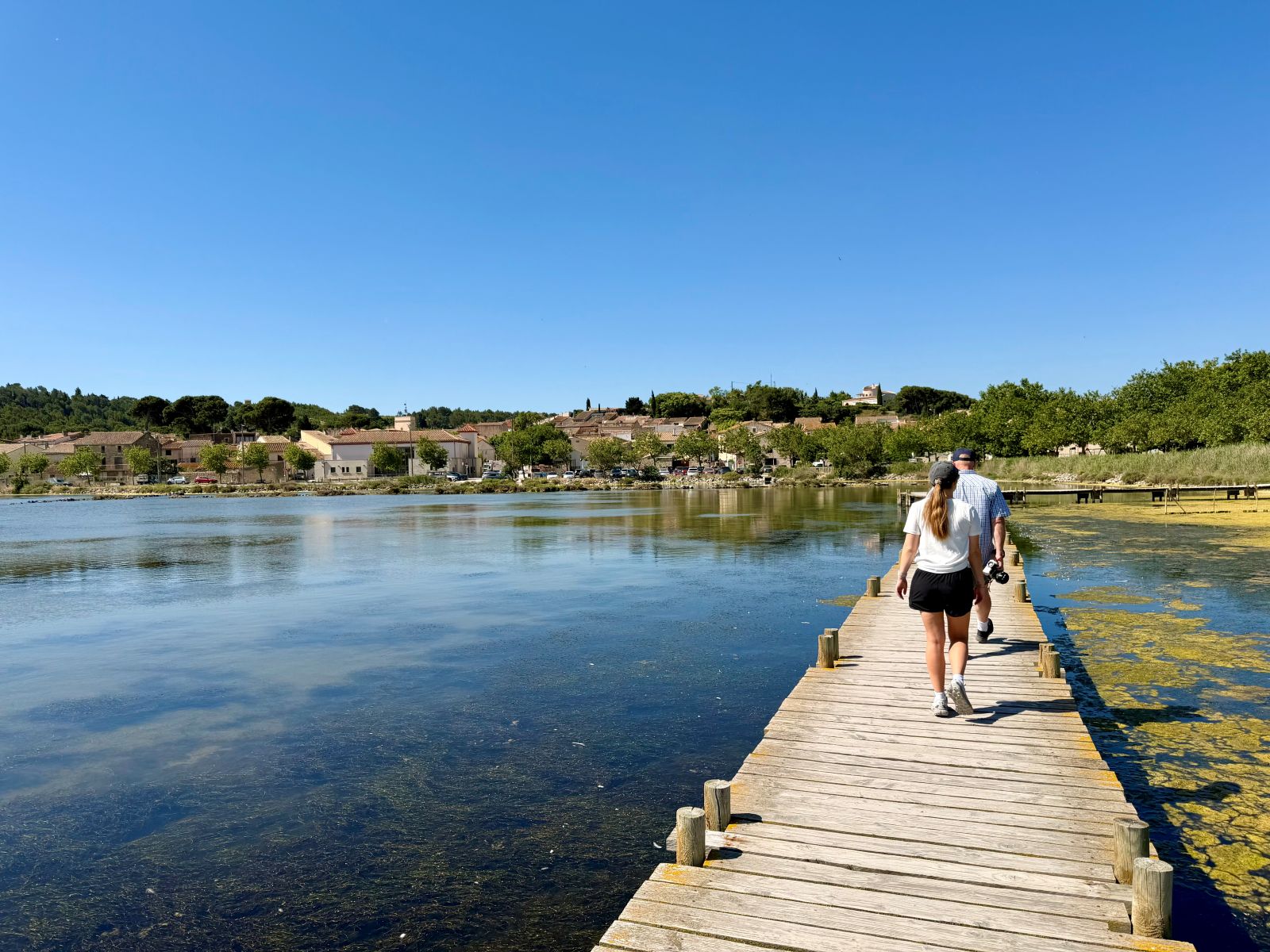
There was a time when I felt as though the best trips were the busiest ones. Early flights, activity bookings, restaurant reservations, viewpoints before sunset, then squeezing in one more attraction because it was nearby. Coming home exhausted almost felt like proof that the holiday had been worth it.
Recently, that approach has started to feel increasingly out of step with how many people actually feel.
Many travellers are already carrying mental fatigue before they even leave home. Work has become more digitally connected and harder to switch off from. Our attention is constantly pulled in different directions, and daily life often feels intense long before we arrive at an airport.
Perhaps that is why one of the quieter wellness travel shifts for 2026 feels so simple: people are becoming more interested in trips that help them do less.
A calm-cation is a slower, lower-stimulation trip designed to help you feel mentally lighter rather than more exhausted. It usually means fewer hotel changes, more unplanned time, quieter accommodation, gentle nature or coastal experiences, and less pressure to maximise every day.
Rather than chasing packed itineraries or expensive wellness experiences, a calm-cation gives you permission to plan a trip around recovery. Not in a dramatic, life-changing way, but in a realistic one: fewer decisions, softer days, and enough space to actually notice how you feel.
A calm-cation does not necessarily imply laziness. Rather, it is about giving your mind enough room to properly recover from everyday demands. Instead of asking, “How much can I fit into this trip?”, a calm-cation asks a different question: “What would help me return home feeling genuinely rested?”
Table of Contents
What Is A Calm-Cation?
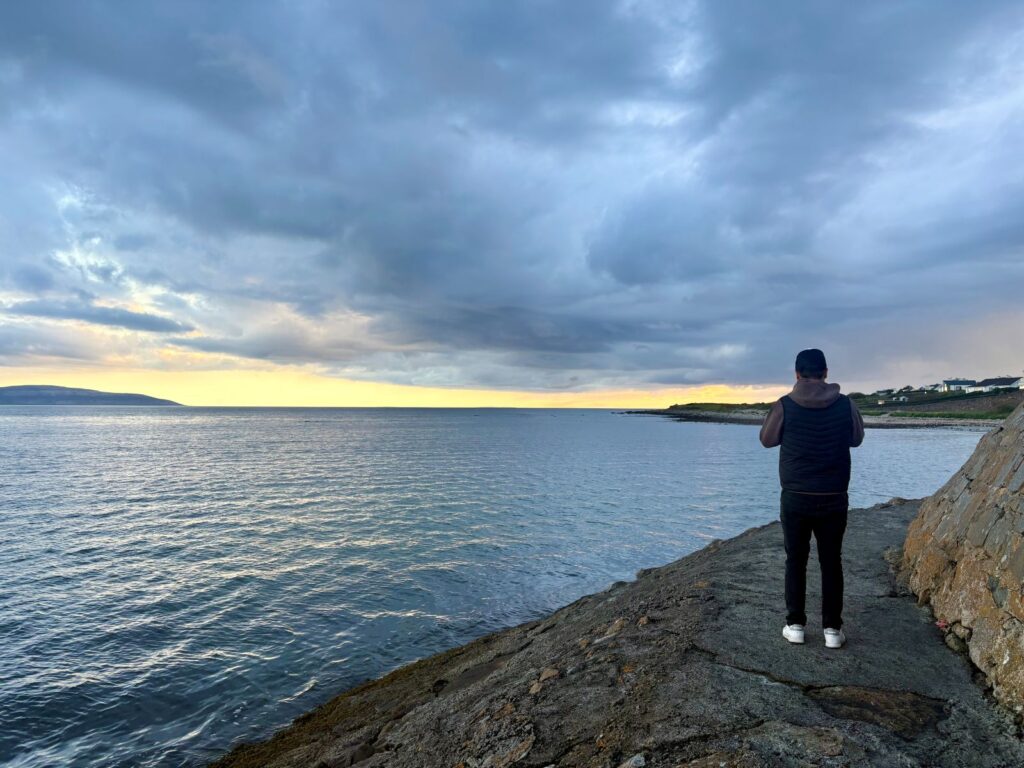
A calm-cation is exactly what it sounds like: a holiday designed around rest, slower days, and reducing unnecessary demands on your attention.
I think calm-cations are sometimes misunderstood as simply doing less, but this misses the point. A calm-cation is not defined by inactivity; it is defined by reducing unnecessary cognitive load.
The goal is to return home feeling mentally lighter, not just physically rested. Instead of filling every hour, you intentionally remove the decisions, logistics, and pressure that often stop holidays from feeling restorative in the first place.
Unlike traditional wellness retreats, calm-cations do not require expensive spa packages, strict schedules, or sunrise yoga followed by cold plunges and nutrition workshops. The focus is on making the trip feel easier to move through.
That might mean staying somewhere for longer instead of moving every two nights. It might mean spending an afternoon reading beside the sea instead of feeling obliged to visit another attraction. It could simply be choosing accommodation where you genuinely enjoy staying, rather than treating it as somewhere to sleep between activities.
The point isn’t doing nothing. The point is to create enough breathing room that your body and mind are not constantly responding to new decisions, unfamiliar environments, and packed schedules.
Why Busy Holidays Can Leave You Feeling More Tired
Travel naturally asks a lot of your brain. Even a good trip can involve constant navigation, transport decisions, unfamiliar food, language differences, new social norms, and a steady stream of information to process. These are often the things that make travel exciting, but they still require mental energy.
Psychologists sometimes refer to this as cognitive load, which is the amount of information your brain is managing at one time. When every day brings another route, booking, check-in time, restaurant choice, and attraction plan, your mind has very little time to properly settle.
This is why busy holidays can start to feel similar to everyday life. You might be enjoying the trip, but your brain is still managing maps, timings, ticket options, and the pressure to make the most of everything. Instead of leaving responsibility behind, travel becomes another thing to organise well.
I have seen countless videos of European trips built around fitting in as much as possible: multiple cities, early starts, late nights, 30,000 steps a day, and people saying they are exhausted but having fun. There is nothing wrong with that kind of trip if it genuinely feels exciting to you. But if you are already tired before you leave, and what you actually need is a reset, doing less on holiday is not a waste. It may be what helps you enjoy the trip more fully and return home feeling genuinely restored.
Why A Calm-Cation Helps You Feel More Rested
A calmer trip is not only about reducing the number of activities. It is also about creating the right conditions for recovery.
Research on rest and work recovery often points to a few useful ingredients: psychological distance from everyday responsibilities, relaxation, a sense of control, and activities that feel meaningful without becoming another source of pressure.
This is where many busy holidays go wrong. They may be enjoyable, but they leave very little room for choice. You are moving between bookings, transport times, queues, restaurant decisions, and check-in windows. Even when the experiences are positive, the day can still feel like something to manage.
A calm-cation works best when it gives you back a sense of control over your time. That might mean waking without an alarm, having one loose plan instead of five fixed ones, or choosing a walk because you feel like it rather than because it was on the itinerary.
Curious to explore the science behind this?
This blog draws on established behavioural science research and applies these principles to travel contexts. Sources are linked in our Evidence & Further Reading section.
Who Benefits Most From A Calm-Cation?
A calm-cation is not only for people who feel exhausted or overwhelmed. It can also appeal to travellers who have realised they enjoy their holidays more when there is less pressure to fit everything in.
You might naturally prefer slower mornings, longer meals, wandering without a strict plan, or returning to the same café each day instead of rushing between attractions. Some people enjoy immersing themselves in one destination rather than collecting as many places as possible. Others simply find that they notice more when they are not constantly watching the time.
A calm-cation can also suit first-time visitors who worry about getting everything “right”. There is often a temptation to see every landmark before going home, but trying to experience a destination all at once can sometimes mean enjoying it less. Giving yourself permission to leave things for another visit can make travel feel surprisingly freeing.
Ultimately, a calm-cation is less about how many activities you do and more about choosing a pace that allows you to stay present. If the idea of returning home with good memories rather than a need for another holiday sounds appealing, this style of travel may be a better fit than you expect.
How To Plan A Calm-Cation
A calm-cation is less about where you travel and more about how you structure the experience.
One of the simplest ways to reduce stress is to stay in one place for longer. Every hotel change brings packing, transport, check-in times, unfamiliar surroundings, and a fresh set of decisions. Even removing one hotel change can make the trip feel easier.
Build white space into your itinerary too. Not every afternoon needs an activity. Leaving time without plans can create the moments people remember most.
Choose fewer experiences, but enjoy them more fully. Instead of trying to see fifteen attractions in three days, choose three or four that genuinely interest you and give yourself enough time around them.
Think about arrival days as well. After a long flight, there is rarely any benefit in immediately rushing into sightseeing. A slower first afternoon often makes the following days more enjoyable.
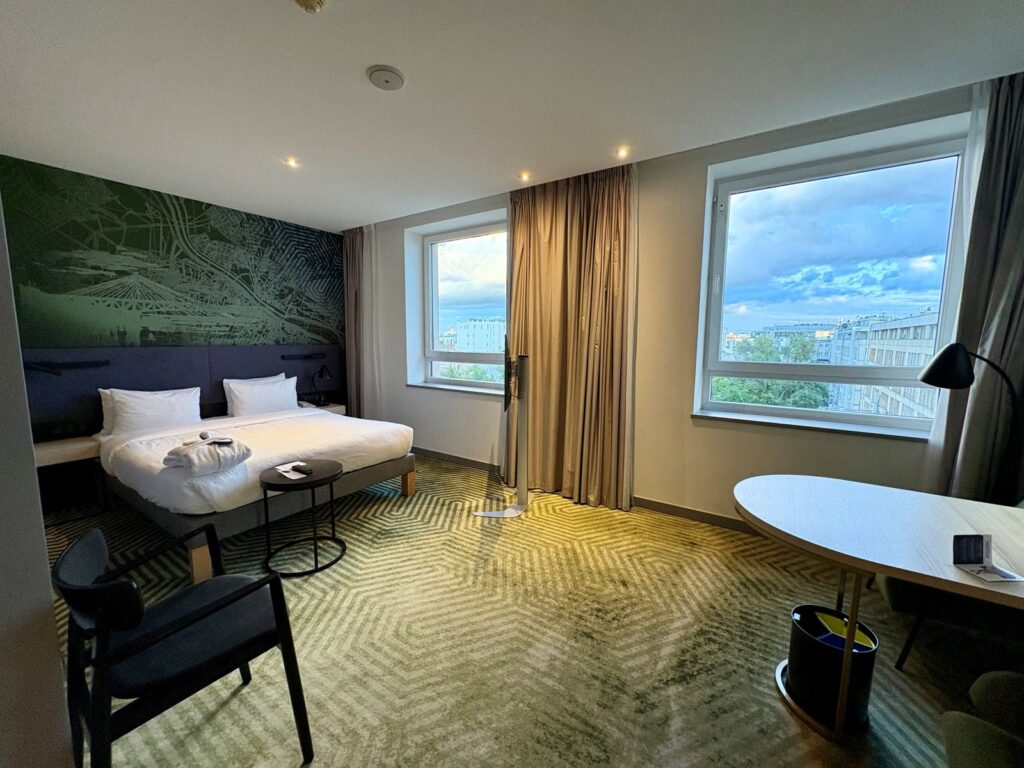
Finally, choose accommodation that supports rest. A quieter location, comfortable room, good blackout curtains, and somewhere you actually want to spend time can make a bigger difference than a long list of wellness facilities. You can balance your money here too – fewer activities but spend a bit more on your accommodation.
The Best Destinations For A Calm-Cation
Not every destination naturally encourages slower travel, but almost anywhere can become a calm-cation if you reduce the pace.
In my own travels, this has looked different depending on the place: green-space trips in Ireland, countryside stays in the Cotswolds, quieter breaks in Scotland or France, coastal time in Croatia, and nature-based travel in New Zealand or Australia.
Even cities can work when the pace is right. Los Angeles, Portland and Seattle may not sound like obvious calm-cation destinations, but they can feel much softer if you choose one main plan each day, stay somewhere comfortable, spend time in parks or by the water, and leave enough space to enjoy where you are without rushing through it.
The evidence does not mean nature is a guaranteed cure for stress. But research on green and blue spaces suggests that natural environments can support restoration through several pathways, including lower stress, gentle movement, attention recovery, and a greater sense of distance from everyday routines. You can read more about this in our green space and blue space posts.
Coastal Stays
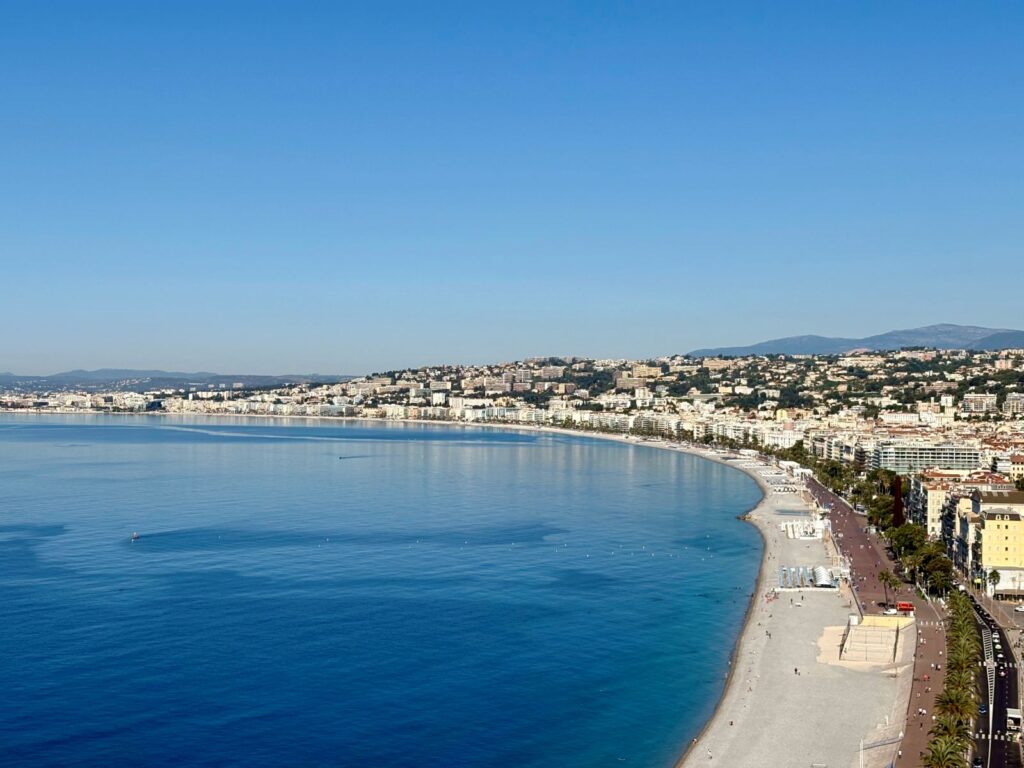
For many people, time beside water can feel naturally regulating.
Walking along the coastline, listening to waves, and having open views can create a very different experience from navigating busy city streets all day. Coastal trips also tend to make slower rhythms feel more natural. You can walk, swim, read, sit outside, eat slowly, and let the day stretch out without feeling as though you have failed to make the most of it.
A simple beach town often provides everything you need without making you feel like you have to keep moving.
Countryside Hotels
Rural escapes often make slowing down feel easier as there generally isn’t as much to do compared to a city stay. Instead of feeling pressure to tick attractions off a list, the day naturally revolves around walks, good food, reading, quiet mornings, and early nights.
Many countryside hotels also encourage a slower pace without needing to call themselves wellness hotels. A comfortable room, peaceful surroundings and somewhere pleasant to sit can be enough.
I often feel the most rested with a countryside break. Generally I will be in bed earlier, read a good book, and then wake up refreshed and less stressed.
Quiet City Breaks
Cities do not automatically mean overstimulation. Choosing a quieter neighbourhood, visiting outside peak season, limiting sightseeing to one or two attractions each day, and spending time in parks, waterfronts, cafés or botanical gardens can completely change how a city feels.
Some cities naturally lend themselves to this slower pace more than others, but the way you plan the trip matters just as much as the place itself.
A quiet city break might still include museums, restaurants, and wandering through interesting neighbourhoods. The difference is that you are not trying to squeeze everything into one visit.
Nature-Based Weekends
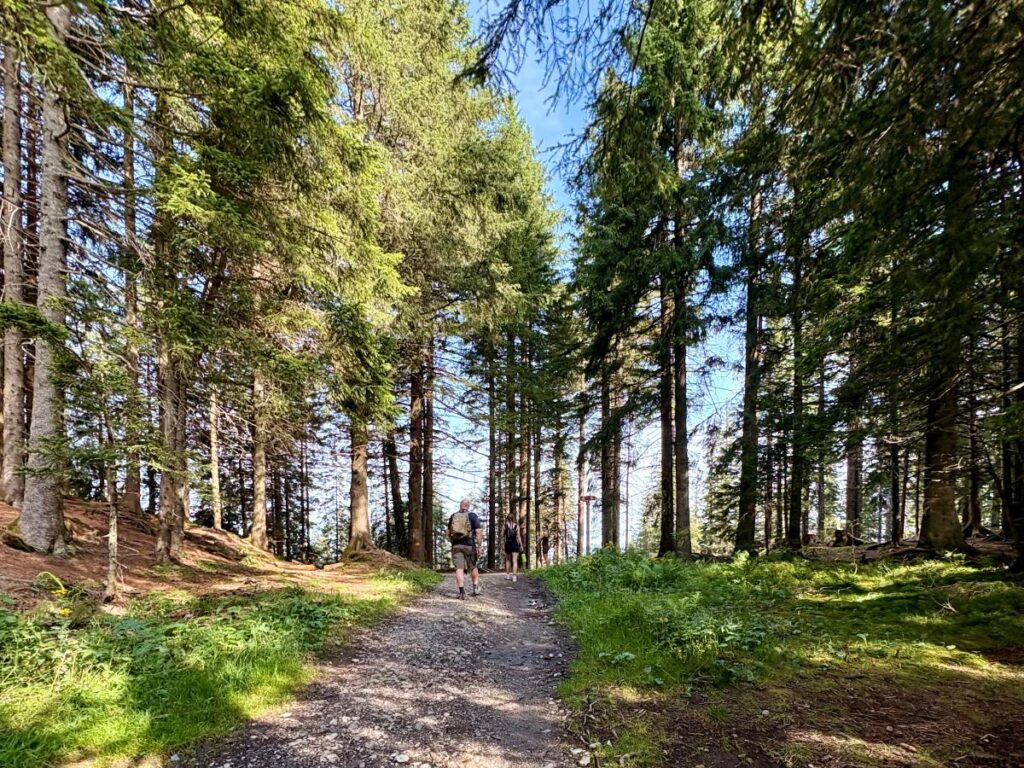
You do not always need a two-week holiday to feel more rested. A weekend in a national park, forest, lakeside cabin, or hiking destination can create enough distance from everyday routines to help you feel more settled, especially if the trip is easy to reach and does not involve complicated planning.
This kind of trip works well when you are too tired for a big holiday but still need a change of environment. Sometimes a short, simple break is more restorative than a longer trip filled with logistics. For me, packing a backpack rather than a suitcase is already more relaxing.
Common Mistakes To Avoid On A Calm-Cation
Many of the habits that make travel feel stressful are quite common. Trying to fit everything into one trip often creates constant decision-making and the feeling of always needing to hurry. Even if every individual activity sounds enjoyable, too many of them can turn a holiday into another schedule to keep up with.
Changing hotels every couple of nights can also become draining, even when the distances are short. Packing, checking out, travelling, finding the next place and settling in again all take more energy than people expect.
I noticed this on a recent trip to Poland. We could have tried to fit three different places into six days, but chose two instead. It meant seeing slightly less on paper, but the trip felt much easier to move through. There was more time to settle in, wander without a strict plan, and enjoy where we were instead of constantly thinking about the next train, check-in, or transfer.
Another common trap is turning wellness itself into a packed itinerary. If every day includes yoga classes, meditation sessions, spa treatments, breathwork, fitness classes, healthy cooking workshops, and sunrise hikes, your schedule may simply become another list of commitments.
Rest should not become another performance. Sometimes the most restorative afternoon of a holiday is sitting with a coffee, reading by the pool, going for an easy walk, or having nowhere particular to be.
You Don’t Need A Luxury Retreat To Enjoy A Calm-Cation
Wellness travel is often marketed as something expensive: luxury resorts, biohacking retreats, specialist clinics, and carefully curated programmes all have their place, but they are not the only path towards feeling rested.
For many people, recovery comes from reducing stimulation rather than adding more experiences. Choosing one destination instead of three. Walking instead of rushing. Leaving your phone in your bag. Sleeping without an alarm. Having nowhere particular to be.
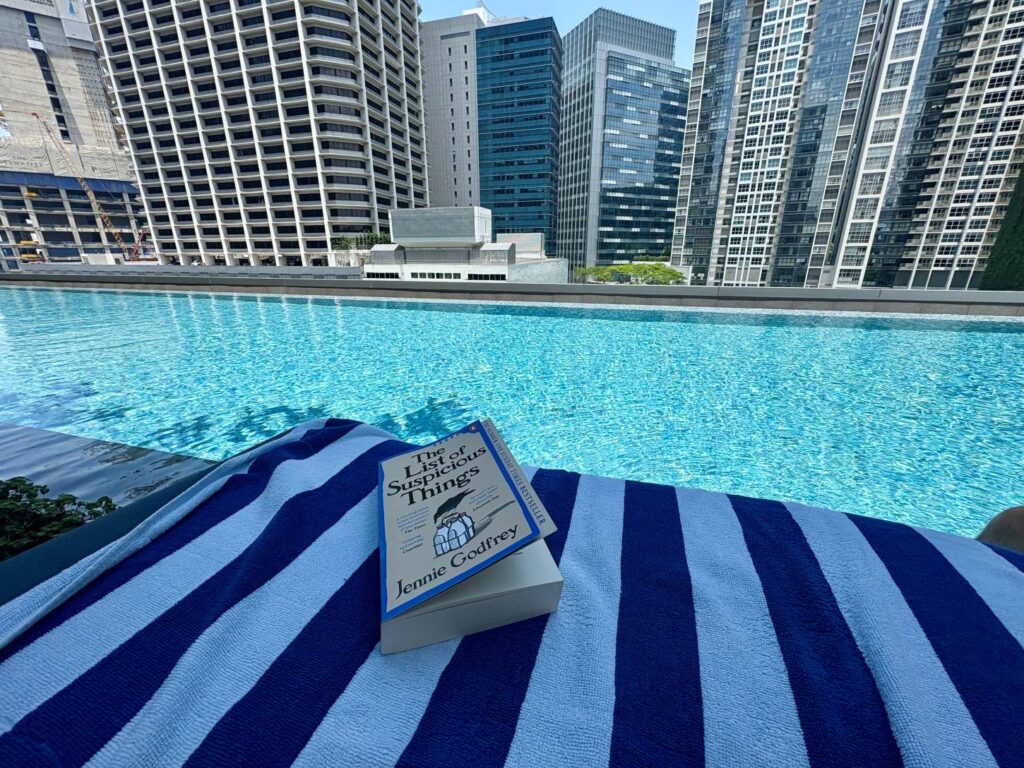
I have started to notice this more in my own travel. I used to plan most days quite tightly, but now I often choose one main activity and leave the rest of the day open. Singapore was a good example. We visited Sentosa, chose one morning activity, such as the Harry Potter exhibition, then spent the afternoon reading by the pool before picking somewhere for dinner. It still felt like a proper travel day, but without the pressure to keep moving.
These are not usually the moments that sell a trip, but they are often the ones that stay with you afterwards. A calm-cation does not need to look like a luxury retreat. It can be as simple as making the day easier to move through than the life you are taking a break from.
Calm-Cations FAQs
What Is A Calm-Cation?
A calm-cation is a holiday intentionally designed to reduce mental load rather than maximise activities. Instead of filling every day with sightseeing, the focus is on creating space to rest, recover and enjoy travel at a slower pace.
Are Calm-Cations Good For Stress?
A holiday isn’t likely to cure chronic stress, but reducing constant decision-making, allowing more time for relaxation, and spending time in restorative environments may help many people feel more rested. Research suggests that psychological detachment from everyday demands is an important part of recovery.
Where Are The Best Destinations For A Calm-Cation?
The best destination depends less on the country and more on the pace of the trip. Coastal towns, countryside hotels, nature-based weekends, and quieter city breaks can all work well when you avoid overpacking your itinerary and give yourself time to slow down.
Is A Calm-Cation Right For You?

The most successful holiday is not always the one where you saw the most. Sometimes it is the one where you finally feel relaxed.
If daily life already feels fast, noisy and demanding, perhaps your next trip does not need to add more experiences. Perhaps it simply needs to create enough space for you to enjoy the ones that matter.
That is ultimately what a calm-cation offers: not perfection, and not a guaranteed nervous system reset, but allowing yourself to travel at a pace that actually feels restorative.
If you are planning your first calm-cation, four questions are worth asking before you book.
- Will this destination make daily decisions feel easier or harder?
- Am I changing hotels more than I need to?
- Have I left enough unplanned time in my itinerary?
- Would I still be excited about this trip if I never posted a single photo online?
If those questions leave you feeling calmer before you have even packed your suitcase, you are probably designing a trip that gives you the best chance of returning home genuinely rested.
If that sounds like the kind of travel you are looking for, explore more evidence-informed wellbeing travel guides across Nomadic Balance, where each guide is designed to help travel feel calmer, more realistic and easier to enjoy.
This article is for general informational purposes only and is not intended to replace personalised medical, psychological, or professional advice.