The Benefits of Green Spaces in Travel: Why Parks and Forests Help You Feel Restored
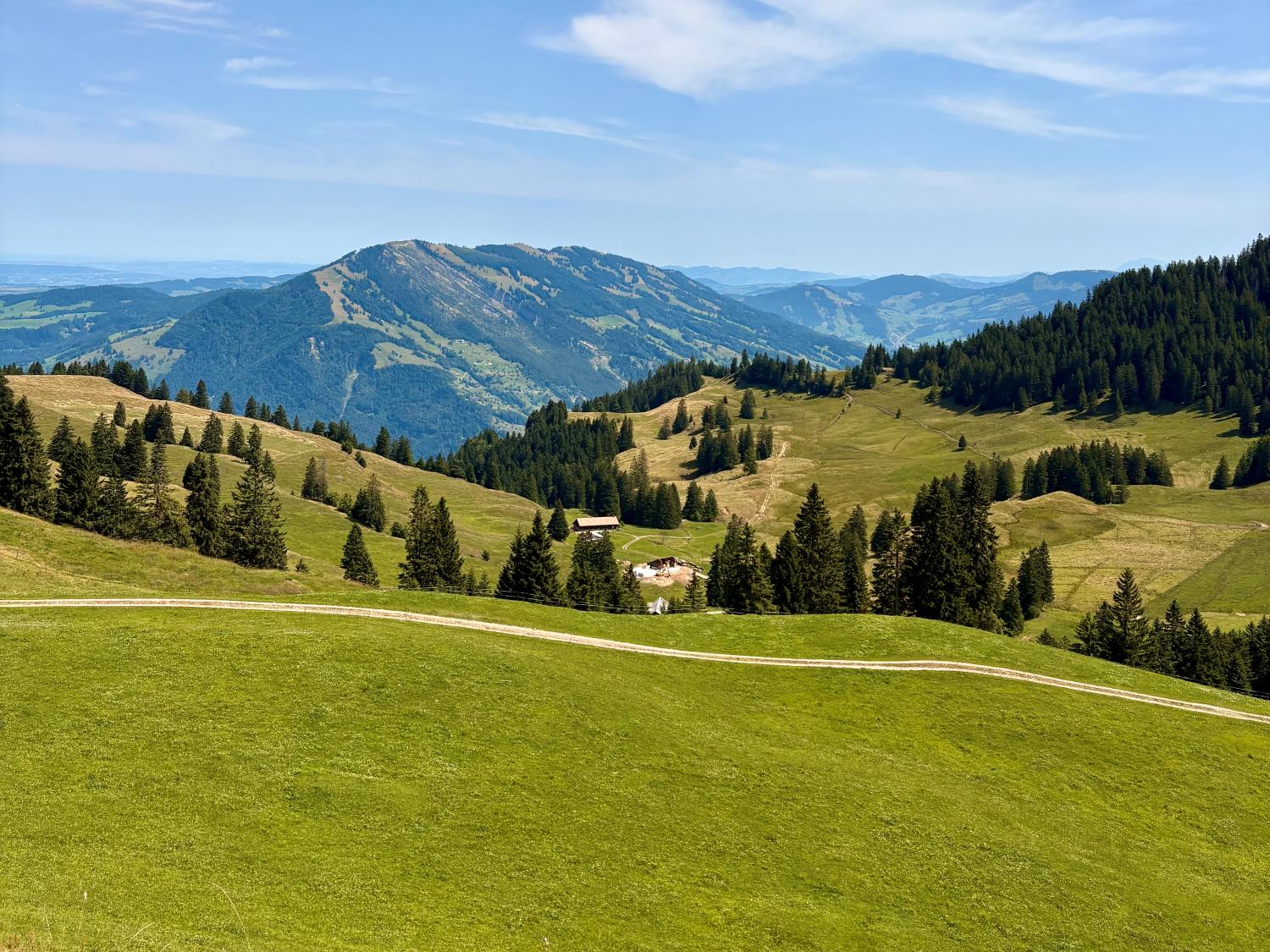
Parks and forests often feel noticeably calming during travel. After hours of navigating busy streets, crowds, and unfamiliar surroundings, many travellers instinctively search for a quiet green space. Perhaps this is because it was on your sightseeing list, but it could also be because you feel like you need a small break from an urban environment. Maybe you have been walking for hours, using public transport, deciding where to eat, or simply taking in the new surroundings.
A quiet green space often feels like an easy place to pause, helping travellers feel more relaxed. You can sit for a few minutes on grass, walk under trees, or find a bench in the shade, and something settles.
Research in environmental psychology helps explain why this happens. Time spent in parks, forests, and other natural environments is consistently linked with improved mood, lower perceived stress, and better mental recovery.
Most of this research looks at everyday life rather than travel specifically, but the same principles still apply on the road. When your brain is processing new places, decisions, and experiences, natural environments can provide a surprisingly effective reset.
If your travels take you near coastlines, lakes, or rivers, you may notice a similar shift. Water environments often produce comparable restorative benefits, which we explore in more detail in our guide to the psychology of blue spaces in travel.
Understanding the benefits of green spaces for mental health during travel can help you design trips that support your wellbeing, not just your itinerary.
What Are Green Spaces?

Green spaces refer to natural environments dominated by vegetation, such as parks, forests, gardens, and tree-lined landscapes. In cities, these spaces often include public parks, botanical gardens, river paths, and urban forests. Research in environmental psychology suggests that spending time in these environments is associated with improved mood, lower perceived stress, and better mental restoration.
Curious to explore the science behind this?
This blog draws on established behavioural science research and applies these principles to travel contexts. Sources are linked in our Evidence & Further Reading section.
What Research Suggests About the Benefits of Green Spaces for Mental Health
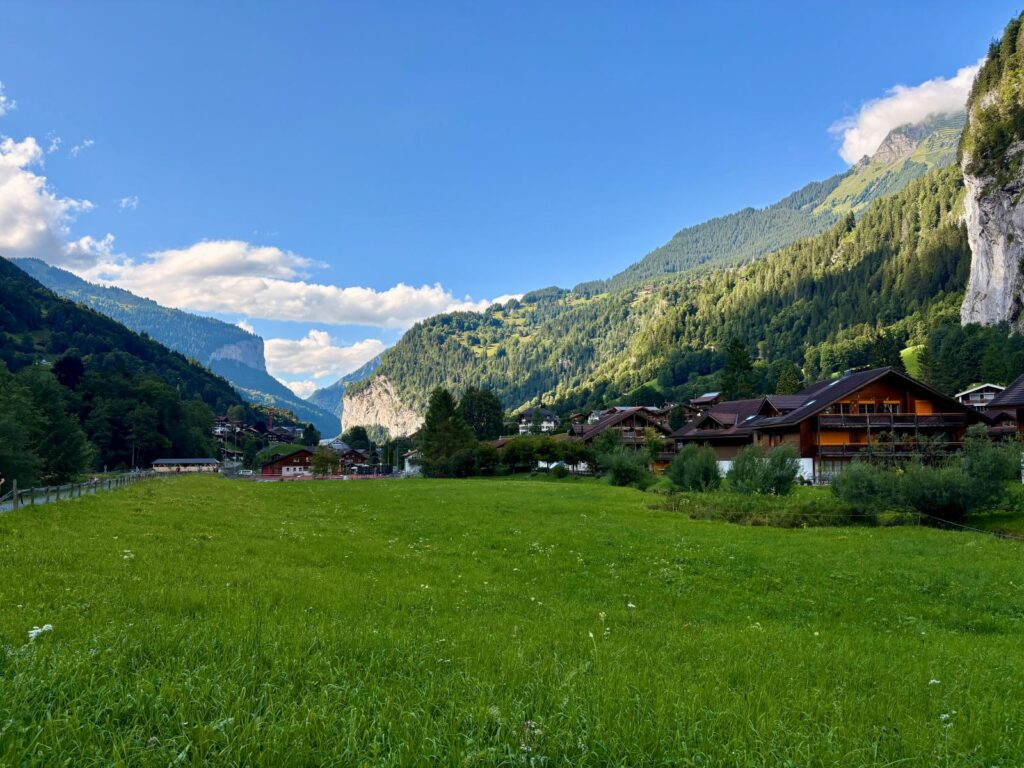
Across a large body of research, exposure to natural environments is associated with improved psychological wellbeing. People who spend time in green environments often report lower stress levels, improved mood, and greater feelings of mental clarity. These findings are part of the growing research exploring the benefits of green spaces for mental health.
Compare this to urban settings, which require constant filtering; your brain tracks traffic signals, navigates crowds, interprets signage, and stays alert to unpredictable movement. This continuous monitoring gradually drains mental energy.
Natural environments tend to affect attention differently from busy urban settings. Leaves moving in the wind, light shifting through trees, and distant bird sounds tend to capture attention gently rather than demand it. Psychologists describe this as “soft fascination,” a state where attention is engaged without effort. This effect is explained by Attention Restoration Theory (ART), which suggests that natural environments help restore the brain’s capacity for directed attention after it becomes fatigued by sustained focus in demanding environments such as busy cities.
When attention is held in this way, the cognitive systems responsible for planning, decision-making, and concentration have an opportunity to rest. This is one reason the benefits of green spaces for mental health can often feel noticeable even after a short visit.
Why Parks and Forests Calm an Overstimulated Travel Brain
Travel naturally increases sensory input. You are navigating unfamiliar streets, adjusting to different cultures, and making far more small decisions than usual. Even minor choices, such as checking directions or choosing where to eat, accumulate over the day.
Spending time in green spaces while travelling may help reduce that load. Compared with busy urban streets, natural environments usually contain fewer abrupt sounds and fewer competing visual signals. Instead of traffic lights, advertising, and dense crowds, the landscape tends to be more open and predictable.
With fewer sensory demands, the nervous system often settles more easily. I often notice that walking through parks or forest trails leads to a different kind of tiredness than a full day of sightseeing in the city. After a day spent in nature, I feel calmer, while a bustling day in crowded streets and attractions tends to leave me feeling overstimulated and fatigued.
Green Spaces and Mental Clarity
Another reason nature and mental wellbeing are often linked relates to rumination, the tendency to repeatedly turn over worries or unresolved thoughts.
Studies examining time spent walking in natural environments have found that participants often report lower levels of rumination afterwards. Some research also suggests that areas of the brain associated with repetitive negative thinking become less active after time spent in nature.
For travellers, this can translate into a subtle but noticeable shift. A walk through a forest, botanical garden, or large park often creates a sense of mental distance from the constant decision-making required by travel. You may not analyse it consciously at the time, but later in the day the effect becomes clearer. Thoughts feel less crowded, and planning the next part of the trip feels easier.
The “Two-Hour Nature” Threshold
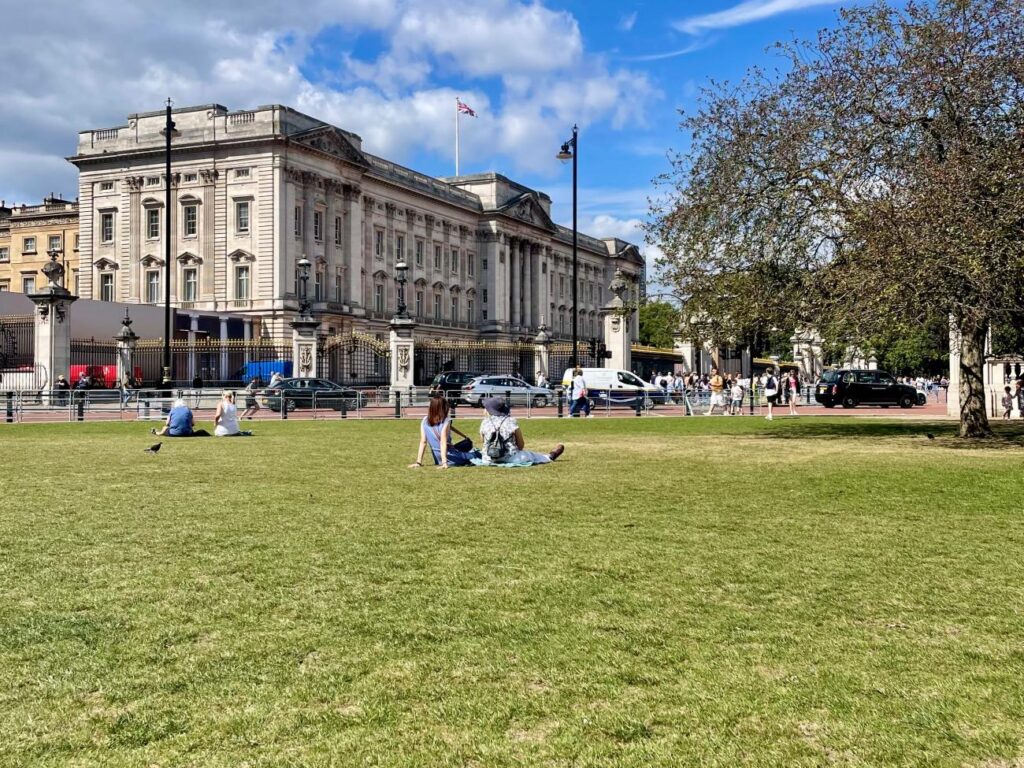
Large population studies suggest that people who spend around two hours per week in natural environments tend to report better health and wellbeing than those who spend no time in nature.
Importantly, this time does not need to occur all at once. For travellers, this might look like a morning walk through a city park, an afternoon spent in a botanical garden, a forest trail just outside the city, or simply taking a short break under trees between sightseeing stops.
The benefits appear to build over time through repeated visits. What seems to matter most is regular exposure rather than dramatic landscapes or long wilderness trips. That does not mean bigger nature experiences are unnecessary. If you are planning long hikes or days in the mountains, those can be deeply beneficial.
But the research suggests the benefits of green spaces for mental health do not depend on extreme environments. Even small urban parks can help meet this threshold, which is why research on accessible parks and forests often emphasises everyday environments instead of remote nature.
Passive vs Active Time in Green Spaces
You do not need to turn nature into an activity for it to be helpful. Even in dense cities, green spaces can usually be found with a little intention. Simply sitting in a park, reading under trees, or resting on a bench surrounded by greenery can support nature exposure and mental wellbeing, even without active movement.
That said, gentle movement can enhance the effect. Walking slowly through a forest trail or along a tree-lined path combines two supportive factors: exposure to a calming environment and steady, low-intensity physical movement. Both are associated with improved mood and stress regulation.
Walking itself has a range of psychological and physical benefits during travel, particularly when it happens in natural environments. You can explore this more in our Walking While Travelling guide.
The key is not intensity but pace. Slow, unhurried movement tends to create the most restorative experience.
A Growing Interest in “Forest Bathing”
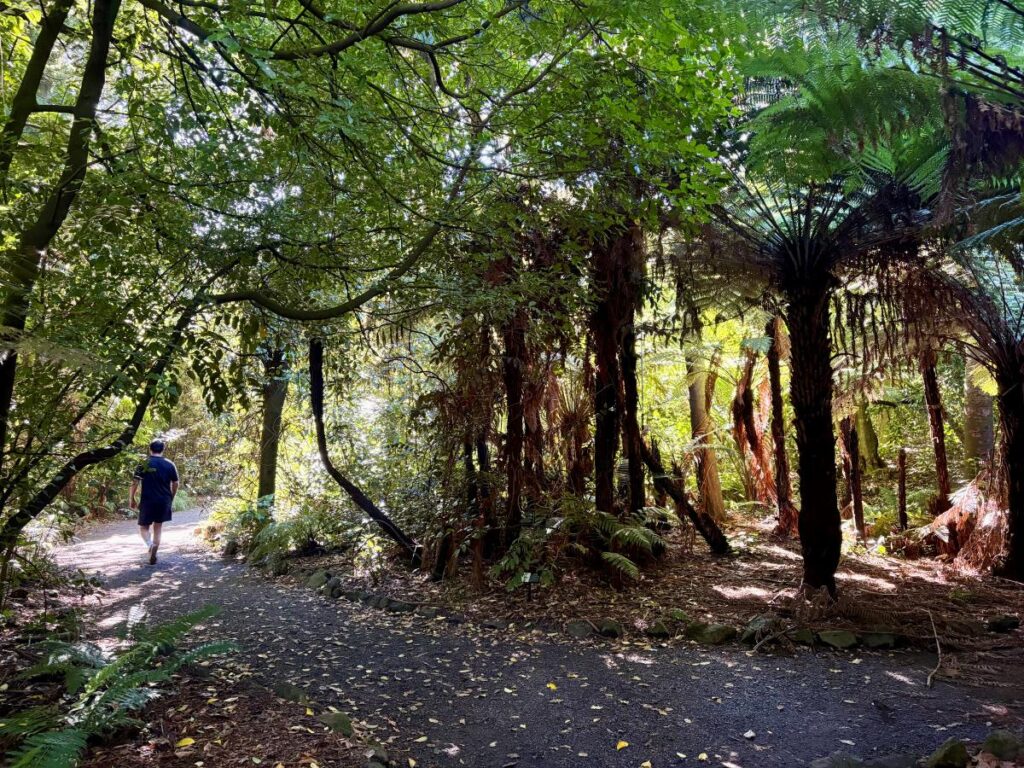
You may have heard the term “forest bathing” appearing more frequently in travel and wellbeing conversations. The practice comes from Japan, where it is known as Shinrin-yoku, and it refers to spending slow, attentive time in forest environments rather than treating nature as exercise or a destination to rush through.
Despite the name, forest bathing does not involve water. It simply describes immersing yourself in a natural setting and allowing your senses to engage with the environment: the sound of leaves moving, the texture of tree bark, the changing light through the canopy.
Research exploring forest bathing suggests that this slower, sensory approach to time in nature may support relaxation, reduce stress markers, and improve mood. These findings are closely related to broader research on the benefits of green spaces for mental health.
While the studies focus on forest environments rather than travel specifically, the idea translates easily to trips. Moving slowly through a park, woodland path, or botanical garden often creates a similar shift.
For many travellers, this slower form of exposure to nature can feel like a useful counterbalance to busy itineraries.
How To Plan a Green Space Reset While Travelling
If you want to intentionally include green spaces in travel, it rarely requires major planning. Small adjustments often make a noticeable difference.
Choose accommodation near green areas
Staying within walking distance of a park or green corridor makes spontaneous visits easier.
Start the day with a short walk
Parks are often quieter in the morning, and the cooler temperatures make them ideal for gentle movement before sightseeing begins.
Use parks as transitions between activities
Walking through a green space between destinations can provide a natural reset in the middle of a busy day.
Occasionally reduce digital input
Leaving headphones behind for part of a walk allows attention to settle into the environment.
Notice how you feel afterwards
Many people find that navigating unfamiliar places or planning the next step of a trip feels easier after spending time in nature.
How To Incorporate Green Spaces Into Your Travel Itinerary
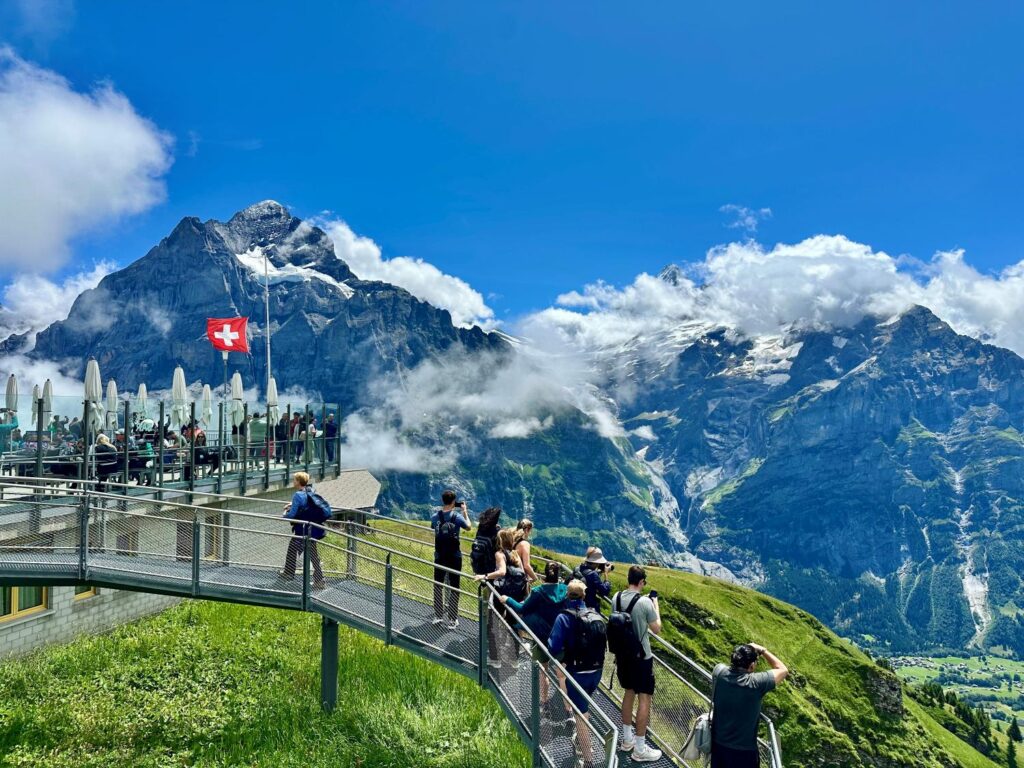
Research shows a positive link between nature exposure and psychological well-being. Many studies examining the benefits of green spaces for mental health have found associations with improved mood, reduced stress, and enhanced mental restoration.
Green spaces don’t need to be dramatic landscapes or remote wilderness areas to have an impact. Often, it is the small moments that provide the most noticeable benefits: a quiet park before the city wakes up, a leisurely stroll through a botanical garden, or a brief pause under trees between busy parts of the day.
These environments can give the mind a chance to reset in ways that busy streets rarely do. As more travellers begin to prioritise well-being alongside sightseeing, it’s worth considering how to intentionally incorporate green spaces into your plans. Even small choices about parks, gardens, and natural areas can help create a calmer, more balanced travel itinerary.
FAQs
Why do green spaces feel calming?
Natural environments contain fewer competing sensory signals than cities. Gentle visual patterns, natural sounds, and slower environmental changes allow attention to rest, which reduces cognitive fatigue.
How long do you need to spend in nature to feel the benefits?
Research suggests that around two hours per week in natural environments is associated with improved wellbeing, though even shorter visits can produce noticeable effects.
Are parks as beneficial as forests?
Yes. Studies show that even small urban parks can help improve mood and reduce stress.
This article is for general informational purposes only and is not intended to replace personalised medical, psychological, or professional advice.