Immune-Boosting Foods for Travel: What to Eat to Stay Healthy on the Road

Staying healthy while travelling often gets framed as luck. Long flights, disrupted sleep, new environments, and unpredictable meals all place extra strain on your body, especially your immune system.
Food can’t prevent every illness, but choosing immune-boosting foods for travel can make a meaningful difference to how resilient, energised, and balanced you feel on the road. This guide focuses on simple, realistic choices that work in real travel conditions, wherever you’re heading.
Table of Contents
How Travel Can Affect Your Immune System
Travel exposes your body to crowded spaces, changing climates, irregular routines, limited sunlight, and higher stress. Even the best trips can be demanding on your immune system.
Focusing on travel nutrition is a simple way to stay healthy while travelling, especially when sleep and routine are out of rhythm.
Curious to explore the science behind this?
This blog draws on established behavioural science research and applies these principles to travel contexts. Sources are linked in our Evidence & Further Reading section.
6 Simple Food Habits That Support Your Immune System While Travelling
When routines change on the road, small food habits can help support immune resilience. Rather than relying on supplements or “superfoods,” focusing on everyday food patterns often makes the biggest difference while travelling.
A few simple habits to focus on include:
- Using fresh local ingredients where possible
- Eating colourful fruits and vegetables
- Staying well hydrated
- Including fermented or gut-friendly foods
- Choosing whole foods over ultra-processed snacks
- Eating enough protein
- Keeping meals relatively consistent
Eat Colourful Fruits and Vegetables
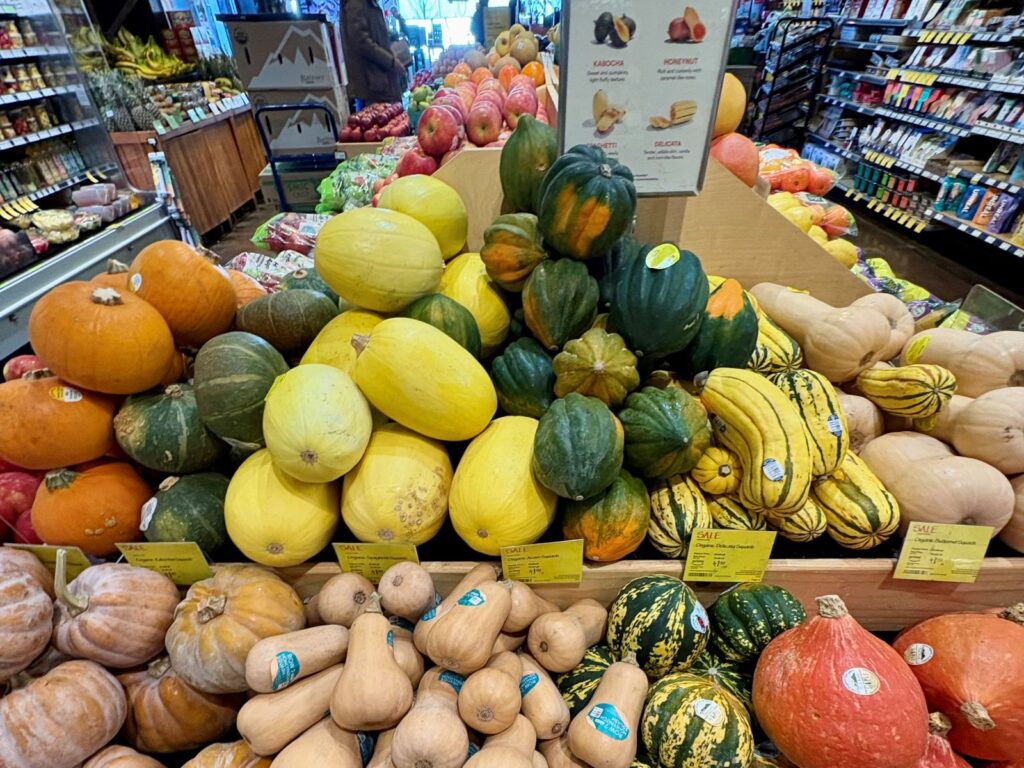
If there’s one flexible rule that travels well, it’s this: eat a variety of colours when you can (think ‘eat the rainbow’).
Colourful fruits and vegetables provide vitamin C, antioxidants, and fibre that support gut health and help manage inflammation, both of which are closely linked to immune function.
Travel-friendly options include apples, mandarins, berries, carrots, cherry tomatoes, snap peas, and dried fruit. They’re easy to pack, widely available, and simple to eat between connections or on low-energy days.
Include Nuts and Seeds for Zinc, Healthy Fats, and Energy
Nuts and seeds are compact, reliable, and well-suited to travel days. They provide zinc, healthy fats, and protein that support immune function and help stabilise energy when meals are irregular.
Almonds, walnuts, pumpkin seeds, and simple mixed nut packs travel well and don’t require refrigeration. When possible, choose plain (natural) versions rather than heavily flavoured or roasted options.
Include Fermented or Gut-Friendly Foods
The gut contains the largest concentration of immune cells in the body, playing a central role in immune function. Travel stress, time-zone changes, and unfamiliar food can disrupt digestion, which in turn affects immune resilience.
Fermented foods introduce beneficial bacteria that support gut balance. Easy options while travelling include single-serve yoghurt, kefir drinks, kombucha, miso soup, or small portions of kimchi or sauerkraut when available.
Eat Polyphenol-Rich Foods for Everyday Immune Resilience
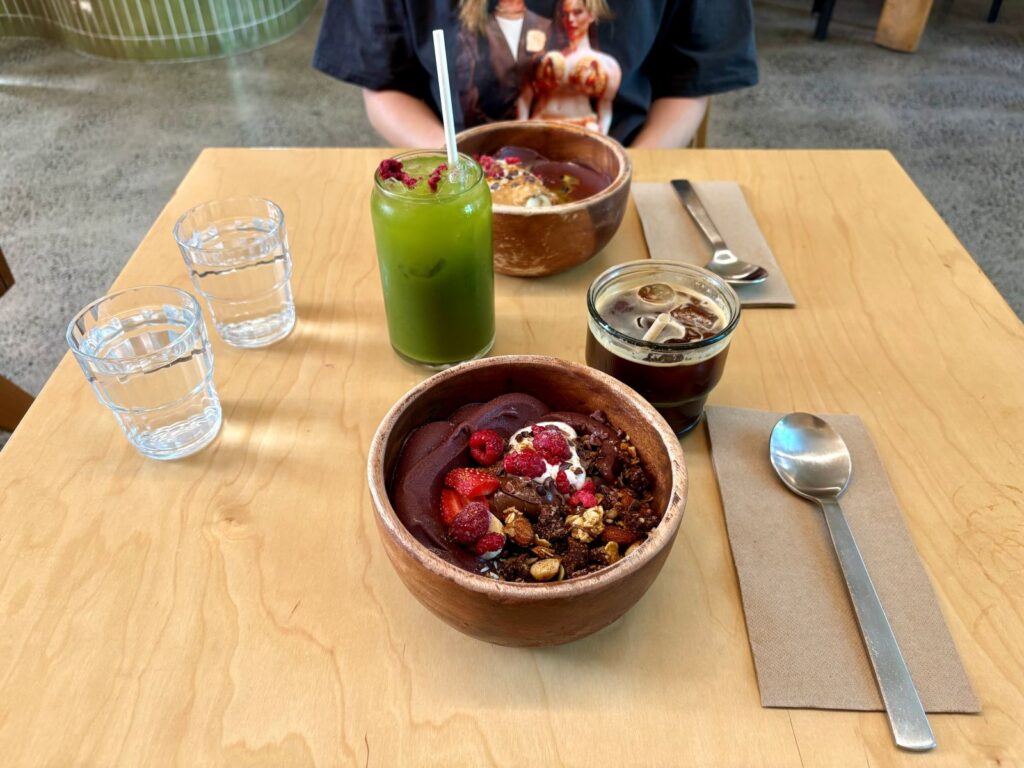
Polyphenols are naturally occurring plant compounds that help the body manage oxidative stress (imbalance in your body), something that often increases with fatigue and jet lag.
Common, widely available sources include black or green tea, filter coffee, dark chocolate (70% or higher), berries, nuts, seeds, and olives. These foods to boost immunity are often already part of everyday eating and fit easily into healthy eating on the road.
Support Vitamin D Levels When Sunlight Is Limited
Vitamin D plays a role in immune regulation, and travellers often get less of it due to long flights, indoor itineraries, or winter travel. Research suggests supplementation may help reduce the risk of respiratory infections when vitamin D levels are low. I tend to take vitamin D when I’m travelling, especially in winter, and since I started doing that, I’ve (anecdotally) noticed I get sick less often on longer trips.
Other nutrients also support immune resilience. Omega-3 fatty acids help regulate inflammation and support immune signalling, while vitamin C contributes to normal immune function and may help reduce the severity or duration of common colds.
Always check with a healthcare professional before starting new supplements.
Prioritise Hydration for Immunity on the Road
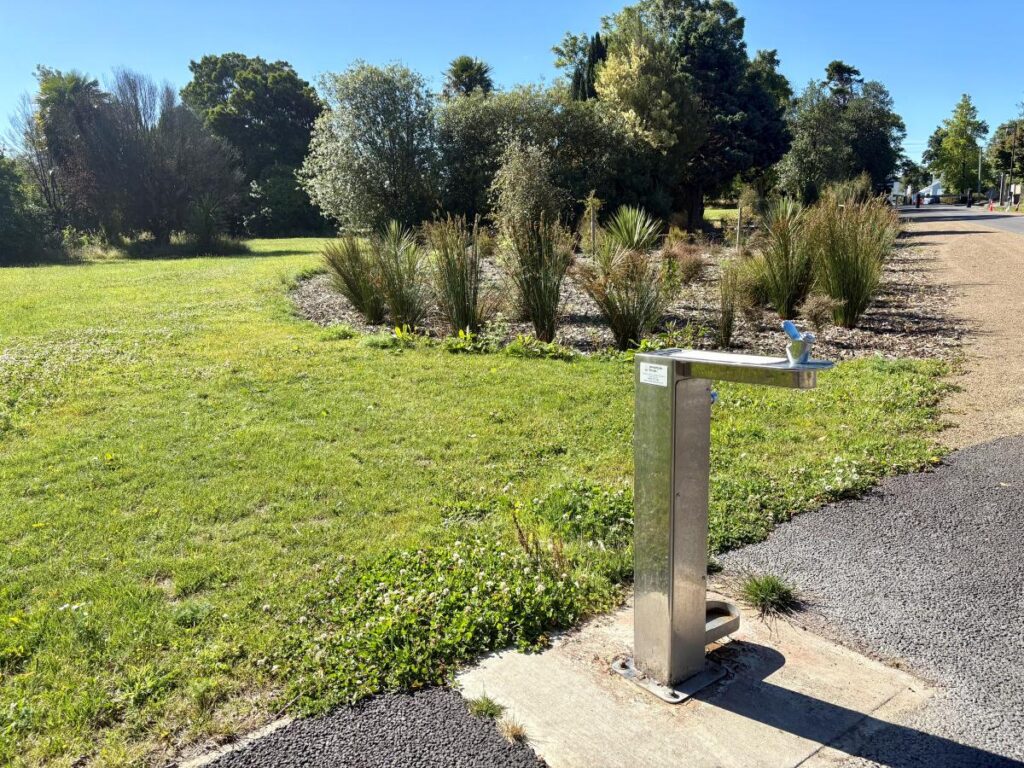
Hydration is often overlooked, yet it directly affects immune function, digestion, energy levels, and your body’s ability to flush out toxins. Flights, air-conditioning, heat, and increased activity all increase fluid needs.
Water should be your go-to. Many travellers also benefit from electrolytes after long flights, hot days, or physically active travel. Lightweight electrolyte powders or tablets are easy to carry, while coconut water can be a helpful option when available. Always try to carry a reusable bottle and refill whenever possible (if travelling to countries where water is unsafe to drink from a tap, I highly recommend a LifeStraw bottle).
Staying hydrated also supports mucous membranes, a frontline immune defence that commonly dries out during air travel. Keeping fluids up helps maintain this protective barrier and supports the body’s natural response to pathogens.
Keep It Practical: Food Safety and Balance Matter
Immune support works best when it’s balanced and uncomplicated. Prioritise whole foods where possible, choose reputable vendors for fresh produce, and stay mindful of ultra-processed options too (you can read more in Ultra-Processed Foods for Travellers: A Simple Guide).
Avoid high-dose supplements unless medically advised. Supplements are there to support gaps, not replace meals or create pressure around eating.
Small Food Habits That Help Support Immunity While Travelling
Staying well on the road doesn’t require rigid rules or complicated routines. A few nutrient-dense snacks, regular hydration, colourful produce when available, and thoughtful supplementation can meaningfully support your immune system.
These small, repeatable choices make it easier to recover, adapt, and enjoy travel, wherever you may be.
This article is for general informational purposes only and is not intended to replace personalised medical or nutritional advice.
While I hold a research master’s degree and draw on peer-reviewed evidence, I am not a qualified nutritionist or medical professional. Always consult your GP or a registered healthcare provider before starting new supplements or making significant dietary changes.