Switzerland Travel Guide for a Mental Reset: Is It the Right Trip for You?
Some trips leave you needing another break. At the time they don’t necessarily feel disappointing, but they do feel full on: constant movement, too many small decisions, noise everywhere you go, and very little time to actually settle into where you are.
Switzerland feels different, but not in the way most travel guides describe. It is not just about what there is to see or do. For many people, it is one of the few places where the environment itself makes it easier to slow down without having to actively work at it.
This Switzerland travel guide is not just about the country as a destination. It is about whether it is the right kind of trip for you, especially if what you need is something that feels calmer, less demanding, and genuinely restorative rather than just another itinerary to move through.
Switzerland is one of the most beautiful countries that I have visited (and I am from New Zealand), but more importantly, it was one that felt noticeably easier to be in. And there is a good reason for that.
Table of Contents
Nomadic Balance is about travelling well, not just far. To learn more, return to our main site here.
Switzerland Travel Guide Quick Answer: Is It A Good Destination For A Relaxing Trip?
If you are looking for a trip that feels calmer rather than more stimulating, Switzerland is one of the easiest places to achieve that without having to plan around it.
It suits people who want:
- Less decision-making throughout the day
- Easy access to nature without effort
- A slower pace that still feels like a complete experience
It is less suited to trips where the focus is constant activity, variety, or trying to fit multiple regions into a short space of time.
Why Switzerland Feels More Restorative Than Other Destinations
Most travel increases your cognitive load. You are navigating unfamiliar systems, processing new information, and making decisions all day. But in Switzerland you can experience the opposite.
The infrastructure is predictable, the landscapes are vast and open, and many of the best experiences require very little planning. You tend to spend less time adjusting or problem-solving compared to more chaotic destinations.
When you are travelling, this matters. When your surroundings demand less, your mind tends to settle with it.
The Blue And Green Space Effect: Why The Landscape Changes How You Feel
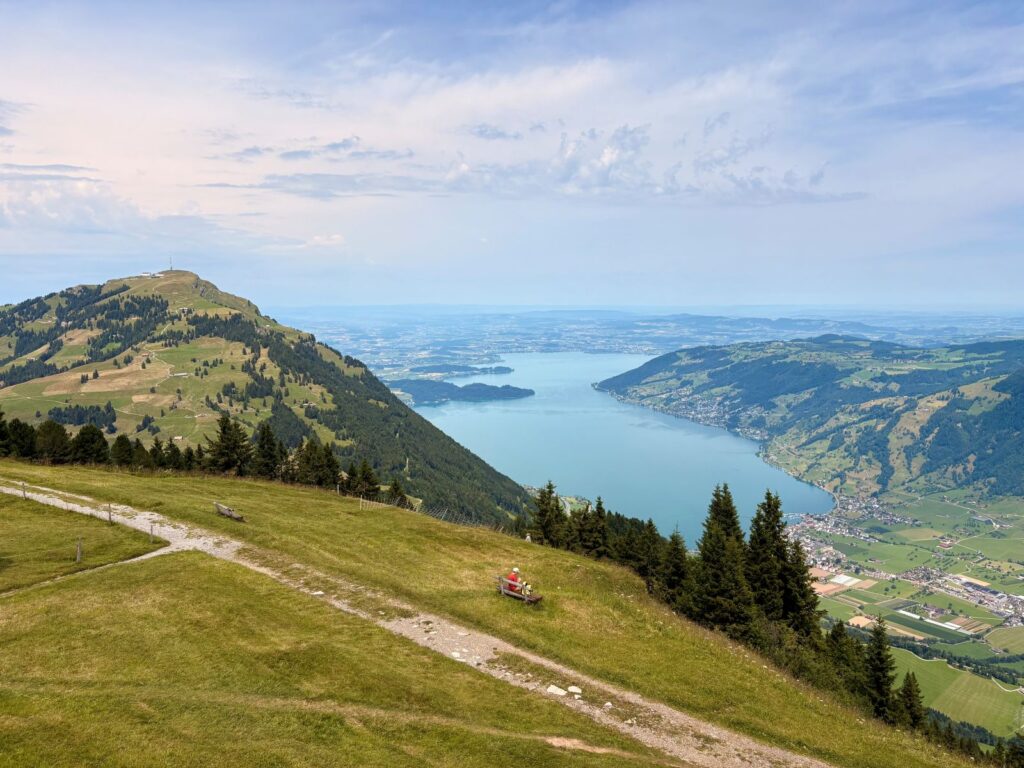
Switzerland brings together two of the most restorative environments, water and greenery, in a way that feels effortless.
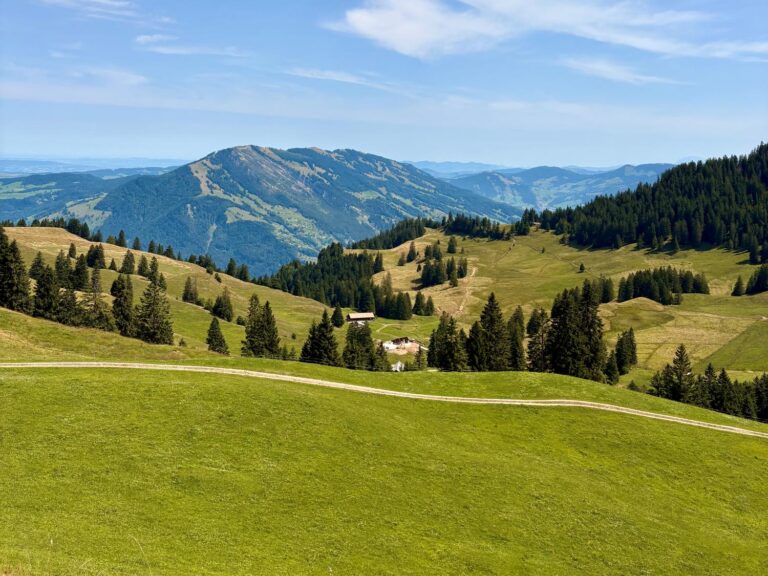
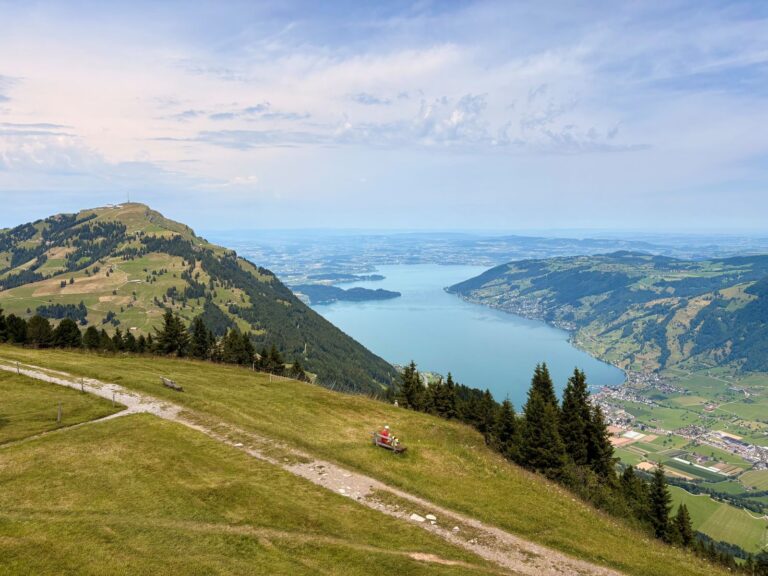
Lakes create stillness. Forests soften visual noise. Mountains change your sense of scale, pulling you out of whatever felt urgent before. You are not just looking at these landscapes, you are moving through them.
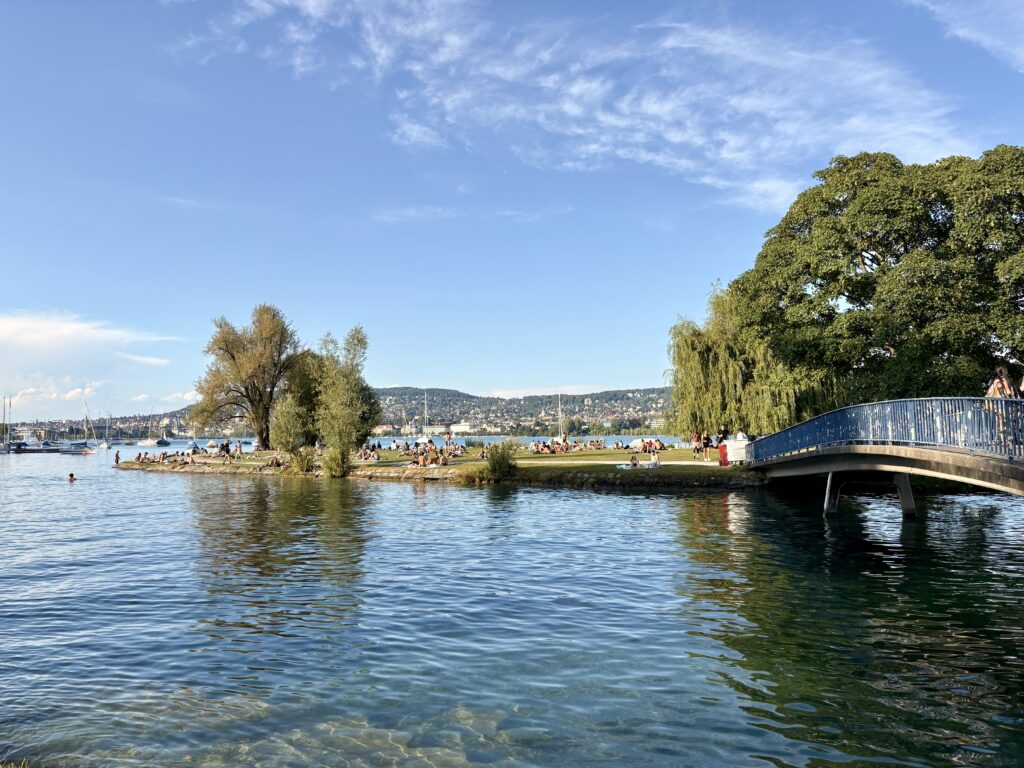
Even short periods, like an hour by a lake, or a quiet walk through trees, can noticeably change the tone of your day. I found myself relaxing without trying to.
This aligns with Attention Restoration Theory, which suggests natural environments can help reduce mental fatigue. Switzerland’s easy access to lakes, forests, and open mountain landscapes requires very little energy to engage with, which makes those effects easier to experience in practice.
If you want to learn more, you can explore how blue and green space supports mental recovery while travelling.
Curious to explore the science behind this?
This blog draws on established behavioural science research and applies these principles to travel contexts. Sources are linked in our Evidence & Further Reading section.
Why Travelling Switzerland Feels Easy (And Why That Matters)
Walkable Cities And Seamless Transport
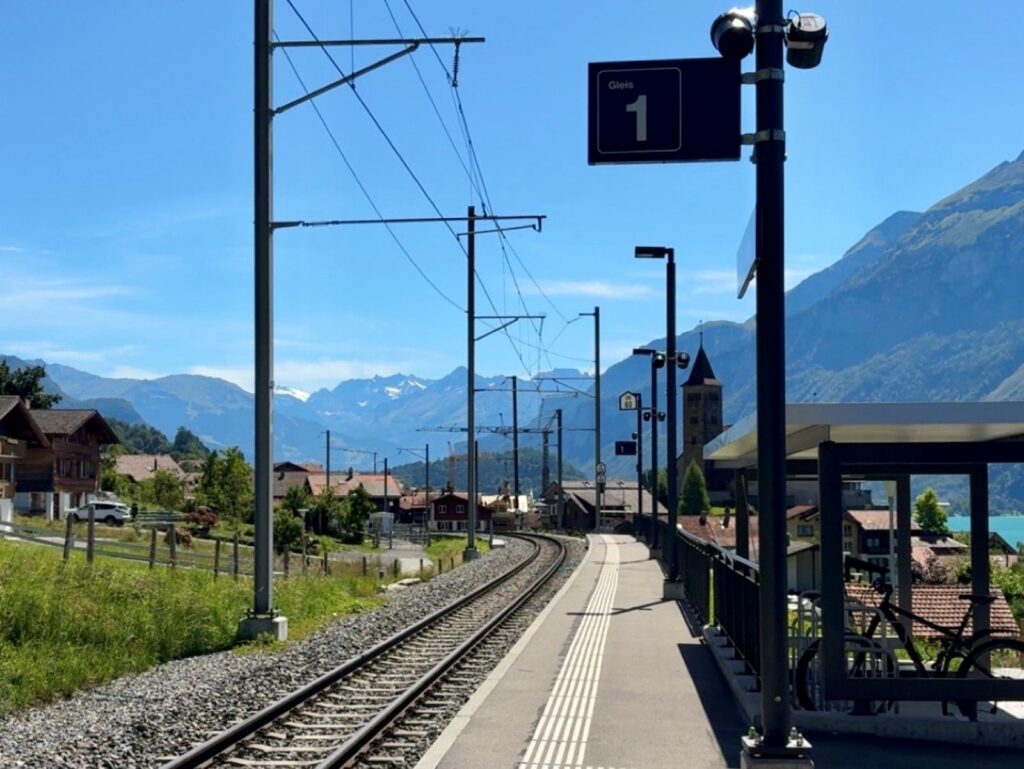
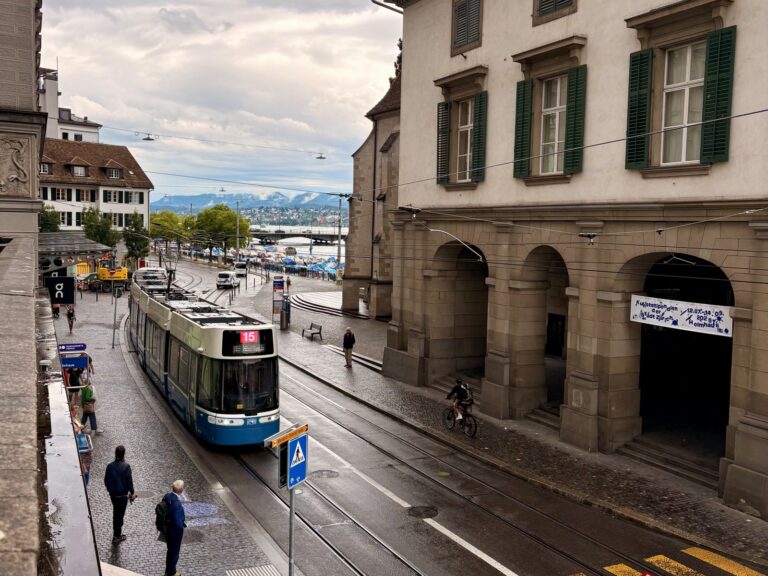
A typical day in Switzerland feels easy to move through without much structure. Cities are genuinely walkable, so you can spend the morning exploring on foot without needing to plan routes or think too far ahead.
When you do want to go further, it is just as simple to step onto a train or bus that takes you straight into the mountains or to a lakeside town. You can move from a city to a lake or mountain setting without much planning, which makes it easier to relax rather than stick to a fixed plan.
If you are planning logistics, our guide to using public transport in Switzerland explains how to move through the country without adding unnecessary complexity.
Clear Systems That Reduce Mental Load
Part of the reset comes from how easy everything is to navigate. Public transport runs on time, connections are clearly structured, and signage is consistent across cities and regions.
You are not constantly checking maps, second-guessing directions, or recalculating your next move. The small decisions that usually build up during travel start to drop away.
I noticed I was on my phone far less, not intentionally, but because there was simply less to manage.
Nature That Fits Into Your Day
In most places, spending time in nature takes planning. You have to find routes, organise transport, and set aside an entire day.
In Switzerland, it is already part of how you move through the country. You can step off a train and be by a lake within minutes, or take a short walk that leads you into forest or up to a viewpoint without needing a structured route.
On lower-energy days, those smaller moments were often more restorative than trying to fit in something bigger. They required less effort to start, which made it easier to actually slow down and stay there.
What A Low-Pressure Switzerland Trip Actually Looks Like
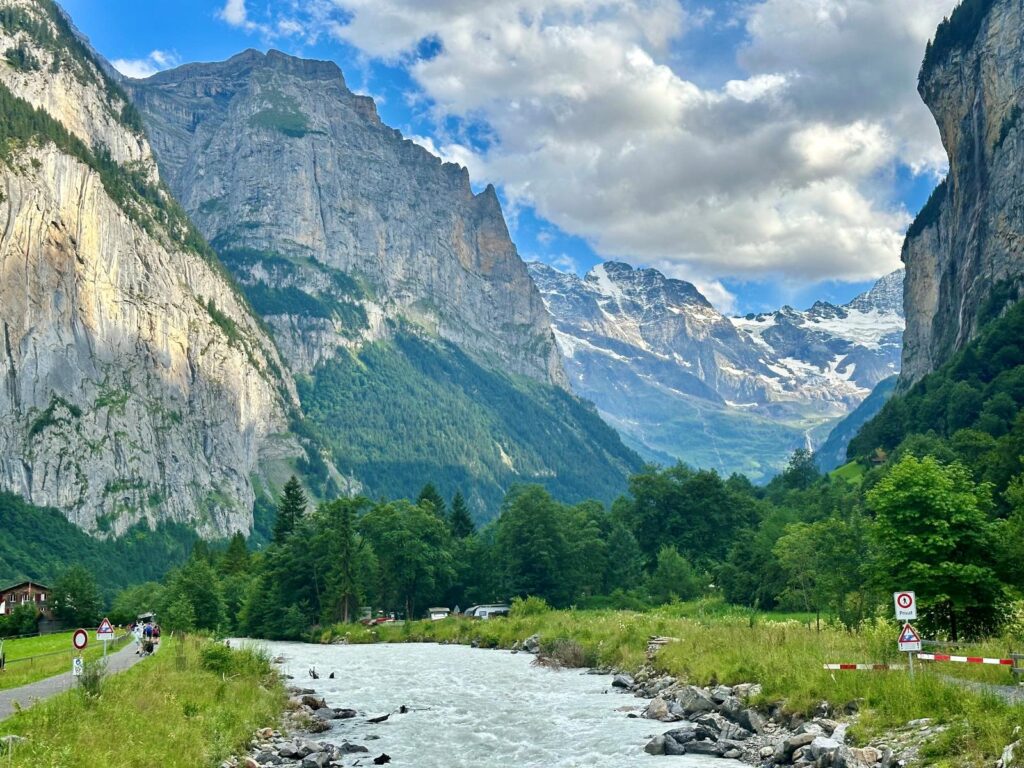
A slower trip here is less about what you include, and more about what you remove.
You tend to stay in one or two places rather than moving constantly. Days are shaped loosely, with one anchor point, like a train journey or a lakeside walk, and the rest left open.
There is usually space between activities. That space is not something you need to fill, it is where most of the reset actually happens.
You are not trying to see everything. You are letting the environment carry more of the experience, rather than relying on structured plans or booked activities to define the day.
Is Switzerland Expensive? A Simpler Way To Think About It
Switzerland has a reputation for being expensive, and it can be. It is one of the most expensive places that I have travelled to. No matter how many budget strategies you use, it is unlikely to feel cheap.
However, many of the most meaningful parts of the experience are free. Things like walking, sitting by water, or taking in the landscape do not cost anything. You are not repeatedly paying to access the core experience of the destination, which changes how spending feels overall.
When you do spend, it tends to be on things that feel more defined, like transport through the mountains or access to higher viewpoints. Those choices feel easier to justify, rather than a series of small, forgettable costs.
With some upfront planning, and a level of acceptance around the cost, it becomes much easier to travel more freely. I found I thought about money far less once I stopped trying to optimise every decision, and that made it easier to stay present in the places I had come to see.
If you want a more detailed breakdown of how to manage costs without overthinking every decision, read our Switzerland Financial Anxiety post.
How To Plan A Relaxing Switzerland Trip (Without Overloading It)
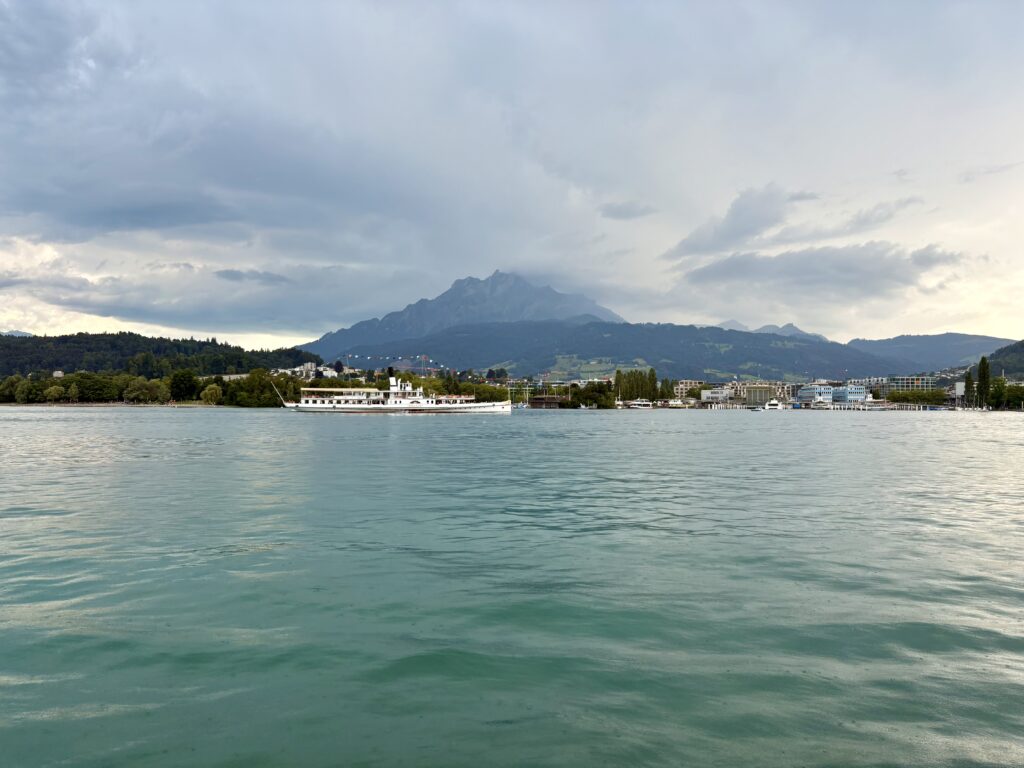
We often try to cram so much into a trip. One of the easiest ways to make your trip feel more relaxing is by doing less. Choose one or two places per day instead of trying to cover multiple locations. Build in unstructured time, especially around lakes or green space.
Pre-book anything that reduces stress, like key train routes or accommodation, but leave the rest flexible. When you get there you can see what you feel like doing, rather than feeling pressured to go on pre-booked activities.
Research in advance if there is anything you need to book in advance to experience it, like the Lindt Factory in Zurich. Some activities book up quickly, especially in peak travel times, so being a bit prepared before you go can alleviate some stress when you arrive.
When you are there, pay attention to how you feel when things are quieter. That is usually when the reset is actually happening in your body.
What A Slower Travel Day In Switzerland Actually Feels Like
A typical day in Switzerland feels easy to move through without needing much structure.
You might take a morning train through the mountains, watching the landscape change without needing to do anything. In the afternoon, you could walk along a lake, stop somewhere quiet, and let time pass without feeling like you are wasting it. By the evening, you have done enough, even if the day itself felt simple.
There is space between activities, and that space is part of the experience rather than something to fill. I noticed that I stopped reaching for my phone as often. Not because I was actively trying to disconnect, but because there was less to organise, less to anticipate, and less to manage.
Switzerland Travel FAQ: Costs, Timing, Itinerary And Practical Planning (2026)
Is Switzerland worth visiting right now?
Yes, especially if you are looking for a trip that feels calmer rather than more stimulating. Switzerland stands out not because it is packed with attractions, but because it removes friction from travel. It is one of the few places where you can move around easily, spend time in nature without expending energy, and still feel like you have properly switched off.
How many days do you really need in Switzerland?
For a balanced trip, 5 to 7 days is enough to experience the landscape and pace without rushing. If your focus is a mental reset rather than sightseeing, staying longer in fewer places works better than trying to see multiple regions in a short time. I found that after about three days in one area, the shift from “travelling” to actually settling in started to happen.
What is the best way to travel around Switzerland?
Train travel is the easiest and most efficient way to get around. The network is highly reliable, and the routes themselves are part of the experience rather than just transport. The Swiss Travel Pass is often the simplest option if you are moving between multiple locations, as it removes the need to think about individual tickets.
Is the Swiss Travel Pass worth it?
It depends on how much you plan to move, but for most first-time trips it simplifies everything. Instead of calculating individual journeys, you can just get on trains, buses, and even boats without thinking about cost each time. That reduction in decision-making is often worth as much as the financial value.
Is Switzerland expensive for travellers?
Yes, but the experience of spending feels different. Many of the best parts of Switzerland—lakes, viewpoints, walking routes—do not cost anything. You are not constantly paying to access the core experience. When you do spend, it tends to be on transport or specific scenic routes, which feel more intentional.
What is the cheapest way to travel around Switzerland?
The simplest way to reduce costs is to slow down. Staying longer in one place, using regional trains instead of premium scenic routes, and prioritising free outdoor experiences can significantly lower daily spend. Supermarkets and takeaway options also make it easier to avoid high restaurant costs without compromising the experience.
When is the best time to visit Switzerland for fewer crowds?
May to early June and September to early October are the most balanced periods. You still get access to lakes, mountains, and walking routes, but with fewer tourists and slightly lower prices. Summer is the busiest season, while winter is more focused on skiing and alpine travel.
Where should you base yourself in Switzerland for a slower trip?
Lucerne, Interlaken, and Montreux are popular for a reason, they offer easy access to lakes and mountains without requiring constant relocation. If you want something quieter, smaller towns around Lake Brienz, Lake Thun, or the Valais region can feel noticeably less busy while still being well connected.
Do you need a car in Switzerland?
No, and in most cases it adds unnecessary complexity. Public transport is more efficient, better connected, and removes the stress of navigation and parking. For a mental reset style of trip, trains tend to support a calmer pace.
Is Switzerland good for a relaxing or slow travel itinerary?
Yes, it is one of the easiest countries to travel slowly without feeling like you are missing out. The structure of the country, short travel times, reliable systems, and immediate access to nature, supports a pace where doing less still feels like enough.
A Travel Experience That Leaves You Feeling Rested
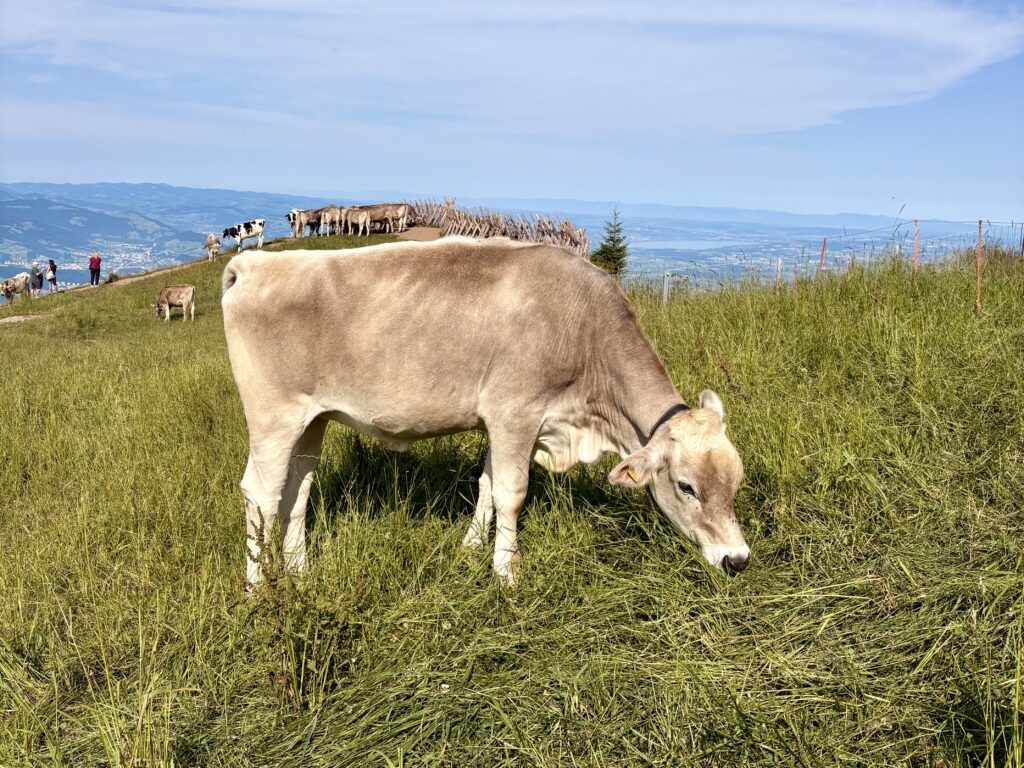
Not every trip needs to restore you, but some do naturally. Switzerland works because it removes a lot of the decision making, rather than adding to it. The landscapes are calming without effort, the systems are reliable without constant checking, and the pace is naturally easier to hold.
By the end of the trip, I felt like I had travelled, but also like I had properly paused and rested. That combination is rare, and it is what makes Switzerland one of the best destinations for a true mental reset.
This article is for general informational purposes only and is not intended to replace personalised medical, psychological, or professional advice.