How to Travel Without Social Media Pressure (And Feel Like Yourself Again)
In 2026, it is hard to imagine travel without social media. For many travellers, it has always been part of the experience. Social media has been part of how we plan, choose, and experience trips for over a decade. It shapes how we choose destinations, what we plan to do, and even how we remember our trips.
But despite how normal this has become, there is a noticeable shift towards travelling without social media. Digital detox travel is not about disconnecting completely, but creating a bit of distance. Enough to think more clearly and make decisions that feel more like our own.
Before most trips even begin, there is already a level of saturation. Through social media and travel behaviour, we are exposed to trending destinations, curated itineraries, and viral places to eat. You start saving locations and building plans.
But if you pause for a moment, it can be difficult to tell whether you actually want these things, or whether they just feel right because you have seen them so many times. You might notice this when planning looks productive, but still leaves you slightly uncertain, as though you are building a trip that makes sense on paper without feeling particularly clear about why you chose it.
This usually does not feel obvious. It is subtle, which is exactly why it can be easy to miss. Over time, it can blur the line between what you genuinely enjoy and what you have learned to expect.
Digital detox travel is often framed as disconnecting completely, but in practice, the shift is usually smaller than that. It is less about removing social media and more about reducing its influence just enough to hear your own preferences more clearly.
A useful question to hold in mind is whether you are travelling for yourself or how the experience might be viewed by others.
Table of Contents
How Social Media and Travel Behaviour Are Linked
Travel decisions used to come from guidebooks, recommendations, and a bit of chance. Now, social media plays a much bigger role.
Repeated exposure to social media can change our perception in simple but powerful ways. What you see frequently starts to feel desirable. What feels desirable begins to seem worthwhile. Over time, it can even shape what you expect your trip to look like.
This does not mean social media is a bad thing. It can be helpful, inspiring, and genuinely useful for planning. But constant exposure can make it harder to recognise what you actually enjoy, separate from what you have seen online.
In travel, this often shows up in small ways. You might choose a café because you recognise it, not because it appeals in the moment, or add a stop to your itinerary simply because it feels like something you are meant to see. You may choose somewhere because it is popular rather than interesting to you, or feel like you need to make the most of every moment.
At times, this can create a subtle mismatch, where a place is objectively pleasant, but feels slightly underwhelming because it does not align with what you expected it to be. This can also become a loop; you start sharing these same experiences for someone else to repeat.
What Research Actually Says About Social Media And Wellbeing
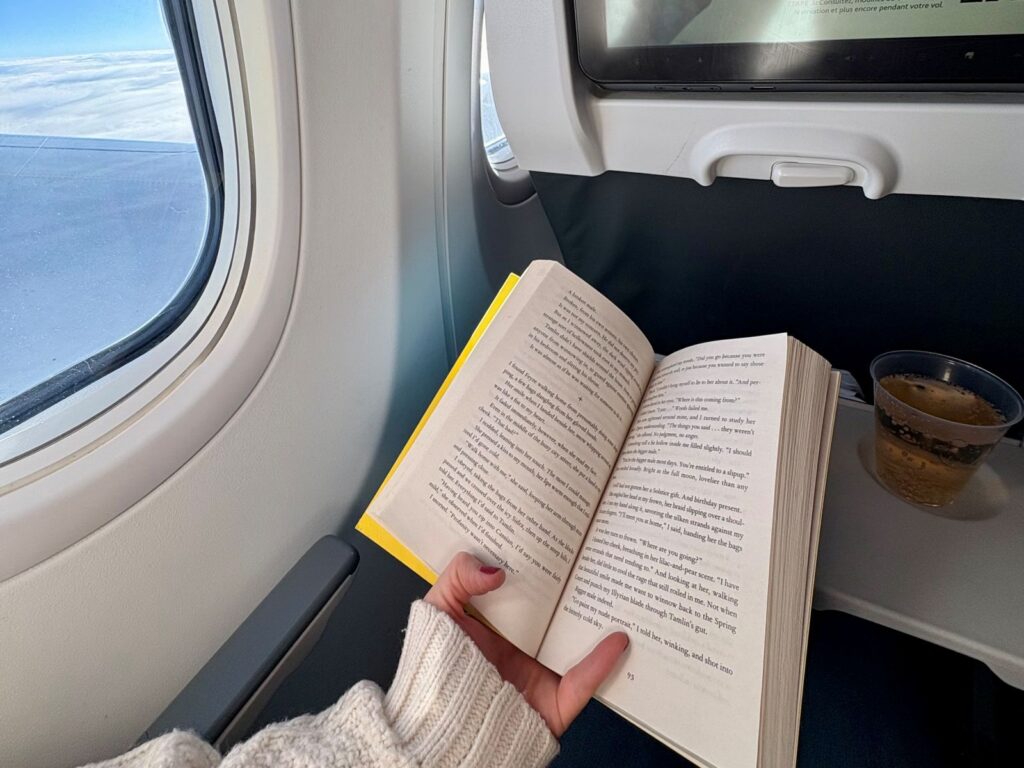
It is easy to assume social media is either good or bad, but the evidence is not that straightforward.
Large meta-analyses, which combine findings from many individual studies, show that the overall effects of social media on wellbeing tend to be small. What matters more is how it is used. In practice, actively interacting with others, such as messaging or sharing, tends to feel different from passively scrolling and comparing.
Curious to explore the science behind this?
This blog draws on established behavioural science research and applies these principles to travel contexts. Sources are linked in our Evidence & Further Reading section.
That passive use, where you are mostly consuming content, is more often linked with feeling worse afterwards, especially when comparison is involved.
There is also growing evidence that reducing social media use can improve how people feel, at least in the short term. In controlled studies, people who limited or paused their social media use reported small improvements in mood and overall wellbeing. The key point is that the improvements were noticeable, but not dramatic, and they did not apply equally to everyone.
In a travel context, research also shows that social media can influence where people choose to go and how they behave once they are there, particularly in places that are visually popular or widely shared online.
Taken together, this supports a simple idea: social media shapes attention and expectations, and even small reductions in use can make a difference for some people. On a trip, this can influence not just where you go, but how long you stay, what you pay attention to, and whether an experience feels complete or slightly unfinished.
Why Digital Detox Travel Changes Your Experience
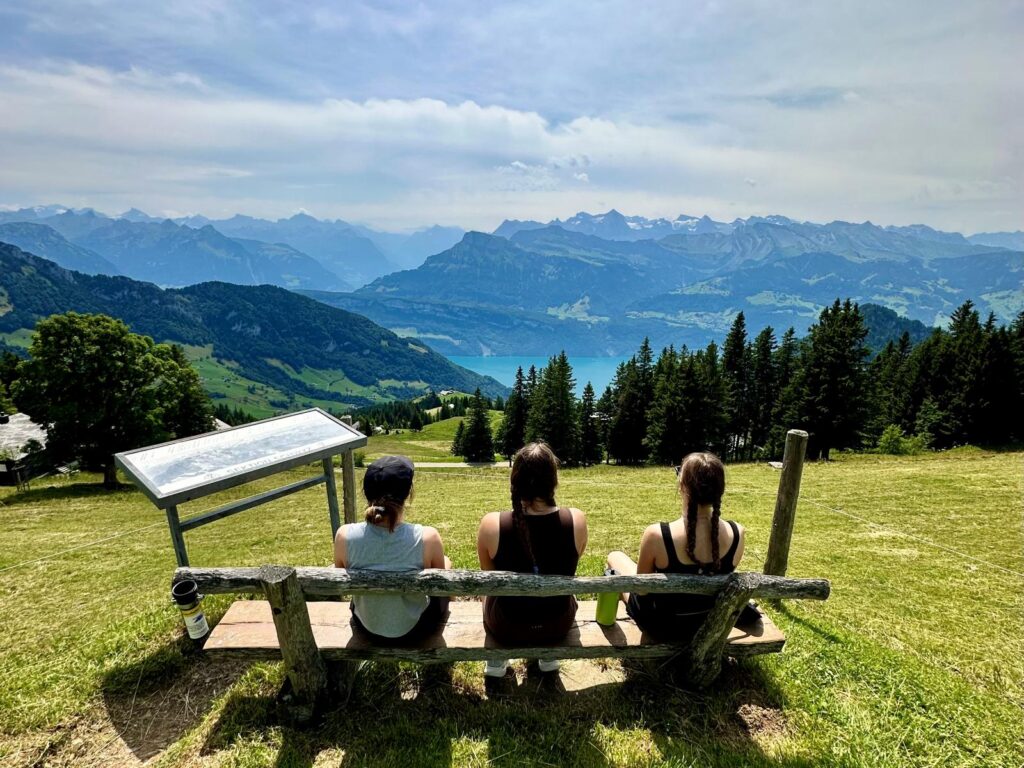
While the digital world is deeply embedded in daily life, you do not need full disconnection to notice a shift. What changes first is often not what you do, but how your attention is directed, and what it feels like that attention is being directed towards, or for.
The Subtle Pressure of Being Observed
Attention is limited, yet social media does more than capture it. It can introduce a quiet sense of being observed, shaping how experiences are noticed and evaluated, even when you are not actively sharing.
That pressure is rarely explicit. It tends to show up as a low-level sense of evaluation, influencing how long you stay somewhere, what feels worthwhile, and whether an experience seems complete.
When That Pressure Eases
Travel naturally disrupts some of this. With fewer routines and less input, there is less competing for your attention, and less sense of needing to filter your experience through how it might be seen.
As that pressure eases, attention settles differently. You may find yourself staying longer, noticing more, or realising that something feels enjoyable without needing to justify or document it. This shift is closely linked to how attention works in more mindful forms of travel, where the focus is less on capturing experiences and more on staying with them as they unfold.
This shift is subtle, but it changes the experience in a meaningful way. Places begin to feel less like something to evaluate and more like something you are inside of.
Travel does not turn you into a different person. But when the sense of being observed becomes quieter, it becomes easier to recognise what you would choose if no one else was watching, and to let that guide how you move through your trip.
Reconnecting With Yourself While Travelling
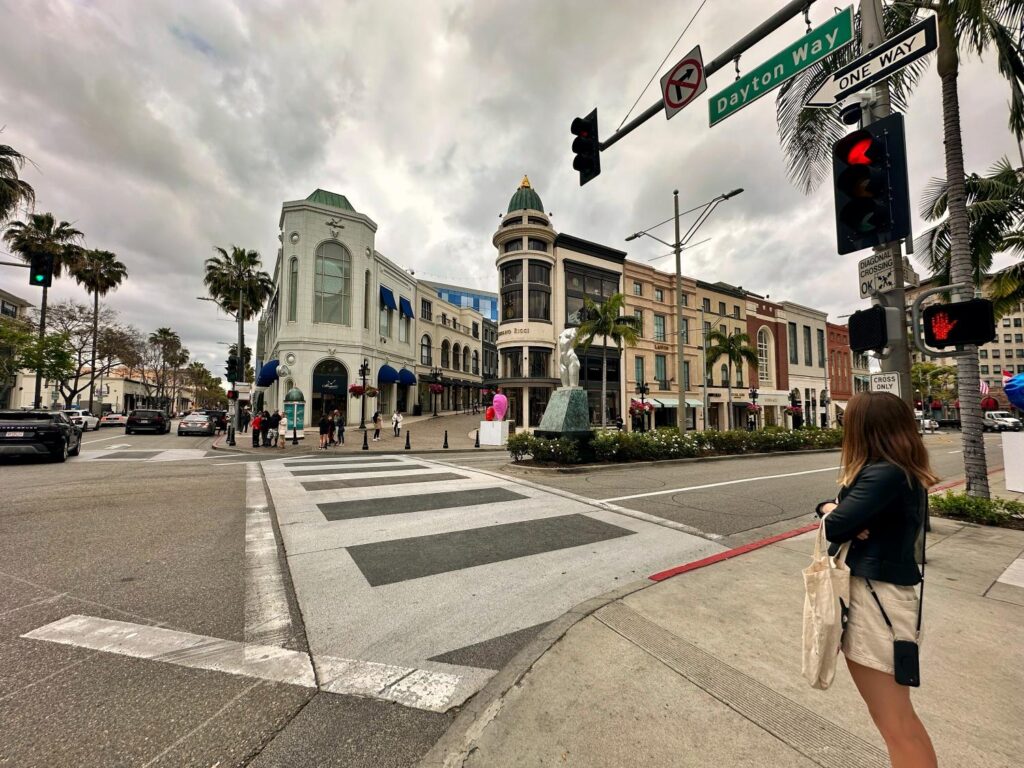
Reconnecting with your own preferences while travelling rarely happens all at once. It tends to build gradually through small, practical changes.
You might decide to skip something popular without feeling guilty about it. You might stay somewhere longer than planned because it feels comfortable. You might notice that you do not feel the need to document everything.
These moments are subtle, but they mark a shift away from performing travel and towards experiencing it. They often pass without much attention at the time, but tend to leave you feeling more settled in your choices and less aware of how your experience compares to anyone else’s.
Noticing Influence Without Judgement
A useful starting point is awareness. When making a decision, it can be useful to pause briefly and notice where the preference is coming from. A small question often helps bring this into focus: would this still appeal if no one else saw it?
Sometimes the answer is still yes, but the difference is that the choice feels clearer, rather than automatic. The aim is not to immediately change your plans, but to recognise when choices are automatic rather than intentional.
Creating Small Gaps in Decision-Making
Once you notice the influence, even a small pause can make a difference. Creating a gap between impulse and decision allows space for something more personal to emerge.
Even a brief pause, like waiting a few minutes before committing to a plan, can be enough to notice whether the decision still holds. Over time, these small pauses tend to feel less forced and more natural.
If you want to make this more practical, small changes to how and when you use your phone can create similar space throughout the day.
Travelling Without Social Media Pressure: What Actually Changes
The influence of social media does not always feel like pressure in a direct sense. More often, it shows up as a sense of expectation or the feeling that you should be making the most of your time. It can present itself as efficiency or optimisation rather than comparison. This might look like moving quickly between places to ‘fit everything in’, even when you would prefer to slow down, or feeling a low-level urgency that is difficult to explain.
Letting go of that does not require rejecting social media entirely. It can be as simple as leaving parts of your trip unplanned, not researching every detail, or allowing experiences to exist without needing to capture them. Over time, this can make experiences feel less like something to evaluate and more like something you are simply inside of.
On a recent trip, I chose to step back from Instagram by removing it from my home screen and not sharing updates. It was not a dramatic change, but I noticed I was less aware of how moments might be perceived, and more focused on whether I actually wanted to stay, leave, or change plans. The days felt lighter, with fewer expectations attached to how the experience should look, and more space to simply be in it.
By doing this, my experiences tended to feel less rushed and less evaluated, and more complete in themselves.
Solo Travel Self-Discovery In A Connected World
Solo travel is often described as a way to find yourself, but this framing can feel both vague and unrealistic. The term ‘finding yourself’ can suggest a clear outcome, when the experience is often less defined.
What it more realistically offers is a reduction in external input. Without constant reference points, you are more directly exposed to your own preferences. Decisions become yours by default, rather than being shaped by others.
This can highlight patterns that are easy to miss in everyday life. You begin to notice what energises you, what drains you, and what you choose when no one else is influencing the outcome. It is not always comfortable; at times, it can bring uncertainty rather than clarity. But over time, it can lead to a steadier sense of what feels right and less need to compare your experience to someone else’s.
Travelling without social media can deepen this experience by reducing external expectations and allowing more space to make decisions based on how you actually want to spend your time.
If you are interested in reading more about the psychology of solo travel, you may like our guide.
How to Travel Without Social Media Pressure and Feel Like Yourself Again
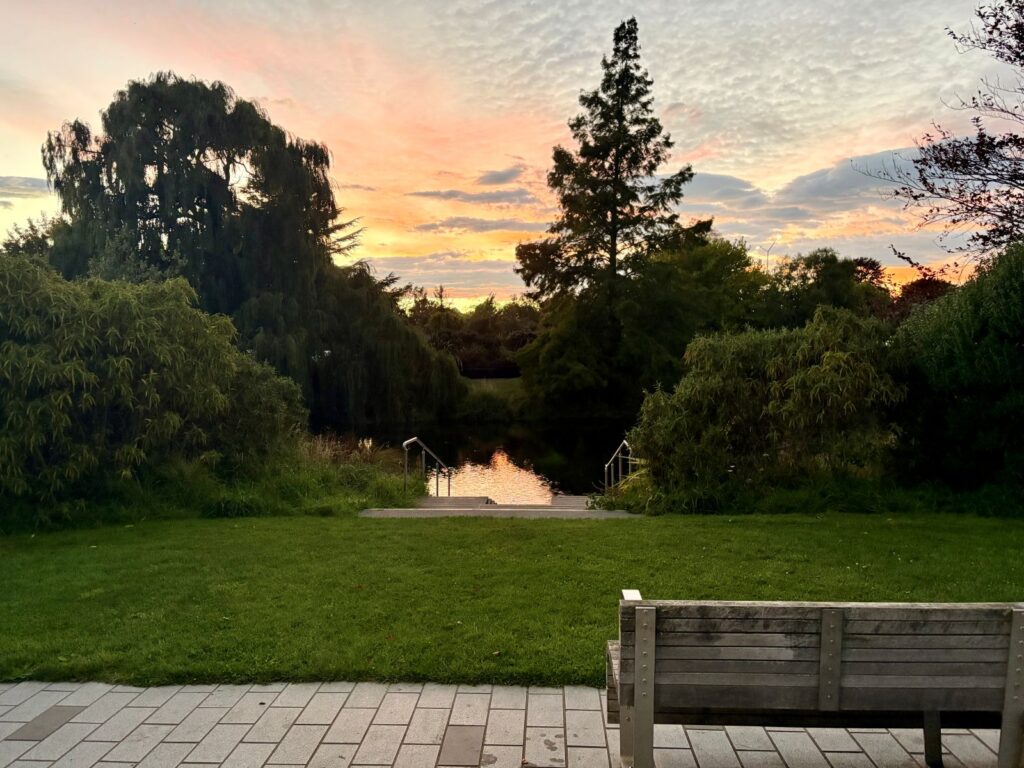
What travelling without social media pressure ultimately changes is not just what you do, but how you experience it. When less of your attention is pulled outward, there is more available for what is actually in front of you.
Travel, in that sense, becomes less about building something to look back on and more about something you are fully inside of while it is happening.
This does not require removing social media entirely. It is often enough to reduce its presence just enough that your decisions feel quieter and more deliberate. Over time, this tends to shift how experiences register; they feel less evaluated, less fragmented, and more complete in themselves.
There is a subtle difference between documenting a trip and remembering it. One focuses on how it might be seen later, the other on how it feels as it unfolds. When your attention is less divided, that difference becomes easier to notice.
In a travel landscape shaped by what is shared and repeated, the ability to stay with your own experience is easy to overlook. But it is often what makes a trip feel genuinely your own.
This article is for general informational purposes only and is not intended to replace personalised medical, psychological, or professional advice.