NYC Ferry Guide: A First-Time, Low-Stress Way to Get Around New York
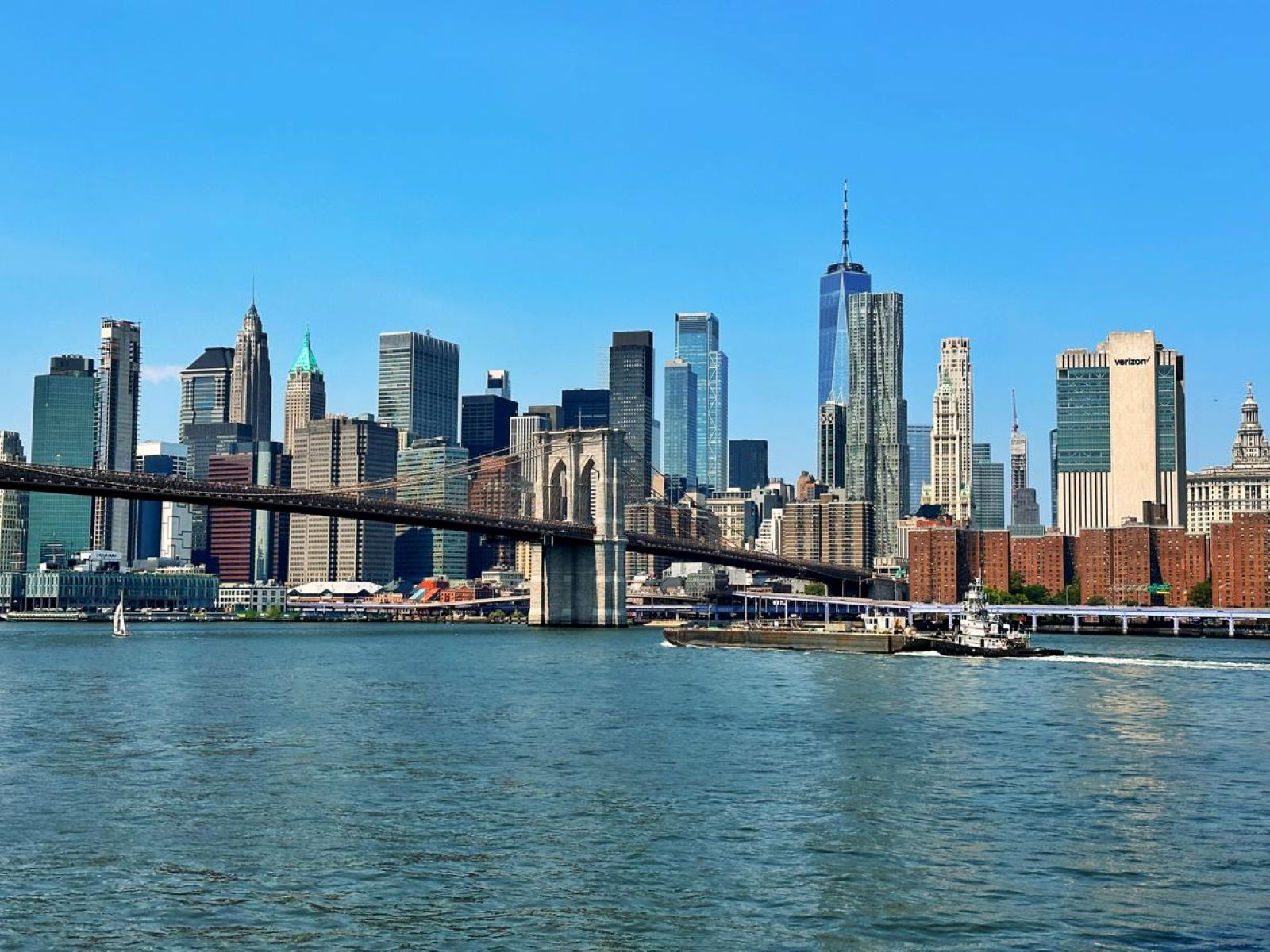
New York moves quickly, especially when you’re new to it. Between learning the subway, navigating crowded streets, and orienting yourself in a vast city, transport can take up more energy than anticipated.
This NYC Ferry guide is for travellers who want a calmer alternative, something practical and affordable, without needing insider knowledge or confidence with the city straight away.
The NYC Ferry isn’t designed to be the fastest way across the city; instead, it offers a different kind of journey. Travelling on the water removes some of the noise, crowding, and enclosed intensity of the city, making it a more comfortable way to get from place to place without disconnecting from New York itself.
Table of Contents
Why Take the NYC Ferry as a Visitor
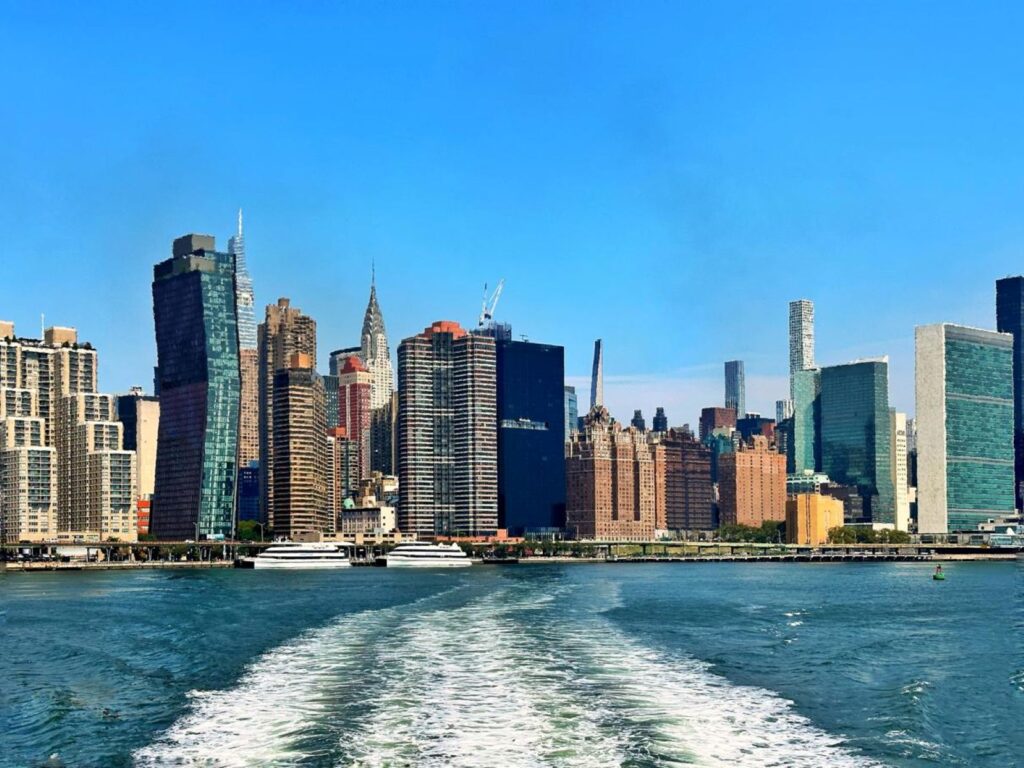
The NYC Ferry offers a different experience from most urban transport in New York. It’s open-air, and can be less crowded than many subway routes, giving you space to relax, rather than stand shoulder to shoulder.
For first-time visitors, that can make getting around feel more comfortable. Having natural light, fresh air, and a clear sense of movement reduces some of the low-level strain that comes with busy streets and enclosed transport, especially on days when you’re already taking in a lot.
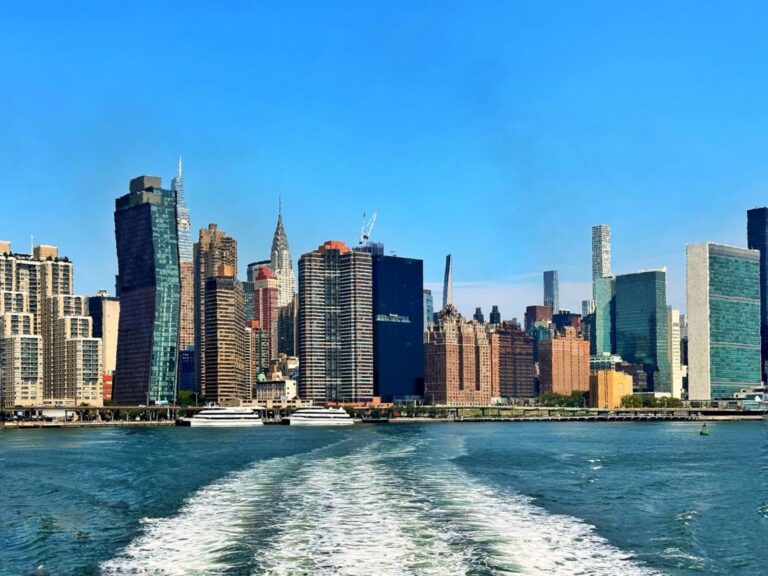
It also doubles as a low-cost sightseeing experience. You get skyline views and a sense of orientation, without planning a tour or committing extra time.
If you’re still getting a feel for how transport works more broadly, our New York public transport guide offers an overview of the main options and how to choose what suits your day.
Where the NYC Ferry Runs
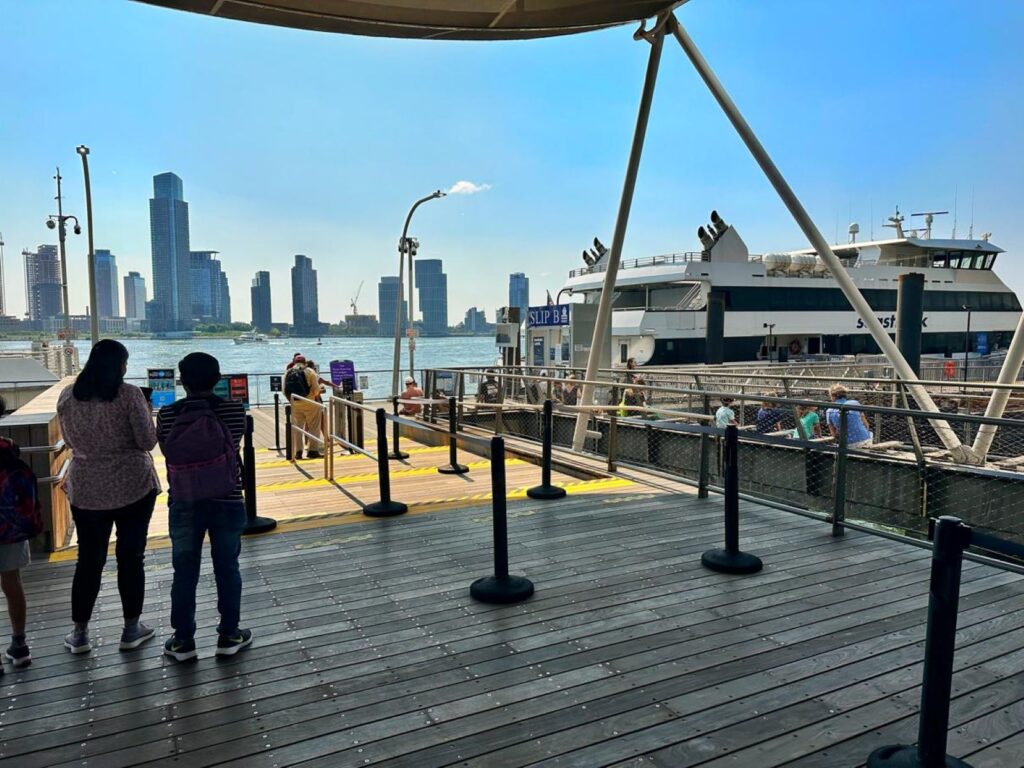
The ferry runs primarily along the East River and connects parts of Manhattan, Brooklyn, and Queens (NYC Ferry – East River Route).
If you’re staying in Midtown Manhattan, as is common for first-time trips, the East 34th Street ferry landing is one of the most accessible starting points. From there, routes head toward Brooklyn or Queens, linking neighbourhoods that are often already on a visitor’s itinerary.
Seeing the city from the water helps create a clearer sense of layout without trying to navigate it at the same time. That wider view can reduce the mental effort of getting around later, making walks and subway trips feel more manageable.
How to Use the NYC Ferry
Tickets for the NYC Ferry are straightforward. You can buy tickets using the NYC Ferry app or at ticket machines at the ferry landing.
Single one-way tickets currently cost $4.50, and 10-trip passes cost $29.00. Transfers between ferry routes are included for free for up to 2 hours after boarding, allowing you some flexibility.
The ferry runs less frequently than buses and the subway, so checking the schedule in advance can make the trip feel more predictable.
What the NYC Ferry is Like
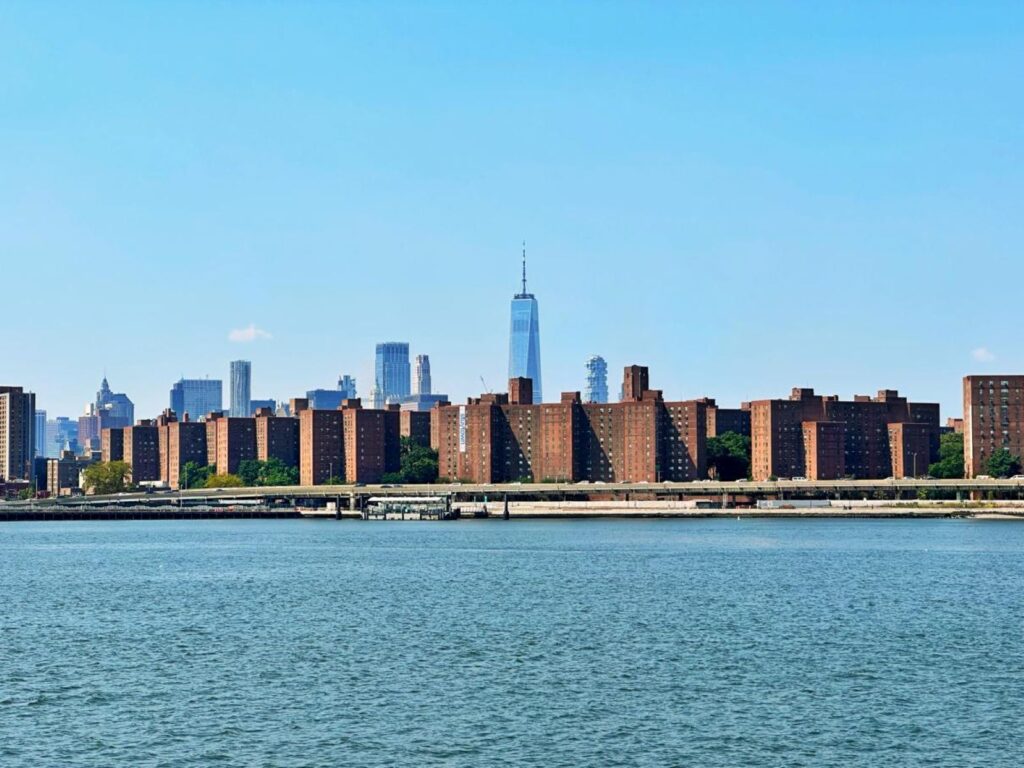
Compared to the subway, the ferry feels slower and more open. There’s natural light, seating, and much less going on around you, which changes how the journey feels almost immediately.
I didn’t realise how much the air quality in New York was affecting me until I was out on the water. The ferry was one of the few times I genuinely felt like I could breathe – fresh air, movement, and a bit of distance from the enclosed intensity of the city. That alone made the journey feel noticeably easier.
Instead of scanning signs or navigating crowds, you can sit, look out, and let the city pass by. On a clear day, the skyline views become part of the journey itself, rather than something you need to plan or seek out separately.
When the NYC Ferry Makes Sense
The ferry isn’t always the fastest option. It can take extra time if you’re far from a ferry landing, and routes include several stops along the way.
For trips between Midtown Manhattan and Brooklyn, the overall travel time can be comparable to the subway once you’re on board. The difference is how the journey feels. Being above ground, with fresh air, open views, and water on both sides, reduces some of the noise and intensity that come with enclosed transport, making the trip feel calmer and more comfortable overall.
Why the Ferry Can Feel Easier Than Driving
Driving in New York requires constant decision-making: navigating traffic, finding directions, securing parking, and timing. The ferry removes most of that.
Once you’re on board, there’s nothing to navigate, no route to optimise, and no need to stay alert to every turn. That reduction in mental load can leave you with more energy for walking, exploring, and actually noticing where you are.
From a sustainability perspective, choosing shared public transport can also ease climate-related anxiety for some travellers, not as a responsibility, but as alignment with a lower-impact way of moving through a dense city.
First-Time Route: Midtown to Brooklyn by Ferry
On our first visit, we used the ferry as part of a mixed-transport day, walking, then taking the ferry, followed by the subway later on.
Staying near East 36th Street, we walked south toward East 34th Street, continuing east toward the river. The walk itself passes familiar landmarks and gradually shifts from busy streets to open waterfront.
Once you reach the East River Esplanade, turning left leads you directly to the East 34th Street ferry landing.
From there, we took the East River Route toward Brooklyn, getting off at DUMBO, near the Brooklyn Bridge. The trip took around 30 minutes and passed under several bridges, including the Brooklyn Bridge itself.
Making the Ferry Part of the Experience
The NYC Ferry isn’t about doing New York the “right” way or trying to keep up with the city’s pace. It’s simply another way to get around, one that happens to be enjoyable as well as practical.
If it fits your plans, it offers fresh air, open views, and a different perspective on the city, alongside a comfortable and affordable way to travel. It supports your wellbeing without feeling separate from the sightseeing itself, and that balance can make a real difference to how your day unfolds.