Festival Wellbeing: How To Avoid Burnout At A Music Festival
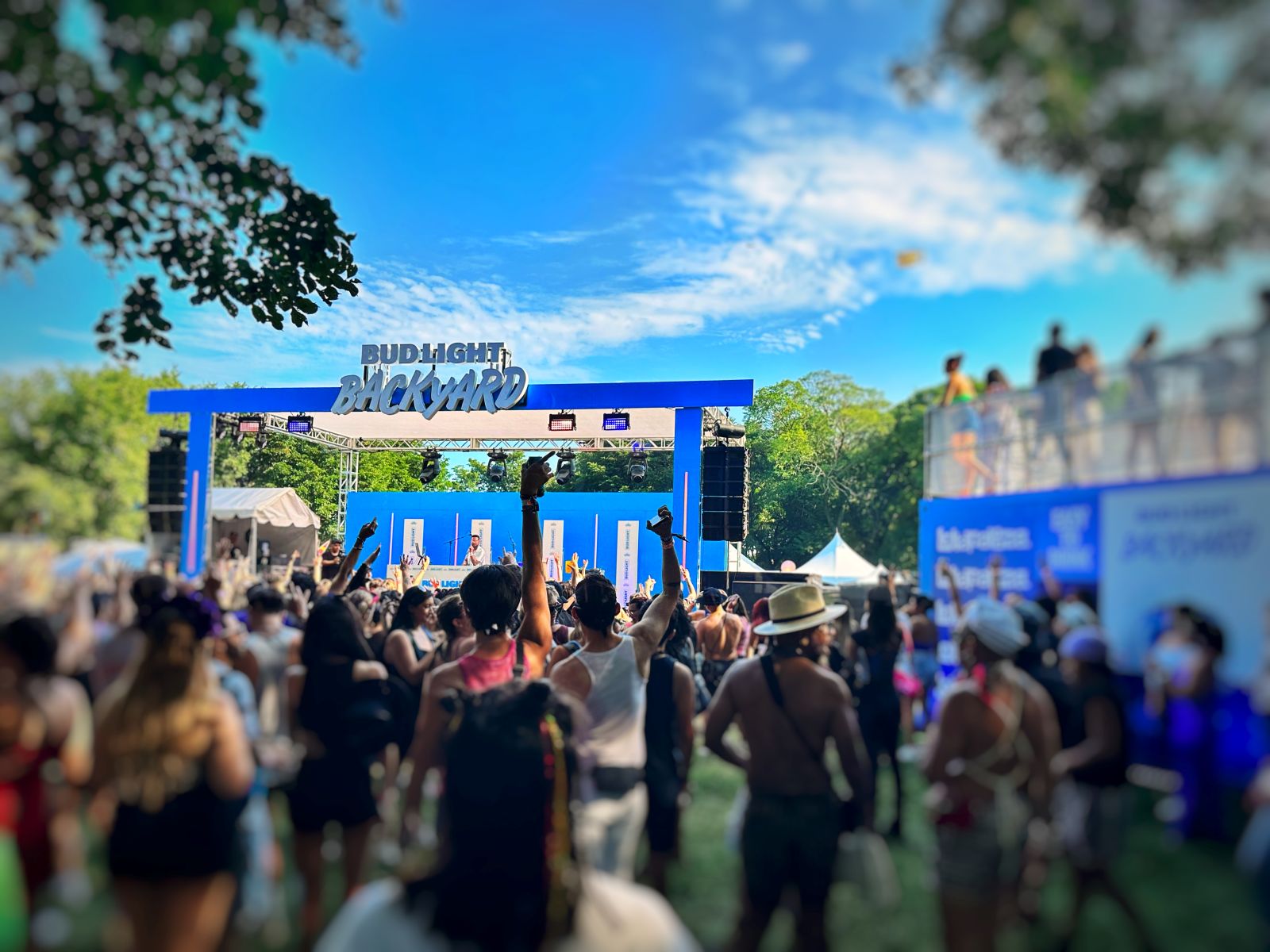
There are very few experiences quite like a music festival. Whether it is singing alongside thousands of strangers during a headline set, stumbling across a new favourite artist on a smaller stage, or laughing with friends while waiting for the next act, festivals create the kind of memories that stay with us long after the wristband comes off.
That is exactly why I love them.
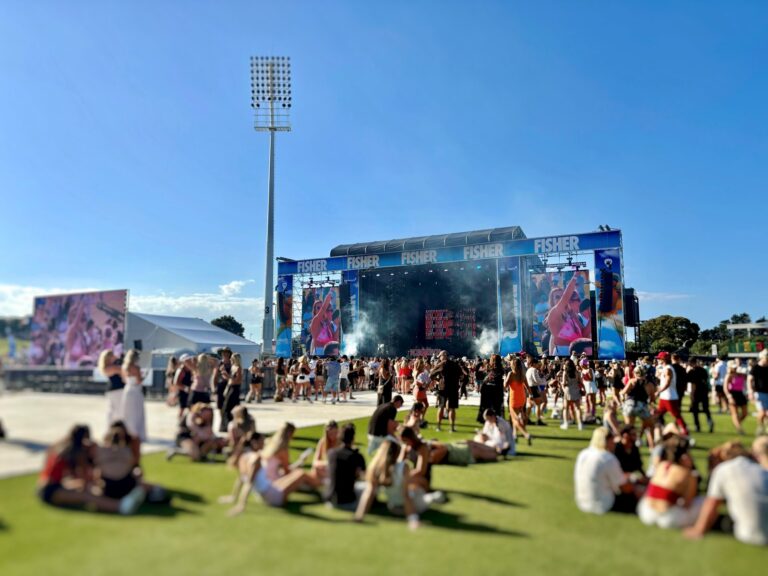
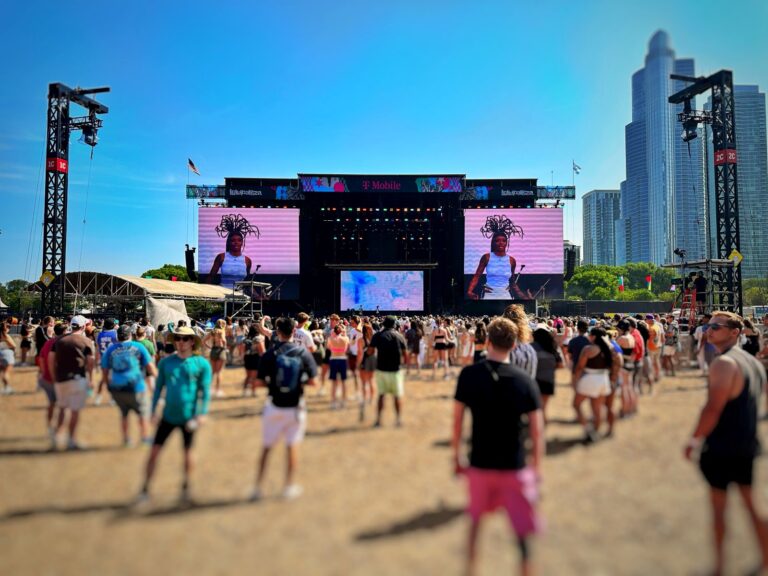
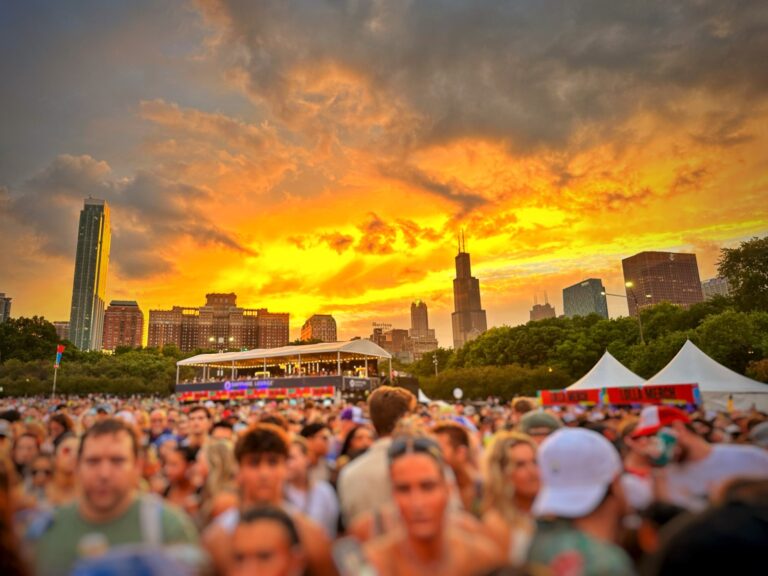
Over the past few years, I’ve been fortunate enough to attend music festivals ranging from one-day events like FISHER to two days at Electric Avenue, four days at Lollapalooza, and more recently Open’er Festival in Poland. Every one of them has reminded me why live music is one of my favourite ways to travel and experience a place.
They’ve also taught me that enjoying a music festival isn’t just about seeing the most artists. Long days, loud music, heat, crowds, disrupted sleep, and constant decision-making are often treated as simply part of the experience. By the final day, it is common to feel tired, overstimulated, or as though you are just trying to make it to the headline act.
But festival wellbeing does not have to be just about surviving the day. Looking after yourself is not about making festivals quieter, drinking less, or turning them into a wellness retreat. It is about protecting your energy so you can stay present for the moments you travelled there for in the first place.
This guide is for people who love festivals as much as I do, but who also want to enjoy them from the opening act to the journey home. Drawing on behavioural science, psychology research, and plenty of festival experience, it shares practical ways to reduce burnout without losing any of the atmosphere that makes live music so special.
This guide covers the complete festival experience, from preparing before the event to recovering afterwards. You can also explore our wider Festival Wellbeing guides for more detailed advice on sleep, financial anxiety, post-festival blues, burnout, and pacing yourself across a multi-day event.
Table of Contents
What Is Festival Burnout?
Festival burnout is the physical, mental and emotional tiredness that can build during or after a music festival.
It does not always arrive as complete exhaustion. More commonly, you notice the experience beginning to change. Your energy drops sooner than expected, the crowd feels harder to navigate, or you realise you are watching an artist you were excited about without really taking it in.
Small decisions may also begin to feel harder. You might become less patient, find socialising more tiring than usual, or feel tempted to skip something you had been looking forward to because you have run out of energy.
Physically, festival burnout can involve headaches, muscle fatigue, disrupted sleep, dehydration, digestive discomfort, or feeling generally run down. Emotionally, you may feel irritable, anxious, detached, or a sudden drop in your mood.
None of this means that you do not enjoy festivals or are somehow bad at them. It is usually a genuine response to long days filled with music, movement, crowds and very little genuine downtime.
Noticing the early signs gives you a chance to pause, reset and protect the parts of the festival you are still excited to experience.
Curious to explore the science behind this?
This blog draws on established behavioural science research and applies these principles to travel contexts. Sources are linked in our Evidence & Further Reading section.
Why Music Festivals Feel So Exhausting
Festivals ask a lot from us, even when we are having an amazing time. Noise, crowds, heat, unfamiliar surroundings, and disrupted routines all compete for our attention throughout the day.
Your brain is also processing far more information than it would during an ordinary afternoon. You are following set times, finding stages, locating friends, checking transport, and continually adjusting your plans. Even small, enjoyable decisions can become tiring when you are making them for ten or twelve hours.
Then there is the physical demand. A festival day often involves long periods of standing, walking and dancing, sometimes in hot, wet, or uncomfortable conditions. Poor sleep, alcohol and irregular meals can make that effort feel harder as the event continues.
Feeling depleted in this environment is not a sign that you are doing the festival badly. It is understandable after such a physically and mentally demanding day. Understanding that can make it easier to respond to tiredness rather than automatically pushing past it.
How To Prepare Before A Music Festival
Most festival advice focuses on packing lists and logistics. Those things matter, but preparation also gives you more freedom once you arrive. The fewer basic problems you need to solve during the day, the more attention you can give to the music and the people you are with.
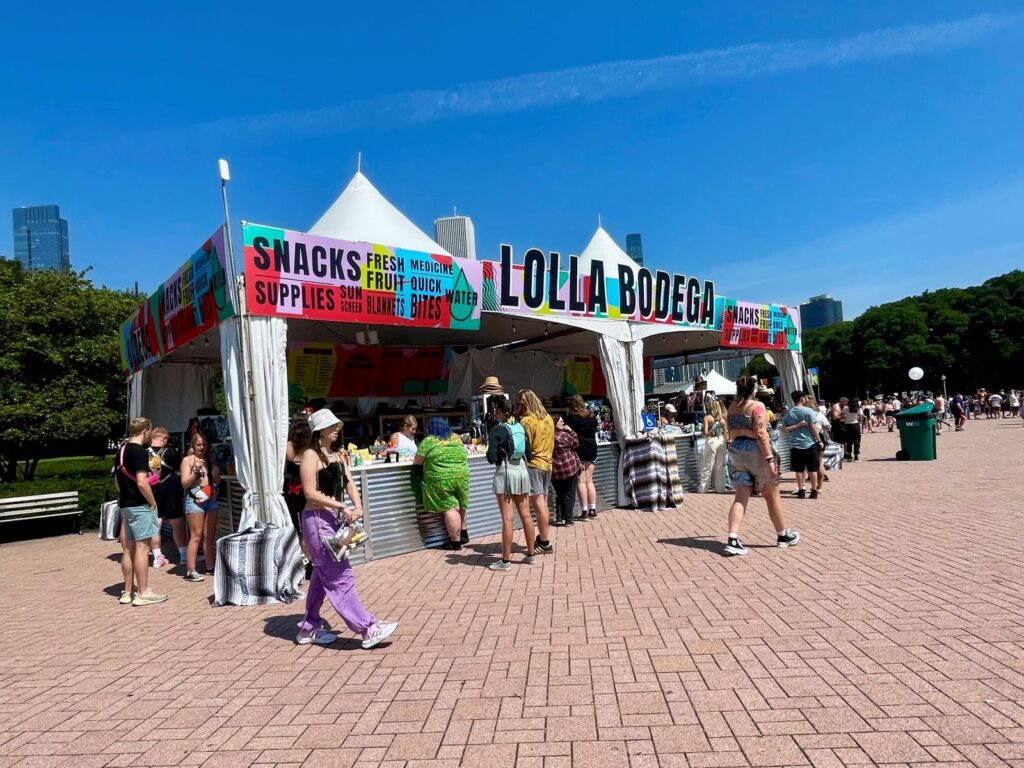
Knowing where the water refill points are means you do not have to search for them when you are already thirsty. Thinking loosely about your budget makes spontaneous purchases easier to judge, and having some idea of when you will eat can prevent hunger from becoming the thing that dictates the afternoon.
Read the festival FAQs before you arrive. Check what food, drink, bags, medication, and reusable bottles you are allowed to bring. Look at the transport plan, entrance rules, and likely walking distances between stages.
Weather preparation matters too. Comfortable footwear, sun protection, waterproof layers, and clothing that works across changing temperatures can prevent small discomforts from becoming a major part of your day.
It can also help to decide which acts matter most before you enter the festival. Rather than trying to optimise every hour, choose a small number of artists or moments that you would genuinely be disappointed to miss.
Planning ahead may sound slightly less exciting than choosing outfits or studying the line-up. It is not about controlling every part of the day, but it does help clear away some of the background decisions so you have more energy for the music, the atmosphere, and the spontaneous moments you cannot plan.
For a more practical breakdown of what to bring, see our Festival Wellbeing Packing List, organised around the problems each item can help prevent, from poor sleep and low energy to weather discomfort and overstimulation.
How To Pace Yourself During A Multi-Day Festival
It’s easy to arrive at a festival determined to make the most of every minute. You may want to see as many artists as possible, stay until the final song, and avoid wasting any part of an event you have waited months to attend.
I have approached festivals like that before, and it nearly always catches up with me.
A more useful approach is to identify the moments that matter most and plan your energy around them. Choose one or two anchor acts each day, then allow the rest of the schedule to remain flexible. This makes it easier to skip a lower-priority set without feeling as though the whole day has gone off track.
Breaks also work better when they are taken before you are completely exhausted. Sitting down during a quieter part of the afternoon, eating somewhere away from the busiest walkways, or staying at one stage for several acts can reduce the amount of unnecessary movement across the site.
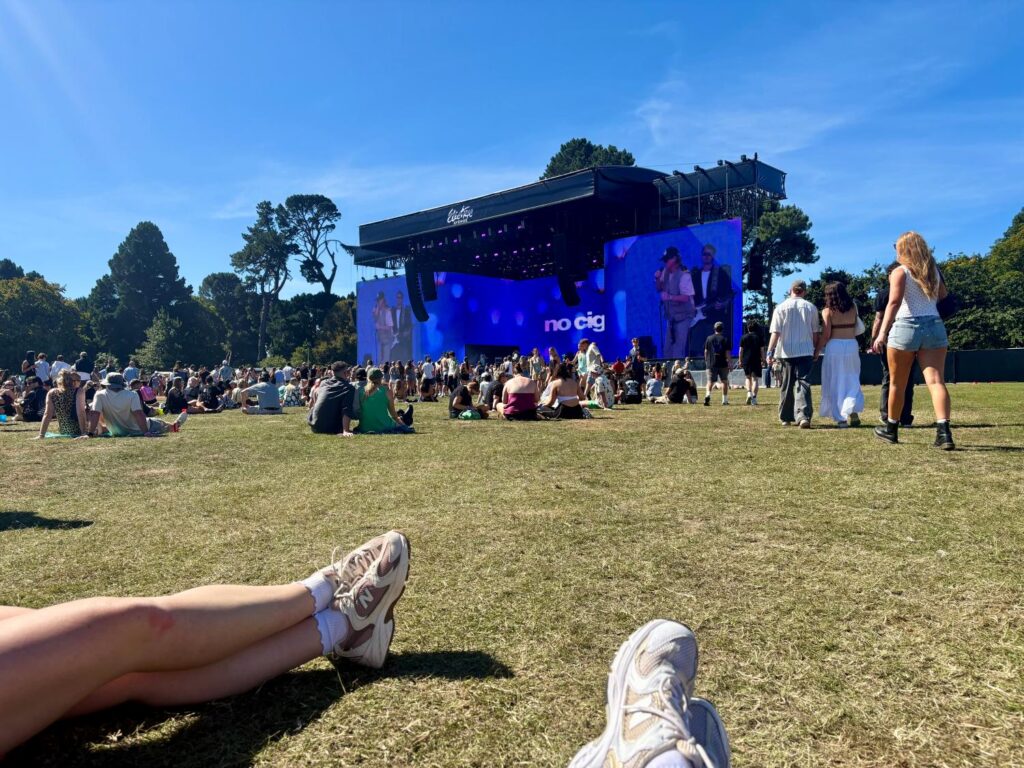
I have found that twenty minutes sitting on the grass with some food can become a genuinely enjoyable part of the festival. It creates time to people-watch, talk properly with friends, and regain enough energy to be fully involved in the headline set later.
Pacing yourself is not about making the day smaller, but about making sure your favourite moments still feel exciting when they arrive.
For more detailed pacing advice, you may be interested in our How To Survive A Two-Day Music Festival guide.
Food And Hydration At Festivals
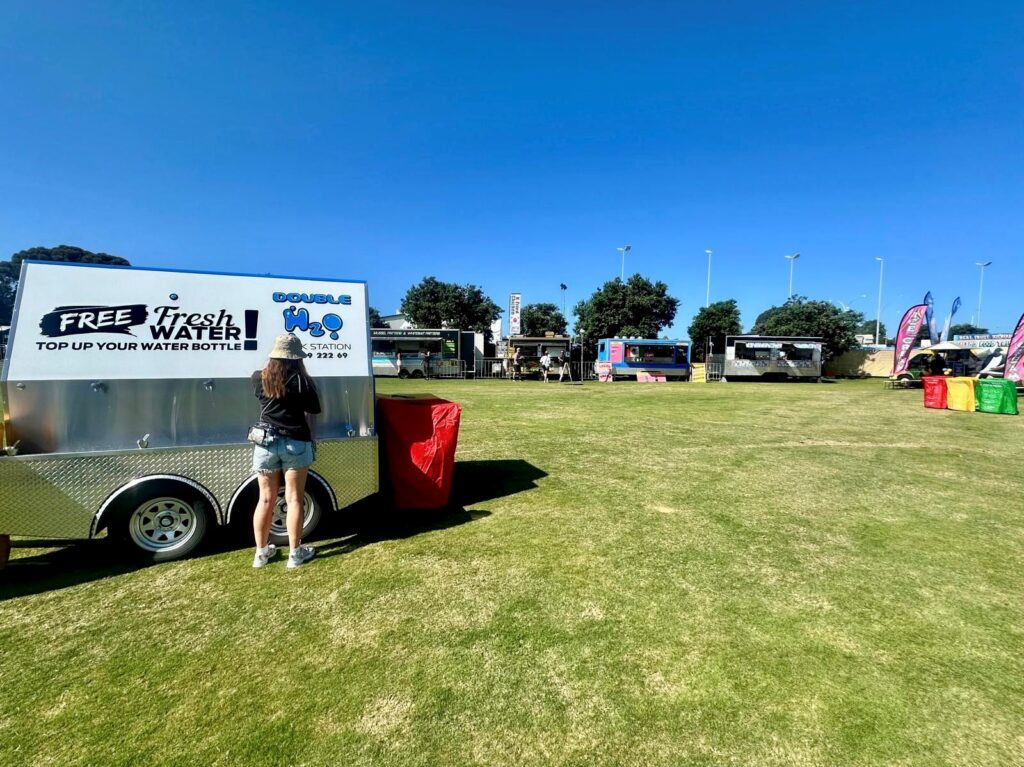
Food and water have a bigger influence on a festival day than they sometimes get credit for. Staying hydrated and eating regularly can support your mood, attention and physical energy, particularly when you are walking, dancing, and spending hours outdoors.
Dehydration can contribute to headaches, tiredness, irritability, and difficulty concentrating. Going too long without eating can also make queues, crowds, and small decisions feel more frustrating than they otherwise would.
Festival food does not need to become another thing to optimise, but it is important to give yourself enough fuel to keep enjoying the day. Queues and convenience will inevitably shape what you eat. However, waiting until late afternoon to realise you have eaten almost nothing can make the rest of the festival much harder than it needs to be.
Drink water regularly rather than waiting until you feel extremely thirsty. Most major festivals have refill stations, so I usually find it relatively easy to keep a water bottle topped up throughout the day. If you are drinking alcohol, alternating each drink with water can help you pace yourself and reduce the effects of dehydration.
Where possible, choose food containing a mix of carbohydrates, protein, and fat. A substantial meal before entering the festival can also mean you are less dependent on expensive or limited food options later. It doesn’t need to be complicated: eggs and avocado on toast, meat with vegetables and rice, or granola with Greek yoghurt and fruit can all give you a stronger start to the day.
Keeping a small snack with you, where festival rules allow, can make a noticeable difference during long queues, delayed transport, or back-to-back sets. I usually have a granola bar with me for those times.
For more detailed advice on maintaining your energy throughout a long festival day, read our guide to How To Stay Energised At A Music Festival Without Burning Out Or Crashing.
Managing Crowds, Noise, And Festival Overstimulation
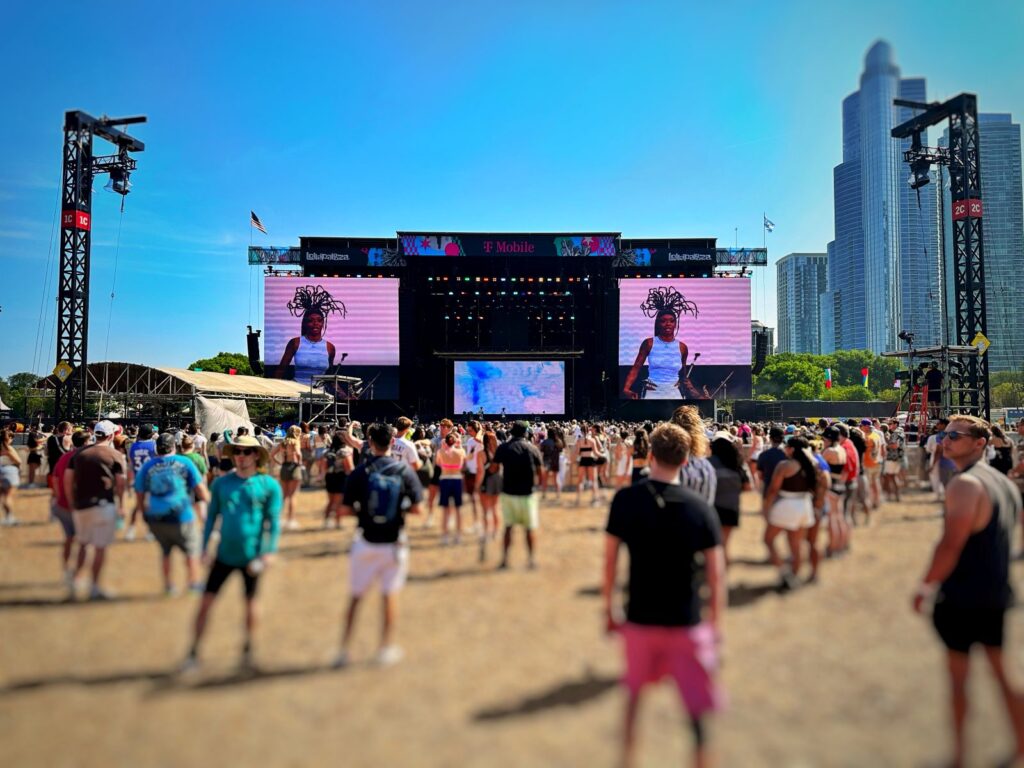
Crowds and noise are a huge part of what gives festivals their atmosphere. The same energy that feels exciting during one set, however, can begin to feel overwhelming after several hours.
Festival overstimulation may show up as irritability, restlessness, difficulty concentrating, a strong urge to leave the crowd, or feeling more emotional than usual. You may also become less tolerant of people bumping into you, talking loudly nearby, or blocking your path.
This doesn’t mean that anything is wrong or that you have suddenly stopped enjoying the festival. It may be a sign that you have taken in enough noise, movement, and social energy for the moment and would benefit from a short reset.
Look for lower-stimulation spaces before you urgently need them. This might be the edge of a crowd, a seated food area, a smaller stage, a shaded space, or somewhere away from speakers and main walkways.
Earplugs designed for live music can reduce the intensity without taking away the atmosphere. They may also help protect your hearing, particularly if you are standing near speakers or attending several events in one season. I have started taking them to festivals recently and now consider them one of the most useful things in my bag.
It can also help to reduce how many things are competing for your attention. Put your phone away for part of a set, stop trying to record every song, and give yourself permission to stay at one stage rather than moving constantly.
I still take videos at festivals because I genuinely enjoy watching them afterwards. I just try not to experience the entire set through my screen. Some songs are worth recording, while others are better enjoyed by dancing, singing, and being completely present.
The aim is not to avoid stimulation. It is to create occasional moments when your attention can settle before you throw yourself back into the atmosphere.
Alcohol, Social Pressure, And Personal Boundaries
Festivals can make group habits feel more powerful. Drinking may become the default way to match the energy around you, relax in a crowd, or feel part of the group.
The pressure is not always direct. It can come from wanting to keep pace with friends, not wanting to stand out, or worrying that slowing down means missing part of the experience.
Psychologically, this is not simply a question of willpower. We naturally respond to the behaviour of the people around us and want to feel included. Festival wellbeing is not about telling people they should abstain. It is about noticing whether you are making choices because they suit you or because everyone else is doing the same thing.
That might mean alternating alcoholic drinks with water, setting a loose personal limit, or deciding in advance what kind of night you want to have. Making those decisions earlier can make them easier to maintain once the music, noise, and group energy begin to build.
Sharing your plan with the people in your group may also help. A simple explanation such as wanting enough energy for the final day can reduce the need to make repeated decisions or justify yourself later.
Personal boundaries can apply to much more than alcohol. They might mean leaving a crowded set, spending part of the day on your own, skipping an after-party, or returning to your accommodation earlier than the rest of the group.
Choosing what works for your energy does not make you less fun. It usually means you have more enthusiasm left for the parts of the festival you genuinely care about.
Protecting Your Mental Health At A Festival
Festivals can bring a strong sense of joy and connection, but that does not mean every moment will feel easy. Anxiety, loneliness, social comparison, and emotional overload can still appear during an event you were genuinely excited to attend.
Some people feel uneasy in dense crowds or worry about becoming separated from friends. Others feel pressure to look as though they are having the best possible time, particularly when so many people around them are filming and posting.
Differences within a group can also create tension. One person may want to stay near the front, while someone else would prefer more space or wants to see a different artist. Agreeing in advance that you do not all need to follow the same schedule can remove much of that pressure.
Choose a meeting point before entering the festival in case phone reception is unreliable or your group becomes separated. It can also help to discuss whether people are comfortable spending parts of the day by themselves rather than assuming everyone must stay together.
Give yourself permission to enjoy the event in your own way. You do not need to match someone else’s drinking, dancing, schedule, or level of sociability. Most people around you are focused on their own experience rather than judging yours.
If you begin to feel overwhelmed, move somewhere quieter and give yourself enough space to decide what you need. That may mean returning after a short pause, spending some time alone, or leaving earlier than planned. Missing one part of the festival does not erase everything you have already enjoyed
Money, Decision Fatigue, And Feeling At Ease At Festivals
Budgeting may not be the most exciting part of festival planning, but knowing what you are comfortable spending can make the day feel much more relaxed.
Food, transport, merchandise, drinks, and last-minute purchases can add up quickly. When every decision becomes a question of whether you can afford it, some of the spontaneity can begin to disappear, particularly once you are already tired.
Read festival rules in advance and check what you can bring. A reusable water bottle, permitted snacks, a portable charger, or suitable clothing can reduce unnecessary spending once you are inside.
Deciding roughly what you are comfortable spending before you arrive also lowers decision pressure. You do not need to calculate every purchase precisely, but having a loose daily amount makes it easier to know what fits within your plans.
If festival spending tends to make you anxious, see our Festival Financial Anxiety guide for more detailed support.
Festival wellbeing is not only about physical energy. It also includes feeling comfortable and confident about the choices you are making throughout the day.
Sleep And Recovery During A Festival
Sleep has a major influence on how the next festival day feels. Late nights, unfamiliar accommodation, noise, alcohol, heat, and early mornings can all make proper rest difficult.
You may not get your usual amount of sleep, but even a small improvement can make the following day feel easier and leave you with more energy for the artists you most want to see.
This does not require perfect sleeping conditions. It might mean leaving slightly earlier one night, creating a simple wind-down routine, or accepting a slower morning rather than trying to fit in extra sightseeing or social plans.
If you are camping, eye masks, earplugs, warm layers, and a sleeping mat can make the environment more manageable. If sleeping in a tent consistently leaves you drained, it may be worth weighing the wellbeing benefits of a hotel, hostel, or upgraded camping option rather than considering cost alone.
I do not mind camping, but when a hotel is an option during a festival, I will always choose it. Getting enough sleep makes such a difference to how much I enjoy the following day that it has become one of my personal priorities.
If a tent is non-negotiable, a small routine can still help. Changing into comfortable clothes, drinking water, brushing your teeth, and spending a few minutes away from bright screens can give your body a clearer signal that the day is ending.
If sleep is usually the hardest part of festivals for you, you may like our How To Sleep At A Music Festival guide and our general guide to Sleeping Well While Travelling.
Supporting Your Immune System During A Festival
Festivals bring thousands of people together, which is part of what makes them so much fun. It also means spending long periods in close contact, using shared facilities, and asking more of your body than usual.
Disrupted sleep, physical fatigue, and busy festival environments can leave you feeling run down. The aim is not to become overly cautious, but to support your body while you are dancing, walking, and socialising for longer than you normally would.
Stay hydrated, eat regular meals, prioritise whatever sleep is realistically available, wash or sanitise your hands before eating, avoid sharing drinks or lip products, and give yourself time to rest if you begin to feel unwell.
None of these habits can guarantee that you will avoid getting sick. They can, however, reduce some of the unnecessary strain and give you a better chance of feeling well throughout the event.
For more practical food ideas, you may also like Immune Boosting Foods To Stay Healthy On The Road.
How To Recover Between Festival Days
Recovery between festival days does not need to involve a perfect routine. What you may need most is a proper break before doing it all again.
A shower, clean clothes, and some time away from music and crowds can help the day feel complete. Try to avoid filling the entire evening and following morning with additional plans, particularly if the festival is already taking up most of your physical and social energy.
It can be tempting to treat every hour outside the festival as another part of the trip. Sightseeing, long brunches, after-parties, and early starts may all sound appealing, but together they can leave very little breathing room.
A slower morning may add more to the next festival day than squeezing in another attraction. Gentle movement can help if your body feels stiff, but recovery does not need to become another task on the itinerary. Sitting outside, having an unhurried breakfast, or spending some time at your accommodation may be enough.
When we attended Lollapalooza in Chicago, we kept our mornings deliberately quiet. Some days we went for a casual wander, while on others we stayed at the hotel until it was time to return to the festival. We also booked two extra nights afterwards so that we could explore Chicago once the event had finished.
If your budget and schedule allow, separating festival days from sightseeing can help both parts of the trip feel more enjoyable.
If you prefer a little structure in the morning, our 10-Minute Morning Routine For Travel offers a simple way to ease into the day without turning recovery into another task.
What To Do After The Festival
The end of a festival can feel surprisingly emotional. After months of anticipation, live music, movement, and shared excitement, returning to ordinary routines may feel quieter and flatter than expected. This is sometimes described as post-festival blues.
You may feel low, restless, unmotivated, or disconnected even when the festival itself was everything you hoped it would be. Poor sleep, alcohol, physical tiredness, and the sudden end of an intense shared experience can all contribute.
Try not to schedule too much immediately after the event if you have a choice. Allow time for sleep, regular meals, hydration, and a return to ordinary routines.
Try not to read too much into feeling a little flat afterwards. After several full and memorable days, you may simply need time to rest, settle back into normal life, and feel like yourself again.
If the feeling continues or becomes difficult to manage, seek appropriate professional support. For a more detailed explanation, see our Post-Festival Blues post.
Festival Wellbeing Checklist
Before The Festival
- Check the weather, site map, transport, and entry rules.
- Choose your priority acts and set a rough budget.
- Pack comfortable shoes, weather layers, earplugs, and sun protection.
- Agree on a meeting point with your group.
During The Festival
- Drink water and eat regularly.
- Take breaks before you feel exhausted.
- Step away from crowds when stimulation builds.
- Protect your hearing and stick to your own limits around alcohol and late nights.
Between Festival Days
- Replace fluids and eat a proper meal.
- Spend some time away from noise and screens.
- Prioritise sleep and keep the following morning slow.
After The Festival
- Allow time for physical and emotional recovery.
- Return to regular meals and sleep.
- Avoid overloading your first day home.
- Take some time to reflect on the parts of the festival you enjoyed most.
Festival Wellbeing FAQs
How Do You Avoid Burnout At A Festival?
Choose a small number of priority acts and allow the rest of the day to remain flexible. Avoid filling every gap in the schedule, and take a break when the day begins to feel more demanding than enjoyable.
How Do You Keep Your Energy Up At A Music Festival?
Start the day with a substantial meal, stay hydrated, and wear footwear that remains comfortable after several hours. Short seated breaks can also help you preserve energy for the artists you care about most.
How Do You Cope With Festival Crowds?
Stay near the edge rather than the centre of the crowd, identify quieter areas when you arrive, and agree on a meeting point with friends. Earplugs and stepping away briefly can help when the intensity begins to feel overwhelming.
How Much Sleep Do You Need During A Festival?
There is no single amount that works for everyone, but getting more sleep will generally make the following day easier. When a full night is unrealistic, leaving slightly earlier or keeping the next morning quiet can still make a noticeable difference.
Why Do I Feel Low After A Music Festival?
A low mood after a festival may be influenced by physical tiredness, disrupted routines, and the sudden end of an experience you had anticipated for months. It often eases as you sleep, eat normally, and settle back into everyday life.
What A Great Festival Can Actually Feel Like
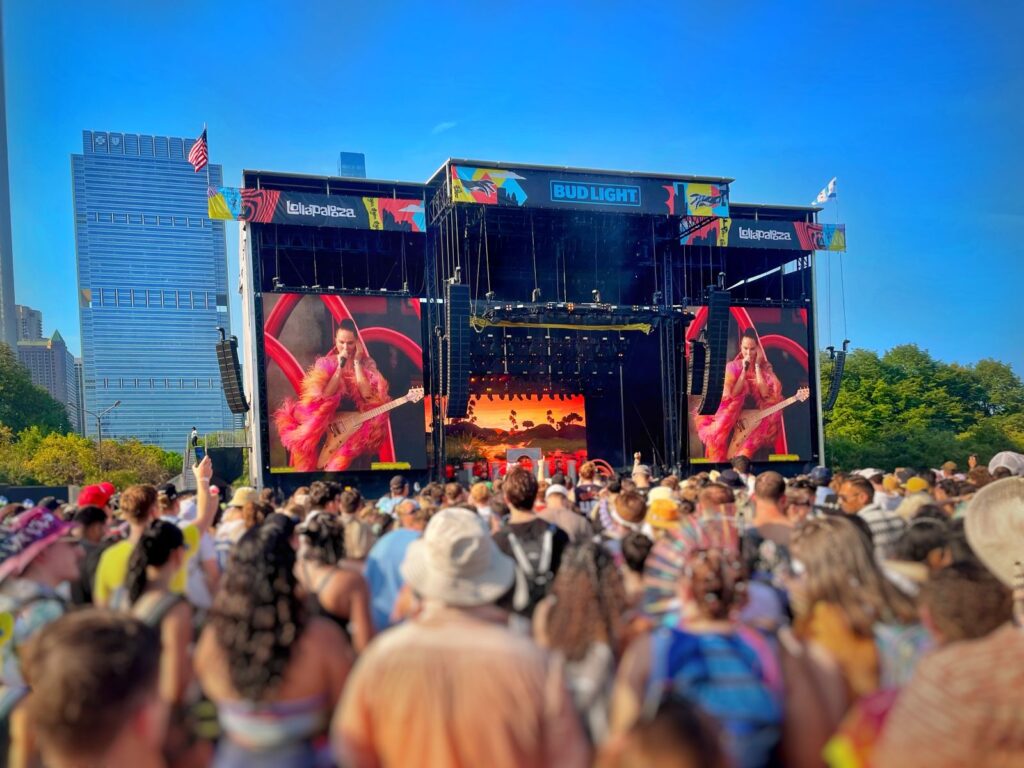
The festivals I remember most are not the ones where I managed to see every act or stayed out the latest.
They are the ones where I laughed with friends between sets, discovered an artist I hadn’t planned to watch, sang every word with complete strangers, and came home already wondering which festival to book next.
Looking after your festival wellbeing is not about making festivals less fun. It is about giving yourself the best chance to experience everything that makes live music so extraordinary.
If that means sitting in the shade for twenty minutes, leaving one set early, wearing earplugs, or choosing a proper meal over another queue for drinks, I’d argue that’s not missing out at all. It’s what helps make the event memorable.
Of all the lessons I have taken from festivals, that is the one I keep coming back to. The goal is not simply to make it to the final set. It is to come away feeling that you were truly present for the moments that mattered most.
For more practical, psychology-informed advice on travelling well, explore the latest guides and destinations on Nomadic Balance.
This article is for general informational purposes only and is not intended to replace personalised medical, psychological, or professional advice.