Reading On Holiday: The Benefits For Slow Travel
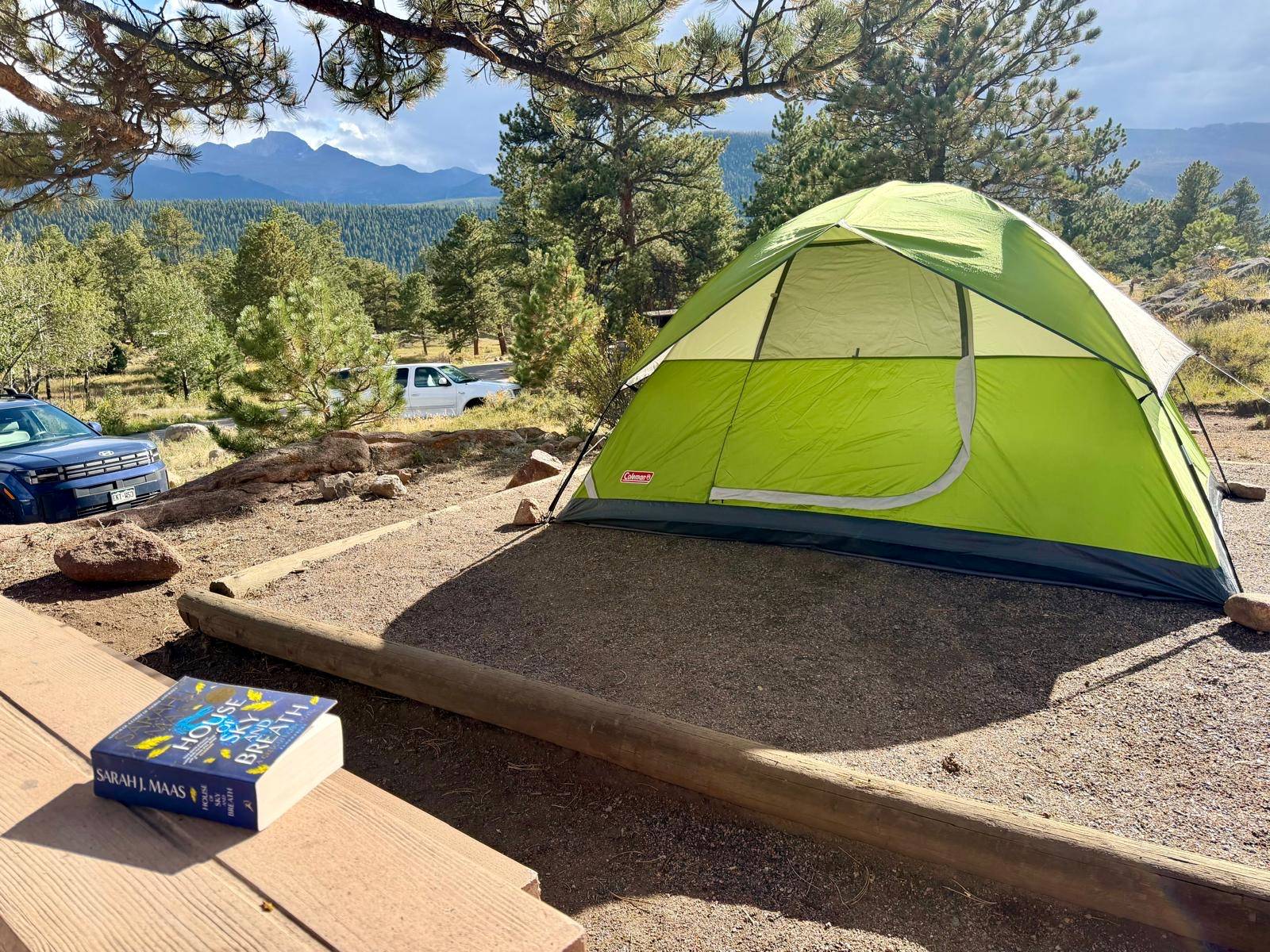
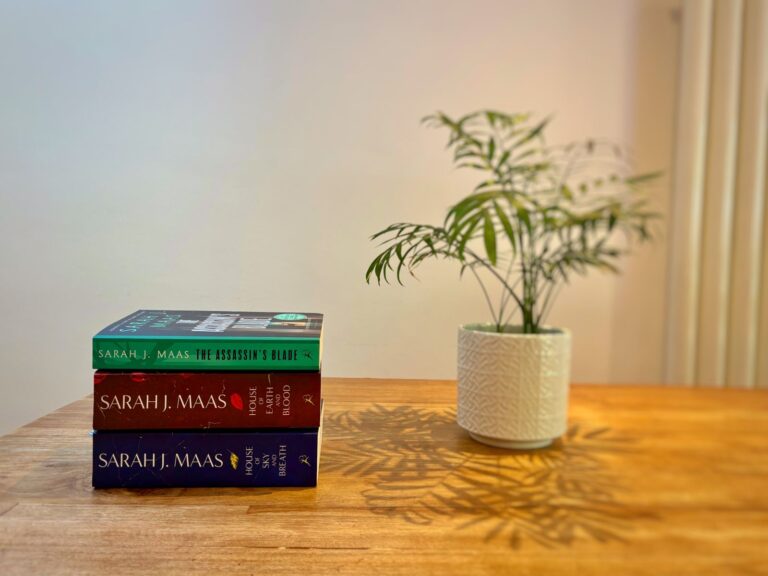
On my most recent trips, I have spent quite a few of the quieter moments lost, in a good way, in the Maasverse. I have read while winding down in the evening, sitting in London parks, and taking a break at my accommodation after a day of exploring.
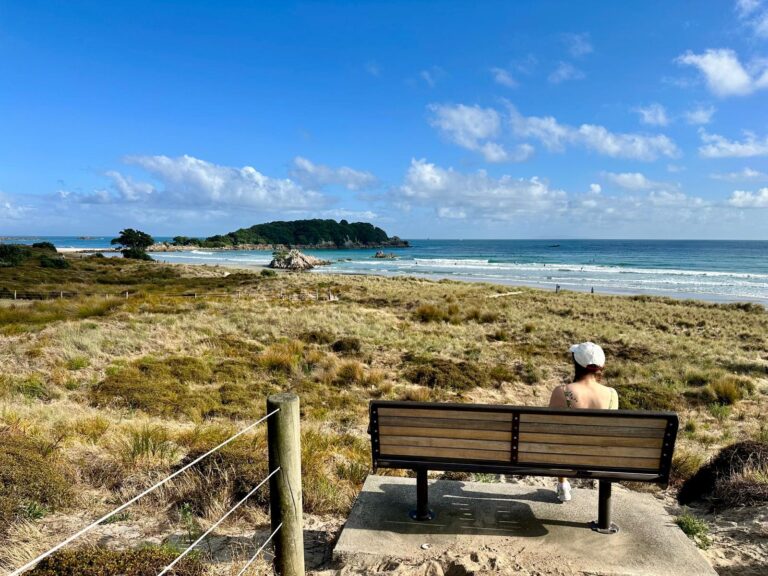
Reading on holiday has made me appreciate how naturally books and slow travel fit together. A book can make staying still feel enjoyable, help draw a line between work and time away, and offer something more satisfying than picking up your phone whenever nothing is happening.
This doesn’t mean you need to spend an entire trip with your head in a book unless that is genuinely the holiday you want. Reading can complement exploring, eating, walking, talking, and watching a new place go by. For me, it has made the unplanned, slower parts of travelling feel more like part of the trip and less like time that needs to be filled.
Table of Contents
Why Reading Is Good For Slow Travel
Slow travel is often associated with longer stays, fewer destinations, and less time spent moving between places.
You can stay in one city for a week and still rush from breakfast to a museum, across town for lunch, and on to three more things before dinner. Equally, a shorter trip can contain slower periods if you leave enough room to sit, notice where you are, and follow your energy, rather than trying to use every hour efficiently.
Reading fits naturally into this kind of travel because it does not require another booking or journey. A book can be opened almost anywhere and it gives you something absorbing to do without having to spend time and energy searching for another attraction.
That can make it easier to spend an afternoon in one neighbourhood or return to the same café twice. You can read for a while, enjoy where you are, and carry on exploring when you feel ready.
If you enjoy reading fiction, our companion guide on reading fantasy books on holiday looks more closely at why fantasy and romantasy can be particularly good at helping you slow down. The wider idea, though, applies to any book you genuinely want to open.
Six Benefits Of Reading On Holiday

The benefits of reading on holiday depend on the reader, the book, and the kind of trip. However, bringing a book can support a slower pace in several practical ways:
- It makes slowing down feel like an enjoyable part of the trip.
- It can help take your mind off work and everyday responsibilities.
- It offers an alternative to automatic scrolling.
- It makes waiting, resting, and quiet afternoons feel less like wasted time.
- It can become connected to memories of a particular destination.
- It gives travel companions something they can enjoy quietly together.
Forget reading targets and the idea that there is a “right” kind of holiday book. Choose something you will be happy to pick up when the trip slows down.
How To Read On Holiday Without Setting Goals
Packing a book does not mean you will open it. I have taken books on plenty of holidays only to bring them home unread. What makes the biggest difference for me is choosing something I am genuinely excited to read, rather than a book that seems impressive or appropriate for the destination.
A holiday book is allowed to be pure entertainment. If you are not enjoying it, put it aside and choose something else. Finishing a book should never become more important than enjoying your holiday.
It also helps to leave some space in your itinerary. Fewer accommodation changes, one main plan for the day, and occasional unbooked periods give you opportunities to read over coffee, on a train, or before bed. How much you read will naturally depend on the trip. A festival weekend may leave little time, while a week by the coast might include several quiet afternoons.
Some days you might read for hours, while on others the book will stay in your bag. If you are travelling with someone, let them know you would enjoy a little reading time so they can plan to do their own thing as well. The broader idea behind mindful travel is to make room for what you genuinely enjoy without treating every hour of the holiday as something that needs to be productive.
How Reading On Holiday Can Help You Switch Off From Work
Closing a laptop doesn’t always end the working day in your head. The first part of a holiday may still be full of half-finished thoughts, a list of tasks, and the reflex to check messages. Travel itself adds more decisions, especially while you are navigating airports, finding accommodation, or working out a new transport system.
Reading can help because it gives you something else to think about. Once I am caught up in a story, I am less likely to run through work tasks in my head or keep checking my messages.
Researchers use the term psychological detachment to describe mentally disengaging from work during your time off. Reading is one activity that helps me create that separation, although the same approach may not work for everyone.
Reading a chapter after checking in or before bed on the first night can also help separate the journey from the start of the holiday. I do not always feel relaxed as soon as I arrive, but settling down with a book gives me time to switch off properly.
The right book will be different for everyone. I used to take self-help books on holiday, but now I know I am much more likely to read fiction. Someone else might prefer a book about the destination. Choose whatever is most likely to take your mind away from home and work.
Curious to explore the science behind this?
This blog draws on established behavioural science research and applies these principles to travel contexts. Sources are linked in our Evidence & Further Reading section.
Reading As An Alternative To Scrolling While Travelling

Travel involves a lot of phone use for good reasons. Maps, tickets, translations, restaurant hours, photographs, and messages may all be on the same device. The problem is that checking one useful thing can lead straight into news, social media, or work before you have consciously decided how to spend the next twenty minutes.
Reading gives you one clear thing to focus on. A book moves forward instead of constantly refreshing with new content. Even if your attention drifts, you can easily return to where you left off. This can feel calmer than getting lost in reels or other people’s updates, especially after a day of seeing new places and making many decisions.
The most useful comparison is personal. Think about how you usually feel after half an hour with a book and after half an hour of unplanned scrolling. If one leaves you more settled and the other leaves you restless, you have useful information about what to reach for during the next unplanned part of the trip. Personally, I usually feel more settled after reading than after scrolling.
For a gentler approach to changing phone habits, the guide to reducing screen time while travelling focuses on realistic alternatives rather than a strict digital detox.
How Reading Makes Travel Downtime More Enjoyable
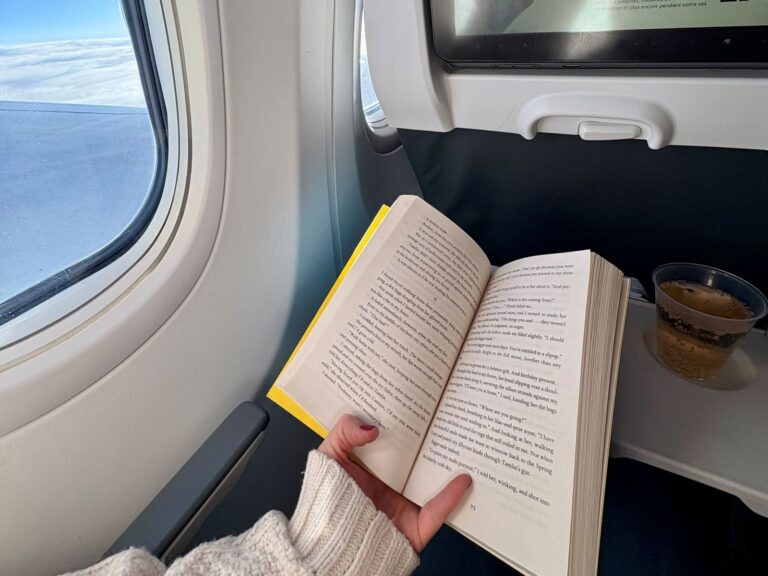
Books are particularly useful during the parts of travel that are not particularly exciting or convenient, such as early arrivals before check-in, long stretches on trains, ferry terminals, delayed flights, and afternoons when tiredness catches up with you.
Quiet periods can sometimes feel like time you need to fill, so you add another activity or reach for your phone. Having a book with you can make waiting for a train or resting at your accommodation feel like an enjoyable part of the trip instead.
This can be especially helpful on a longer trip. Not every day needs to produce a story worth telling later. A morning of exploring followed by a quiet afternoon may be the pace that allows you to enjoy the following day as well.
Reading also gives travel companions an easy way to spend time together without talking or agreeing on an activity. Two people can read different books in the same space, then put them down when they are ready to go out. That kind of comfortable, undemanding time can be one of the great things about travelling with someone you know well, particularly if either of you needs a little quiet time between activities.
How Reading Can Become Part Of A Travel Memory
Books often become linked to the places where you read them. Seeing the cover later might remind you of a particular park, train journey, hotel balcony, or coffee you ordered every morning.
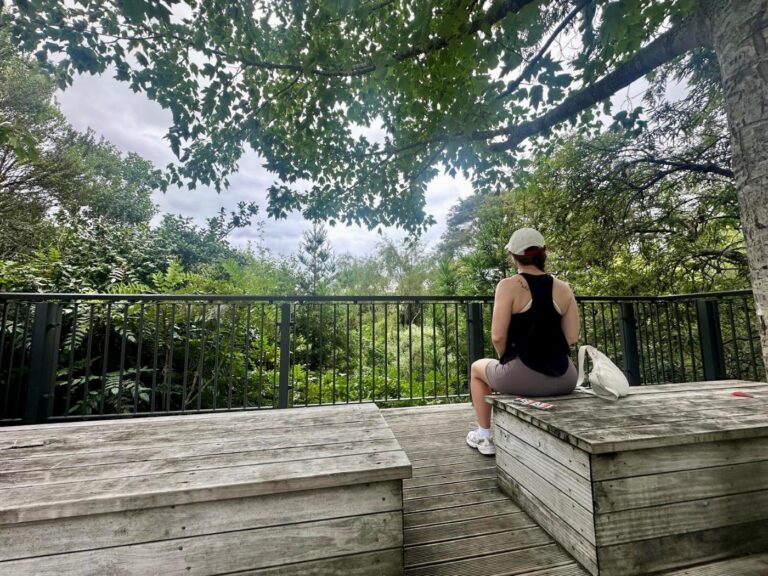
This summer, I read much of the Crescent City series while sunbathing in London parks or winding down at my accommodation. The series is now tied to my memories of that trip, particularly the relaxed afternoons when I enjoyed being in London without feeling that I had to be sightseeing all the time.
You do not have to choose between reading and experiencing the destination. You can read for a while, then put the book down when the view, conversation, or next plan catches your attention.
If you want to learn more about the destination, you could choose a novel set there, a book by a local writer, a memoir, or an accessible history. Reading it before you leave can get you excited about the trip, while reading it there may help you understand some of the places you visit.
The book already at the top of your list may be a better travel companion. If you are interested in local writing, you could browse a bookshop after you arrive and pick up a novel, memoir, or history that catches your attention. This keeps the choice enjoyable rather than making it another piece of holiday planning.
Can Reading On Holiday Become Avoidance?
Getting lost in a book for a few hours is not necessarily avoidance. Sometimes you are tired, need a break, or would honestly rather read than go out again.
It may be worth checking in with yourself if you keep reading to put off an important conversation, stay awake much later than you intended, or cancel plans you were looking forward to. The same applies if the book is no longer making you feel better but is only helping you avoid something that needs your attention.
You do not have to analyse the choice every time you open your book. I would only pay attention if it stops feeling like a choice. If you can put the book down when you need to and return to it because you want to, it is probably still adding something positive to the trip.
The Best Format For Reading While Travelling
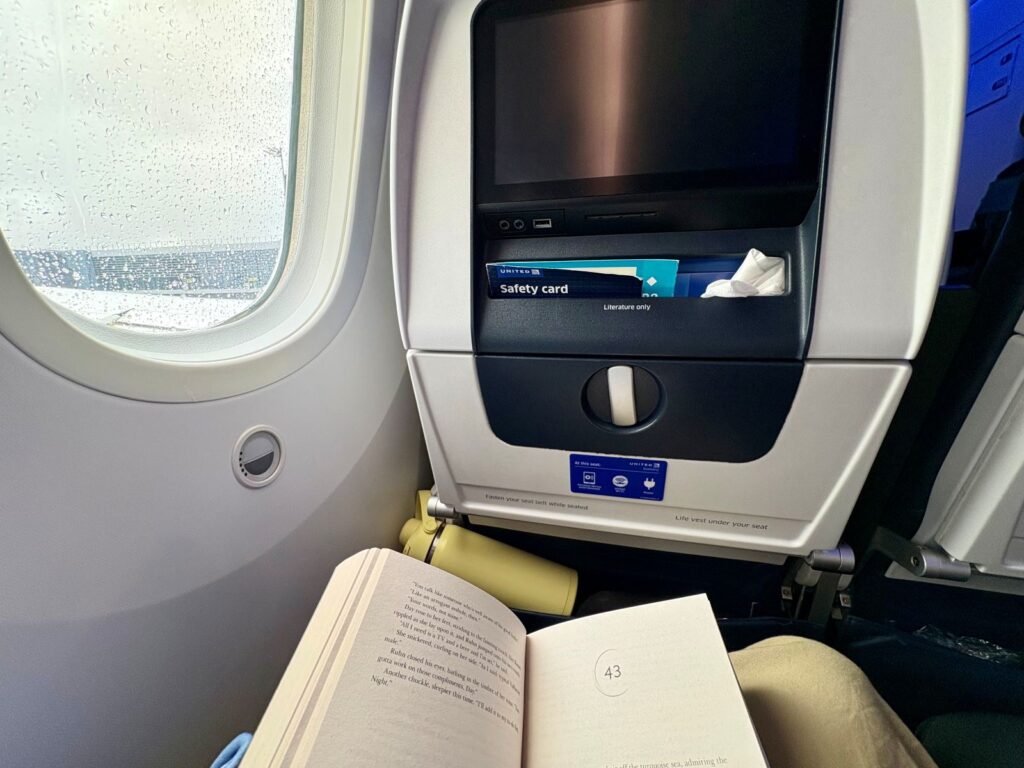
There is no single best way to read while travelling. A paperback, e-reader, audiobook, or phone can all work, depending on how much space you have and where you expect to read.
A physical book can be a good choice if part of the appeal is spending less time looking at a screen. It doesn’t need charging, and it’s easy to pick up beside the pool, in a park, or before bed. The obvious drawback is the space it takes up, particularly if you are likely to finish it during the trip. Physical books are still my favourite way to read.
An e-reader is more practical when you are travelling for longer or want several books available. Downloading them before you leave means you will not need to find reliable Wi-Fi when you are ready to start something new. An e-reader creates more separation from scrolling than reading on a phone because there are fewer opportunities to move into messages or social media.
Audiobooks work well during train journeys, long drives, or walks where sitting down with a book is not possible. They can also be useful at the end of a busy day when you want to continue a story without concentrating on a page. I also prefer them when travelling by car or bus because I get travel sickness and cannot read while moving.
Reading on your phone is still a valid option, especially if you are travelling light. Turning off notifications or using a focus setting can make it easier to stay with the book. It’s not necessary to buy a new device or pack several novels for reading to become part of the trip. The best format is the one you will genuinely use.
Frequently Asked Questions
Is reading a good digital detox while travelling?
Reading can provide a more focused alternative to scrolling, even if you use an e-reader. It does not require avoiding every screen for the trip to be useful. You can still use your phone for maps, tickets, photographs, and messages while choosing a book during some of your quieter time.
How can I make time to read on holiday?
Plan fewer competing activities, keep your book accessible, and use natural pauses such as train journeys, morning coffee, or quieter afternoons. This tends to feel more enjoyable than imposing a strict reading schedule or daily page target.
What kind of book is best for slow travel?
Choose something you genuinely want to continue. Fiction, non-fiction, audiobooks, and books connected to the destination can all work. Your interest in the book matters more than choosing something impressive or educational.
Let Reading Change The Shape Of The Day

Reading has become one of my favourite ways to slow down while travelling. It gives me something to enjoy on rainy days, evenings, and downtime during travel. It also helps me switch off from the world and spend less time automatically reaching for my phone.
Some days, I might read for hours. On others, the book will stay in my bag because I am busy enjoying where I am. There is no target to meet. If a book helps you enjoy the downtime during a trip and later reminds you of the place where you read it, it has already added something worthwhile to the holiday.
For more psychology-informed ways to support rest, attention, and enjoyment while travelling, explore the Nomadic Balance travel wellbeing guides or return to the Nomadic Balance home page.
This article is for general informational purposes only and is not intended to replace personalised medical, psychological, or professional advice.