Using Public Transport in Portland: A Lower-Cost, Lower-Stress Way to Travel
One of my favourite memories of Portland was sitting by a window seat on the bus, crossing over the Willamette River at dusk, and watching thousands of crows sweep across the skyline for their nightly roost. I remember it vividly, as I had never seen this happen before in my life: I wouldn’t have been able to take in this remarkable view if I’d been driving.
That’s one of the underrated benefits of using public transport; it’s not just cheaper or simpler. It frees up your attention.
Using public transport in Portland is straightforward, affordable, and often easier than dealing with parking, traffic, and unfamiliar road rules. For travellers who want to keep costs down, reduce mental load, and move around without constant decision-making, going car-free can feel less like a compromise and more like an easier, practical default.
I’ve noticed that driving in the US can feel tense, even from the passenger seat. There’s a level of alertness that never fully switches off; choosing not to drive can alleviate this. Without thinking about lanes, parking, or adjusting to driving on the opposite side of the road from what I’m used to, there was more space to actually notice and enjoy the city itself.
Table of Contents
Why Using Public Transport in Portland Makes Sense
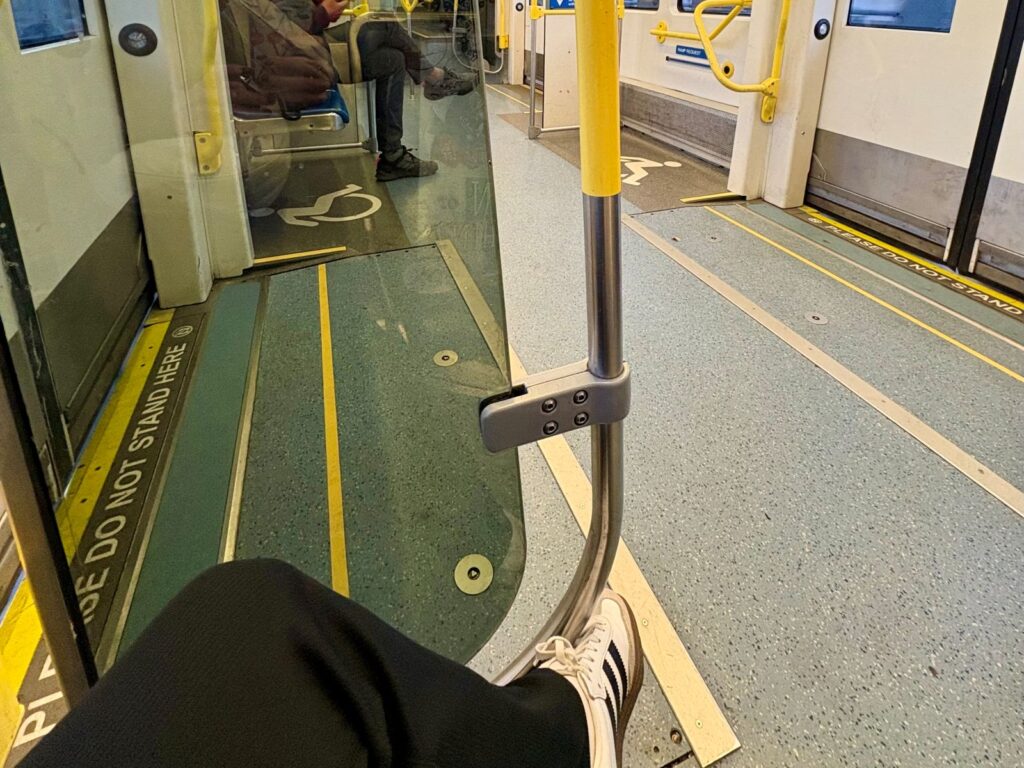
Portland is compact and relatively flat, and its layout makes shared transport practical. For most city-based stays, hiring a car isn’t essential. Once you factor in insurance, fuel, and parking fees, the costs can quickly add up.
More than the money, it’s the effort that shifts. Not driving removes a steady stream of small tasks, such as checking road signs, watching traffic patterns, and keeping track of parking limits. That reduction in constant alertness can make the whole trip feel lighter.
For short and medium-length visits, car-free travel in Portland is often the simplest and most affordable way to move around.
Portland Public Transport at a Glance
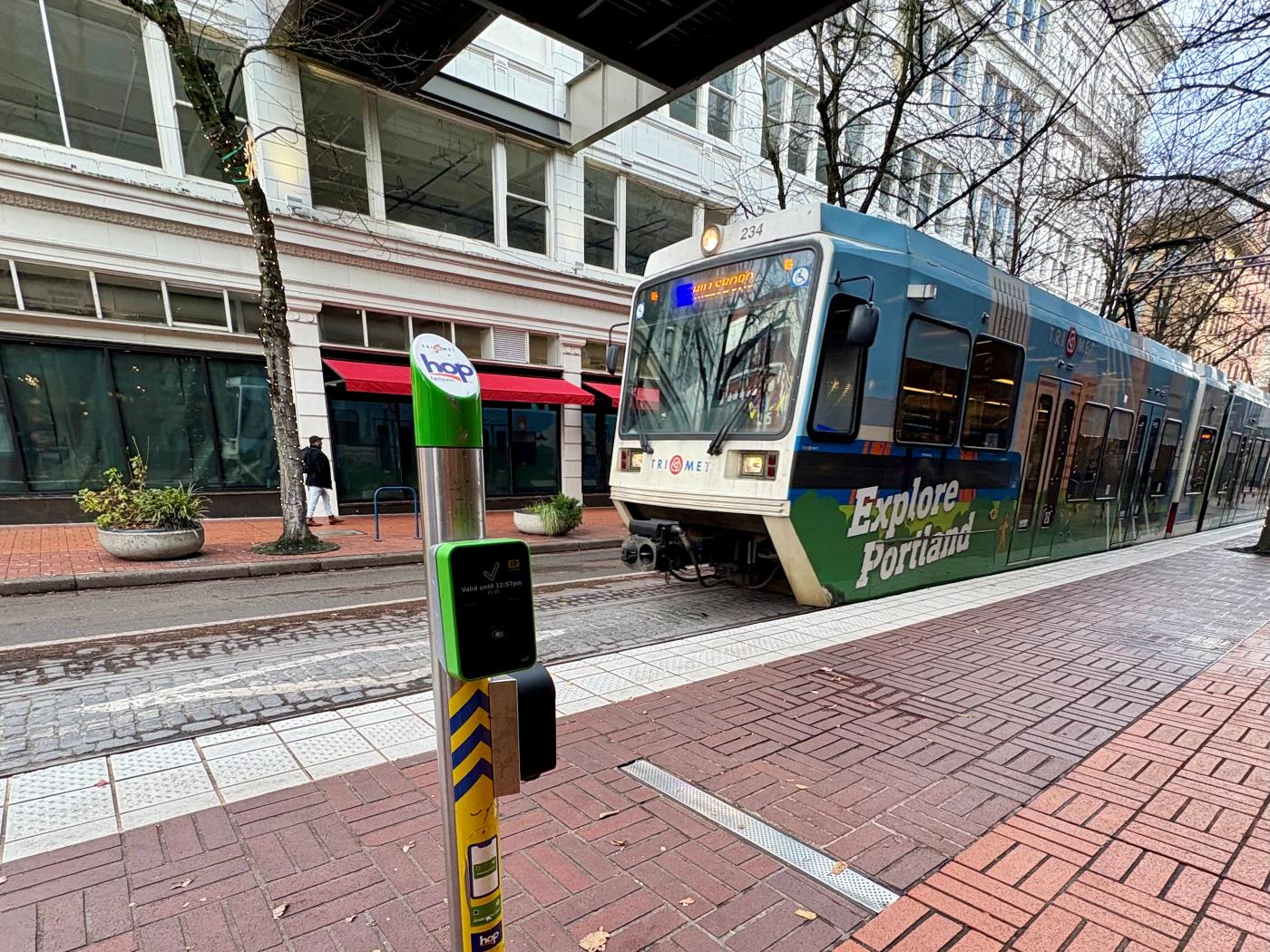
Most public transport in Portland is run by TriMet, which operates the MAX Light Rail and the city’s bus network. The Portland Streetcar is managed separately, but it uses the same fare system, so you don’t need to think about it as a different system when you’re paying.
Overall, it’s straightforward to use. Routes connect the main neighbourhoods, downtown, and the airport, and everything is clearly signposted. On the main MAX lines and busier routes, services run often enough during the day that you usually don’t have to plan your movements around a strict timetable.
Staying in the central city makes using public transport in Portland especially straightforward, though neighbourhoods outside the centre are still well-connected and easy to access.
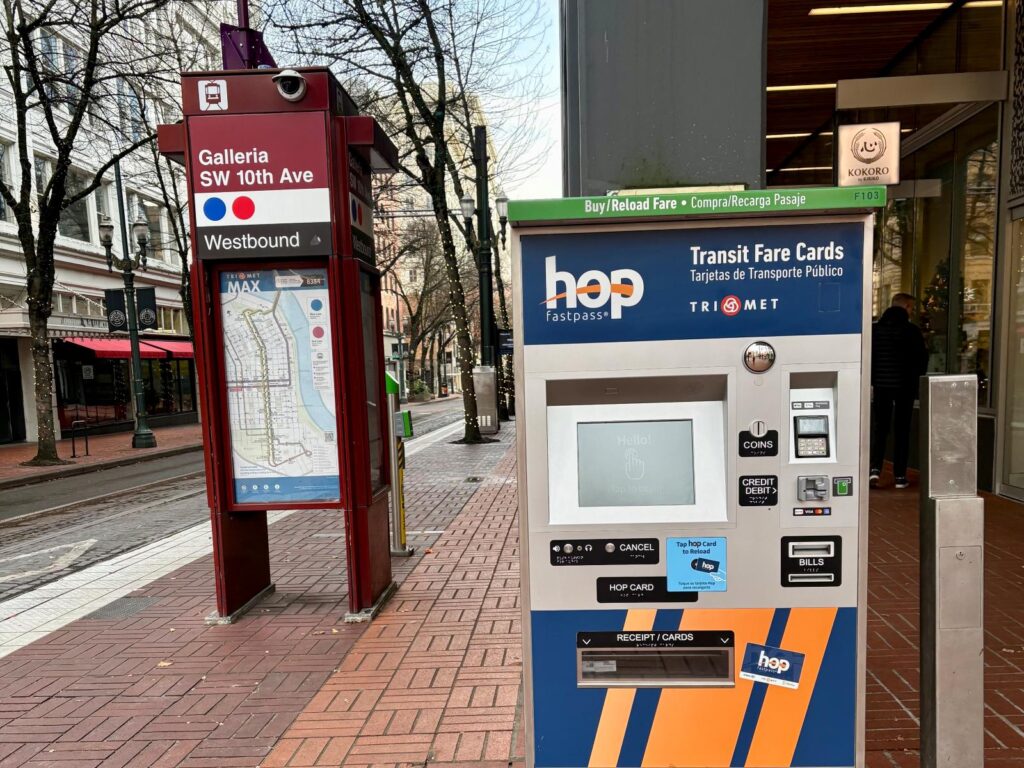
The main thing to check is that you’re on the correct side of the street for your direction of travel. If you realise you’re not, it’s rarely a big issue, just get off at the next stop, cross over, and take the following service. It’s usually a small detour rather than anything that disrupts your day.
Cost, Fare Caps, and Practical Savings
Compared to car hire, fuel, insurance, and city parking, Portland public transport is significantly cheaper.
TriMet operates daily fare caps, which means once you reach a set spending limit, additional rides that day are covered. This keeps budgeting predictable and removes the need to think about the cost of each journey, making the city easier to explore without overthinking about how much money you’re spending.
For most visitors, the easiest way to pay is by tapping a contactless debit or credit card or using a mobile wallet such as Apple Pay. There’s no need to queue for paper tickets or preload large balances; you can just tap on each time you board (no tap off).
Choosing public transport also avoids parking fees and stress finding a park, delays in rush hour traffic, and the anxiety of driving in an unfamiliar area.
You can save not only financially, but also mentally. There’s less to track, fewer variables to manage, and fewer small stressors accumulating in the background.
Portland Transport Apps and Keeping Logistics Simple
One of the reasons using public transport in Portland feels accessible is the simplicity of its digital tools.
Portland transport apps, including TriMet’s own system, allow you to:
- Check real-time arrival information
- Plan routes across buses, MAX, and streetcars
- Pay fares digitally without needing cash
The app is straightforward rather than over-complicated. In a city where you’re already absorbing new streets and neighbourhoods, that kind of simplicity helps. It’s worth downloading it before you arrive, so it’s one less thing to sort out when you’re tired or navigating somewhere new.
Sustainability and Shared Movement
Portland has invested consistently in public transport and lower-emission infrastructure. Choosing light rail, buses, or streetcars helps support this model of shared movement rather than relying on private cars.
What you notice quite quickly is that using public transport feels normal. It’s not unusual or niche; it’s how many people get around day-to-day. That can make it easier to choose, because convenience tends to shape habits more than intention alone.
If, like me, you think about your carbon footprint when you travel, choosing shared transport can make you feel a bit better. It won’t cancel out a flight, but it can make the overall trip feel more aligned with your values, a small shift that doesn’t require extra effort.
Best Areas to Stay for Car-Free Travel in Portland
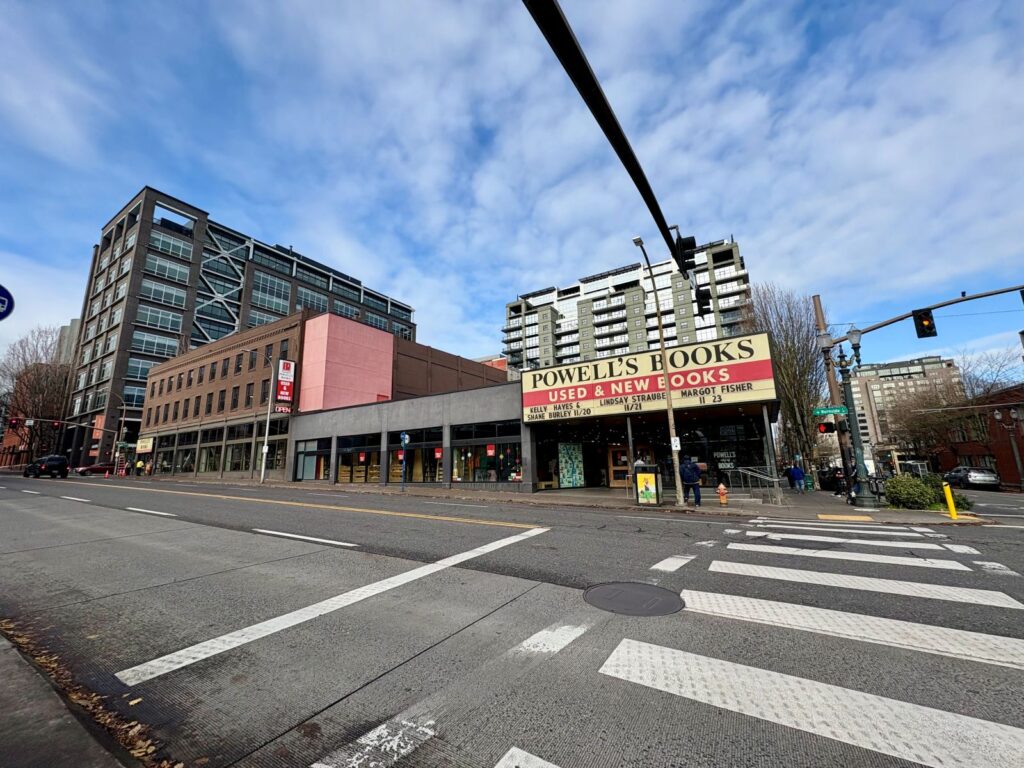
Location makes a significant difference when planning car-free travel in Portland.
Staying near a MAX line or a frequent bus route makes a noticeable difference. Downtown Portland is the most central base and offers the widest range of transport connections. The neighbourhoods can feel quieter and perhaps friendlier, and many have good bus options, but journeys into other parts of the city may take a little longer.
If you’re flying into PDX, staying near the Portland MAX Light Rail line that connects directly to the airport makes arrival and departure easier. If your accommodation isn’t on that route, a taxi or Uber may be your best alternative.
Is Portland Walkable? What to Know
Portland is relatively flat and easy to navigate on foot, particularly in central neighbourhoods. When I stayed slightly outside the centre, I found myself walking more than expected, which was great for adding gentle movement into my routine, and when the weather permitted, a nice alternative to get to experience the neighbourhood.
As with many US cities, there are parts of Downtown where visible homelessness is present. Staying aware of your surroundings is sensible, especially at night. During the day, walking in well-trafficked areas is generally safe, and combining walking with public transport tends to work well.
When Hiring a Car in Portland Makes Sense
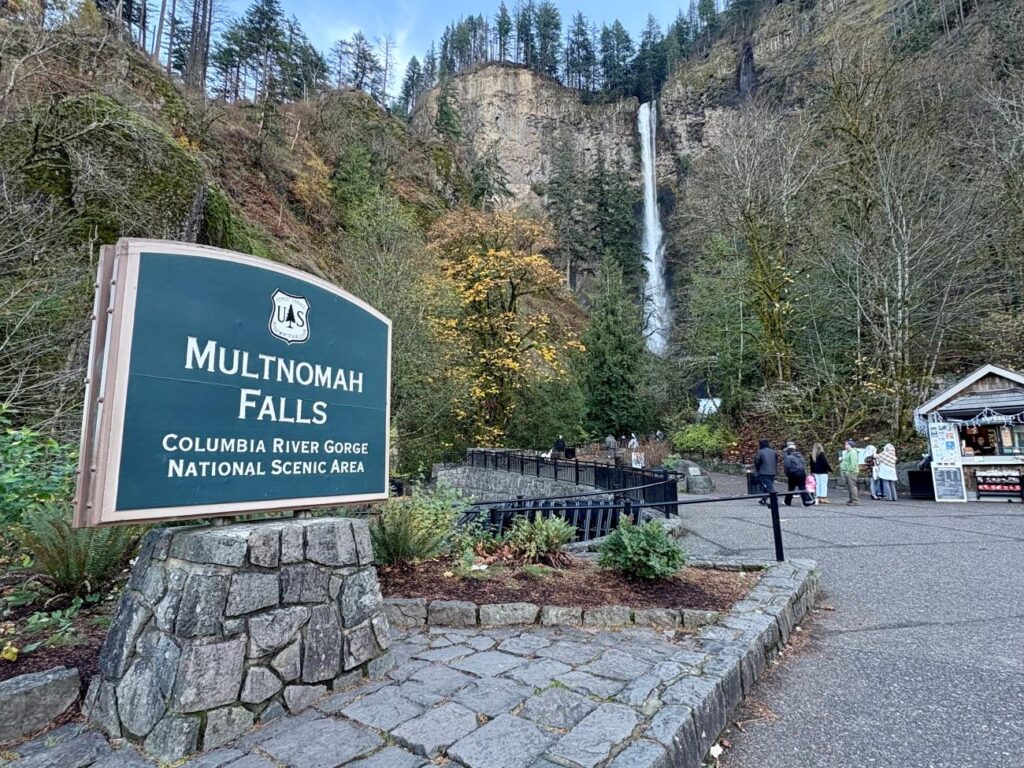
For most city-based stays, using public transport in Portland is enough. But there are situations where hiring a car is the more practical choice.
Some of Oregon’s most well-known natural attractions, including Multnomah Falls and parts of the Columbia River Gorge, are far easier to reach by car. Public transport options to these areas are limited, indirect, or time-consuming, particularly if you’re visiting for a short amount of time.
If waterfalls, hiking trails, or more remote viewpoints are central to your trip, hiring a car for a day can be worthwhile. Staying car-free in the city and renting only for a specific day trip lets you rely mostly on public transport, without missing places that genuinely require a car.
Why Using Public Transport in Portland Feels Lower Stress
The real benefit of using public transport in Portland isn’t just the cost. It’s how much easier the day tends to feel. Services are regular, routes make sense, and paying is straightforward.
Not driving can remove a layer of mental load that is running in the background. There’s less to monitor, fewer small decisions stacking up, and less constant alertness. That leaves more space to actually notice where you are: the neighbourhoods, the green spaces, and the details that give Portland its character (Keep Portland Weird!).
If you want to explore the beautiful nature slightly further afield from the city centre, hiring a car for a day trip works well. Within the city itself, though, using public transport in Portland makes it an easy and enjoyable place to travel.