Ultra-Processed Foods for Travellers: A Simple Guide

Ultra-processed foods for travellers tend to show up everywhere: in airports, convenience stores, hotel breakfasts, service stations, and fast-food chains. They are often the most available option in these environments, which is why they show up so frequently while travelling.
When routines are disrupted and options are limited, ultra-processed foods often become the easiest choice.
This guide offers a grounded, non-restrictive look at what ultra-processed foods actually are, how to recognise them while travelling, and how to make small, supportive swaps when it feels helpful, without turning food into another thing to manage on holiday.
Ultra-processed foods are just one part of a bigger puzzle when it comes to staying healthy while travelling. How you eat on the road can influence your mood, travel immunity, and overall wellbeing, which we explore further in our Food & Mood section.
Table of Contents
What Are Ultra-Processed Foods (And Why Do They Matter When Travelling?)
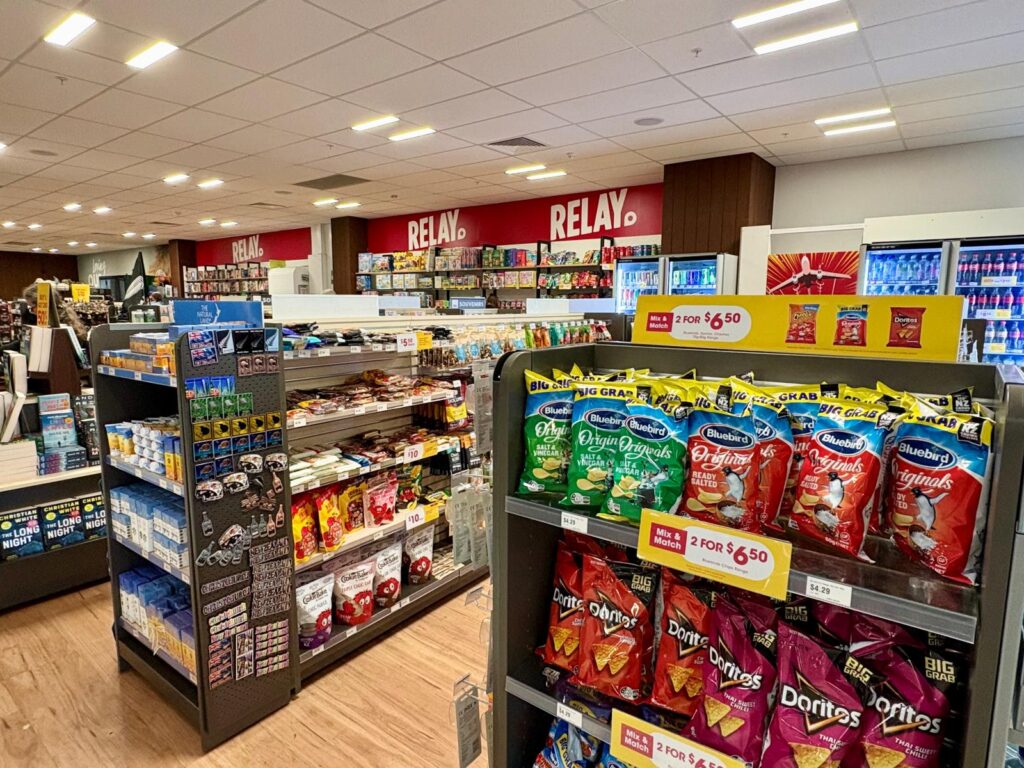
Ultra-processed foods are defined as being made through multiple industrial processes, typically with refined ingredients rather than whole foods. They often contain ingredients you wouldn’t find in a home kitchen, such as emulsifiers, stabilisers, gums, artificial flavours, colourings, and preservatives.
These types of ultra-processed foods are especially common in travel environments, including airports and planes, where convenience and shelf life are prioritised. They often contain high levels of sugar, fat, and salt and are designed to create highly profitable, convenient, and hyper-palatable consumer products.
A list of common travel-related ultra-processed foods includes:
- Fast food
- Packaged pastries
- Protein and snack bars
- Instant noodles
- Flavoured chips/crisps
- Sugary drinks
- Ready-to-eat meals
- Many boxed cereals
An ultra-processed food doesn’t automatically mean “bad.” It simply describes how a food is made. When travelling, the aim isn’t elimination, it’s awareness. Knowing roughly how much of your intake comes from ultra-processed sources can help you make choices that support balanced energy, digestion, and mood on the road, including foods that support immunity while travelling.
How to Spot Ultra-Processed Foods While Travelling
Look at the ingredient list
Products with very long ingredient lists, or items containing things like thickeners, flavours, colours, gums, stabilisers, or artificial sweeteners, are usually ultra-processed.
Be cautious with “health” labels
Protein bars, low-calorie snacks, sugar-free drinks, and some gluten-free/vegan substitutes can still be ultra-processed, even when marketed as nutritious.
Consider how close the food is to its original form
Fresh bakery bread versus packaged bread products, whole fruit versus fruit snacks or juices, or plain yoghurt versus flavoured varieties, are some ways to spot an unprocessed/minimally processed food versus an ultra-processed food.
This doesn’t mean you need to avoid UPFs entirely, but recognising them gives you more choice. For travellers, this matters less because of perfection and more because foods that feel recognisable and satisfying often support stable energy on long travel days.
Where Ultra-Processed Foods and Travel Overlap The Most
Airports
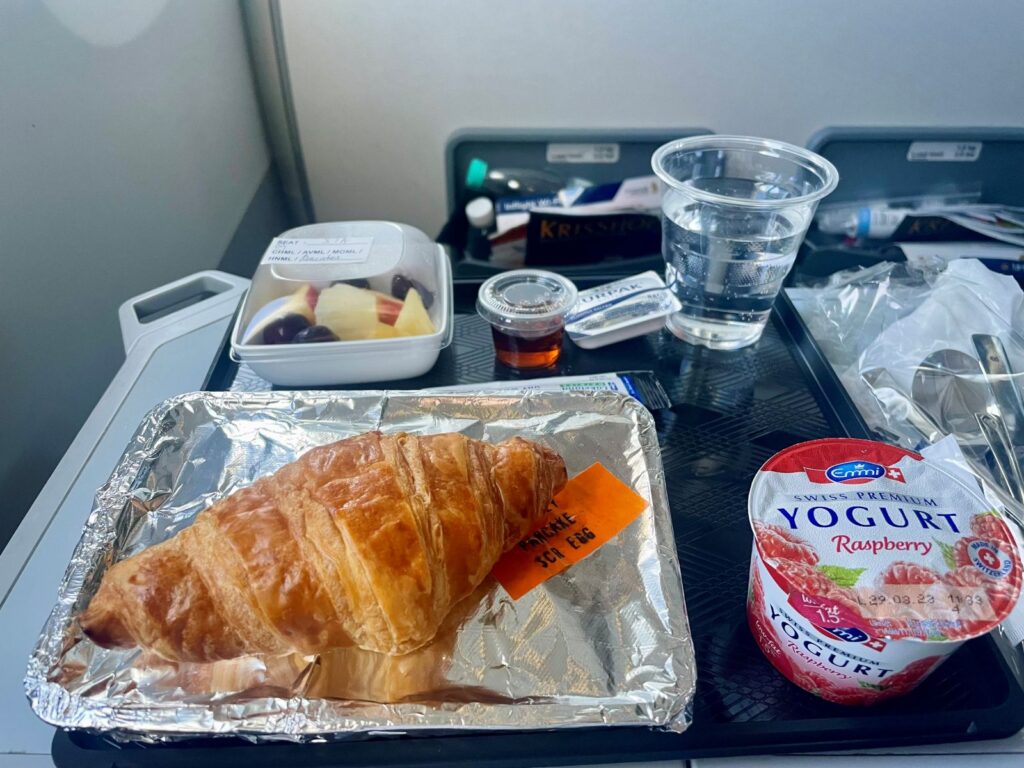
Airports are one of the most concentrated sources of ultra-processed foods while travelling. Fresh options are limited and often expensive. Packing a few simple snacks ahead of time can reduce reliance on convenience foods. Many major airports also offer filtered water stations after security, which can help you avoid sugary drinks and stay hydrated.
Planes
Plane food is typically designed for long shelf life, safety, and reheating, which means it’s often ultra-processed. If you want to eat healthy on a plane, bringing a small amount of your own food on board can help balance what’s available, without needing to avoid in-flight options entirely. Again, choosing water over sugary drinks can help to stay healthy on a flight.
Hotel breakfasts
Buffets often centre on processed cereals, pastries, sweetened yoghurts, and deli meats. When available, prioritising fruit, eggs, Greek yoghurt, or fresh bread can help balance the meal.
Road trips
Service stations are typically dominated by ultra-processed foods. Keeping things simple, fruit, nuts, jerky, water, and unsweetened tea can go a long way.
Fast-food chains
These can be convenient and satisfying, but most menu items include ultra-processed components. Choosing meals with recognisable ingredients can help without avoiding these places altogether.
Easy And Healthy Swaps That Actually Work
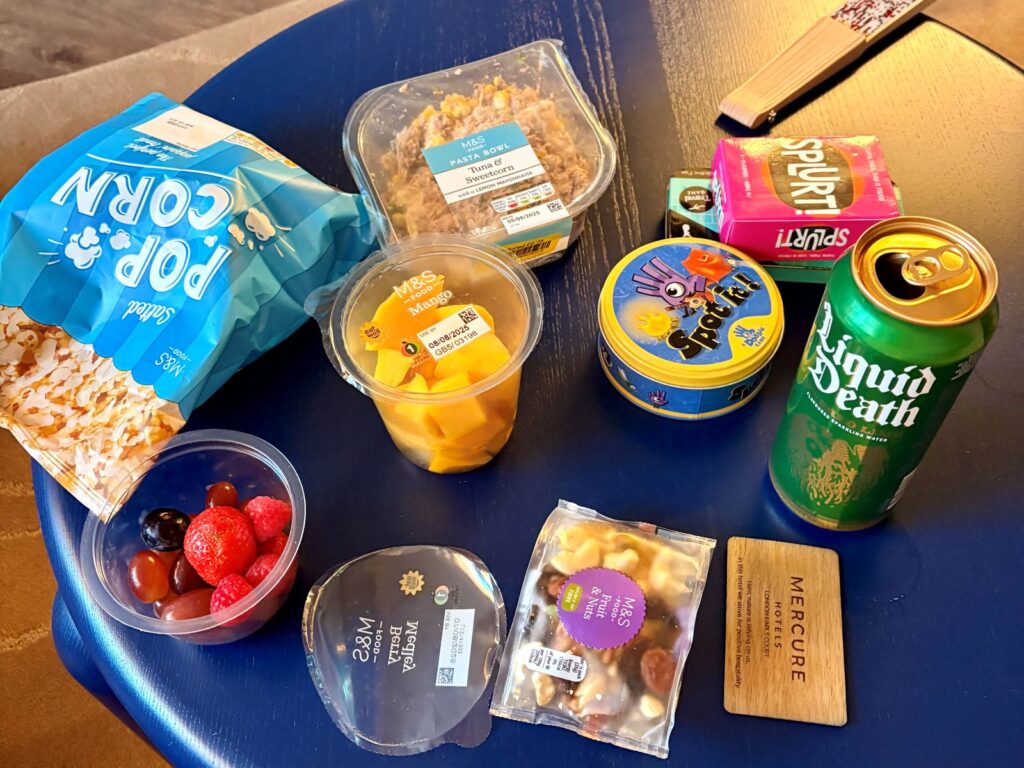
You don’t need to overhaul every meal to practise healthy eating while travelling. Small, flexible swaps can support steadier energy and resilience, including choices often highlighted in guides to supporting immunity while travelling, without making you feel like you’re ‘being good’ on holiday
Some examples of ultra-processed food swaps:
- Packaged pastries → fresh bakery items
- Flavoured yoghurt → plain Greek yoghurt and fruit
- Protein bar → natural nuts or dark chocolate (70% and above)
- Fast food → supermarket/grocery store salad
- Chips/crisps → plain or lightly salted popcorn
- Sugary drinks → sparkling water or coconut water (a natural electrolyte that can be helpful during long travel days)
Trying local food is part of travel, and enjoyment matters. When travelling, it’s often more helpful to include whole or minimally processed foods where you can, rather than trying to eliminate anything entirely.
How To Avoid Ultra-Processed Foods While Travelling (Without Overthinking It)
Some ultra-processed foods are simply part of the experience, and that’s okay. Enjoying them mindfully often feels better than avoiding them altogether.
Sometimes, a mindset shift can help you make healthier choices. Try pausing briefly before choosing food, before automatically picking the most convenient option. Look for meals that you can understand the ingredients list (e.g. whole foods rather than chemicals). Carrying some healthy snacks with you can also stop you from having to rely on convenience foods that are available.
This is less about restriction and more about creating balance within travel environments designed for convenience.
A More Balanced Way to Think About UPFs While Travelling

Travel changes your environment and your routine. Sometimes we have limited access to food, and our eating patterns change as well.
Ultra-processed foods aren’t the burden of your trip, but they are part of the travel environment. With a bit of awareness and a few supportive choices, you can reduce reliance on them without turning food into a source of stress.
For most travellers, feeling well on the road comes less from perfect eating and more from consistency and flexibility.
This article is for general informational purposes only and is not intended to replace personalised medical, psychological, or professional advice.