Travelling With Other People: How to Stay Connected Without Losing Presence

Travelling with other people often sounds easier than travelling alone. You share costs, memories, and responsibility. There’s social time built in, and fewer moments of complete uncertainty.
What’s less often talked about is the quieter psychological challenge that comes with travelling together: shared attention.
When routines disappear, even small choices become collective: where to eat, when to leave, whether to stop, how long to stay. None of these decisions are big on their own, but each one draws on the same mental resources that support patience, flexibility, and emotional balance.
Over time, this constant micro-negotiation can feel surprisingly draining. Not because anything is “wrong”, but because attention is being pulled in multiple directions at once: the place you’re exploring, the logistics of getting through the day, and the people you’re travelling with. When that happens, presence with both the destination and each other often starts to thin out.
This guide looks at how a few small pre-agreements can reduce friction, protect attention, and help travelling with other people feel genuinely connected, rather than exhausting.
Table of Contents
Why Travelling With Other People Can Strain Presence

Unfamiliar environments already place higher demands on our mental energy. New transport systems, languages, social norms, and changing surroundings all require extra processing, even when a trip is enjoyable.
When you add other people into the mix, attention divides again, between the experience itself and staying aware of how everyone else is feeling, coping, or keeping up.
As this mental load builds, most people have less capacity for emotional regulation and adaptability. That’s why small mismatches can feel more irritating on a trip than they ever would at home, even when you are travelling with some of the people closest to you.
It isn’t a sign of poor compatibility; it’s a predictable response to cognitive and emotional overload in unfamiliar settings. Calling this out can be surprisingly relieving, shifting the story from “we’re not travelling well together” to “our attention is stretched”.
Curious to explore the science behind this?
This blog draws on established behavioural science research and applies these principles to travel contexts. Sources are linked in our Evidence & Further Reading section.
Common Mismatch Points When Travelling Together
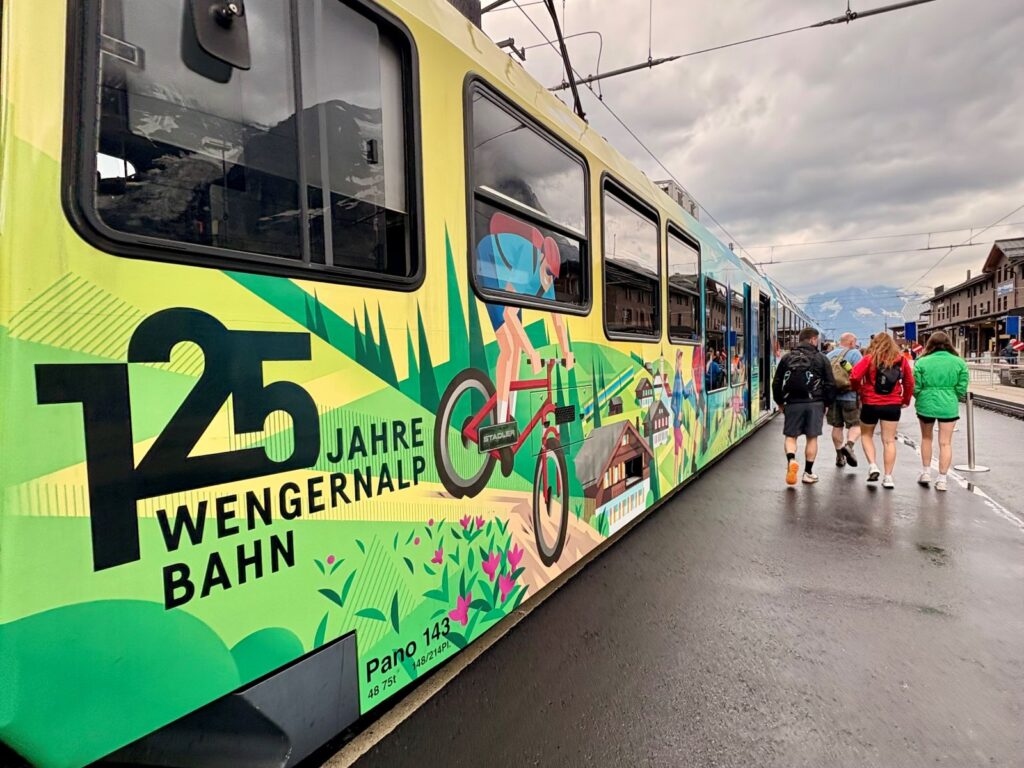
Most tension in group travel wellbeing tends to show up in a few familiar places:
Pace
Some people regulate through slow wandering and frequent pauses. Others feel calmer with momentum and a sense of forward movement. When one slows, and the other rushes, both can feel unseen or held back.
Planning Style
One traveller relaxes knowing what’s next. Another feels boxed in by plans and restores through spontaneity. Without clarity, each can quietly feel the other is doing travel “wrong”.
Phone Use
For some travellers, phones offer safety, orientation, or emotional comfort. For others, they pull attention away from shared moments. These differences usually reflect different coping styles, not a lack of interest or care. See Why Being on Your Phone Feels Comforting When Travelling to delve deeper into this.
Energy Rhythms
Early risers and late starters experience the same place very differently. When rhythms don’t align, it can shape the tone of an entire day without ever being explicitly discussed.
These aren’t personality flaws; they are preferences around comfort and regulation. Friction usually arises not because differences exist, but because they stay unspoken.
How Travelling With Other People Creates Shared Attention Load

When travelling alone, you only manage your own needs and decisions. When travelling with other people, attention becomes shared by default.
Each person is tracking their own energy, stress, hunger, and interest levels, while also monitoring the group. This shared attention load is subtle, but it accumulates across days.
The result is often a sense of low-level fatigue or irritability that doesn’t have a clear cause. Understanding this helps normalise why even well-matched travel companions can feel tired of each other at times.
Why Shared Defaults Reduce Friction in Group Travel Wellbeing
A default is a simple, pre-agreed assumption about how common situations will be handled.
In behavioural science, defaults reduce decision load. Fewer decisions made in the moment means less mental effort spent negotiating and more attention available for shared experience.
When expectations are set ahead of time, there’s less need for constant adjustment or interpretation.
Helpful travel defaults might include:
- A loose start time most days, with optional early departures
- An agreed window for solo time without explanation or guilt
- A shared approach to phone use during meals or walks
- A simple plan for disagreements, such as alternating preferences or taking a short break rather than debating
Defaults don’t need to be perfect. They just need to exist.
The One Conversation That Matters Before You Go

This doesn’t need to be heavy or overly serious. A short check-in is often enough. Ten minutes over coffee before the trip can save days of tension later.
Helpful prompts include:
- What makes a day feel good to you when travelling?
- What drains you fastest on trips?
- Where do you like structure, and where do you want flexibility?
- What helps you reset when you’re overwhelmed?
This conversation isn’t about full alignment, it’s about visibility. When preferences are named early, differences stop feeling personal and can save a lot of potential group tension throughout the trip.
Staying Connected While Travelling With Other People
Presence doesn’t require constant togetherness. Allowing space to experience different things often strengthens the connection, rather than weakening it.
People can cope better when they feel they have some choice over how they spend their time. When travellers feel less pressure to be aligned at every moment, shared time can feel lighter and more genuine.
Small things can protect shared attention. This might look like planning part of a day separately, agreeing on shared downtime, or naming when you need a brief reset. Allowing autonomy can be one of the simplest ways to restore goodwill while travelling with other people.
Travel as a Practice of Connection

Travel reveals how we negotiate needs under fatigue, uncertainty, and change. In that sense, it becomes a low-stakes environment to practise communication, boundaries, and repair.
Shared presence isn’t about perfect harmony; it’s about reducing unnecessary friction so connection can arise naturally. A few clear conversations and simple defaults can make travelling together feel balanced, upbeat, and more enjoyable for everyone involved.
Questions to Align Before Travelling Together
These aren’t rules. They’re prompts to protect shared attention.
- Are you an early riser, or do you prefer slow mornings?
- Do you restore through rest, gentle activity, or intense movement?
- How much phone time do you realistically need?
- Are there moments you’d like phones away, such as meals?
- What stresses you most about travelling?
- What helps reduce that stress?
- Do you experience travel anxiety, such as flying or uncertainty?
- How do you feel about solo time on trips?
- Do you prefer planned days or spontaneous ones?
- If things feel tense, how should we handle it in the moment?
These questions aren’t about control. They’re about protecting shared attention so the trip feels more present, connected, and genuinely restorative.
This article is for general informational purposes only and is not intended to replace personalised medical, psychological, or professional advice.