Movement On The Road: A Simple Way To Support Travel Wellbeing
Sometimes it feels as though there is pressure to maintain your usual movement routine when you travel. In reality, travel rarely creates the conditions that make consistency straightforward. There are long periods of sitting, lighter or broken sleep, constant small decisions, and often more social input than your nervous system is used to handling.
One day you may walk 20,000 steps exploring a city; the next, you might barely move between flights or long train journeys. You are navigating new streets, unfamiliar menus, and different cultural norms. All of it requires energy that an ordinary day at home does not.
Not all of this is negative, but it is psychologically disruptive. When familiar routine cues disappear, rhythm tends to follow, and regulation often shifts with it.
This is where movement on the road becomes useful. Not as a workout plan, but incorporating gentle movement that acts as a stabilising factor when you’re on the road. The goal is not performance, it’s balance.
Research on physical activity suggests that even brief movement influences circulation, cognitive function, and physiological arousal. While most studies are not conducted in travel settings, the mechanisms apply to the conditions travel creates: prolonged sitting, disrupted routine, and cognitive overload.
Table of Contents
Why Travel Disrupts The Body More Than We Realise
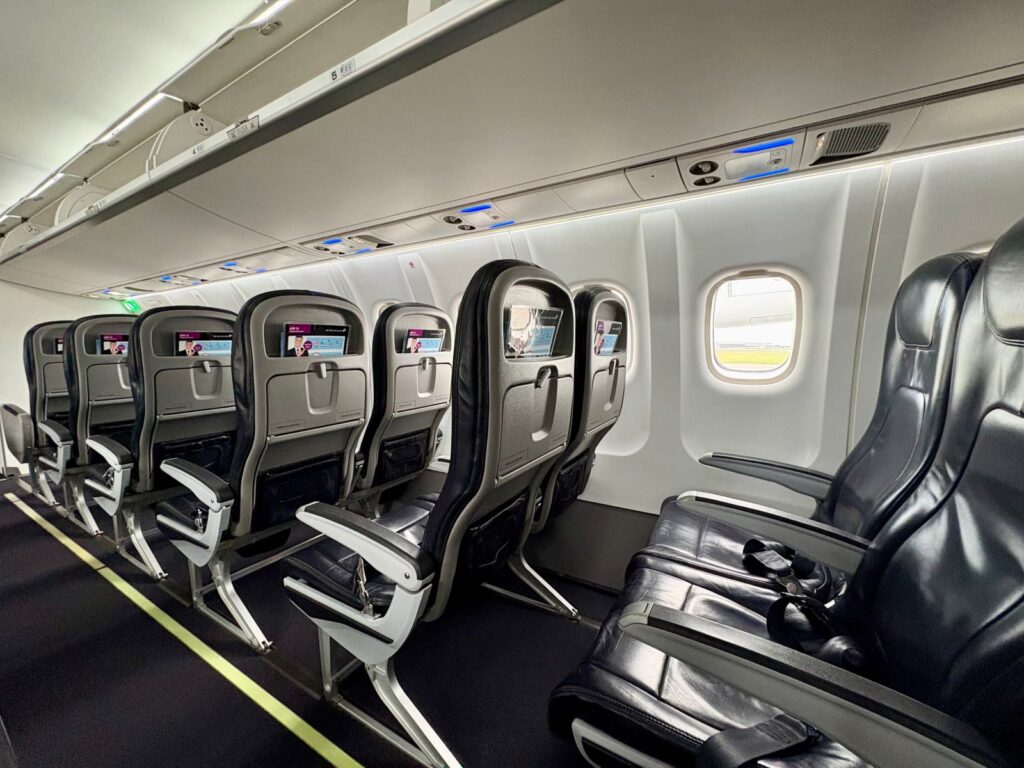
A lot of travel advice focuses on what to see and where to eat. Very little acknowledges how physically and cognitively disruptive travel actually is.
You sit longer than usual during transit and sleep in a bed that may not feel quite like your own. Time zones shift, meal timing changes, and you make dozens of small decisions each day. At the same time, novelty is constant: new sounds, languages, crowds, and social expectations. Even positive stimulation is still stimulation.
Our bodies like predictable cues such as regular light exposure, consistent meal timing, sleep patterns, and daily movement. These cues help the body maintain a sense of predictability and physiological stability. When those cues are removed, it is common to feel wired, foggy, heavy, restless, or flat. Not because you are ungrateful, but because your system is adapting.
When our daily rhythm disappears, the body can lose its sense of stability. Thoughtful movement while travelling can gently restore it.
Movement On The Road As Regulation, Not Performance
In travel culture, movement is often framed at two extremes. Either you are walking all day exploring a city and unintentionally breaking step-count records, or you are trying to maintain a strict gym routine abroad.
But there can be a middle ground. Movement on the road is not about burning calories or compensating for food. It is about restoring rhythm and supporting nervous system regulation while travelling.
It can be slow or intense, structured or spontaneous, five minutes or fifty. The right choice depends less on what you think you “should” do and more on the state your body is in. Different travel states call for different types of movement. This framing makes it easier to respond intentionally instead of defaulting to guilt.
Three Types Of Movement While Travelling That Support Travel Wellbeing
Grounding Movement: Slow And Rhythmic
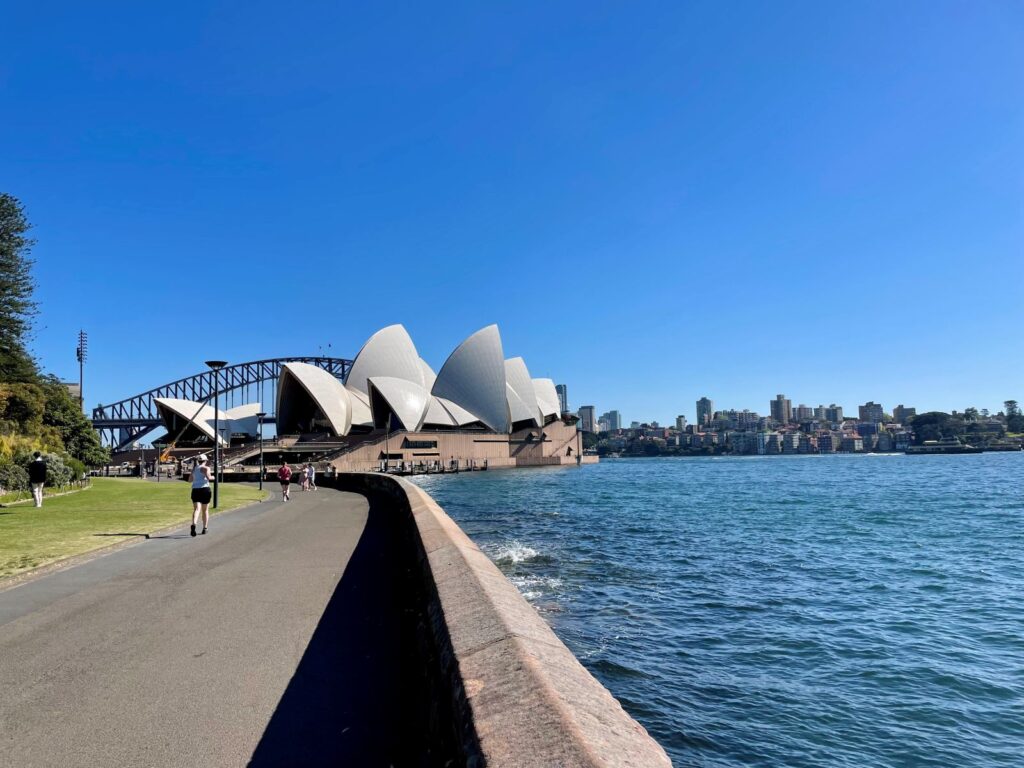
Grounding movement is most helpful after poor sleep, during overstimulation, or when your thoughts feel scattered.
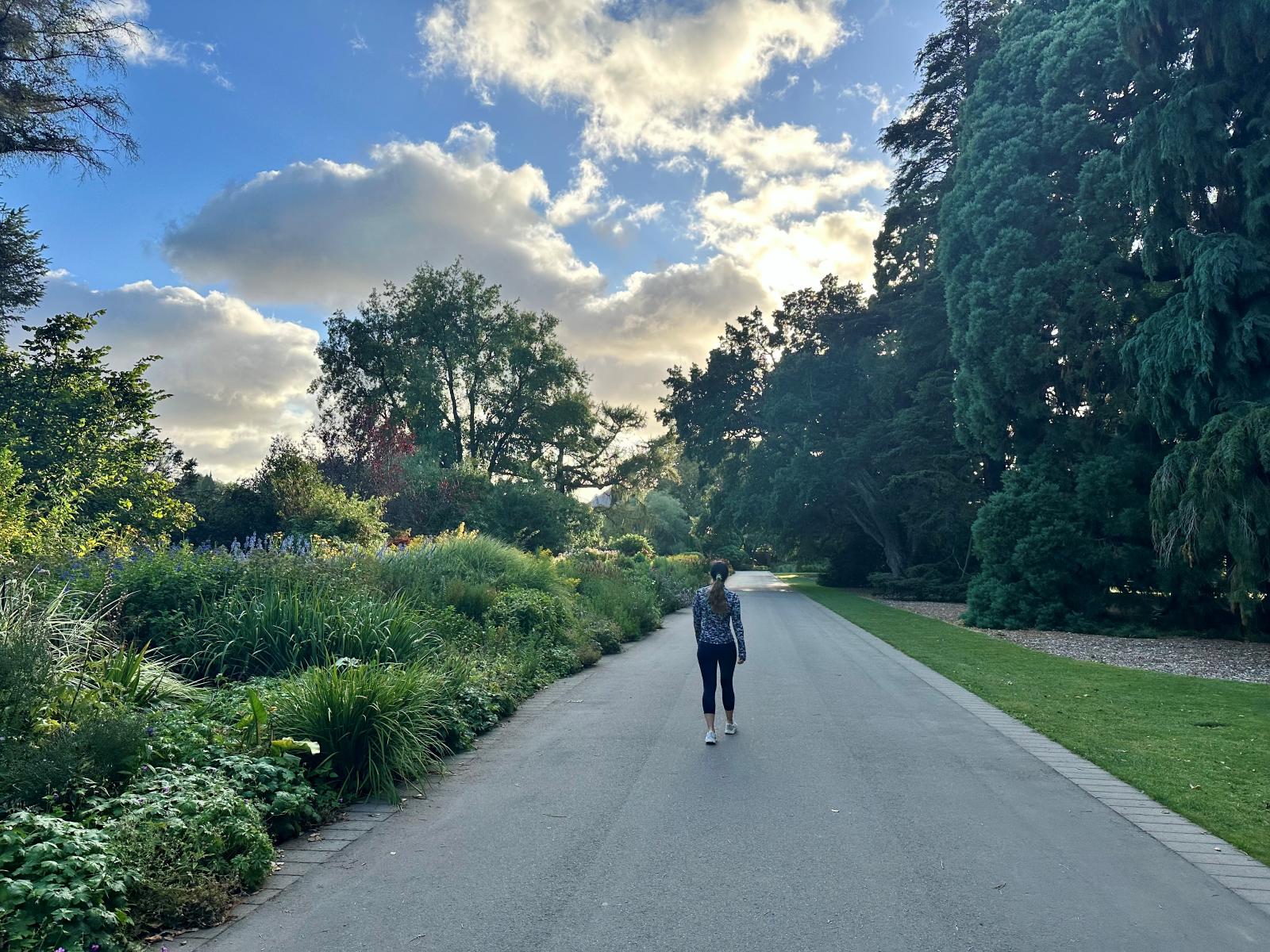
This kind of movement slows the system down. It might be a quiet morning walk before the city wakes, gentle stretching in your room, or walking without headphones and allowing your attention to focus on your surroundings.
The emphasis is on rhythm and repetition. Nothing impressive, just consistent, predictable movement that tells your nervous system you are safe enough to settle in your new environment.
This type of movement can support attention and may make it easier to wind down after a disrupted night, making it especially useful when staying regulated while travelling feels difficult. If sleep has been inconsistent, our guide to sleeping well while travelling explores practical ways to make unfamiliar environments feel more restful.
Circulatory Movement: Restoring Flow After Stagnation
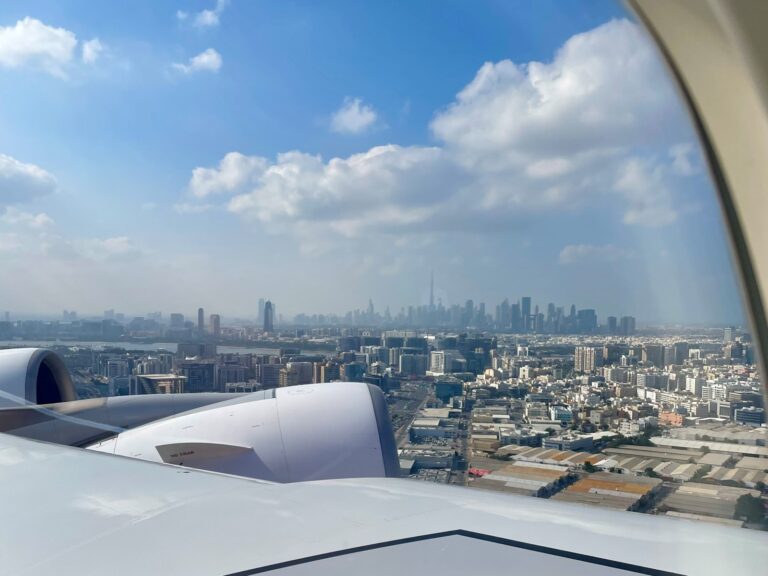
After long-haul flights or hours on a train or in a car, travel often leaves the body feeling heavy and stagnant. Circulation slows, muscles stiffen, and energy dips.
Circulatory movement restores flow. Instead of remaining seated at the gate, I like to walk a few laps around the airport. On a train, standing for part of the journey can help. After a flight, gentle stretches can ease stiffness. If you have enough energy, a light jog or short bike ride through a new neighbourhood can help your system shift out of transit mode.
The focus is not on achieving a personal best; you are signalling to your body that it is no longer confined. This is also where jet lag recovery strategies fit naturally, as movement becomes part of adjustment rather than an afterthought.
Structured Movement: When Effort Feels Stabilising
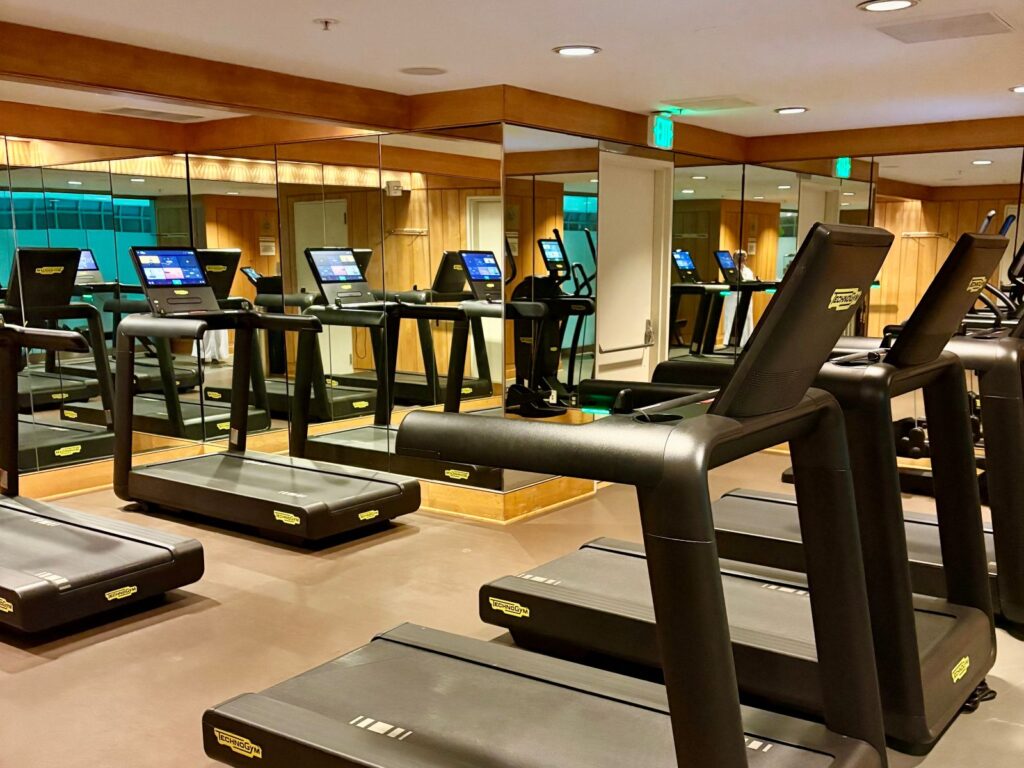
Sometimes, intensity may be more effective than slowness, especially if structured exercise is part of everyday life at home. In those cases, a gym session in a new city can be a great option, providing familiarity in an unfamiliar destination.
That might mean booking accommodation with a small gym, using a platform such as ClassPass to find a local session, or packing resistance bands in your luggage. Even a short 10-minute morning strength or mobility routine before heading out can create a sense of continuity.
The key here is to be flexible: structured movement is not mandatory, it’s an option. For certain travel days, a workout feels grounding, but on others, it will feel draining. Permitting yourself to choose can protect your travel wellbeing. If your body needs rest, that may be the most regulating decision you can make.
Choosing The Right Movement On The Road For The Day
You do not need a complex plan; a simple check-in is enough. After poor sleep, grounding movement may feel supportive. Following a long transit day, circulatory movement can help you reset. If anxiety or restlessness is high, structured effort may help reduce this. When emotionally overloaded or socially fatigued, slow walking without digital input may work better than intensity.
Keep it intuitive. The goal is not consistency for its own sake; it’s responsiveness. When you respond to what your body genuinely needs, movement becomes supportive rather than another task to complete.
How To Build Movement While Travelling Into Your Day Without Pressure
Movement does not have to live in a separate “fitness” category; it can be woven into your travel day.
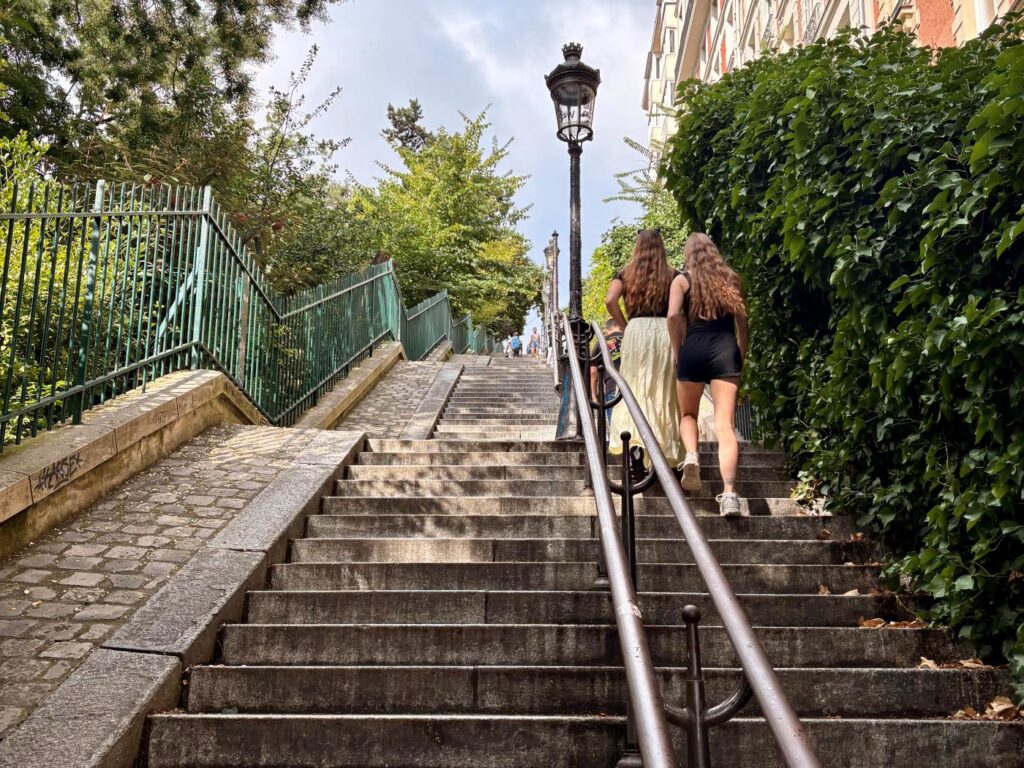
You might walk before your morning coffee instead of scrolling in bed, choose one active transport option, take the hotel stairs once, or stretch while waiting for the shower to heat up. Five minutes of bodyweight exercises after brushing your teeth can be enough to reintroduce rhythm.
It is easy to fall into the trap of believing you must squeeze in a full workout or double your usual step count while travelling. If structured sessions help you, treat them as anchors rather than obligations, something you return to when useful, not something you use to criticise yourself when missed. The aim is to support a sustainable travel rhythm, not enforce discipline.
Travel Feels Different When The Body Is Involved
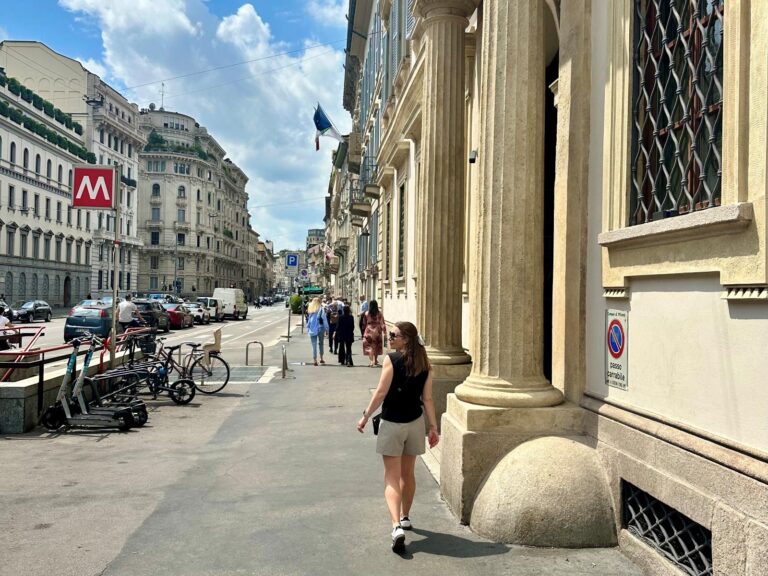
When movement is part of travel, the experience changes. I always enjoy going for a walk through a new city after arriving, especially after a long-haul flight or long train ride. It helps shake off the jetlag and feel more regulated.
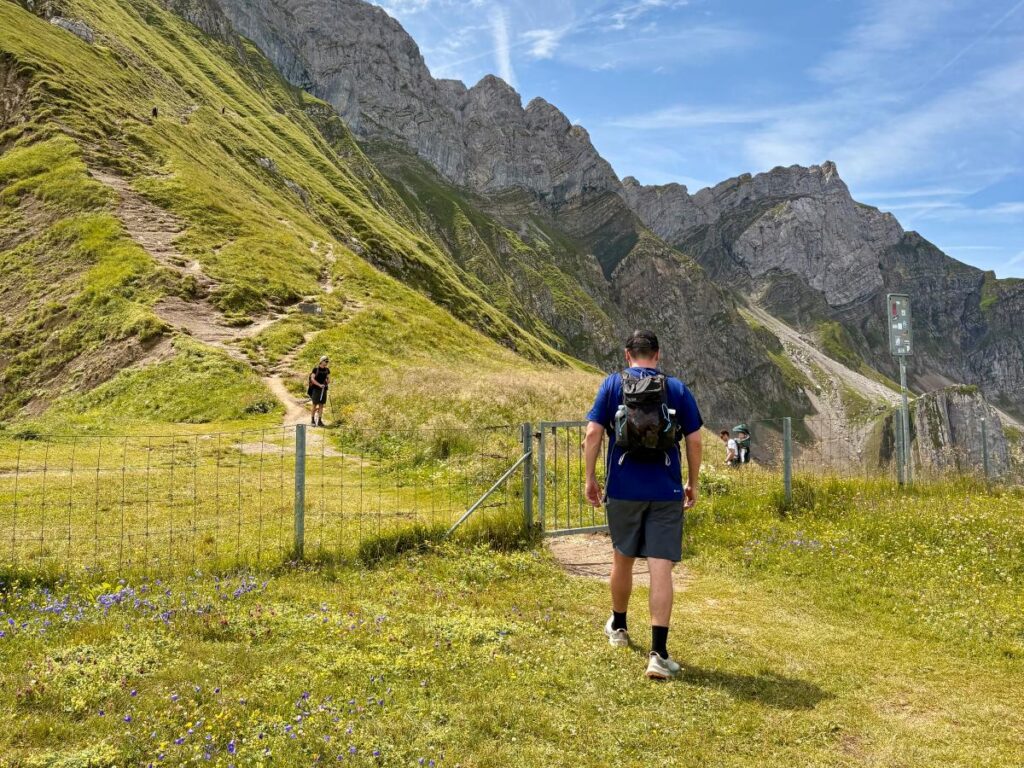
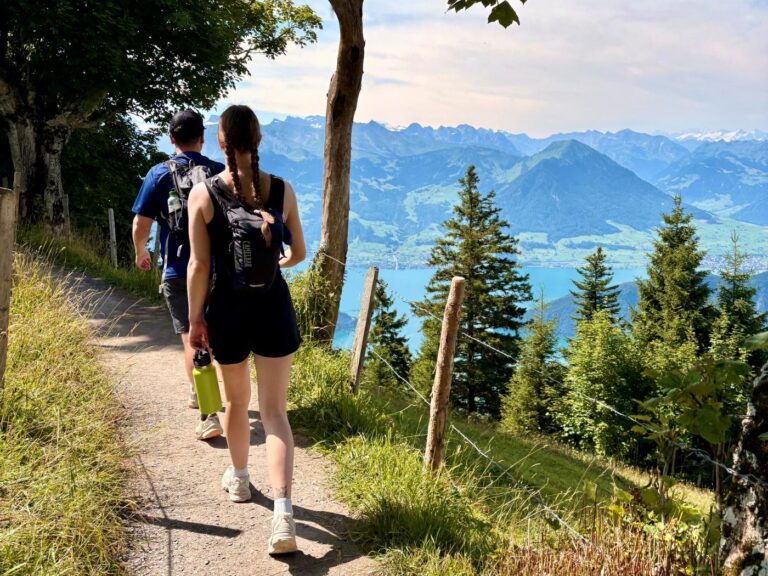
Adding some movement to your travel routine can alter the way you both notice and remember it. On a recent trip through Switzerland, we chose to walk part of the way up Mount Pilatus rather than take the cable car all the way to the top. Although this wasn’t considered gentle movement, we will never forget being truly immersed in nature and experiencing the climb rather than observing from above.
Using effort may increase your presence, slowness can deepen attention, and circulation can help clear mental fog. Travel becomes more embodied, not just visual. When the body feels steadier, the mind often follows.
This article is for general informational purposes only and is not intended to replace personalised medical, psychological, or professional advice.