Gluten-Free Travel: The Complete Beginner’s Guide
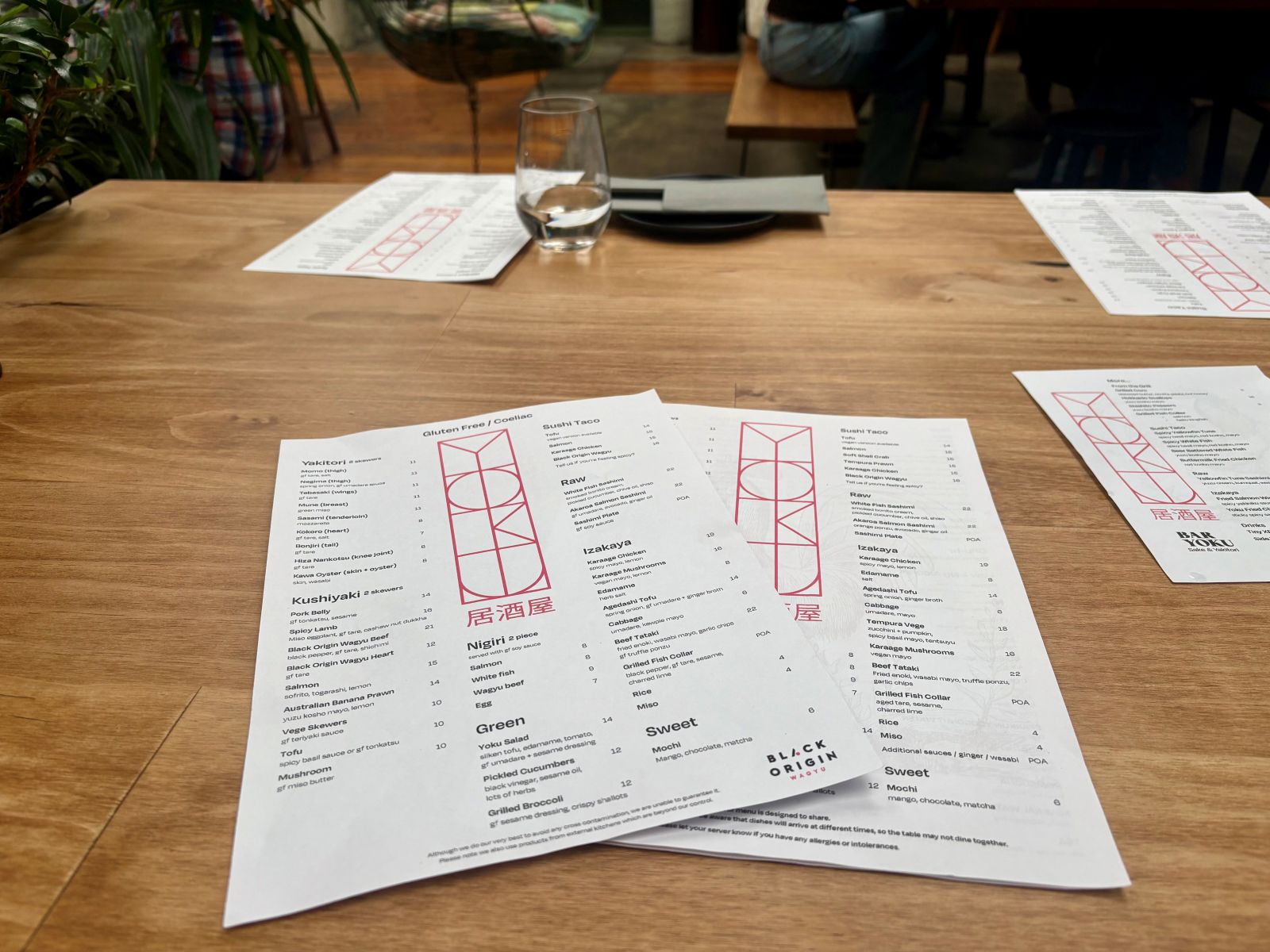
Gluten-free travel isn’t just about food; it’s about managing uncertainty. New restaurants, unfamiliar food labels, and the background worry about cross-contamination can start to drain your energy. For many people with coeliac disease or gluten sensitivity, food stops feeling like something enjoyable and starts feeling like something you have to manage.
The good news is that gluten-free travel doesn’t always have to feel this way. With the right preparation and a few supportive systems, travelling gluten-free becomes far more manageable than it first appears.
This guide will show you how to eat safely, reduce decision fatigue, and travel with more confidence, wherever you go.
What Gluten-Free Travel Actually Means
At its core, gluten-free travel isn’t about restriction. It’s about awareness and predictability.
Rather than constantly assessing risk in unfamiliar environments, many people cope better when they have simple rules, reliable backups, and clear decision points. From a behavioural science perspective, this reduces cognitive load, meaning fewer on-the-spot judgments and less mental fatigue throughout the day.
To travel gluten-free safely, it helps to understand a few essentials first:
- Gluten is found in wheat, barley, rye, and triticale (a wheat–rye cross).
- Coeliac disease requires strict, lifelong gluten avoidance.
- Non-coeliac gluten sensitivity varies from person to person (some people react strongly, others only mildly).
- Cross-contamination can be just as important as the ingredients themselves.
Food labelling and awareness differ widely between countries. Some places are very accommodating; others require more self-advocacy. This guide focuses on helping you navigate those differences with more ease.
Personal note for clarity: I’m gluten sensitive rather than coeliac. I aim to eat gluten-free while travelling, but I have flexibility if needed. If you’re coeliac, the same principles apply; however, with additional safeguards such as carrying more backup food and planning restaurants more carefully.
Why GF Travel Feels Hard
Gluten-free travel isn’t only a dietary challenge, it’s a cognitive and emotional one.
When routines disappear, information becomes unreliable, and meals depend on other people’s knowledge, your nervous system stays more alert. Research on dietary self-management suggests that uncertainty and loss of control significantly increase stress, especially while travelling.
The aim isn’t perfection; it’s reducing uncertainty enough that your body can relax, so your attention can return to the experience of being away.
Curious to explore the science behind this?
This blog draws on established behavioural science research and applies these principles to travel contexts. Sources are linked in our Evidence & Further Reading section.
Before You Travel: Essential Preparation for Travelling Gluten-Free
A small amount of preparation goes a long way. Planning doesn’t just improve safety; it noticeably reduces stress once you arrive.
From a coping perspective, having tools ready beforehand helps your nervous system feel resourced rather than reactive.
Download helpful apps
- Find Me Gluten Free
- Google Maps (save safe restaurants)
- Airline apps (for special meal requests)
Order gluten-free translation cards
Especially useful in non-English-speaking countries. These can be printed or stored on your phone and help reduce awkward, rushed explanations.
Download a Translation App
Helpful for menus and ingredient lists. I find Google Translate works well and can ease decision-making when English menus aren’t available.
Book accommodation with a mini kitchen
A fridge and a kettle are often enough to create safe breakfasts, simple meals, and reliable snacks, which can take pressure off the rest of the day. This small layer of predictability can make gluten-free travel feel significantly more manageable, especially in the first few days of a trip.
Accommodation platforms like Airbnb can make it easier to filter for places with basic kitchen facilities, while some hotel chains, such as Residence Inn by Marriott, are designed around in-room kitchenettes. These options can be particularly helpful if you’re arriving late, adjusting to a new time zone, or travelling somewhere with less gluten-free awareness.
Change your meal for your flight
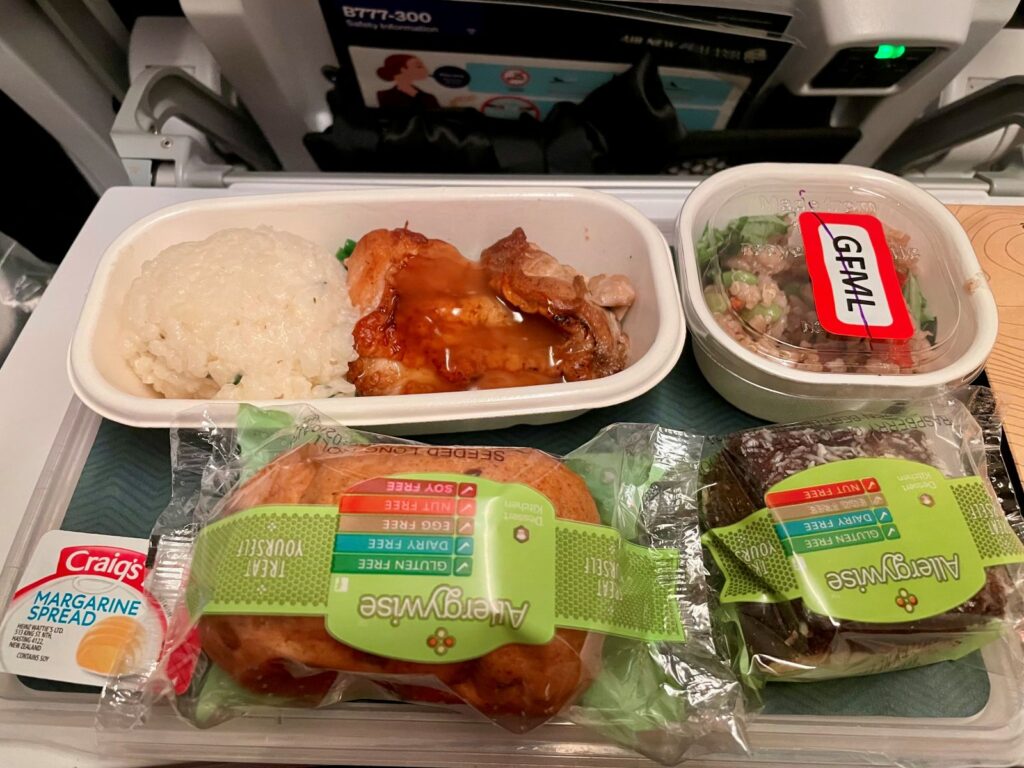
Most long-haul airlines offer gluten-free meals, but it’s still wise to pack snacks. Airline meals often combine multiple dietary restrictions and aren’t always satisfying.
How To Eat Gluten-Free In Restaurants Without The Stress
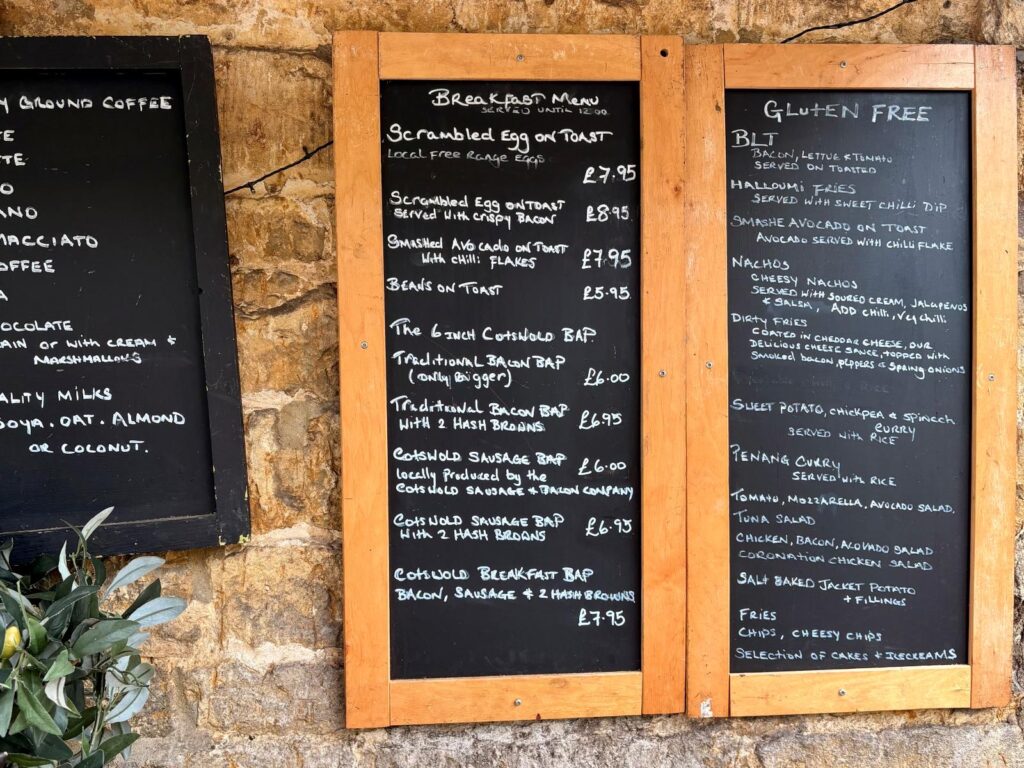
Eating out is often the most stressful part of gluten-free travel. It combines social pressure, time pressure, and uncertainty; a combination that can quickly feel overwhelming.
The goal isn’t to interrogate staff endlessly. It’s to ask a few clear questions that provide you with enough information to make a decision and move forward.
Helpful questions to ask
- “Is this 100% gluten-free?”
- “Is it prepared in a separate area?”
- “Can gloves and utensils be changed?”
Common red-flag dishes
- Fried foods (shared fryers)
- Sauces and marinades
- Buffets without clear allergy protocols
- Anything labelled “gluten-friendly”
Clear, concise communication usually works better than over-explaining. You’re gathering information, not asking for reassurance.
Your Emergency Gluten-Free Travel Kit
An emergency gluten-free kit isn’t just about food. It’s about psychological safety. Knowing you have a fallback option reduces urgency-driven decisions; the moments when people are most likely to take risks they later regret.
A small, lightweight gluten-free kit might include:
- Protein bars
- Instant oats or porridge cups
- Ziplock bags (useful for splitting supermarket snacks)
- Electrolytes
- Rice crackers, popcorn, or similar staples
These are especially useful for airports, long drives, delayed check-ins, or late arrivals.
Grocery Shopping While Travelling Gluten-Free
For many people, grocery shopping is the easiest and safest way to eat gluten-free in a new country. If you are like me, it’s often a surprisingly enjoyable part of travel. I love finding new foods to eat.
When I’m shopping, I’m not just thinking about avoiding gluten, I’m also thinking about how food will make me feel over the next few days of travel. Focusing on simple, nourishing ingredients can make a noticeable difference to energy, digestion, and resilience on the road. I’ve written more about this in my guide to immune-boosting foods for travel, if you’d like to explore the topic further.
What to look for
- Certified gluten-free labels
- Naturally gluten-free foods (rice, fruit, vegetables, yoghurt)
Common sources of hidden gluten
- Sauces
- Seasoning packets
- Flavoured chips
- Processed meats
Keeping meals simple while travelling isn’t restrictive; it’s often what creates the most ease.
Gluten-Free Travel FAQs

Do I need to tell every restaurant I’m gluten-free?
Yes, it sets expectations and protects you. Many restaurants have separate gluten-free menus once they know, or go above and beyond (like the Wynn buffet).
If speaking up feels uncomfortable, that’s common. Research on self-advocacy shows people often downplay dietary needs to avoid social awkwardness, especially while travelling. Pre-writing a short phrase explaining your dietary needs, saving it on your phone pr printing it out, can help protect your health without apologising or over-explaining.
Can I trust “gluten-friendly”?
If you’re coeliac, treat this term with caution. It usually implies there is a possibility of cross-contamination.
Are some countries easier than others?
Yes – North America, Western Europe, Australia, and New Zealand generally have strong labelling and awareness. Italy, despite common assumptions, is one of the most gluten-free-friendly countries to travel in.
A Calmer Way to Travel Gluten-Free

When you reduce uncertainty, support your nervous system, and trust your preparation, travel stops feeling like something to endure and starts feeling more manageable again.
With a few systems in place, travelling gluten-free becomes less about vigilance and more about taking care of yourself as you explore. And yes, there are some genuinely incredible gluten-free dishes to discover around the world, too.
This article is for general informational purposes only and is not intended to replace personalised medical, psychological, or professional advice.