Ultra-Processed Foods While Travelling: How To Eat Well On The Road
Ultra-processed foods while travelling can be difficult to avoid. Airports, train stations, service stations, hotel rooms, and convenience stores are designed to help people find food quickly. This can be genuinely useful when you have an early flight, a delayed train, or a full day of exploring ahead of you. It also means that ultra-processed foods can become a much larger part of your diet while travelling than they would be at home.
This is not necessarily the result of poor planning or a lack of willpower. Travel changes the conditions in which food decisions are made. You may be choosing from fewer options, eating at unusual times, working within a budget, or looking for something that can survive several hours in a bag.
My master’s research focused on eating behaviour relating to ultra-processed foods. One of the most useful ways to understand these foods is to look beyond individual choices and consider the environment around them. Availability, convenience, price, habit, hunger, and how appealing a food looks can all influence what we eat.
This guide explains what ultra-processed foods are, why they are so common during travel, and how to build more variety into your meals without turning a holiday into a nutrition project. It reflects the wider approach used across Nomadic Balance: helping travellers make choices that support their wellbeing without pretending every journey takes place under ideal conditions.
Table of Contents
What Are Ultra-Processed Foods?
Ultra-processed foods, commonly shortened to UPFs, are generally identified using the NOVA food classification system. They are industrial formulations that frequently contain ingredients extracted or modified from foods, alongside additives used to create a particular flavour, colour, texture, or shelf life.
Common examples include soft drinks, packaged confectionery, instant noodles, chicken nuggets, mass-produced pastries, some breakfast cereals, packaged snack bars, and many ready-to-eat meals. Protein bars, plant-based substitutes, and foods marketed as natural, low-calorie, or high-protein may also be ultra-processed.
The category describes how a food has been produced, but it does not tell you everything about its nutritional value. Sugary breakfast cereals, fizzy drinks, protein bars, and ready-to-eat frozen meals may all fall within the UPF category, yet they do not provide the same nutrients.
This does not make the classification meaningless. It means that UPFs are best considered as part of your overall eating pattern. The concern is greater when they regularly replace fruit, vegetables, whole grains, legumes, nuts, eggs, and other minimally processed foods.
Why Eating Fewer UPFs Is Better For Your Health
Research has repeatedly found associations between diets high in ultra-processed foods and poorer long-term health outcomes. Although researchers are still working out how much of this risk comes from processing itself, the evidence supports a dietary pattern centred on fruit, vegetables, whole grains, legumes, and other minimally processed foods.
One influential controlled study found that participants consumed more energy and ate more quickly when following an ultra-processed diet than when following a minimally processed one. Researchers are still investigating why. Texture, energy density, portion size, eating rate, convenience, and combinations of fat and carbohydrates may all contribute.
UPFs can also displace foods that provide fibre, vitamins, minerals, and a wider variety of nutrients. This is particularly relevant during longer trips, when days of packaged snacks, pastries, takeaway meals, and sugary drinks can gradually become the normal pattern rather than an occasional convenience.
A useful approach is to base most meals around minimally processed foods where possible. That does not mean one packaged snack or fast-food meal is inherently harmful, but regularly choosing less processed options can improve the overall quality of your travel diet.
Curious to explore the science behind this?
This blog draws on established behavioural science research and applies these principles to travel contexts. Sources are linked in our Evidence & Further Reading section.
Why UPFs Become The Easy Choice While Travelling
Travel changes both your routine and your food environment. You may be eating at unusual times, choosing from a limited selection, working within a tighter budget, or looking for something that can remain in your bag for several hours.
Hunger and tiredness matter too. If your flight has been delayed and you have not eaten since breakfast, the most visible and immediately available food will become more appealing. This is not just a question of nutritional knowledge or self-control. Your circumstances are influencing the decision.
Ultra-processed foods are particularly well suited to these environments. They are portable, quick to eat, widely available, and usually consistent. When everything else feels unfamiliar, recognising a brand or knowing what a food will taste like can be reassuring.
Understanding these influences does not mean accepting UPFs as the default. It helps you identify the travel situations in which you are most likely to rely on them and prepare one or two alternatives.
Where Travellers Encounter The Most UPFs
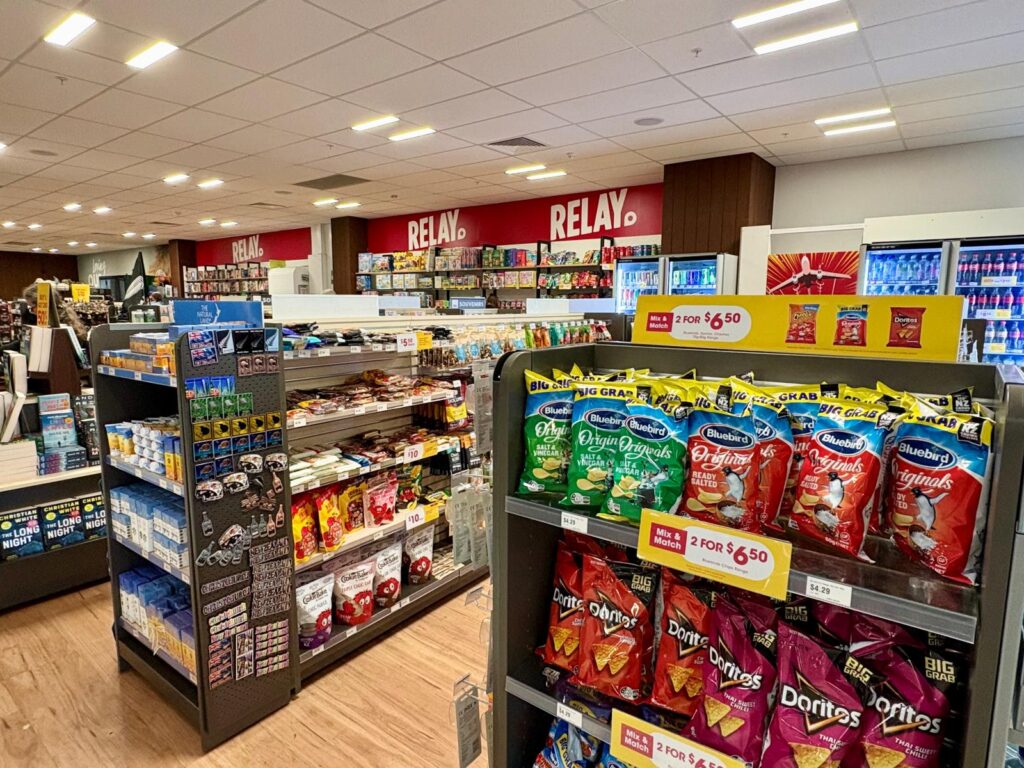
Airports and stations contain a high concentration of packaged foods because they can be stored, transported, and sold throughout the day. Fresh meals may be available, but they are frequently more expensive or difficult to carry onto a flight.
Hotel breakfasts can also rely heavily on sweetened cereals, packaged pastries, processed meats, flavoured yoghurts, and individual snack products. When they are available, fruit, eggs, oats, plain yoghurt, vegetables, and fresh bread can create a more substantial breakfast.
Service stations present a similar challenge during road trips. Keeping fruit, nuts, sandwiches, or another filling option in the car can reduce your reliance on packaged snacks. When road-tripping through the United States, I also like stopping at Whole Foods for the hot bar or salad bar. It is an easy opportunity to add vegetables, grains, and a more varied meal after several hours on the road.
These foods cannot guarantee that you will avoid becoming ill, but a varied diet can help support your body during demanding journeys. Immune-Boosting Foods for Travel: What to Eat to Stay Healthy on the Road looks more closely at useful foods to include when long flights, disrupted sleep, and irregular meals affect your usual routine.
How To Spot Ultra-Processed Foods
A long ingredient list can be a clue that a food is ultra-processed, but it is not a perfect test. Some foods contain several ordinary ingredients, while certain UPFs have shorter lists.
Look for ingredients primarily associated with industrial formulations, such as protein isolates, modified starches, hydrogenated oils, flavour enhancers, colours, emulsifiers, and some artificial sweeteners. These ingredients do not automatically make an individual food dangerous, but several of them together can indicate that a product has been heavily formulated.
It can also help to consider how the product was made and whether its ingredients are mainly foods you would ordinarily use in cooking. Whole fruit is less processed than a fruit-flavoured snack, plain yoghurt is less processed than many sweetened yoghurt desserts, and oats are less processed than numerous sweetened breakfast cereals.
You do not need to classify every product correctly. Even researchers can disagree about where certain foods belong. Focus on whether UPFs are supporting you through an occasional difficult travel moment or gradually replacing most of the minimally processed food in your diet.
Practical UPF Swaps For Travellers
Practical swaps can reduce UPFs without requiring you to prepare every meal yourself. They work best when the alternative is affordable, available, and something you genuinely want to eat.
- Packaged pastry → fresh bakery item with fruit or plain yoghurt
- Sweetened cereal → oats, muesli, or eggs with toast
- Flavoured yoghurt dessert → plain yoghurt with fruit
- Sweets → fruit, nuts, cheese, or dark chocolate
- Crisps → nuts, lightly processed popcorn, or rice cakes
- Sugary drink → water, sparkling water, milk, or an unsweetened drink
- Instant noodles → soup, a rice dish, or a supermarket salad with protein
- Fast-food meal → supermarket meal, or salad bar option
These are options rather than strict rules. A fresh bakery item may still be highly processed, and some packaged products are more nutritious than others. The useful change is usually adding fibre, protein, fruit, or vegetables rather than searching for a flawless substitute.
If the only available lunch is a packaged sandwich, you could add fruit or yoghurt rather than skipping the meal. If you want fast food, choosing water and adding a vegetable side elsewhere in the day can still improve the overall balance.
Use Supermarkets To Find Better Travel Food
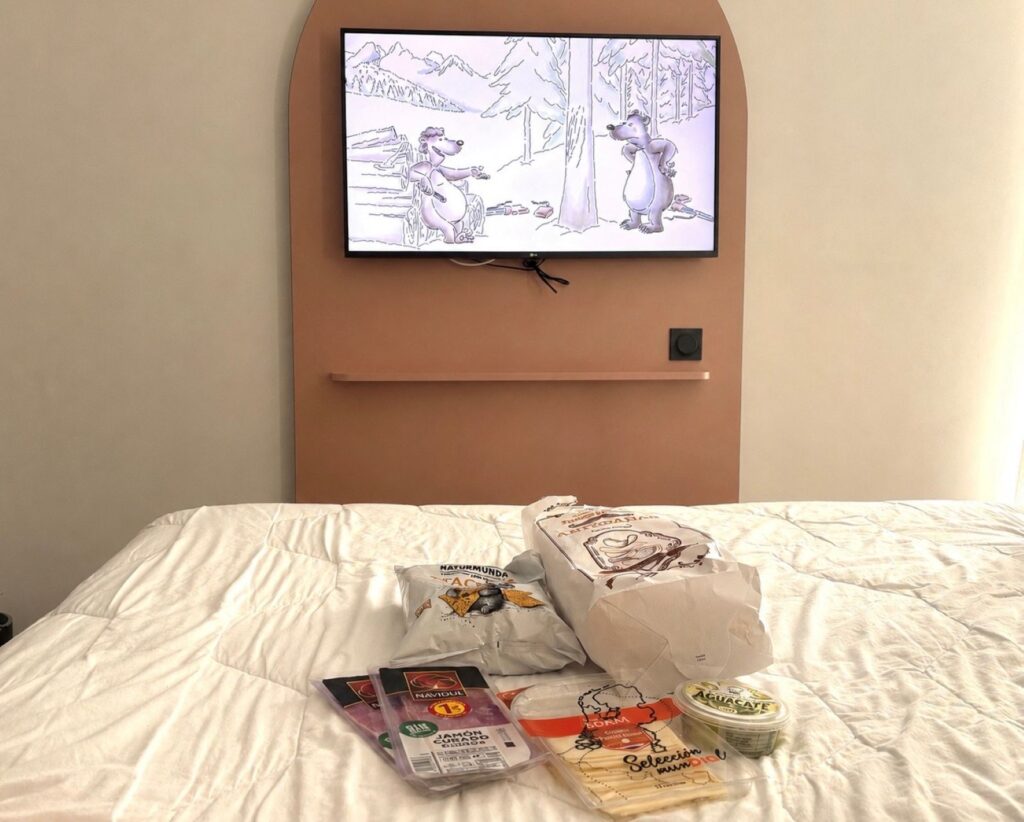
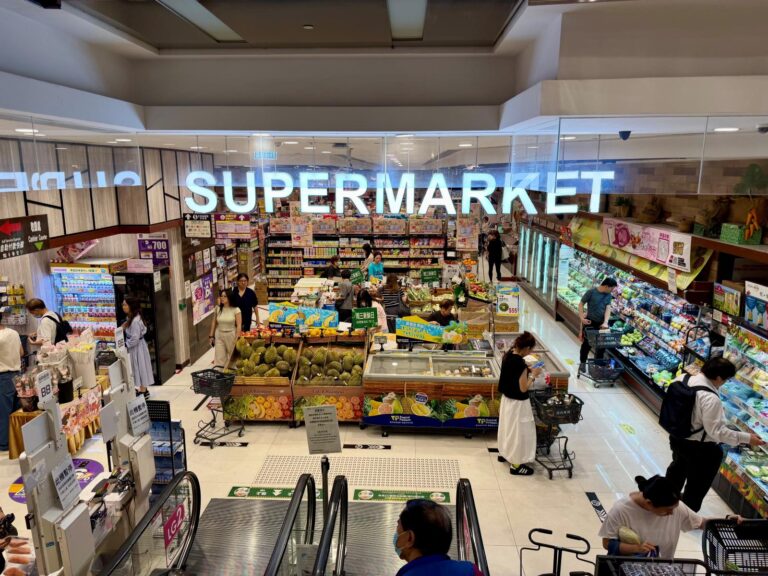
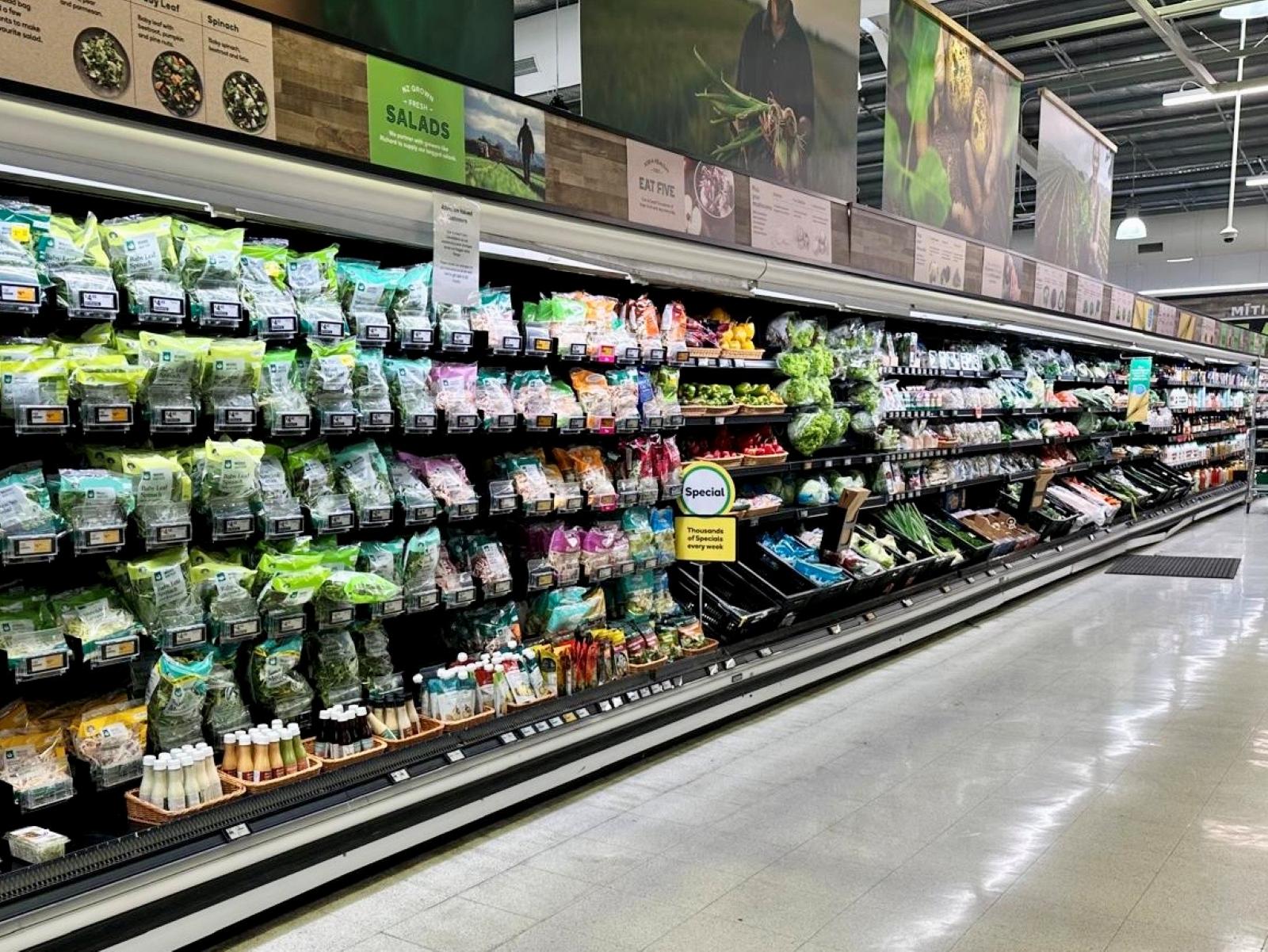
I love visiting supermarkets in different countries. They show how everyday food differs between destinations, from unfamiliar flavours to the products local shoppers buy regularly. They are also among the easiest places to find something fresh when I am craving greens or want a quieter meal at my accommodation.
Sometimes I will choose a takeaway salad, fruit, yoghurt, cheese, or a few ingredients for breakfast. It is not about compensating for restaurant meals. It is about noticing that I would feel better with something fresher and finding an option that meets that need.
UK meal deals can be useful for keeping costs down. Depending on the shop, you may be able to combine a sandwich, wrap, or salad with fruit, yoghurt, cheese, or another snack, alongside water or a kefir drink. This provides more choice than automatically selecting crisps, sweets, and a fizzy drink.
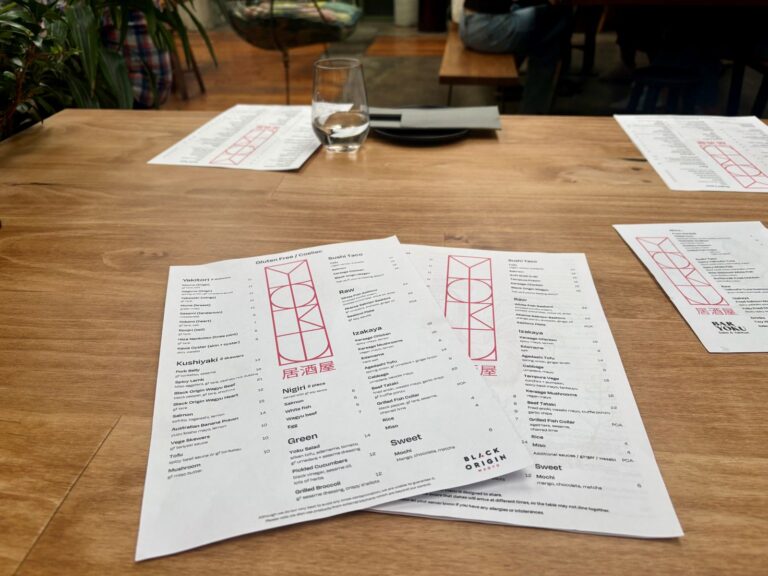
Supermarkets can be particularly helpful when you have dietary requirements because packaged products include ingredient and allergen information. Gluten-Free Travel: The Complete Beginner’s Guide explains how to approach unfamiliar labels, supermarkets, and restaurants when avoiding gluten.
Prepare For The Most Difficult Part Of The Journey
You do not need to carry enough food for the entire day. Instead, think about when your options are likely to be most limited. This could be during a flight, halfway through a train journey, or after arriving at your accommodation late at night.
Pack one or two foods for that point in the journey. Fruit, nuts, rice cakes, cheese, sandwiches, or boiled eggs may work, depending on refrigeration needs and any rules about carrying food across borders. A packaged snack bar can still be useful when portability matters, even if it is classified as ultra-processed.
Once you arrive, buying a few breakfast foods and snacks can prevent every hungry moment from becoming a trip to the nearest convenience store. I prefer to buy only what I know I will eat, rather than filling the hotel room with aspirational healthy food that eventually gets left behind.
Regular meals also matter. Skipping lunch because none of the choices meet an ideal standard can leave you extremely hungry later. A reasonable meal containing some UPFs is usually more supportive than avoiding food until you find a perfect alternative.
Enjoy The Food You Travelled To Try
Reducing UPFs does not mean removing every fast-food meal, local sweet, or convenience-store discovery from your trip. Food is part of the enjoyment and culture of travel, including foods that are not especially nutritious.
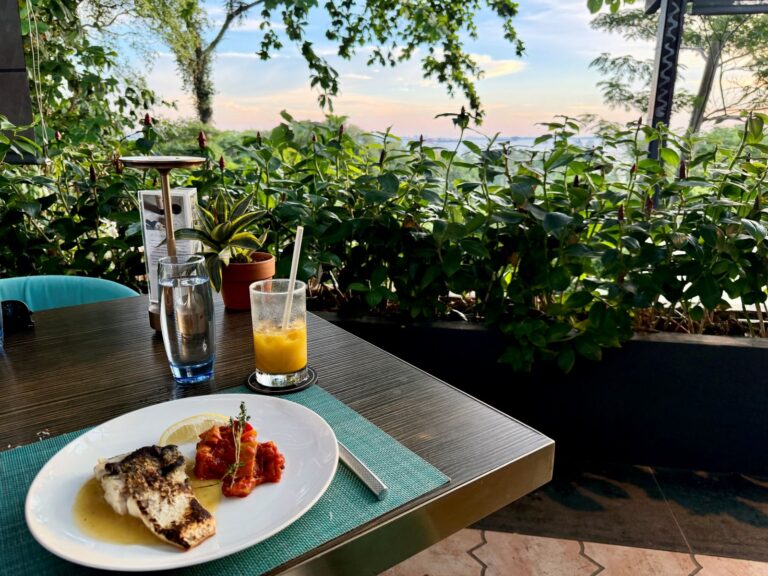
When travelling through the USA, I might stop at Whole Foods for a salad when I want vegetables, but I also genuinely enjoy visiting In-N-Out or trying the different shake flavours at Shake Shack. One choice does not undermine the other. The balance comes from what you eat across the trip, not from making every individual meal as healthy as possible.
A packaged sweet that is unique to the country may be worth trying. A familiar chain might sell a regional menu item you cannot order at home. Convenience stores can reveal just as much about everyday local eating as restaurants and food markets.
The goal is to avoid allowing UPFs to dominate your diet by default, while still choosing them intentionally when they are convenient or part of an experience you want. You do not need to compensate afterwards by skipping meals or restricting what you eat the following day.
A Healthier Approach To UPFs While Travelling

Eating fewer ultra-processed foods is better for your health, but travel does not always make this easy. Airports, service stations, transport schedules, budgets, and limited facilities can all narrow your choices.
A supermarket meal, fresh breakfast, salad-bar stop, or supply of basic snacks can reduce your reliance on UPFs. Small swaps become particularly valuable during longer trips, when convenience food could otherwise become the basis of most meals.
There will still be packaged snacks, fast-food stops, and days when the available option is the one you choose. These moments can sit within a diet that is mainly built around minimally processed, varied foods.
The wider travel wellbeing guides explore other realistic ways to support your health while away. The aim is not to control every part of your trip, but to make choices that help you feel well enough to enjoy it.
This article is for general informational purposes only and is not intended to replace personalised medical, psychological, or professional advice.