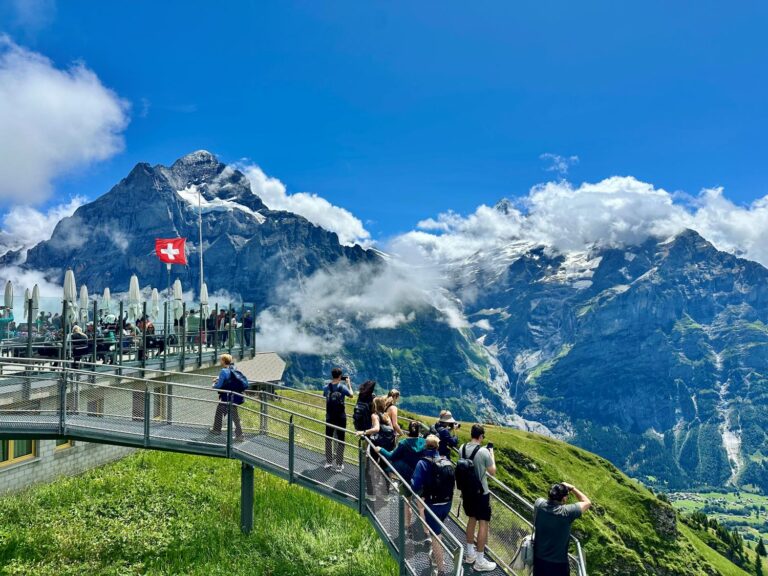
Ireland Wellness Travel: One Of Europe’s Best Places For A Nervous System Reset
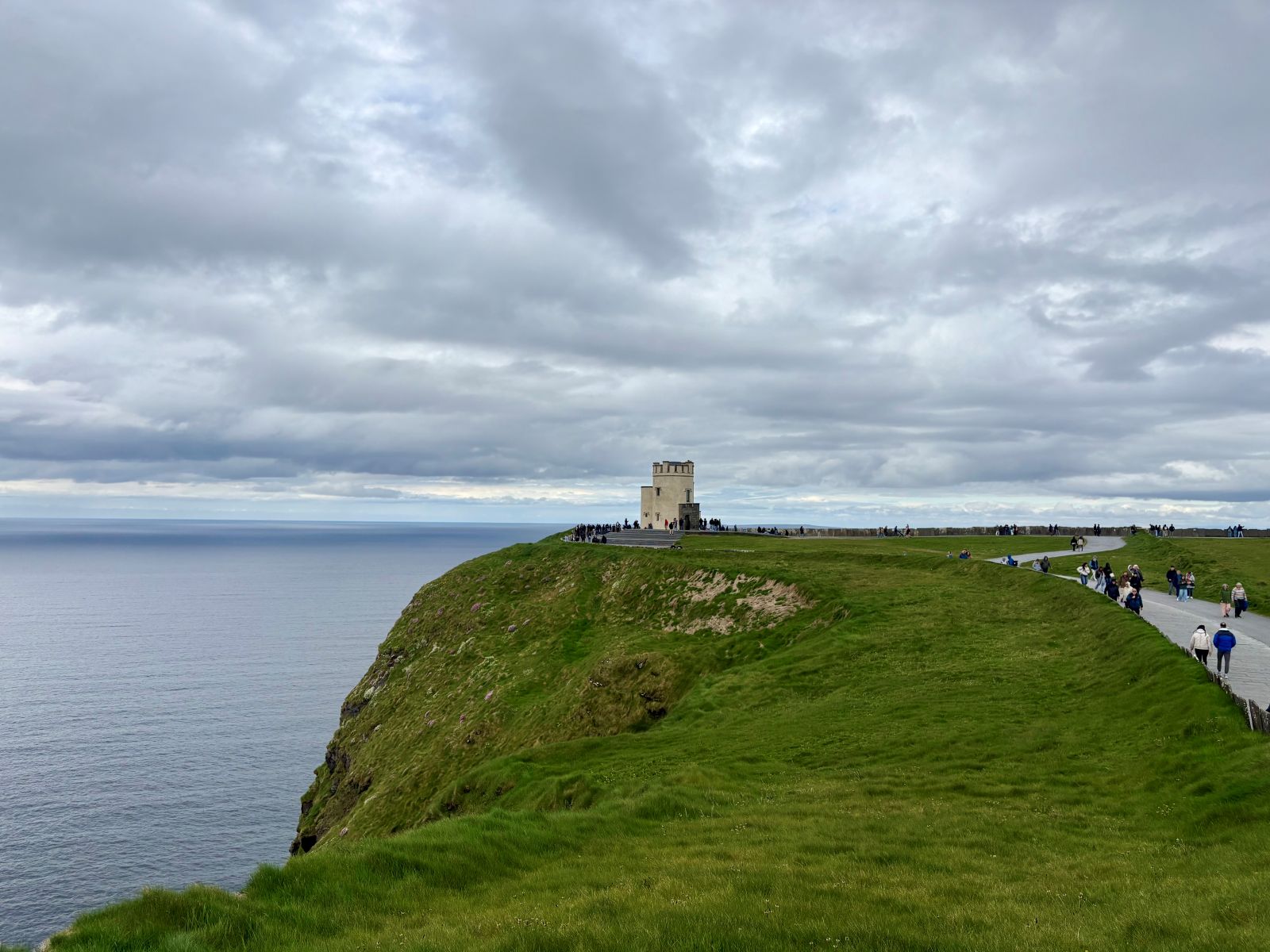
Wellness travel is often sold as something polished and expensive: spa hotels, retreat schedules, yoga classes, meditation sessions, and carefully designed programmes. Ireland wellness travel surprised me because it offered something much simpler.
What stood out most was how easy it felt to slow down. We drove through green countryside, stopped in small villages, walked along the coast, and regularly changed our plans because the weather or scenery gave us a reason to pause.
Ireland did not make me feel calm because every day was perfectly organised. It was almost the opposite. The landscape, slower pace, and space between stops made it easier to let go of the need to fit everything in.
A holiday may not undo months of stress, but the right environment can make rest feel more accessible. For me, Ireland was one of those places.
For that reason, Ireland may be one of the best destinations in Europe for a restorative wellness trip. Not in the luxury retreat sense, but in the quieter, more everyday sense: green space, coastal walks, scenic drives, slower days, and enough natural beauty to make switching off feel less forced.
Table of Contents
What Does A Nervous System Reset Really Mean?
The phrase “nervous system reset” has become increasingly popular online, but it can sometimes suggest that one holiday or one breathing exercise can completely undo months of stress. That is not how our nervous system works.
Stress is a normal biological response that helps us respond to challenges. The problem comes when we spend long periods switching between deadlines, notifications, decision making, and constant stimulation without enough opportunities to recover.
Travel may not erase stress, but it can create conditions that make recovery easier. A slower environment, regular movement, time in nature, fewer competing demands, and opportunities to rest can all make it easier for the body to move out of a constantly alert state.
Ireland offers many of these conditions without trying to market itself as a wellness destination.
Curious to explore the science behind this?
This blog draws on established behavioural science research and applies these principles to travel contexts. Sources are linked in our Evidence & Further Reading section.
Why Ireland Wellness Travel Feels Different
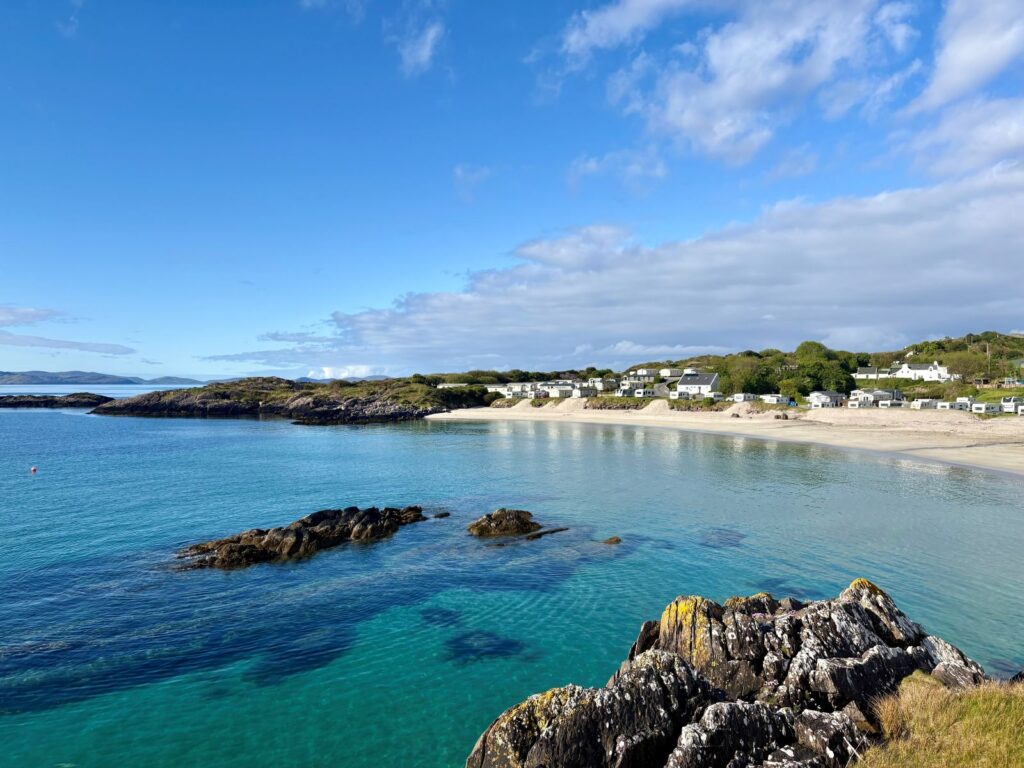
Every country arguably has beautiful scenery, but Ireland felt different because the landscape rarely disappeared. On many road trips, there are long stretches of motorways, industrial areas or dense urban development between the highlights. In Ireland, the scenery often becomes part of the journey itself.
Rolling fields, stone walls, grazing sheep, dramatic coastlines, and winding country roads create a sense of openness that is calming. Even driving between destinations rarely felt like wasted time.
After a while, the green stopped feeling like scenery and started to feel like the atmosphere of the trip. Yes, there are motorways and less scenic stretches, but the Wild Atlantic Way in particular can feel like a green-and-blue-space retreat in itself.
Research suggests that spending time in natural environments can reduce stress and mental fatigue while supporting attention and emotional wellbeing. Although no destination can guarantee these benefits on its own, being surrounded by nature can make it easier to slow down without feeling as though you are missing out.
If you would like to understand more about why natural environments can feel so restorative, you may also like to read about the benefits of green and blue spaces.
Best Places In Ireland For A Restorative Trip
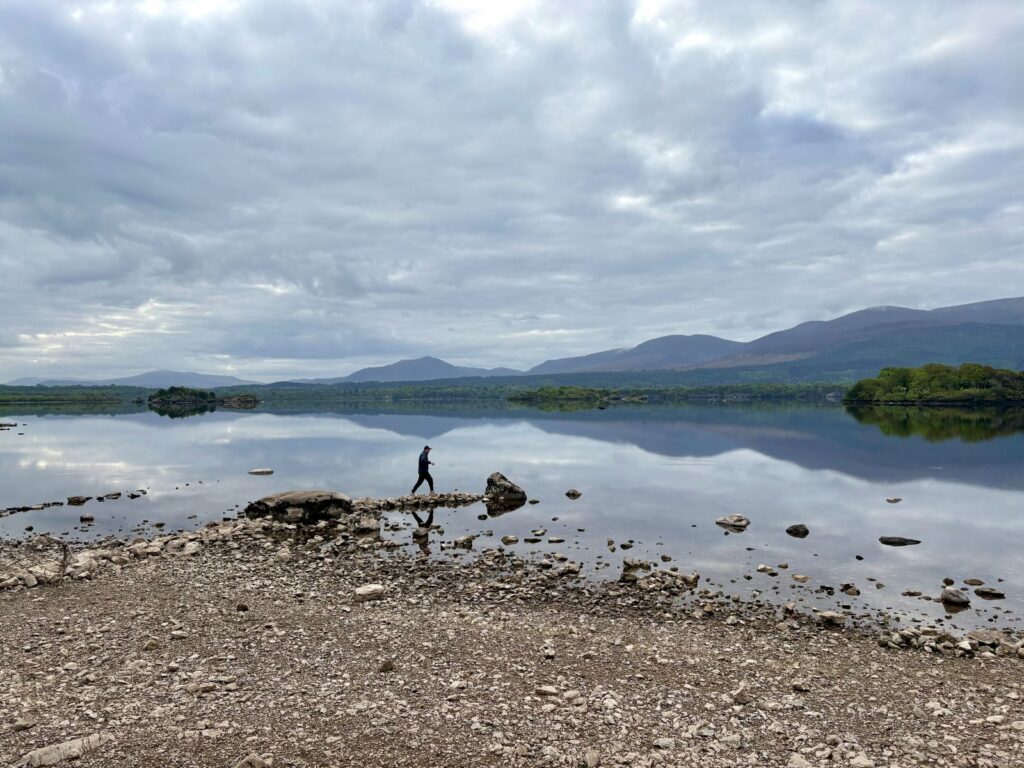
If you are planning a restorative trip to Ireland, it helps to choose regions that naturally support slower travel rather than trying to cover the whole country in one go.
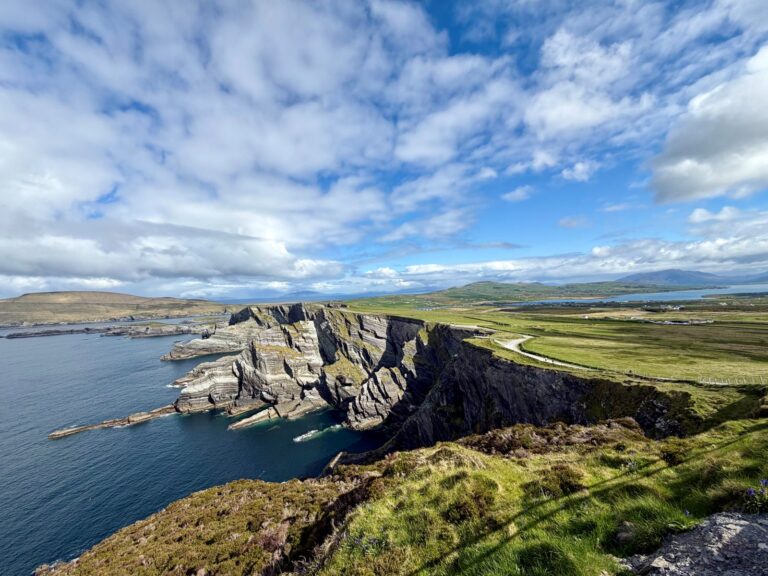
The Wild Atlantic Way is one of the strongest options if you want coastal scenery, sea air, small towns, and slower road-trip days. It is not just about one famous stop; the appeal is the way the coastline keeps appearing as part of the journey.
County Kerry works well if you want green landscapes, national parks, lakes, mountain views and scenic drives. It has enough well-known sights to feel memorable, but it also offers plenty of places where you can simply walk, pause and spend time outside.
County Clare is another good choice for a restorative Ireland itinerary, especially if you want cliffs, coastal roads, traditional villages and a slower rural feel. It gives you dramatic scenery without needing to overfill every day.
Connemara may suit you if you are drawn to open space, quieter landscapes and a less polished kind of beauty. It feels wilder and more remote, which can be especially restorative if you are trying to get away from constant noise and stimulation.
Killarney National Park is ideal if you want accessible nature without needing to plan a serious hiking trip. Lakes, woodland, walking routes and mountain views make it one of the easiest places in Ireland to build gentle movement into your day.
You Naturally Move More Without Trying
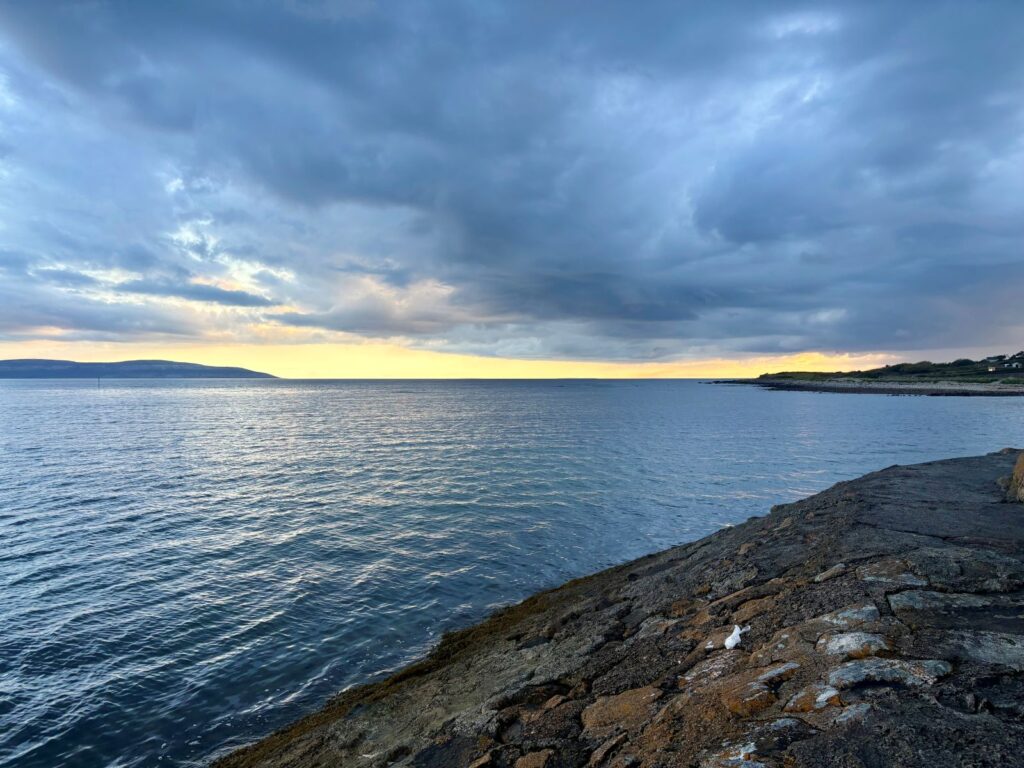
I noticed how often we ended up walking without really planning it. You do not need a serious hike in mind to spend time outside in Ireland; nature has a way of appearing between meals, drives, and small detours.
Small coastal towns invited evening strolls after dinner. Cliff paths encourage you to spend an hour outside simply watching the sea. Castle grounds, national parks, and village centres all felt designed for wandering rather than rushing.
Unlike holidays where every activity needs booking weeks in advance, many of Ireland’s best moments happened simply by deciding to explore on foot.
From a psychological perspective, gentle movement can help regulate both mood and stress. Walking also creates space for our attention to settle, particularly when we are surrounded by natural scenery rather than constant traffic and noise. It is movement without the pressure of a workout, which is something we explore further in our post on movement on the road.
There Is Less Pressure To Optimise Every Day
A lot of travel stress comes from the quiet pressure to make every day count. I struggle with this. I am a natural researcher and spend months planning a trip, so it is easy to fall into the habit of filling every hour with attractions, restaurants, and viewpoints.
Ireland made that feel unnecessary. Some of our favourite afternoons involved stopping for short walks, taking an unplanned detour along the coast, or spending longer than expected in a small village we had almost driven past.
Instead of feeling guilty for slowing down, it felt like slowing down was the point. For many travellers, that shift alone can reduce decision fatigue and make travelling feel restorative again.
Weather That Encourages You To Slow Down
Ireland’s weather is famously unpredictable. While that may not sound like a wellbeing benefit, I found it encouraged a different mindset.
This will not suit everyone. If uncertainty makes you anxious, Ireland’s weather can feel frustrating at first. But with a looser itinerary, it can also take some pressure off the idea of a perfect travel day.
Plans become more flexible because they have to. You pause for coffee, or quite possibly a Guinness, when the rain arrives, then head back outside when it clears.
We were incredibly lucky that we had sunshine for the majority of our trip, but that flexibility still created room for spontaneity instead of constant optimisation. Accepting that the day may unfold differently than expected can be surprisingly freeing.
The Coastline Invites You To Pause
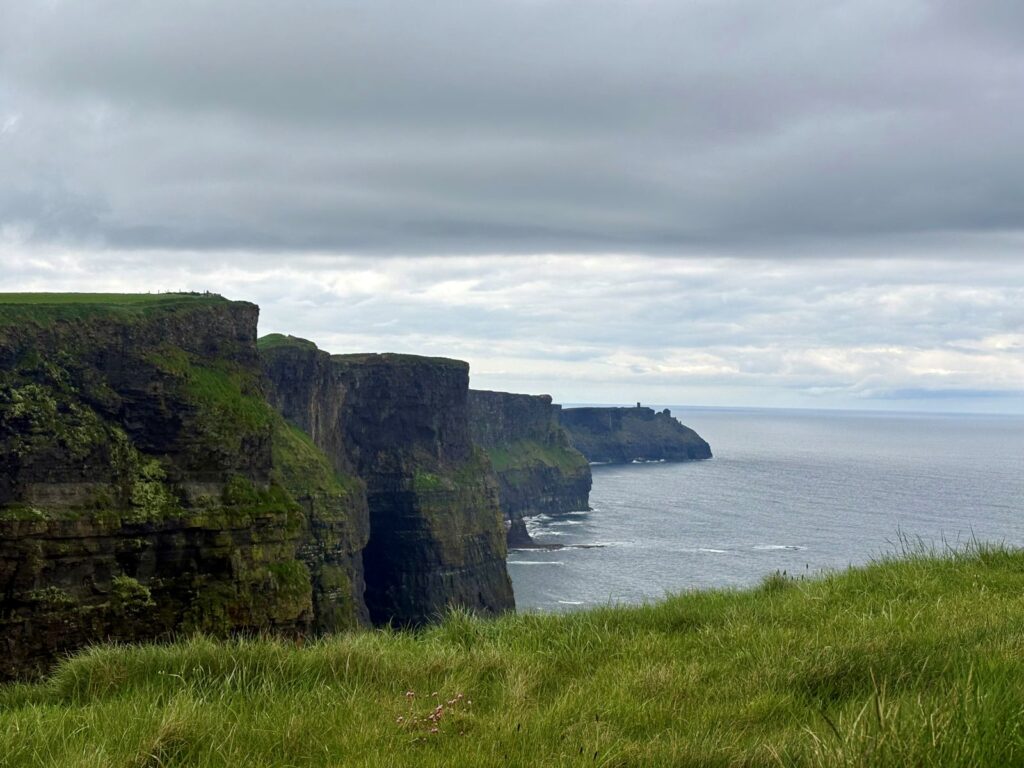
Some of my favourite moments happened beside the ocean. Whether it was standing above the Cliffs of Moher, or searching the coastline with my binoculars for puffins (unfortunately no luck this time), the coastline felt as though it encouraged stillness. There was no pressure to achieve anything.
Psychologists have long been interested in the restorative effects of natural environments, and growing research suggests that coastal settings may support mood and stress recovery for many people.
Ireland offers countless ways to spend time beside the sea without needing expensive tours or luxury accommodation, which makes coastal restoration feel more accessible than a formal retreat.
Who Ireland May Suit Best
Ireland may suit travellers who feel overstimulated by dense cities, rigid sightseeing schedules or trips that require constant booking and decision making. It is especially good if you like scenic drives, gentle walks, coastal stops, small towns, and days that can change with the weather.
It may be less ideal if you need guaranteed sunshine, low-cost accommodation in peak season, or a highly predictable itinerary. A restorative Ireland trip works best when you leave space for weather, driving time, and unplanned stops.
What Can Make Ireland Feel Less Restorative
Ireland can stop feeling calming if you try to cover too much in one trip. Long driving days, one-night stays, expensive last-minute accommodation, and pressure to see every famous viewpoint can quickly turn a restorative route into another overpacked itinerary.
For a calmer trip, it is better to choose one region and experience it properly than to race across the whole country. The point is not to see every cliff, castle, and village. It is to give yourself enough space to actually feel where you are.
This is where Ireland wellness travel works best: not when every day is packed, but when you leave enough room for slower drives, small detours and decisions that protect the pace of the trip. On our recent visit, for example, we could have added the Blarney Stone to our route, but it would have created more driving pressure and left us with limited time to actually enjoy the site. Deciding against it felt like a relief, and it made the trip feel calmer overall.
This is especially true if you are planning an Ireland road trip. On a map, distances can look manageable, but smaller roads, photo stops, changing weather and scenic detours all take time. A route that looks efficient can quickly become tiring if you are changing accommodation every night.
How To Plan A More Restorative Trip To Ireland
If your goal is to come home feeling genuinely rested, resist the temptation to see everything. A calmer Ireland itinerary usually works better when you choose one or two regions and stay at least two nights in each place, rather than changing accommodation every day.
Seven to ten days could be spent slowly between County Kerry, County Clare, Galway, Connemara or part of the Wild Atlantic Way without needing to race across the whole country. Choose accommodation close to walking routes, small towns or the coast where possible, so time outside becomes part of the day rather than another planned activity.
Shoulder season may also suit this kind of trip better than peak summer. Spring and early autumn can still bring unpredictable weather, but they may feel calmer than the busiest months, especially in popular towns and along well-known driving routes.
It is also worth leaving space for the pub scene, even if you are not a big drinker. Irish pubs are often part of the culture rather than just a place to drink heavily. A quiet drink, live music, conversation or simply sitting somewhere warm after a day outside can all be part of the experience without turning into a late night.
Leave room for unplanned cafés, scenic drives, traditional pubs and small villages that are not listed in every guidebook. Some of the most memorable moments often happen when nothing particularly exciting is scheduled.
Ireland May Not Solve Burnout, But It Can Support Recovery
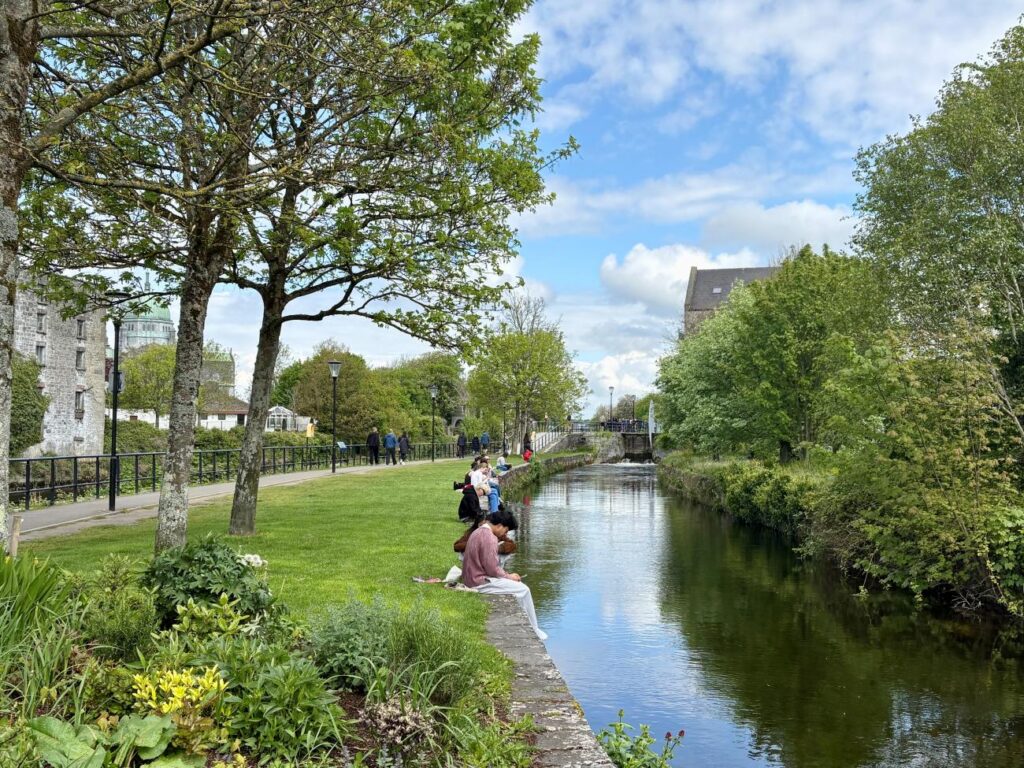
It is unlikely that a destination can fix chronic stress on its own. Real recovery often depends on what happens when you return home as much as what happens while you are away.
But some places make it easier to reconnect with the habits that support wellbeing. For me, Ireland was one of those places.
This is where Ireland wellness travel feels most convincing. Not because the country is trying to sell itself as a retreat, but because its green landscapes, slower pace, quiet roads and endless opportunities to spend time outdoors, or inside cosy cafés and pubs, created an environment where slowing down felt natural rather than something I had to force.
If your idea of a good holiday is coming home feeling calmer than when you left, Ireland may be one of the most restorative destinations in Europe.
For more travel wellbeing guides, slow travel ideas and psychology-informed destination articles, you can explore more on Nomadic Balance.
This article is for general informational purposes only and is not intended to replace personalised medical, psychological, or professional advice.