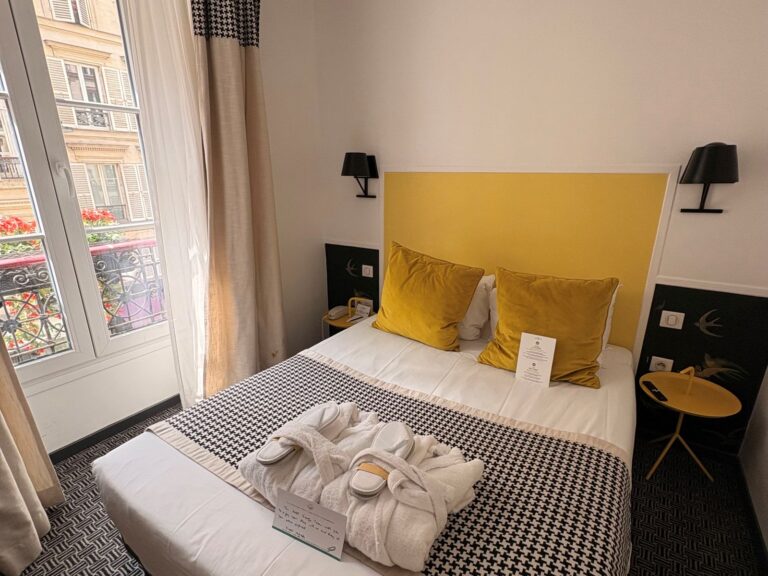
10-Minute Morning Routine for Travel: How to Adapt and Feel Grounded Anywhere

This 10-minute morning routine for travel is designed to help you feel grounded and settled, wherever you wake up.
Travel has a way of knocking our routines around. One night you’re in your own bed, the next you’re somewhere new, sleeping differently, eating at odd times, and adjusting to a different culture. You might wake up feeling flat, foggy, or unsettled, even though you’re somewhere exciting. It’s a common travel experience, and it doesn’t mean you’re doing anything wrong.
Over time, I’ve found that the fastest way to feel grounded in a new place isn’t through strict schedules or early alarms, but through a simple, intentional 10-minute morning routine for travel that helps your body settle in. This isn’t a productivity hack. It’s a travel wellbeing routine designed to gently support your nervous system, help your sleep–wake rhythm adjust, and create a steadier sense of presence – so you can enjoy the day ahead with more energy, clarity, and ease.
The 5-Step Morning Routine While Travelling
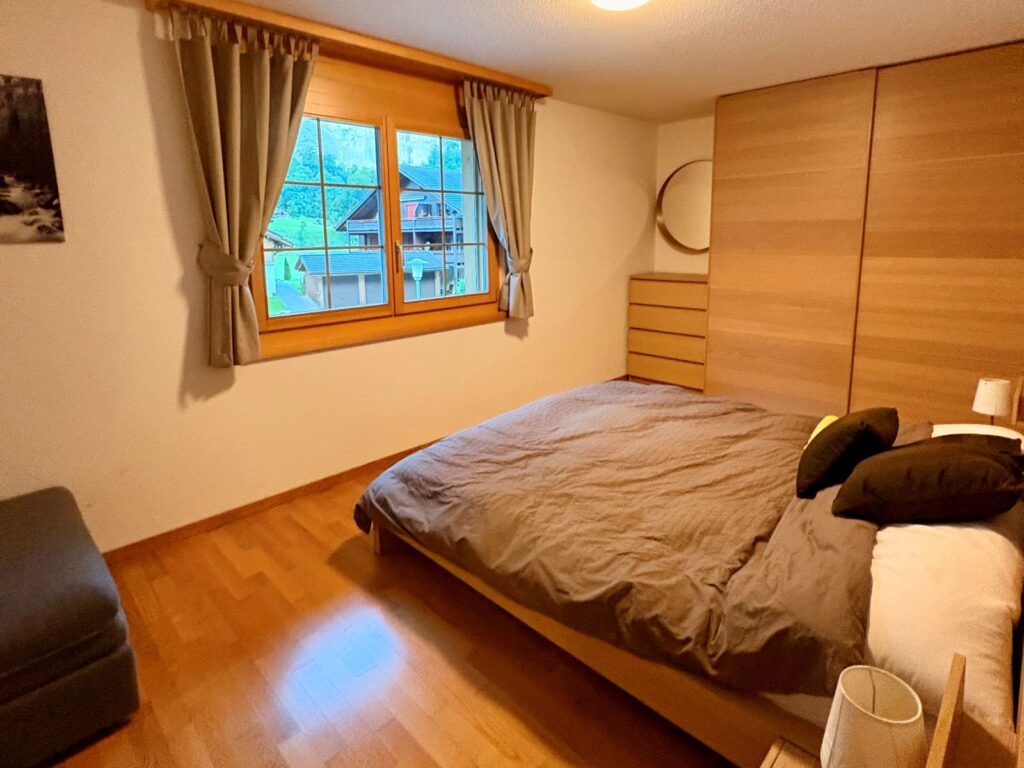
1. Start With Gratitude (30–60 seconds)
Gratitude is a simple way to support nervous system regulation, particularly when waking up somewhere unfamiliar. Before reaching for your phone or getting out of bed, take a few conscious breaths and bring to mind one or two things you feel grateful for.
This might be as simple as:
- “I’m grateful to wake up healthy this morning.”
- “I’m grateful to wake up in ______ (city).”
- “I’m grateful for the chance to explore today.”
This small shift sets the emotional tone for the day and helps your mind settle into the new environment. If journaling or meditation is already part of your life, you can add this in. Otherwise, keep it light. The goal is simply to begin your day with intention and positivity.
2. Hydrate Before You Do Anything Else (1 minute)
Travel often increases dehydration due to flights, air conditioning, disrupted sleep, and changes in routine. Drinking water first thing supports digestion, circulation, and cognitive clarity, and helps your body transition out of rest mode.
Keeping water beside your bed makes this step effortless and repeatable – it’s the first thing you reach for in the morning.
3. Get Natural Light (1–2 minutes)
Light exposure is one of the strongest signals for your circadian rhythm. Stepping outside, onto a balcony, or even standing near a window for a minute helps your body understand the time of day and your current environment.
This is especially helpful for jet lag, but even without time-zone changes, it can improve mood and support better sleep later on.
If natural light isn’t available, opening curtains or turning on a soft lamp can still help gently wake your senses.
4. Move Your Body Gently (3–5 minutes)
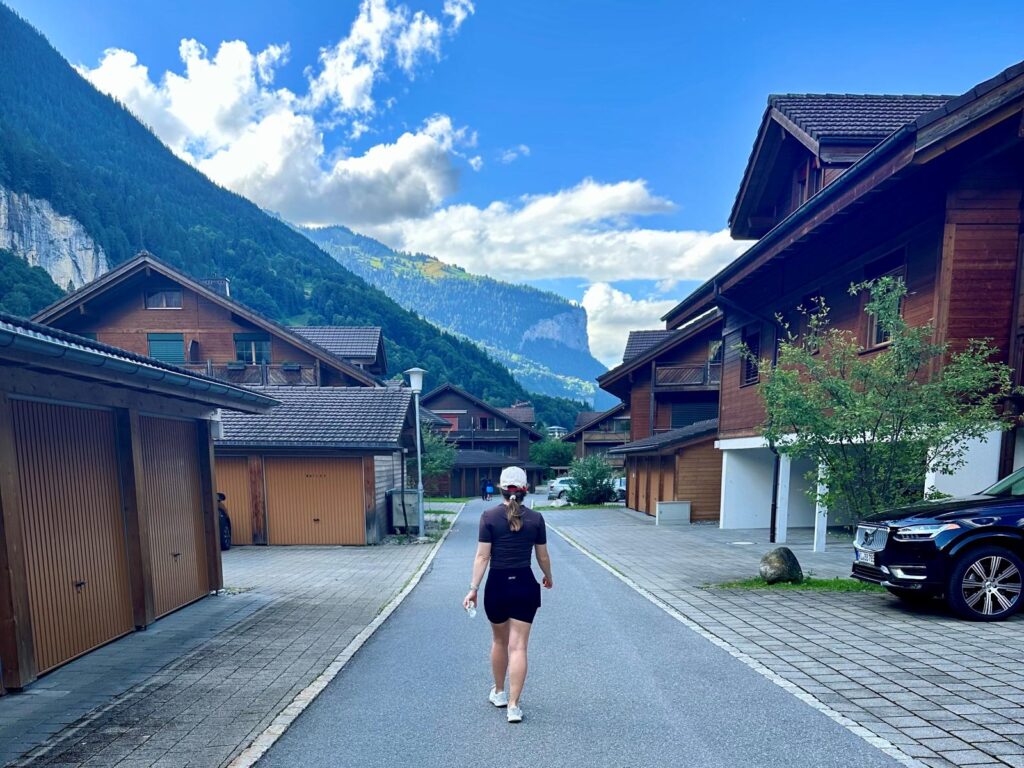
Think of this as “waking up your circulation.” No workout required.
Movement helps reduce stiffness caused by prolonged periods of sitting and supports a calmer nervous system state. You might try:
- A few slow stretches
- A short yoga flow (Yoga with Kassandra is my favourite and travel‑friendly)
- Walking around your room or accommodation
This isn’t about doing more, it’s about gently reconnecting with your body.
5. Spend the First 10 Minutes Away From Your Phone
For many of us, this is the hardest step, and often the most impactful. Checking your phone first thing can pull you straight into other people’s demands, information, and emotions before your nervous system has had a chance to settle. I explore this pattern more deeply in my guide to reducing screen time while travelling.
Looking at your phone shortly after waking can subtly raise stress levels, leaving your mood and attention shaped more by the outside world than by how you actually feel. Give yourself ten uninterrupted minutes, or more if possible. Let the morning belong to you.
Why This Travel Wellbeing Routine Works Anywhere

These small actions work together to help your body ease into the day. There’s nothing special you need and no perfect setup, just a few intentional minutes. Whether you’re in a luxury hotel or camping in a tent, this 10-minute morning routine for travel gives you a sense of familiarity that can make new places feel easier to settle into.
How to Adapt this 10-Minute Morning Routine for Travel to Any Trip
These micro‑habits work together to help your body adapt to new environments, gently, naturally, and without much effort.
Consistency matters more than getting it “right.” Some mornings will feel rushed or a bit messy; that’s just part of travelling. Even doing one or two of these steps can still make a difference.
Over time, your body starts to recognise mornings as a moment to settle, wherever you are. That sense of familiarity supports a more mindful way of travelling, even when your surroundings continue to change.
This article is for general informational purposes only and is not intended to replace personalised medical, psychological, or professional advice.