Using Public Transport in Seattle: When It Makes Sense (And When It Doesn’t)
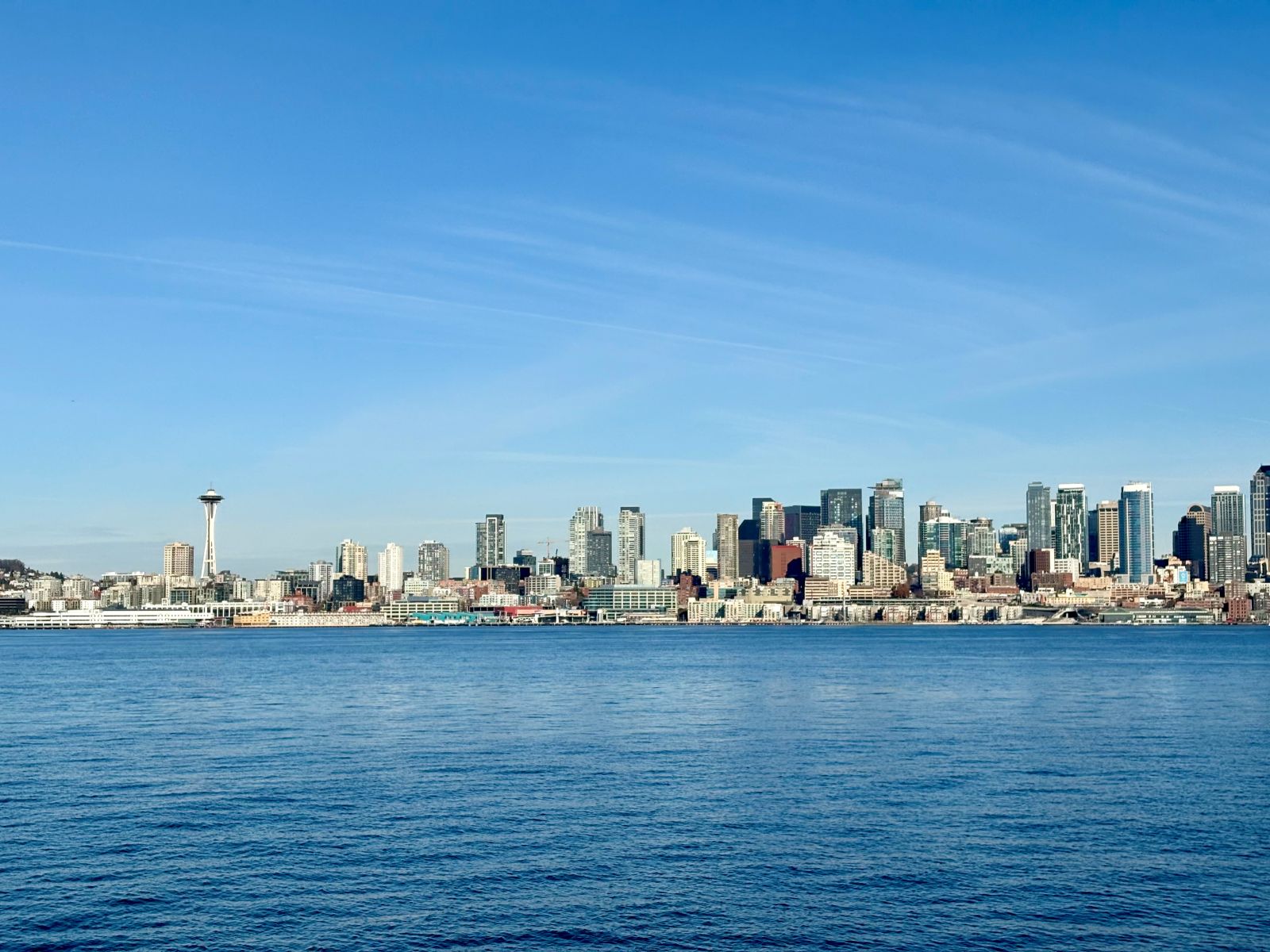
Seattle can feel different from a lot of US cities. The hills are steeper than they look on a map, the weather can shift quickly, and even the light feels greyer and heavier at times. It’s a city that asks a bit more from you physically and mentally.
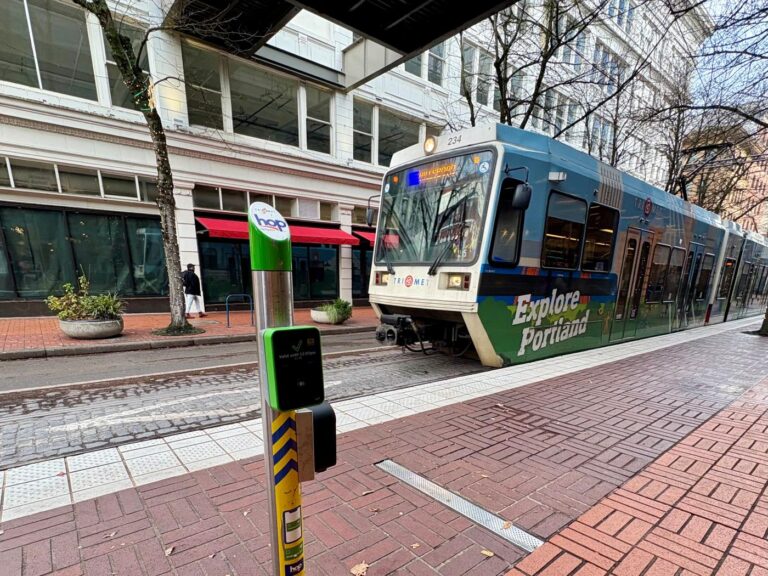
Although there are plenty of transport options, using public transport in Seattle isn’t quite as straightforward as somewhere like Portland. You’ll usually need to set up a physical ORCA card, and travel times can be longer, which means planning ahead matters more.
That matters because when you’re travelling, your cognitive load is already higher than usual. You’re navigating new streets, new systems, new social norms. Add hills, traffic, and longer journey times into the mix, and you may feel more tired than expected.
For some trips, public transport helps contain that load, especially if you’re staying centrally. For others, particularly if you’re based outside Downtown, hiring a car may actually simplify your day. It’s less about what’s “right” and more about how much decision-making and physical effort you want to carry each day.
Where You Stay Changes Everything
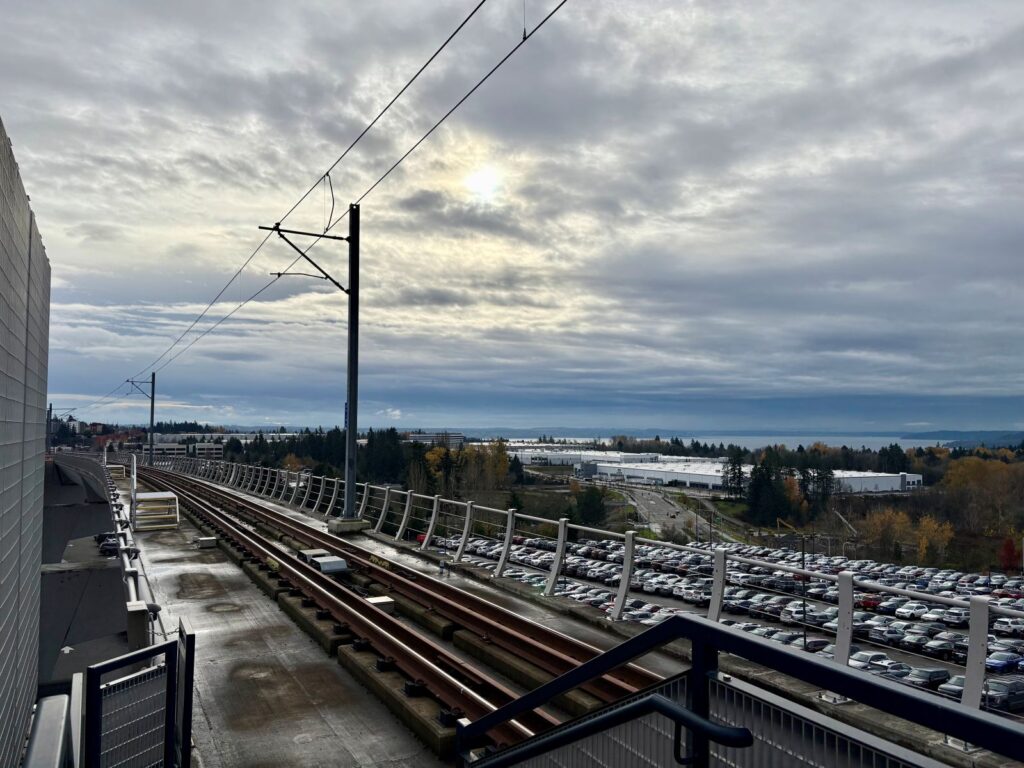
Seattle can be car-free, but it depends heavily on where you stay.
If you’re staying in Downtown, Capitol Hill, or near a Link Light Rail Seattle station, public transport is workable and often preferable. Airport access is straightforward, buses are frequent in central areas, and ferries offer a calmer way to cross the water, often with a welcome dose of fresh air and blue space.
But if you’re staying further out or planning to explore outer neighbourhoods or nature on the edges of the city, a car may genuinely reduce some background effort.
I say that from experience. I house sat in West Seattle without a car. There was a bus stop five minutes away, but services ran every 30 minutes and often took at least 30 minutes, depending on traffic, to reach Downtown. Public transport was absolutely possible, but it required more time than I’d anticipated.
Public transport remains my preferred way to travel. But in Seattle, where you stay matters more than you might expect. If you’re short on time and want to rely on Seattle public transport, staying centrally makes a significant difference.
When Seattle Public Transport Works Well
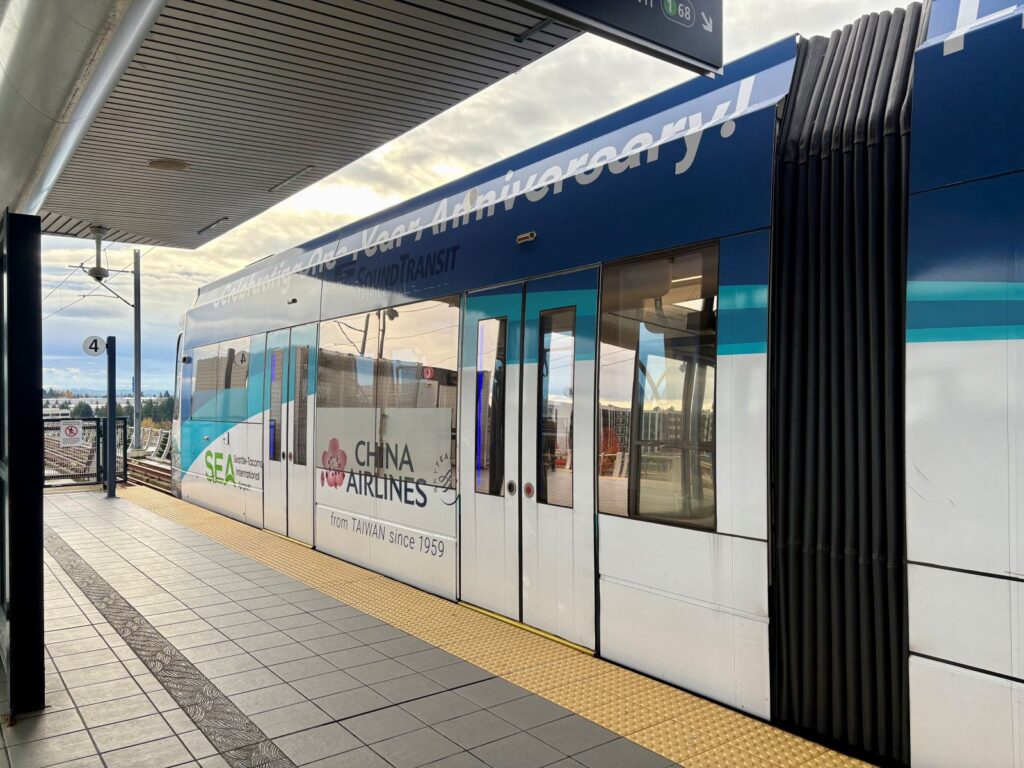
Seattle’s public transport is strongest along its main light rail corridor.
- Link Light Rail Seattle connects SEA-TAC Airport to Downtown, Capitol Hill, and the University District.
- Buses fill in much of the rest of the network.
- Ferries provide functional crossings and bypass road congestion.
If your accommodation is near these routes, car-free travel in Seattle often feels manageable. It won’t always be fast, but it can be predictable, and predictability reduces decision fatigue.
How To Pay: Understanding the ORCA Card Seattle System
Seattle uses the ORCA system. You can pay in three main ways:
- A physical ORCA card
- A digital ORCA card stored in your phone wallet
- Contactless debit or credit card tap-to-pay
Contactless payment has been rolling out more widely, but availability has varied. If you’ve travelled before, it may have felt inconsistent depending on the route.
Tapping a debit or credit card is the simplest option for occasional journeys. However, if you plan to move around frequently in one day or want a regional day pass, setting up an ORCA card (physical or digital) is usually more straightforward. Tap-to-pay does not allow you to preload day passes.
When I arrived, I tried to buy an ORCA card on the bus and couldn’t. Drivers don’t sell them. Cash is accepted (no change is given), but cards must be purchased at a light rail station, transit centre, or authorised retailer. Once I had a card and could manage it online, the system felt much easier.
If possible, locate a station or transit centre that sells ORCA cards early in your stay. Getting payment sorted upfront removes one layer of background effort for the rest of your trip.
What It Actually Feels Like Using Seattle Public Transport
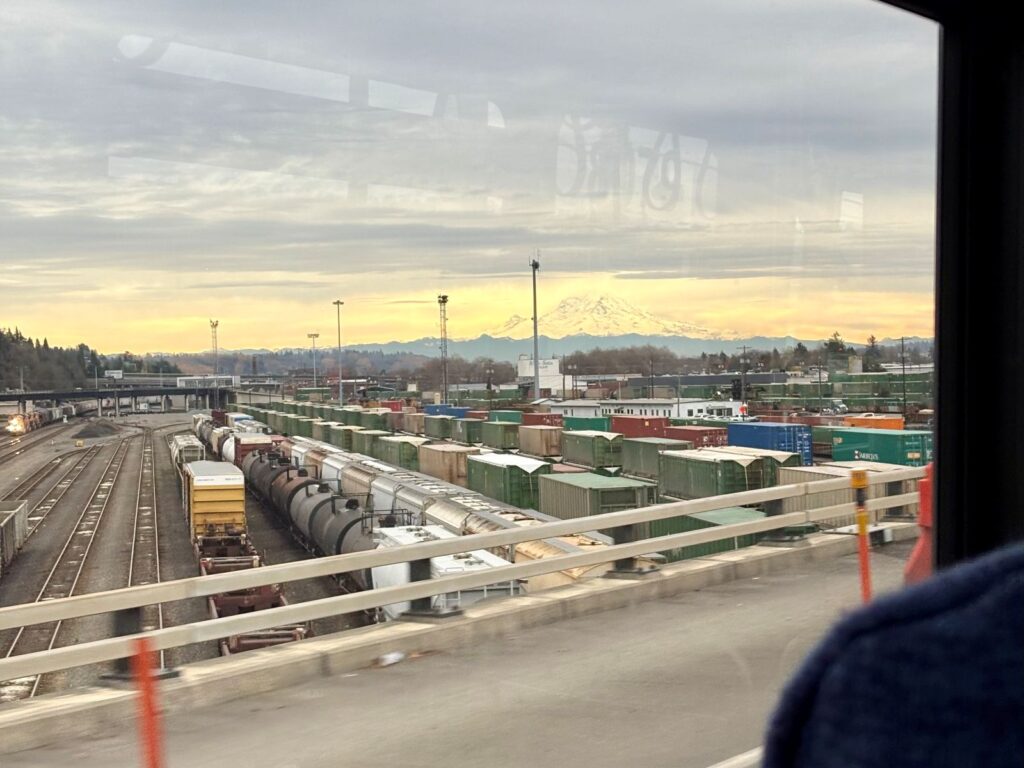
Using public transport in a new city can feel overwhelming at first. That’s normal. Your brain is processing unfamiliar routes, stops, and social cues all at once.
Overall, I found using Seattle’s public transport enjoyable. Some journeys were long, but once I understood the system, it felt manageable. Buses were typically clean, and once payment was sorted, the process felt routine. Most passengers were simply commuting.
Homelessness is visible in Seattle, including on public transport. It’s helpful to be prepared for that. I found sitting somewhere in the middle of the bus felt more comfortable for me. During the day, services felt functional and uneventful.
The light rail, in particular, felt spacious and reliable. For airport journeys, it’s an option I would highly recommend.
When Hiring a Car Makes Sense
Seattle looks compact on a map, but journeys can take longer than expected, particularly by bus.
Hiring a car can make sense if you are:
- Staying outside the central city
- Planning day trips beyond main transit corridors
- Visiting multiple spread-out neighbourhoods
- Exploring Mount Rainier, Olympic National Park, or coastal areas
In these situations, driving isn’t just about convenience. It can reduce long transfers and disjointed journeys, or simply make certain destinations accessible.
A balanced approach works well: stay central and car-free for most of your trip, then hire a car specifically for nature-based days.
Hills, Movement, and Energy Levels
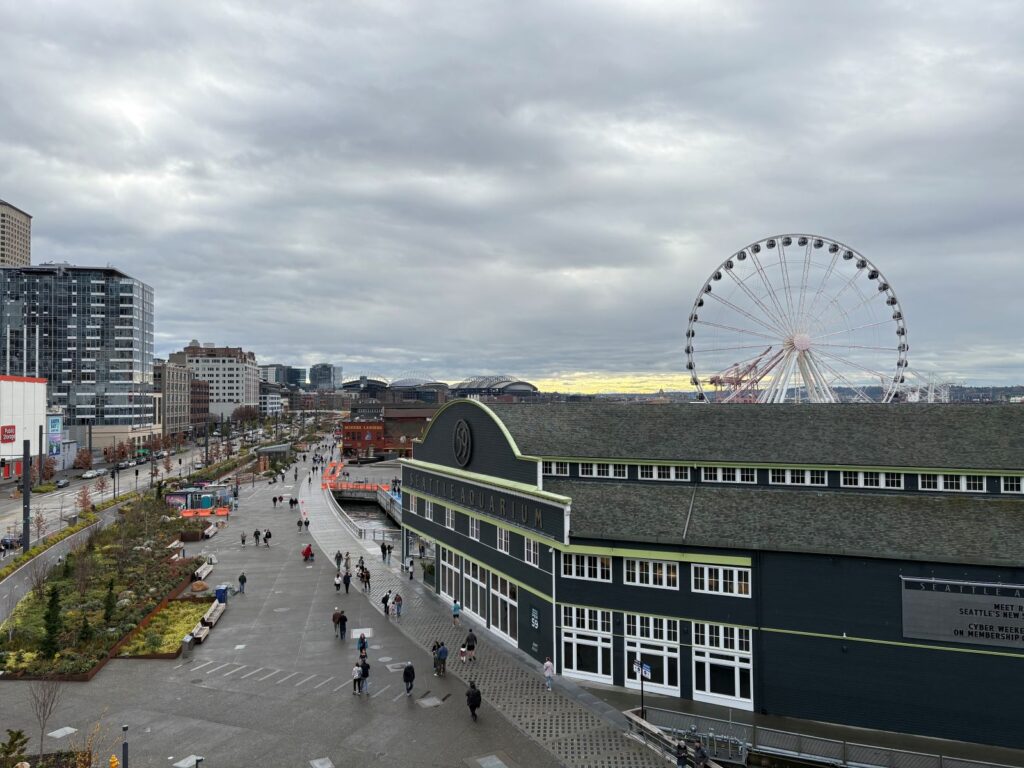
Seattle’s hills are part of its character, but they can change how your body experiences the city.
On Google Maps, a 20-minute walk doesn’t look significant. In reality, that walk might include steady inclines that raise your heart rate and leave you more tired than expected, especially if you’re already sleeping differently or walking more than usual while travelling.
Walking is a great way to add movement to your day (for more on this, see our Movement On The Road guide). But in Seattle, combining walking with light rail or buses can help preserve your energy levels. It means you can choose where to spend your physical effort, rather than using it all just getting from A to B.
Transport here isn’t only about time. It’s how much mental and physical bandwidth you want to use just getting around.
Nature You Can Reach Using Public Transport in Seattle
If driving in large US cities makes you anxious, it’s still possible to access nature without a car.
Discovery Park
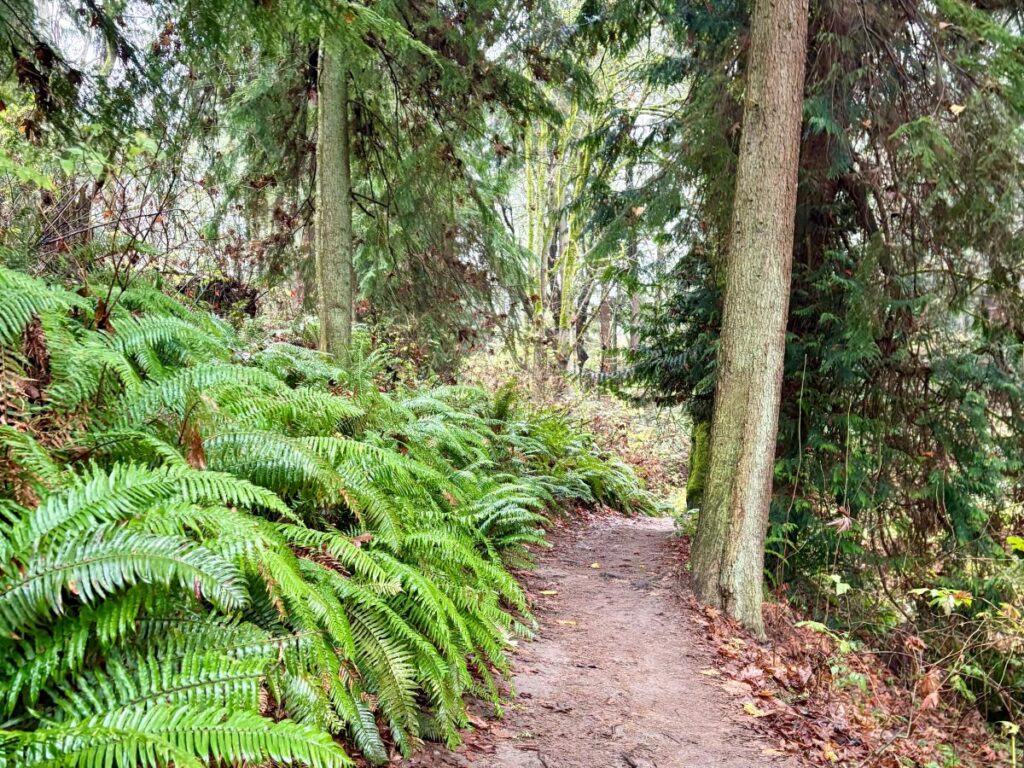
Bus routes 24 or 33 take around 30 minutes from Downtown. Rather than viewing the journey as lost time, it can be reframed as a lower-stress transition time: watching neighbourhoods shift as you move through them. The park offers multiple trail lengths, so you can match the walk to your energy level that day.
Lincoln Park
Located in West Seattle, accessible via the C Line (around 45 minutes from Downtown). There are coastal trails and quieter areas to sit near the water.
Seattle Waterfront and Elliott Bay Trail
From Pike Place Market, walk towards the Waterfront. The wide paths along Elliott Bay offer space for gentle movement and time near the water. If you don’t want to walk the full stretch, pedestrian bridges connect you to Elliott Avenue, where buses return to Downtown.
These options aren’t wilderness-level remote, but they provide accessible green and blue space without requiring a car, which can help you reset.
Final Thoughts on Using Public Transport in Seattle
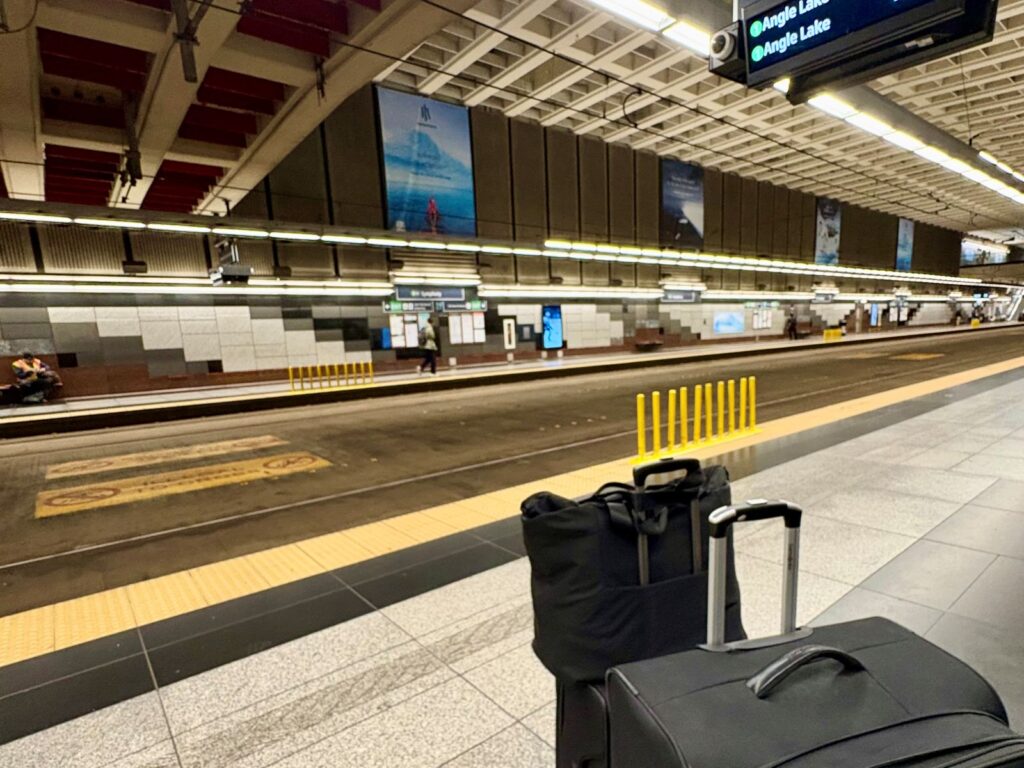
Using public transport in Seattle can ease some of the background tension that comes with driving in an unfamiliar city, particularly if you are staying in a well-connected area.
It is not the fastest system, and it does require a little setup. If you are based further out, it may not always be the most efficient option. But once you understand the routes and have payment sorted, it can become a predictable and reliable means of travelling the city.
Seattle is a city of changing landscapes, and getting around can take more effort than it first appears. If you’re staying centrally, using public transport in Seattle can reduce mental and physical strain while still allowing you to take in the city.