Using Public Transport in San Francisco: A Lower-Stress Way to Move Through the City
San Francisco is one of those cities where not having a car often makes travel easier, not harder. Between congestion, limited parking, and famously steep hills, driving can add effort to days that are already full of new information.
For many travellers, using public transport in San Francisco becomes less about saving money, though it often does, and more about reducing mental load. Fewer decisions, less vigilance, and more room to actually notice where you are.
If you’re prioritising lower cognitive load, predictable movement, and a more sustainable way to explore, San Francisco’s public transport system is well-suited to car-free travel.
Table of Contents
Why Using Public Transport in San Francisco Often Feels Easier Than Driving
Driving demands constant attention: traffic, navigation, parking rules, hill starts, and time pressure. Public transport shifts much of that cognitive work elsewhere.
Once you’re on a bus or train, the task is simple: you’re being carried through the city. That predictability matters in a place where the physical environment already asks a lot of you.
In San Francisco, public transport supports a travel style that reduces decision-making and logistical effort; you’re not shielded from the city, but you’re relieved of the task of navigating it yourself.
How San Francisco Is Laid Out (And Why That Matters for Transport)
San Francisco is compact but intense. Neighbourhoods are close together, yet separated by sharp elevation changes. Walking distances can look short on a map and feel very different in reality.
This geography is exactly why the San Francisco transport system works best when you mix modes: short walks paired with buses, light rail, or the occasional cable car, rather than relying on one method for everything.
San Francisco Public Transport at a Glance
San Francisco’s network includes:
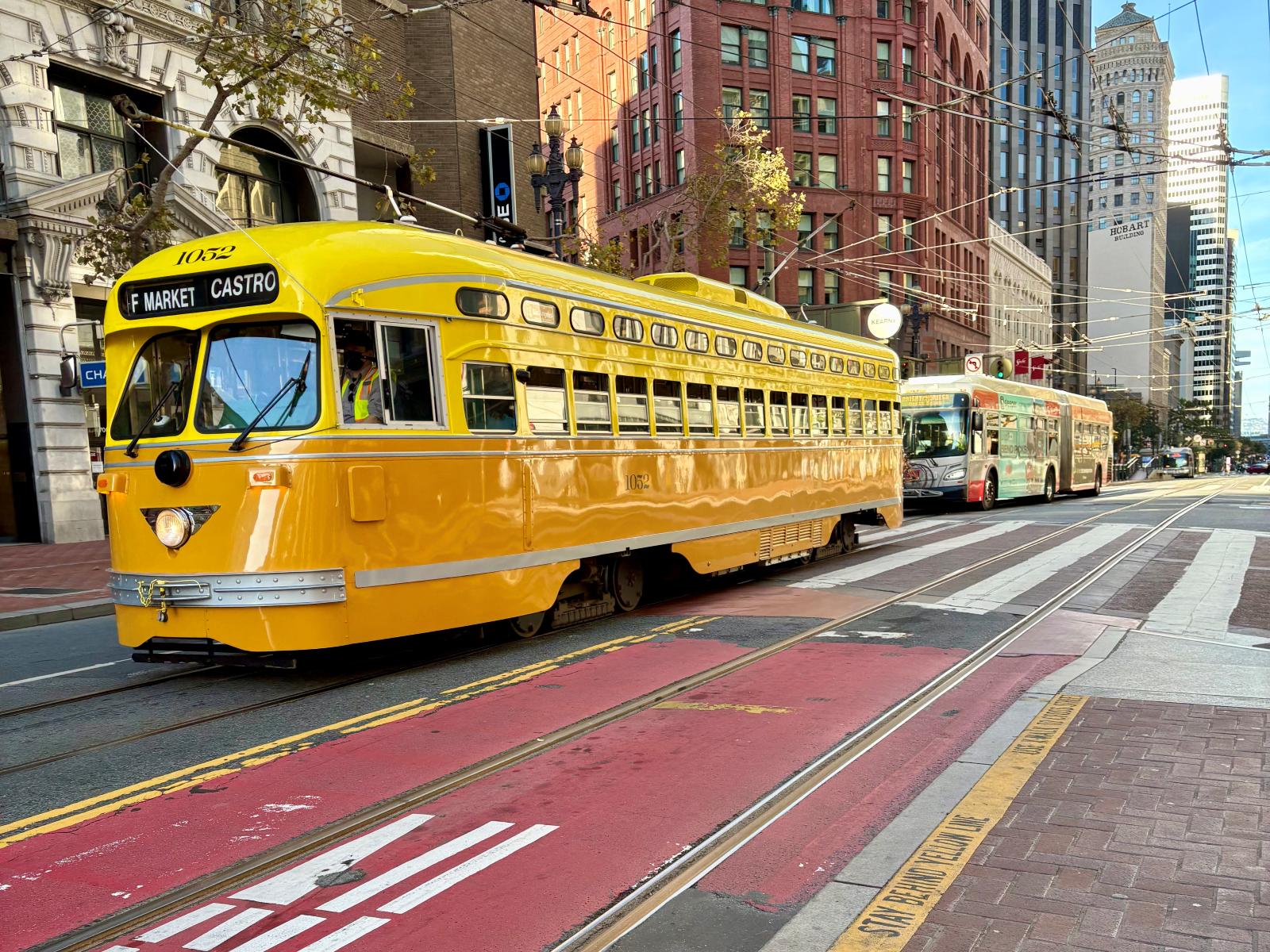
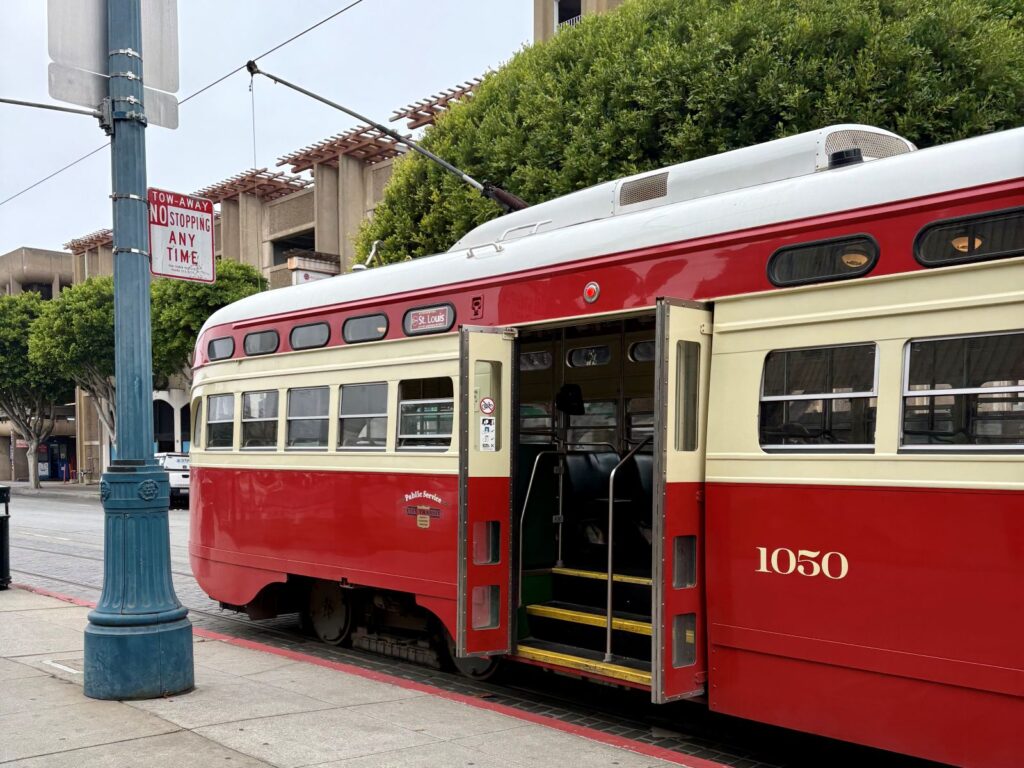
- MUNI: buses, light rail, historic streetcars, and cable cars
- BART: regional trains and direct airport connections
- Caltrain: longer-distance rail heading south toward Silicon Valley
Most visitors rely primarily on MUNI for day-to-day movement, with BART used for airport transfers or regional trips. BART connects directly to San Francisco International Airport (SFO), making arrival and departure straightforward without needing a car or rideshare.
You also get to take in San Francisco’s distinctive housing architecture along some routes: the colour, density, and steep streets are much easier to notice when you’re using public transport in San Francisco.
Choosing Transport Based on Energy, Not Efficiency
One of the easiest mistakes to make while travelling is choosing transport based purely on speed. In San Francisco, energy can matter more.
A slightly longer route that avoids hills, crowding, or constant transfers can feel better by the end of the day. Public transport gives you that flexibility. You can adapt based on how your body and attention are feeling, not just what looks fastest on paper.
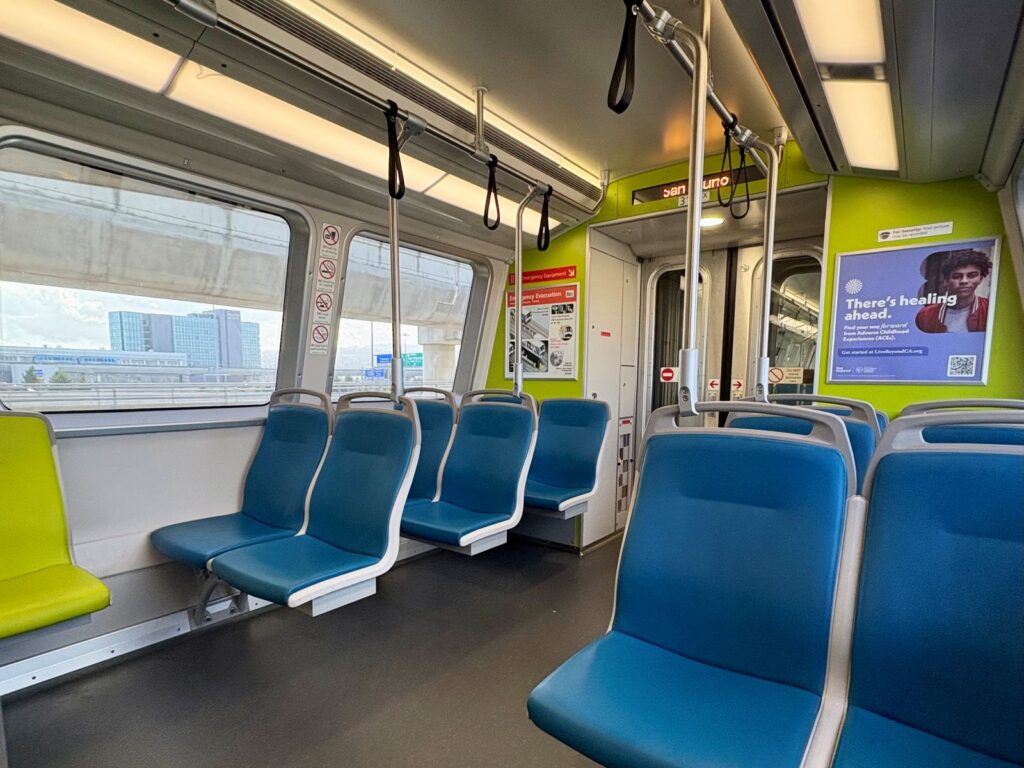
MUNI in San Francisco
What it feels like
MUNI buses and light rail are woven into daily city life. They’re functional, frequent, and generally predictable, especially along central routes. Buses can feel physically bumpy, and you may encounter people experiencing homelessness, which can be unfamiliar for visitors.
When it works best
For neighbourhood-to-neighbourhood travel, hill avoidance, and short to medium distances.
What to know
Payment is contactless via Clipper, and services run frequently throughout the day.
A helpful thing to know
Choose routes with fewer transfers, even if they take a little longer – it reduces decision fatigue and missed connections.
BART: Airport Transfers and Longer Journeys
What it feels like
More spacious and commuter-oriented than city buses.
When it works best
Airport transfers, trips across the Bay Area, or longer regional journeys.
What to know
BART stations are less dense within the city itself, so it’s often paired with MUNI rather than used alone.
A helpful thing to know
Use BART primarily for clear, single-purpose journeys rather than hopping between neighbourhoods.
Caltrain for Regional Travel
What it feels like
Calm, structured, and designed for longer rides.
When it works best
Day trips south of the city or onward travel toward Silicon Valley.
What to know
It’s not a core city transport option, but useful if your itinerary extends beyond San Francisco.
A helpful thing to know
Plan Caltrain journeys in advance so they stay contained and purposeful.
Ferries and Boats in San Francisco
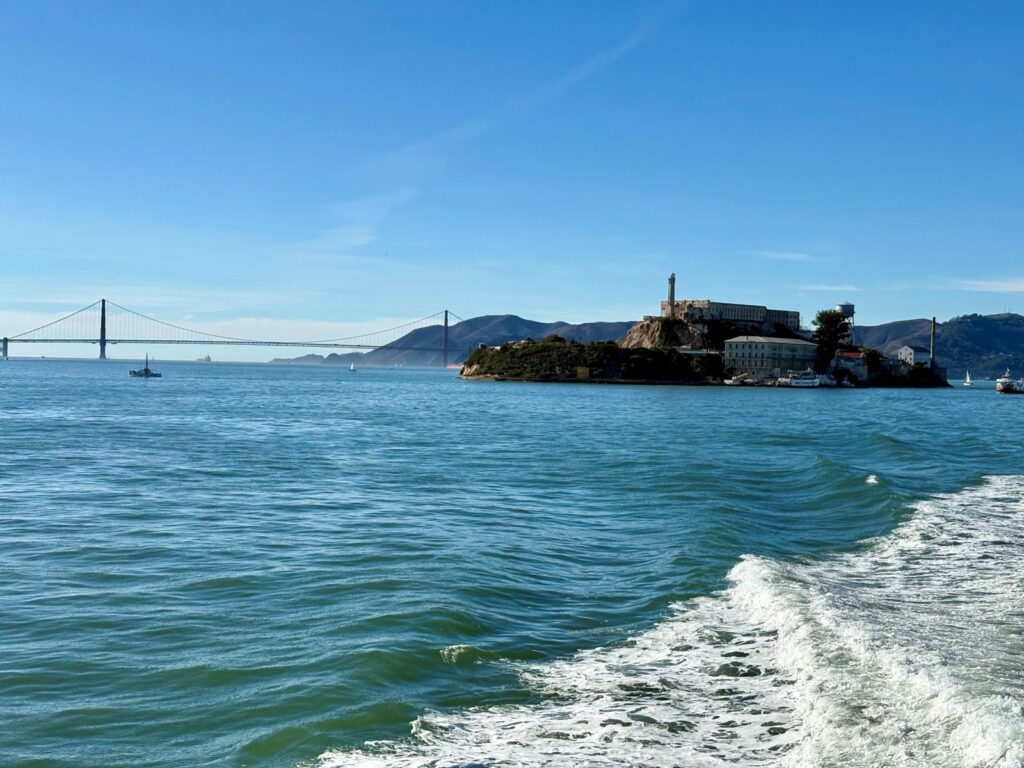
What it feels like
Open-air, with fewer sudden stops than road transport.
When it works best
For Bay crossings, such as Sausalito to downtown San Francisco, the journey itself becomes part of the experience. Some routes pass Alcatraz along the way, offering a perspective you’d usually plan a separate activity around.
What to know
Many ferries accept Clipper, but services run less frequently than buses or trains.
What helps it feel easier
Use ferries when the timing fits rather than building your day around them. Time on the water adds a sense of space that can feel mentally refreshing.
Walking in San Francisco
Walking is part of almost every journey in San Francisco, but it tends to work best in short, intentional stretches rather than as the default for the whole day.
Some areas, like Fisherman’s Wharf and the Marina District, feel comfortable and enjoyable to explore on foot. Others, particularly parts of downtown, can feel less settled, especially in the evening.
Combining walking with public transport lets you stay mobile while choosing where and when walking feels easiest and safest. It also helps conserve energy on hillier routes and keeps movement feeling supportive rather than draining.
Using Transport Apps in San Francisco
One of the strongest features of San Francisco’s public transport is how well the digital systems work together.
The San Francisco Public Transport App: Clipper
The Clipper card and app function as a single payment system across:
- MUNI
- BART
- Cable cars
- Regional transport services
Having one payment system across most Bay Area transport reduces friction for visitors, especially those unfamiliar with local fares or zones. You can use a physical card or add Clipper to a mobile wallet, removing the need to queue, handle cash, or switch systems between journeys.
It can also be set up before you arrive, which helps keep your first day feeling contained rather than chaotic.
Why Apps Reduce Travel Stress
Having one system across multiple services means no separate tickets, no fare-guessing, no cash handling, and fewer decisions mid-journey.
That simplicity is a big reason getting around San Francisco without a car feels more accessible than many visitors expect.
Real-Time Information and Predictability
Live arrival times, service alerts, and route updates allow you to make small adjustments without spiralling into replanning mode. Reliable information turns waiting into something contained rather than uncertain.
Sustainability Without the Pressure
San Francisco’s density makes shared transport far more efficient than private vehicles. Choosing buses and trains reduces congestion and emissions, but more importantly for many travellers, it reduces overload.
When the sustainable option is also the easiest, it naturally becomes part of a calmer travel rhythm.
Where to Stay for Easy, Car-Free Travel
Location has a noticeable impact on how smooth your days feel. Areas with strong transport links include:
- Union Square for maximum connectivity, though it can feel noisier and more intense
- Nob Hill for quieter evenings with transit access
- Fisherman’s Wharf for good light rail and cable car access, as well as tourist activities, is often a good option for first-time visitors
Staying near multiple lines gives you flexibility when plans or energy levels change.
Are Cable Cars Worth It?
Cable cars cost more than standard fares and aren’t an everyday mode of transport, but using one once or twice can make moving around the city feel lighter, especially on steep routes, while offering a distinctly San Francisco experience.
Travelling Flexibly, Not Perfectly
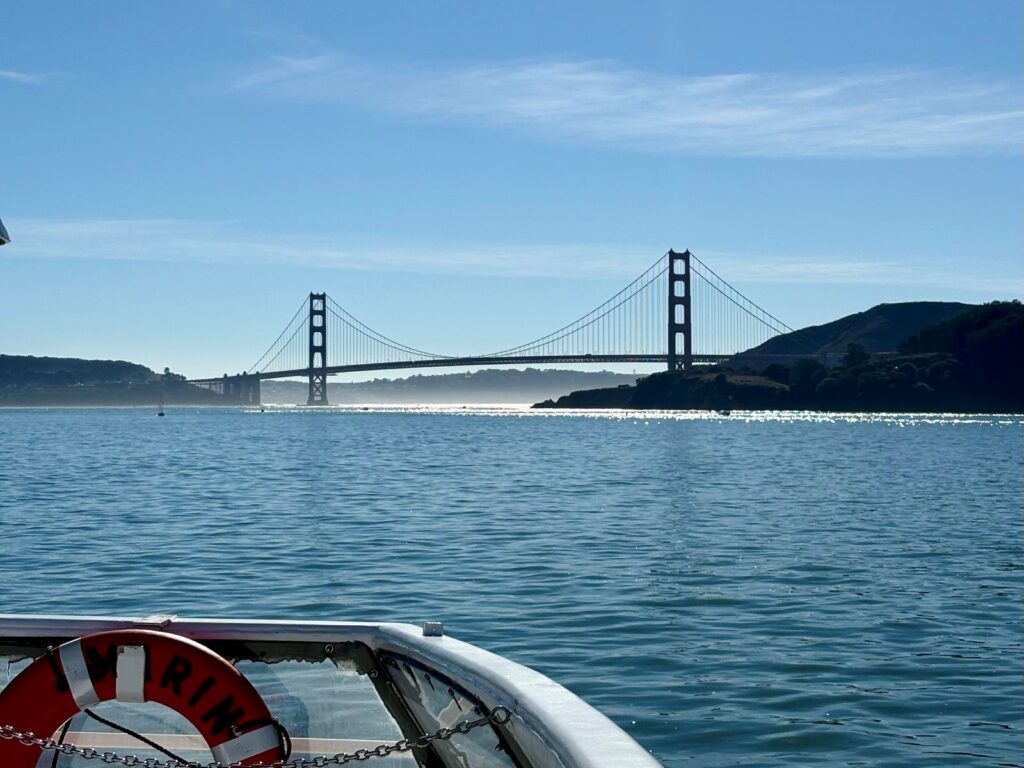
You don’t need to master the San Francisco transport system to use it well. Public transport works best when it supports adaptability, letting you move through the city with less effort, fewer decisions, and more presence.
In San Francisco, not driving isn’t a limitation; it often makes the experience feel lighter. With different options to choose from and an easy-to-use app for payment, public transport becomes a supportive part of the trip, and often a genuinely enjoyable way to see the city as you move through it.