The Psychology of Blue Spaces in Travel: Why Water Feels Restorative
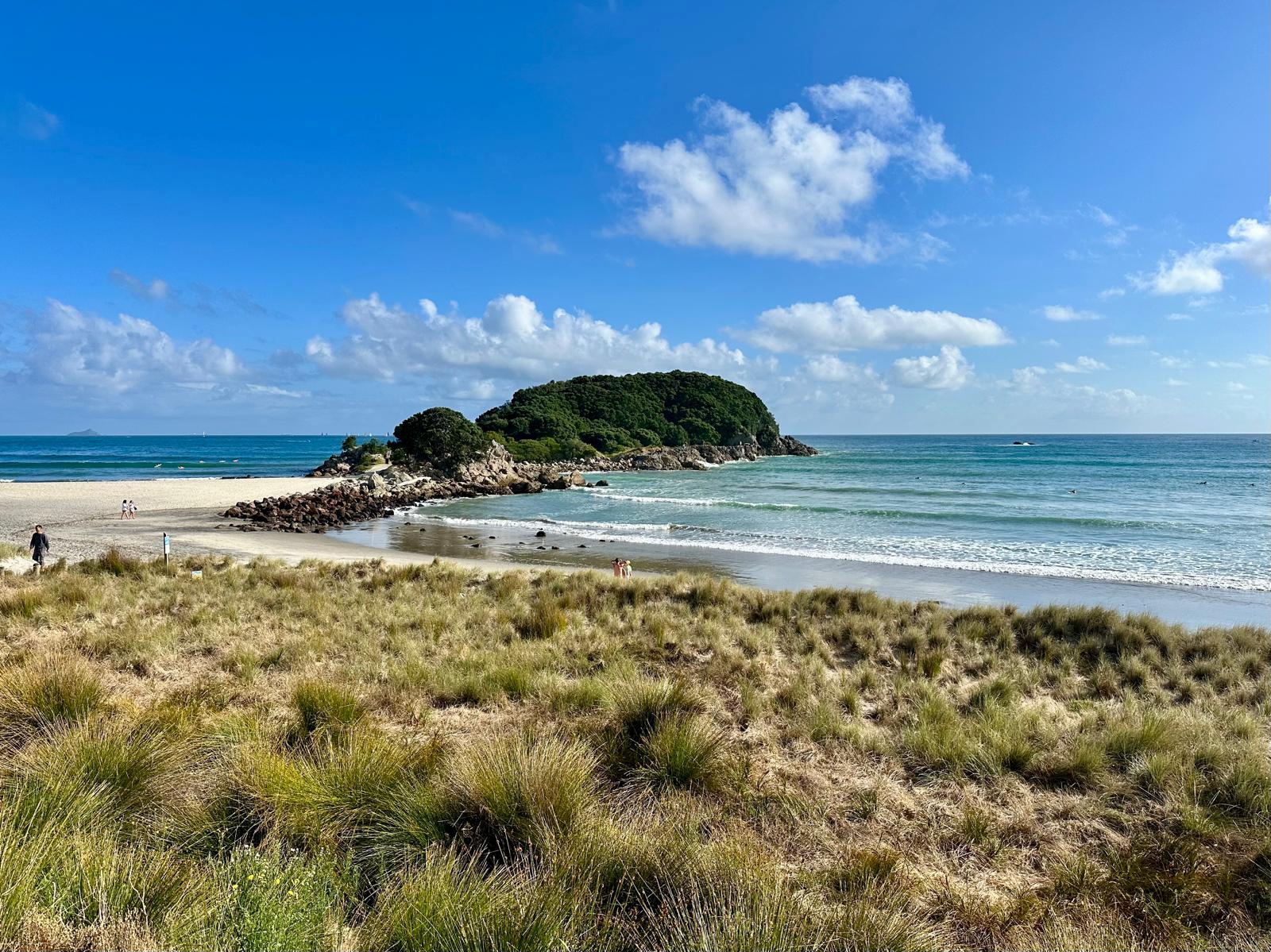
Travel is a stimulating experience, offering new places, environments, and decisions. But stimulation is not the same as restoration.
You can spend a whole day exploring somewhere beautiful and still feel mentally “on” by evening. Not unhappy, just slightly wired and tired in a way that sleep doesn’t immediately fix. This is where the psychology of blue spaces in travel becomes relevant.
If you’ve ever arrived somewhere near the sea, a lake, or a wide river and felt your shoulders drop before you consciously told yourself to relax, that shift isn’t random. Research across psychology and public health links exposure to water environments with improved mood, lower perceived stress, and stronger feelings of restoration.
If you’re trying to shape a trip that supports your wellbeing, not just your itinerary, it helps to understand why time near water can feel different.
While most of the research on blue spaces is conducted in general population settings rather than travel-specific contexts, the underlying psychological mechanisms (stress regulation, attention restoration, and reduced cognitive load) are highly relevant to how we experience travel.
Table of Contents
What Research Says About Blue Spaces and Wellbeing
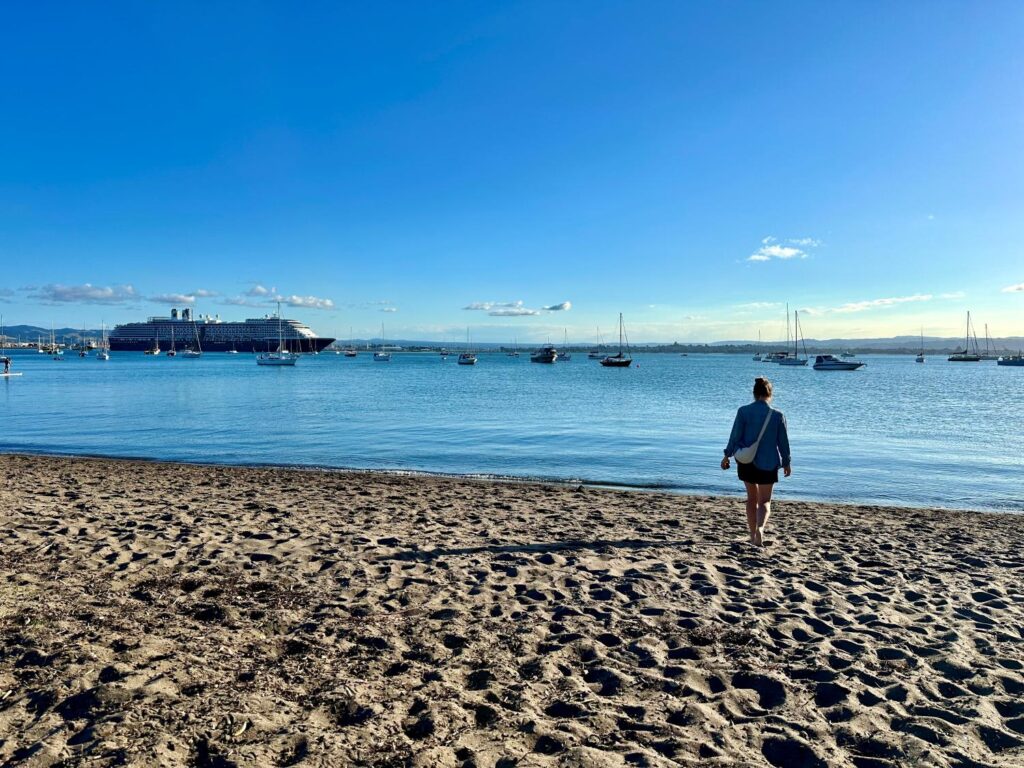
The term “blue spaces” refers to visible water environments in natural settings. The growing research around blue spaces and wellbeing suggests these environments are associated with improved mood, reduced stress, and greater psychological restoration.
When you travel, your brain is taking in far more than you realise; new transport systems, unfamiliar layouts, and background noise you haven’t learned to tune out yet. Even when it’s enjoyable, that steady stream of newness keeps you slightly switched on.
Water environments tend to create what psychologists call “soft fascination.” They hold attention gently, without demanding problem-solving or analysis.
When attention is captured effortlessly, the cognitive systems involved in planning and decision-making can rest. This helps explain why the benefits of water environments are often linked with reduced mental fatigue.
There is also a physiological layer. Research suggests that being near natural water can help people feel less stressed and more balanced, and in some cases may even lower physical signs of stress in the body. While this is not a clinical treatment for mental health conditions, it does suggest that time near water can support regulation in everyday travel contexts.
Why Water Feels Restorative When Travel Feels Overstimulating
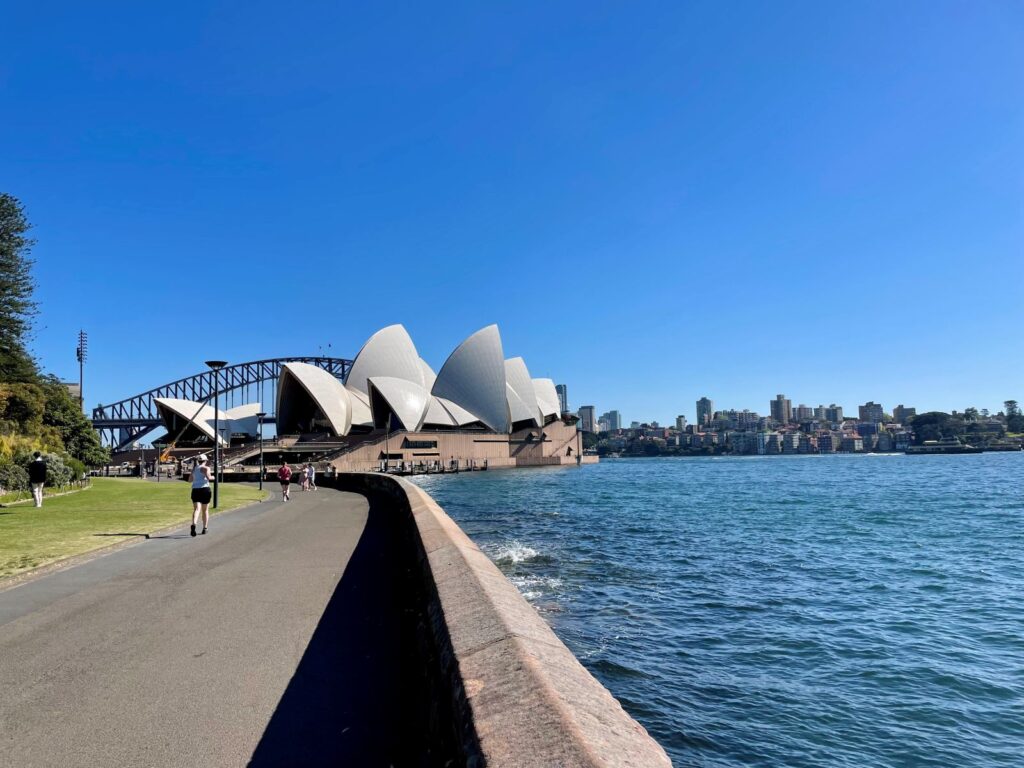
Travel can slowly become dysregulating. You’re making more micro-decisions than usual, navigating unfamiliar environments and adjusting to new routines. Even when it’s enjoyable, it’s effortful.
Natural water settings appear to reduce that cognitive effort. The sounds tend to be continuous rather than sharp, and the view is open instead of crowded with signs, traffic, or buildings. There’s less for your brain to sort through, which makes it easier to settle.
If you’ve noticed that coastal days feel calmer than dense city sightseeing days, that aligns with research on nature and mental restoration.
The 120-Minute Nature Threshold: What It Means For Travellers
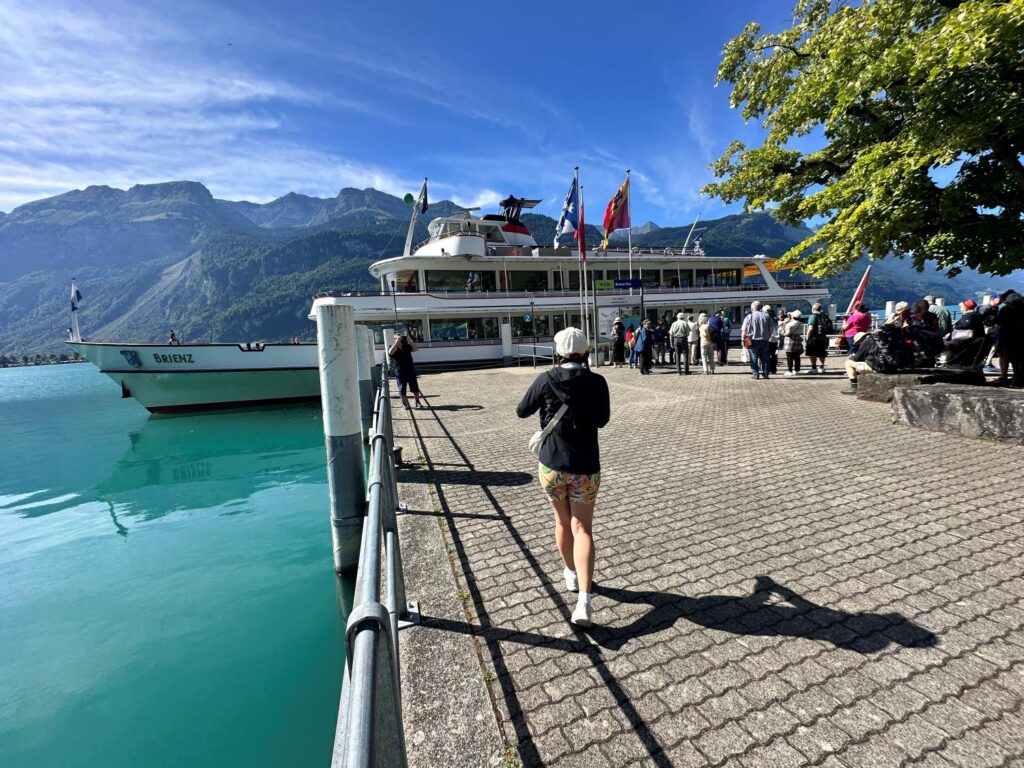
Large population studies suggest that around 120 minutes per week in natural environments, blue spaces, is associated with significantly better wellbeing outcomes compared to no exposure.
Two hours is not a retreat.
It might look like:
- Four short walks along a river
- An afternoon by a lake
- A slow ferry crossing without headphones
- Sitting near the sea without multitasking
For travellers, this reframes the goal. You don’t need to redesign your entire itinerary around remote landscapes. You simply need to accumulate time near natural environments. Consistency tends to matter more than intensity.
I’ve noticed that when I cross roughly that two-hour mark in a week, even in short segments, my travel days feel less mentally overloaded. Not dramatically different, but more balanced, and I feel more restored.
Blue Spaces and Digital Detox Travel
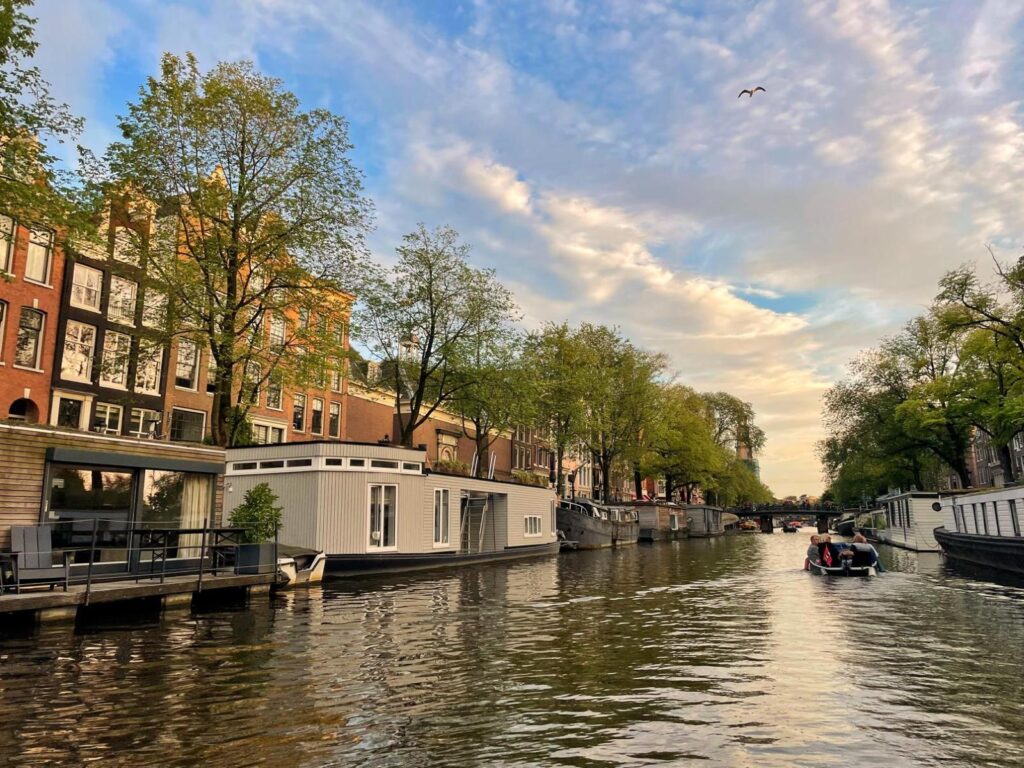
Digital stimulation and travel stimulation layer quickly. That’s why the connection between blue spaces and digital detox travel is important. Water environments appear to support attention restoration more reliably than heavily built-up environments in many studies.
But the effect depends on how you use the space. Scrolling beside the sea is still scrolling.
Restorative effects are stronger when attention is allowed to engage directly with the environment. This doesn’t require a rigid detox rule. It simply means creating short pockets of uninterrupted exposure:
- No background podcast or music
- No constant photographing
- No turning the moment into social media content
If your goal is regulation, treat time near water as recovery, not just scenery. For more ways to feel anchored on the road, see our guide to grounding practices for travelling.
Passive Vs Active Exposure: Do You Need To Swim?
Both viewing water and physically engaging with it are associated with wellbeing benefits. You do not need to swim in cold water or plan adventurous activities for it to count.
That said, gentle movement can amplify the effect.
For example:
- A slow walk along a river instead of sitting indoors overlooking it
- Swimming in a lake rather than observing from a busy promenade
- Choosing a quieter stretch of shoreline over a heavily commercialised waterfront
Gentle movement can strengthen the effect, particularly in areas that feel less built-up and less busy. That said, simply being near water still counts. Even views of water have been linked with improved psychological wellbeing in population research.
Restoration doesn’t have to be athletic, but adding gentle movement can support your wellbeing in two ways at once: through the calming effect of the environment itself and through steady, low-intensity movement.
How To Plan A Blue-Space Wellbeing Reset While Travelling
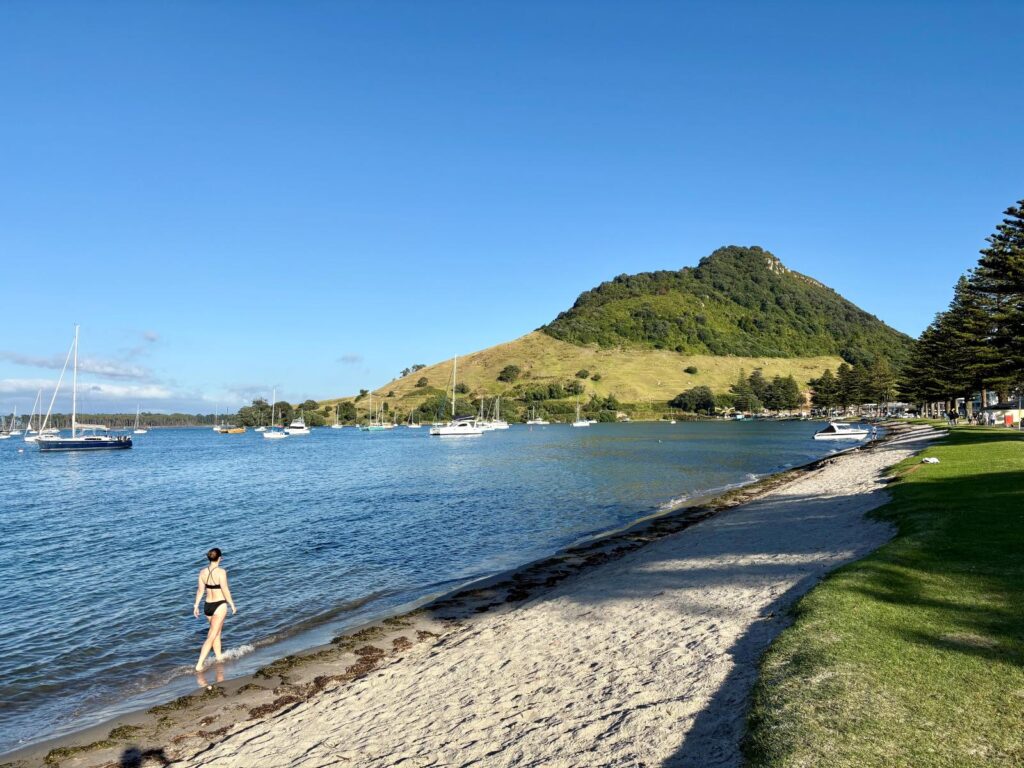
If you’re shaping travel around regulation rather than just landmarks, you can structure for restoration without overcomplicating it, whether that’s by the sea, a lake, or a river.
1. Make it easy
Choose accommodation within walking distance of natural water where possible. The easier it is to access, the more likely you are to use it.
2. Schedule it deliberately
Block two 45–60 minute windows across your week dedicated solely to being near water.
3. Digital detox
For part of that time, skip the headphones and keep your phone in your bag.
4. Move slowly (if you want to)
Aim for steady, unhurried movement – the goal isn’t step count.
5. Notice the after-effect
Pay attention to how you feel an hour later. Restoration often becomes clearer after you’ve left.
This isn’t about optimisation or getting it right. It’s simply a few gentle ways to help your mind enjoy the blue space without tipping into overwhelm.
What The Psychology of Blue Spaces in Travel Can And Cannot Do
The research behind the psychology of blue spaces is encouraging. Time near water, whether that’s the sea, a lake, or a river, is associated with improved mood, reduced stress, and stronger feelings of restoration.
These environments can support regulation and help your cognitive systems recover from sustained effort. They are not clinical treatments, and they are not substitutes for professional mental health care.
But as part of a broader approach to blue spaces and wellbeing or digital detox travel, they are among the more consistently studied environmental supports for psychological wellbeing.
You don’t need dramatic cliffs or tropical perfection. A quiet lakeside path or a stretch of river can offer the same shift. Often, what matters most is proximity, time, and slightly less input. That alone can be enough to feel more settled and naturally restored as you travel.