Solo Travel Mental Health: How To Stay Balanced
Solo travel is often framed as a form of freedom; you can go anywhere and shape your day however you want. But doing everything alone means you carry every decision yourself, making constant choices throughout the day. Every plan, every adjustment, every small choice sits with you. There is no shared buffer, and nothing gets offloaded.
In 2026, that load is becoming more noticeable. Travel is easier to organise than ever, but not always easier to settle into once you are actually there. There are more options, more input, and more pressure to make the most of your time. Over time, that can start to affect your mental health in subtle ways. You might feel more drained than expected, less settled, or slightly on edge without knowing why.
This is not a guide to doing more. It is a guide to protecting your mental health while travelling alone, so the experience actually feels as good as it looks.
For more guides that help improve your overall travel wellbeing, see our Wellbeing Hub.
Table of Contents
Why Solo Travel Feels Harder Now
Travel has become easier to organise. You can book flights, accommodation, and full itineraries in minutes. Although this may feel like this convenience removes the effort, it’s just changed where it shows up.
You are now managing a constant stream of decisions, such as where to go next, what to eat, and what is “worth it.” Even small choices start to pile up by the afternoon.
In psychology, this is known as decision fatigue. The more decisions you make, the harder the next one feels. When you are on a solo trip, there is no one to share the load. It is one of the most overlooked parts of solo travel wellbeing.
Curious to explore the science behind this?
This blog draws on established behavioural science research and applies these principles to travel contexts. Sources are linked in our Evidence & Further Reading section.
What Is Self-Regulation In Travel (And Why It Matters)
The way in which people approach travel is changing. We are starting to put less focus on how much we can see and more on how we feel while we are seeing it.
Self-regulation is your ability to notice what is happening in your body and mind, and adjust how you respond. It involves managing your energy, attention, emotions, and behaviour so they stay within a range that feels balanced.
At home, much of this happens automatically through routine and familiarity. When you travel, those cues are removed, so you have to regulate more actively. That is why even small disruptions can feel more noticeable than they normally would.
Self-regulation travel is not about slowing down for the sake of it. It is about staying balanced enough to actually enjoy where you are. In practice, this often means keeping a few consistencies in your day, such as sleeping at roughly the same time, eating healthily, and leaving space between activities. When those are in place, everything else becomes easier to handle.
When that balance slips, things start to feel harder than they should. Sleep can become disrupted, food may not properly support your energy, and even small decisions can start to feel heavier. It is not that the trip is going badly; it is that your system is overloaded.
Signs Solo Travel Is Affecting Your Mental Health
It usually shows up in small ways. You feel wired but tired, and might find yourself scrolling on your phone more than usual. Busy places feel overwhelming, but stopping still feels restless.
This is what it often feels like when your system is slightly out of sync, when your energy, attention, and mood are not quite settling in the way they normally would.
I have had days where everything looked perfect on paper (or on social media), but I felt completely off. That gap is usually not the destination, but how settled and balanced you feel within it. Recognising this early makes it much easier to adjust before it builds into something that feels mentally heavier.
How To Build A Simple Solo Travel Routine
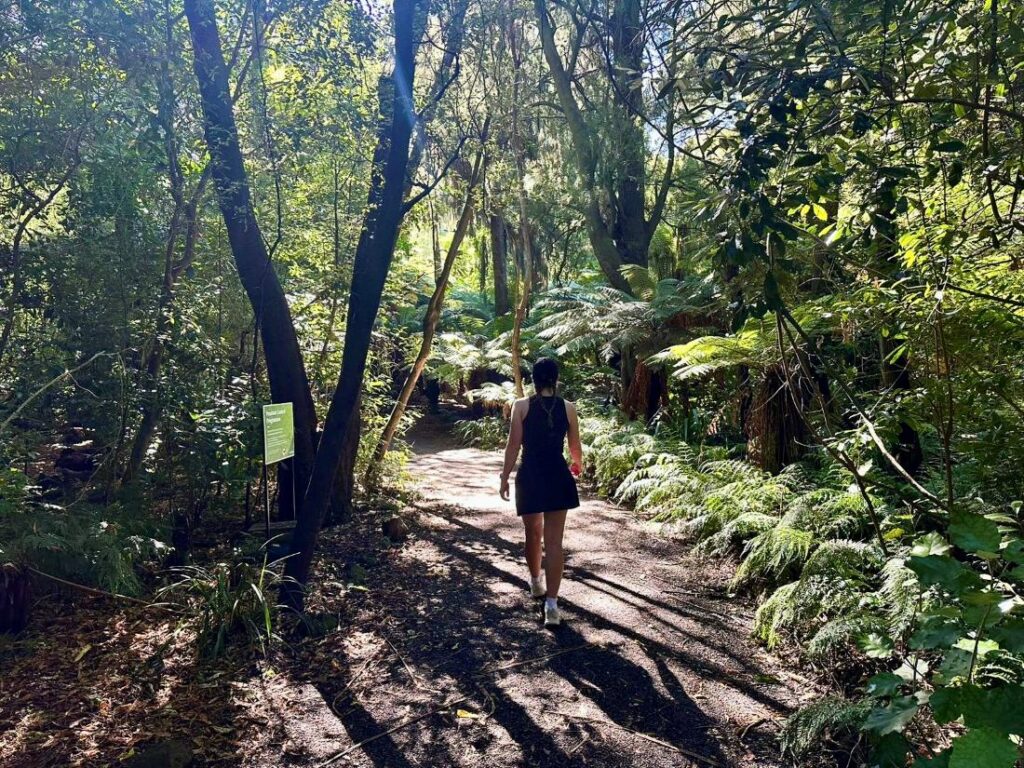
Instead of trying to control everything, it helps to build a few anchors into your travel routine that you can return to easily. This doesn’t need to be a full-day plan; it’s a baseline that keeps things feeling manageable without adding pressure.
Sleep Hygiene
A good place to start is with sleep. Try to keep your wake and sleep window roughly consistent, even if it is not exact. This helps keep your circadian rhythm stable, which is your body’s internal timing system for sleep, energy, and alertness.
You can read more on sleeping well while travelling in our guide.
Eating Well
Next, aim to adjust your meals so they support you. Try to eat at a similar time each day, even if the rest of your schedule shifts. Consistent meal timing helps keep your energy steady, which can help reduce energy dips that often make the day feel harder.
Aim for something reasonably balanced, with protein, carbohydrates, and a few whole foods. This keeps you fuller for longer and avoids the sharper energy swings that often come with ultra-processed options. Over time, this can help support overall health, including immune function, which can be more vulnerable when travelling.
Morning Routine
Another simple step is adjusting how you start your day with an easy morning routine. Getting natural light early, adding a bit of gentle movement, and keeping the first part of your morning screen-free can make a noticeable difference.
They are simple changes, but they make it easier to ease into the day rather than rush straight into it.
Taken together, these anchors give your day a sense of structure without making it rigid. You are not trying to optimise everything, just creating enough stability to help your system stay regulated as you move through the day.
How Much Should You Plan A Solo Trip?
AI can now plan most of your trip in seconds, but your body does not handle constant optimisation particularly well. When everything is pre-planned, there is very little room to adjust. Low-energy days, poor sleep, or simply wanting to slow down start to feel like problems rather than part of the experience.
Your phone can also become part of the problem. Constantly switching between maps, recommendations, and bookings can make it harder to stay focused on where you are. A simple rule helps: check what you need, decide, then put your phone away for a set period.
Part of what makes solo travel feel good is the lack of pressure to follow a plan or meet anyone else’s expectations. You can change your mind, slow down, or do less without it affecting anyone else, which overplanning can take away from.
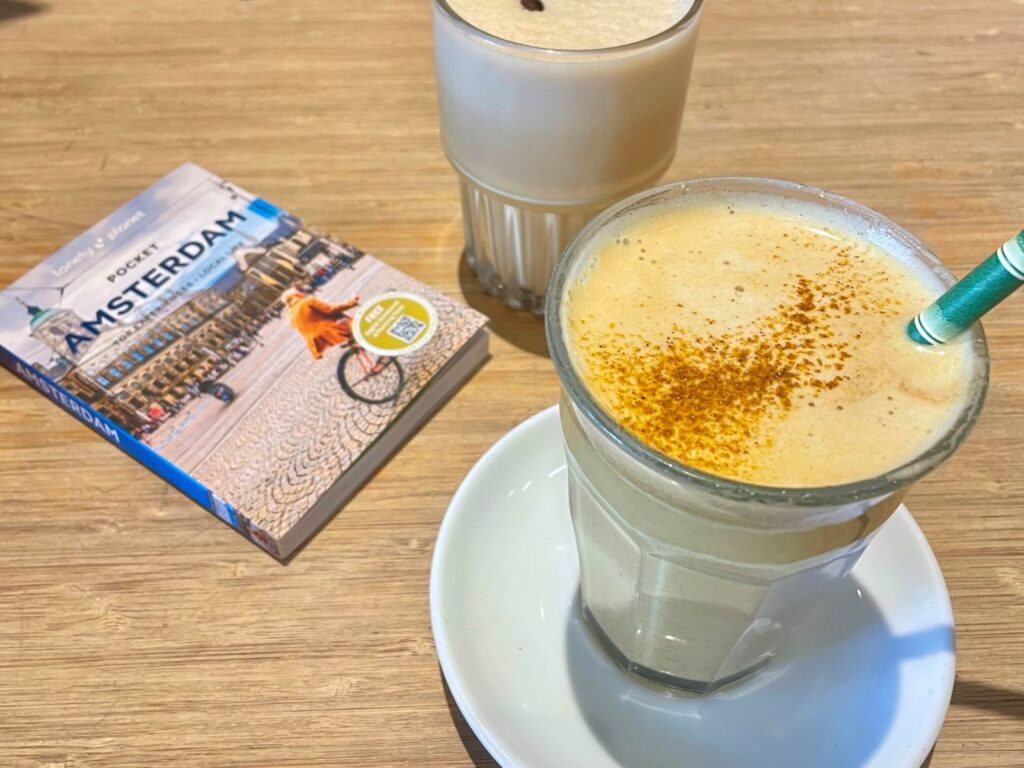
Overplanning can also reduce the sense of discovery. When every decision is made in advance, there is less space to notice things, change direction, or follow what feels interesting in the moment. Something simple, like a Lonely Planet pocket guide, often works better, giving you direction while still allowing you to stay flexible and present.
That said, some things do need to be planned ahead. These are usually best decided before your trip, so they do not add to your mental load while you are there. A good example is the Anne Frank House in Amsterdam, which I missed because I had not booked in advance. Planning one key activity does not mean structuring your entire day around it; you can leave the rest of the day free.
In practice, this often means planning part of your day and leaving the rest flexible. That space is what allows your system to stay regulated, adjust to how you actually feel, and experience things more naturally as they unfold.
Loneliness In Solo Travel (And How To Reduce It)

Travelling alone removes many of the small, familiar interactions that usually shape your day. Even brief moments like chatting to someone, recognising a place, or following a routine help you feel more settled than you might realise. When you are on the road by yourself, that layer of everyday familiarity drops away.
Loneliness is not always about being alone; it’s often about a lack of familiarity. I have felt lonely in busy places, not because no one was there, but because nothing felt familiar.
One way to ease this is through repetition. Going back to the same café, walking the same route, or seeing the same faces creates a sense of familiarity, even in a new place. These small, repeated interactions can make a place feel easier to settle into.
At the same time, it helps to keep social contact low-pressure. As an introvert, I often find that the idea of joining a social meetup with strangers increases my anxiety rather than helping me feel more grounded in a new place. Something simple like a walking tour, a shared table, or a group fitness class can give you moments of connection without the effort of trying to form deeper relationships quickly.
It is also worth recognising that solitude and loneliness are not the same. Some of the most rewarding parts of solo travel come from being alone without needing to fill the space. The goal is not to avoid being alone, but to create just enough familiarity and connection for the experience to feel enjoyable.
Eating Alone While Travelling (And How To Make It Easier)
Food can feel like a catch-22 when you are travelling solo. On one hand, you can eat wherever you want, whenever you want. On the other hand, eating out alone can sometimes feel uncomfortable. You might notice groups around you, feel slightly out of place, or realise you cannot try as much of the menu as you would with other people.
Going out earlier in the evening often feels more relaxed, and it sometimes lines up with happy hour, which helps with budgeting as well. Sitting at the bar instead of a table can feel more natural when you are alone, as there is less focus on who you are with.
It also helps to give yourself alternatives. Choosing accommodation where you can cook or get takeaway food removes the pressure to eat out every time. Even something simple like calling a friend while you eat can make the experience feel less isolating.
How To Choose Accommodation For Solo Travel
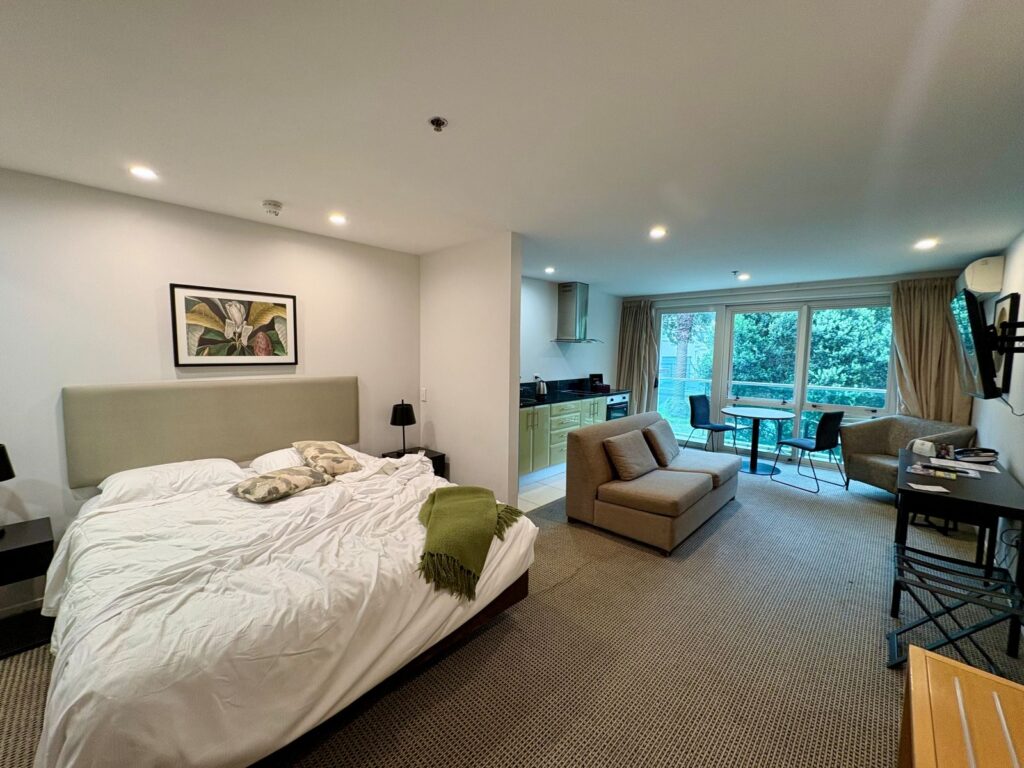
Where you stay has a bigger impact on how a solo trip feels than most people expect. Accommodation shapes your sense of safety, how much structure your day has, and how easy it is to settle into a place. When you are travelling alone, that matters more.
Some environments naturally reduce friction. Hostels, for example, can make it easier to have low-pressure social contact, even if you are not actively trying to meet people. Hotels can offer privacy and consistency, which can feel grounding after busy days. What tends to help most is choosing somewhere that supports a simple rhythm.
Staying in one place for longer, or choosing accommodation where you can cook, rest properly, and return to the same environment each day, makes a noticeable difference. You are not constantly resetting, which reduces both mental effort and overstimulation.
This is also where options like pet sitting work well. Instead of moving constantly, you stay in one place and follow a natural routine. You are not just passing through; you are living in the space, even briefly. I found using TrustedHousesitters for this made my solo travel days feel calmer almost immediately. I ate more regularly, walked more without forcing it, and also felt less lonely with the company of pets.
A Quick Solo Travel Reset (When Things Feel Off)
If a day starts to feel off, it usually does not need a full reset. A few small adjustments are often enough to bring things back into balance.
Eat something balanced
Something simple with protein and carbohydrates can help stabilise your energy, especially if you have been skipping meals or eating irregularly.
Get outside and move lightly
A short walk and some natural light can help your body settle, particularly if you have been indoors or overstimulated.
Reduce input for a while
Stepping away from your phone, noise, or constant decisions for even 30–60 minutes can make it easier for your attention to reset.
These are not big changes, but they are often enough to help you feel more settled and able to continue your day without pushing through it.
How To Stay Balanced During Solo Travel
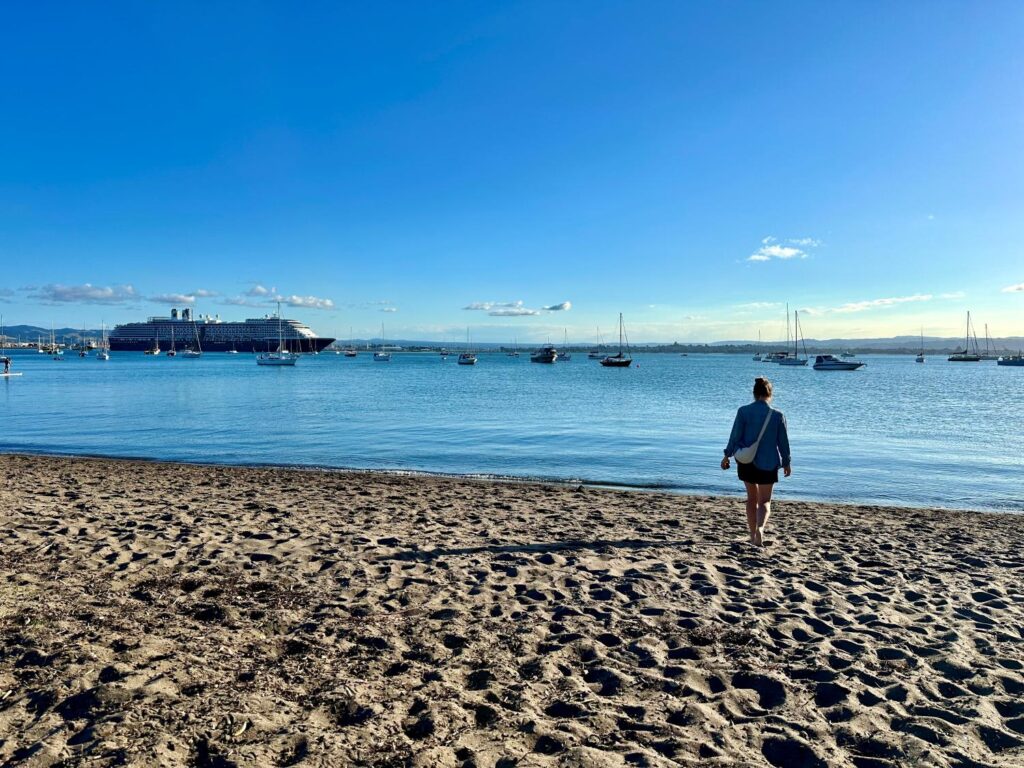
Solo travel is often described as freedom, but what actually shapes the experience is how well you support yourself within it.
Most of the challenges come from small things building up. Too many decisions, inconsistent routines, and constant input can leave you feeling slightly off, even when everything looks right on paper.
What helps is keeping a few steady anchors in place. Sleeping at roughly the same time, eating in a way that supports your energy, and giving your day enough structure without overplanning all make a noticeable difference. Choosing environments and habits that reduce friction, rather than add to it, helps your system stay more settled as you move through the day.
You do not need to get everything right; instead, aim for enough consistency for things to feel manageable. When that is in place, solo travel becomes what people expect it to be, not necessarily perfect, but easier to enjoy, easier to move through, and easier to return to.
This article is for general informational purposes only and is not intended to replace personalised medical, psychological, or professional advice.