Sleeping Well While Travelling: A Calm, Practical Guide
Travel can be exciting, stimulating, and at times, a little overwhelming. When night comes, that doesn’t always translate into good sleep.
You can spend the day walking for hours, feel physically exhausted, and still find yourself wide awake in a new room. The lights are different, the sounds unfamiliar, and the mattress feels wrong. Your body is tired, but your mind feels alert.
Sleeping well while travelling is rarely about doing everything perfectly. It is usually about helping your nervous system feel safe enough to rest in a place it does not yet recognise.
Table of Contents
If you would like to explore more about travel wellbeing, you can return to the Nomadic Balance home page.
Why Sleeping Well While Travelling Feels Harder Than Expected
Research suggests that in unfamiliar environments, certain parts of the brain remain more alert. From an evolutionary perspective, this makes sense; new places require scanning for safety. When you are sleeping in a new place, your brain has not yet coded the environment as predictable.
Travel also shifts the foundations that support sleep:
- More artificial light at night
- More screen time for navigation and bookings
- Irregular meal timing
- Alcohol at unusual hours
- Different time zones
All of these influence your circadian rhythm: the internal clock that regulates sleep and wakefulness. Even small shifts can delay sleep onset or fragment rest.
I no longer expect my best sleep on the first night somewhere new. Removing that pressure tends to make the adjustment easier. Often, it is the anxiety about not sleeping that keeps the system alert.
Curious to explore the science behind this?
This blog draws on established behavioural science research and applies these principles to travel contexts. Sources are linked in our Evidence & Further Reading section.
A Simple Travel Night Routine That Supports Sleep
Instead of trying to replicate your home routine perfectly, think in terms of a landing ritual. A repeatable sequence that tells your body that the day is coming to an end. Consistency matters more than precision.
Two Hours Before Bed
Finish your final meal
Aim to eat around two hours before sleeping. Very heavy meals late at night can feel uncomfortable. Equally, going to bed very hungry can trigger early waking. A balanced meal with protein, fibre, and healthy fat tends to feel steadier through the night.
Be mindful of caffeine
Caffeine can stay in your system longer than you expect. Travel days often come with extra coffee. If sleeping well while travelling is a priority, keep caffeine earlier in the day where possible.
Go lighter on alcohol
Alcohol can make you feel drowsy initially, but it often disrupts sleep later. If you drink, notice how timing and quantity affect your rest rather than assuming it helps.
Thirty Minutes Before Bed
Lower stimulation
Rather than imposing a strict no-screen rule, reduce intensity. Dim the lights, lower screen brightness, and avoid fast scrolling or emotionally charged content. Shift towards a slower input, such as reading, gentle music, or simple journaling.
Create a small signal of safety
This can be simple, such as unpacking a few items, arranging the bedside table, or filling a glass of water to have beside you during the night. These small actions help the space feel more familiar and less temporary.
Write down tomorrow’s logistics
Travel often means planning the next day. If thoughts are circling, write a short list. Moving plans from your head to paper reduces the sense that you need to hold everything overnight.
In Bed
Keep it simple
Keep the bed associated with sleep as much as possible. Spending a long time scrolling or planning in bed can gradually link the space with alertness.
If you wake briefly in the night, pause before reacting. Short awakenings are normal, especially in new environments. Not every wake-up needs to be problem-solved.
What To Do If You Cannot Sleep While Travelling
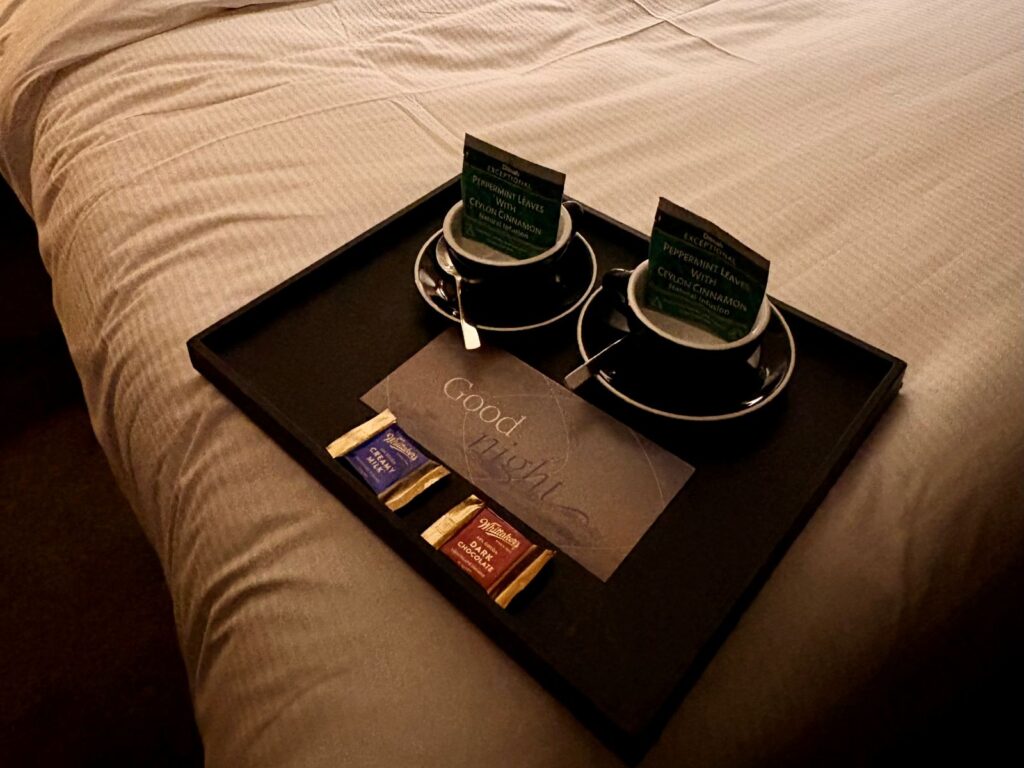
There will be nights when sleep does not come easily.
If you feel wired or frustrated, get up briefly. Keep the lighting low, sit somewhere comfortable, and read something neutral. When sleepiness returns, go back to bed. This helps maintain a clear mental link between bed and sleep.
If your mind feels busy, write thoughts down without editing. Alternatively, try slow nasal breathing with a slightly longer exhale. The aim is not to force sleep, but to reduce the level of alertness.
Often, sleep on the second or third night comes more naturally. Adjustment tends to happen faster when you remove the expectation of “perfect” rest.
Food, Caffeine, And Alcohol When Sleeping Well While Travelling
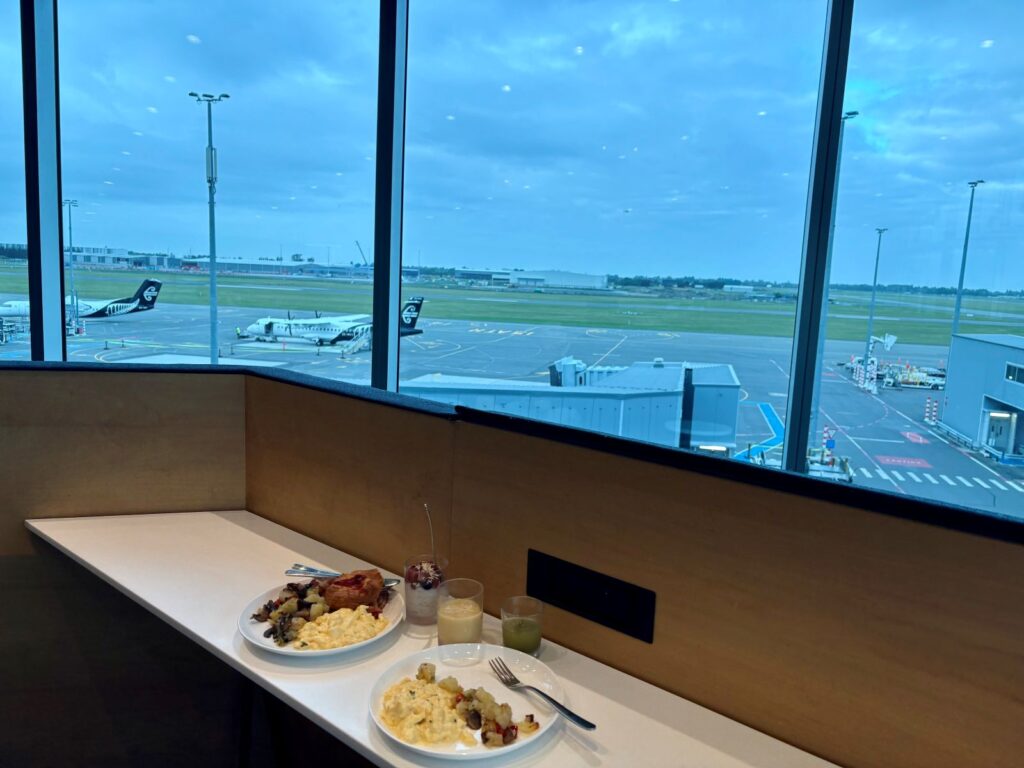
Travel disrupts eating patterns. Later dinners, richer food, and inconsistent timing can all affect sleep quality. Large shifts in blood sugar may contribute to early waking for some people.
A balanced evening meal and maintained hydration, particularly after flights, can help you feel more regulated overnight.
If you are considering supplements such as magnesium or melatonin, speak to a pharmacist or GP first, especially if you take other medication. These can support jet lag recovery for some people, but they work best alongside consistent light exposure and sleep timing, not as replacements.
For more on steady energy while travelling, you may find Ultra-Processed Foods for Travellers: A Simple Guide helpful.
Jet Lag Recovery: Adjusting Your Circadian Rhythm While Travelling

Jet lag is primarily a timing issue. Your internal clock is out of sync with the local environment.
Use Light Intentionally
Light is one of the strongest signals to your body clock. Morning daylight in your new time zone generally helps advance your rhythm earlier. Late evening light delays it.
Spend time outside during daylight hours as soon as you reasonably can. Even a short walk can help. You may find our 10-Minute Morning Routine for Travel: How to Adapt and Feel Grounded Anywhere useful here.
Shift Meals and Movement
Eating and moving at local times reinforces the new schedule. Even if you feel tired, gentle daytime movement supports alignment more effectively than staying indoors.
Set Realistic Expectations
Adjustment usually takes several days, depending on how many time zones you have crossed and the direction of travel. The goal is gradual alignment, not instant synchronisation.
You can explore more on this topic in our how to recover from jet lag guide.
When To Seek Extra Support
Short-term sleep disruption while travelling is common. However, if you consistently struggle with sleep both at home and away, it may be worth speaking to a healthcare professional. Persistent insomnia sometimes requires more structured support.
A travel night routine will not eliminate every restless night. What it can do is reduce unnecessary stimulation, support your circadian rhythm while travelling, and provide clearer signals that the day is done.
You cannot control every variable on the road. But small, steady signals of safety and consistency often go further than rigid rules, and sometimes, that is enough to support sleeping well while travelling.
This article is for general informational purposes only and is not intended to replace personalised medical, psychological, or professional advice.