Mindful Travel: How to Stay Present While Travelling
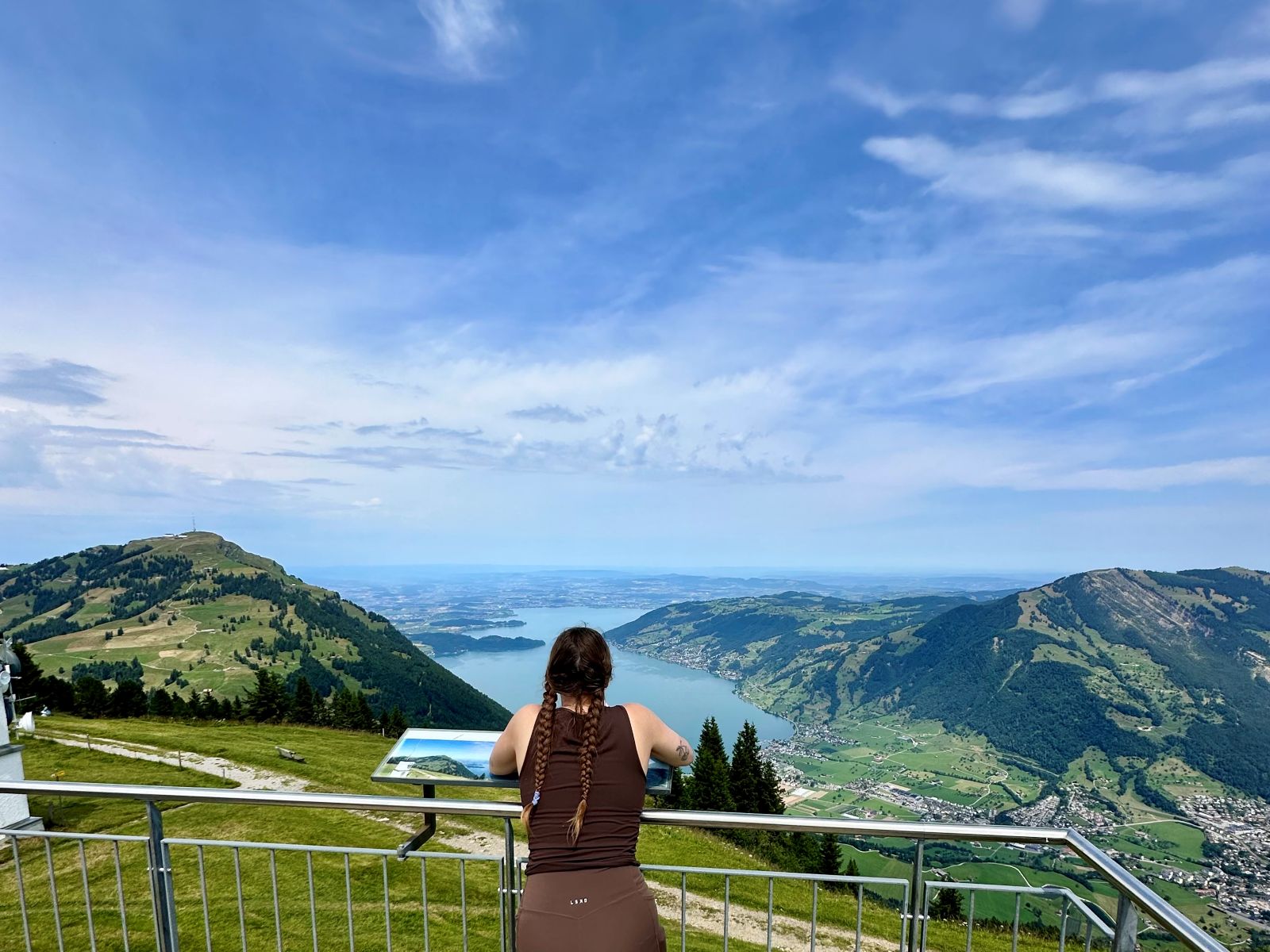
Mindful travel is not about moving slowly, doing less, or turning every moment into a meditation. It’s about choosing where your attention goes while you move through unfamiliar travel environments, so you can stay present while travelling, rather than feeling like it all slips by.
Many trips are remembered as a blur, places visited, photos taken, and itineraries completed, but little sense of actually being there. This usually isn’t because the destination lacked depth. More often, our attention was pulled in too many directions at once: logistics, notifications, decisions, expectations, and the subtle pressure to make the most of limited time.
That’s where mindful travel comes in. In this guide, you’ll learn what mindful travel really means, why it matters for your wellbeing, and how to practise it in a way that fits real trips, not idealised ones.
Table of Contents
What Mindful Travel Actually Means

Mindful travel is the practice of protecting your attention while you’re in new environments. It’s less about doing travel slowly and more about reducing distraction, so more of the trip actually registers. When attention is steadier, experiences are easier to remember and often feel more satisfying.
New places naturally demand more mental effort; there’s more to notice, more to decide, and more to process. Mindful travel means being intentional with your attention in situations where distraction is high.
Rather than trying to control every experience, mindful travel involves choosing, ahead of time and in small ways, how you want your attention to behave once you’re in a setting that constantly pulls at it. This might look like fewer daily decisions, predictable patterns, or short pauses that help you reconnect with your body and surroundings.
Presence isn’t a personality trait, and it’s not something you’re either good at or bad at. It’s a skill that can be supported through simple structure, repetition, and realistic habits. You don’t have to feel calm, focused, or well-rested to practise mindful travel; you need conditions that make attention easier to hold than to keep rebuilding from scratch.
Why Your Attention Shapes How Travel Feels
Attention plays a central role in how experiences are remembered: what you notice is what you remember. This idea is well established in cognitive psychology: when attention is focused, experiences are more likely to be encoded into memory; when attention is divided, much less tends to stick.
In practical terms, this helps explain why some travel moments stay with you while others fade quickly. If your attention is split between navigation, messages, taking photos, and thinking about what’s next, very little of the moment fully registers. When attention is less distracted, even briefly, experiences have a better chance of being remembered.
Curious to explore the science behind this?
This blog draws on established behavioural science research and applies these principles to travel contexts. Sources are linked in our Evidence & Further Reading section.
Focused attention also supports emotional regulation. Research on mindfulness and attention training (outside of travel contexts) suggests that when attention is more stable, people often feel less emotionally reactive and better able to cope with stress as it arises.
Travel naturally places high demands on attention: new environments, unfamiliar routines, sounds, and sensory input all compete for awareness. When attention is maintained rather than scattered, experiences tend to feel more vivid and meaningful simply because more of the moment is actually being processed.
This is why two people can visit the same place and come away with very different memories. The difference isn’t the destination; it’s where their attention was placed.
When attention is scattered, experiences can feel draining without being especially memorable. When attention is focused, even simple moments tend to register more clearly.
Designing Your Attention Before You Go
Some of the most effective mindful travel practices happen before the trip begins. A small number of decisions made in advance can significantly reduce the mental effort required once you’re on the move.
When fewer things need to be worked out on the spot, attention is less likely to become scattered throughout the day.
Pace matters
Highly packed schedules pull your attention towards managing time, routes, and what’s next. Even when everything is going well, a lot of mental effort is required to keep the day on track rather than simply taking in your surroundings.
A slower pace reduces how often attention has to switch between logistics and experience, which can make it easier to stay present on the road. This doesn’t mean fast-paced travel is “bad”. What matters is choosing a pace deliberately, rather than feeling pushed to keep up with it once the trip is underway.
Technology needs boundaries
Phones have become essential travel tools; research on task switching shows that frequent shifts between tasks, including checking phones, can impair sustained attention and increase cognitive fatigue.
That doesn’t mean you can’t use your phone when travelling, but deciding in advance when and how you’ll use your phone, for example, navigation, photos, and communication, can make it easier to concentrate on the moment.
This approach is explored further in 14 Easy Ways to Reduce Screen Time While Travelling. It offers practical ways to reduce digital distraction on the road without sacrificing safety or convenience.
Sleep and new environments
Lack of sleep can impair alertness, reaction time, and attentional control. At the same time, unfamiliar environments naturally demand more attention.
When sleep is limited, it becomes harder to sustain focus in unfamiliar environments. Alternating stimulating days with quieter routines supports staying present while travelling far more effectively than trying to see everything at once.
Practical Mindful Travel Practices for the Road

Use a single daily anchor ritual
Choose one short, repeatable action that marks presence. This could be three slow breaths before entering a new place or standing still for one minute on arrival somewhere new.
These brief anchors work similarly to mindfulness exercises shown in research to improve momentary awareness and reduce the impact of distraction. Their strength comes from consistency, not effort.
Engage with new experiences intentionally
New or unfamiliar experiences naturally draw attention, but only if there’s enough mental space to take them in. When days are overly full, attention often moves on before anything has time to register.
Rather than stacking experiences, choose one small “first” each day and give it a little mental room. This might be trying a food you haven’t had before, taking a different route, or learning a few local words. Staying with that experience, even briefly, supports deeper attention and makes it more likely to be remembered.
Reduce decisions to protect attention
Decision-making consumes mental energy and can quietly drain attention over time. Simplifying choices, such as pre-selecting a few meals or repeating simple routines, leaves more attentional energy available for experiencing your new destination.
Use brief, situational mindfulness
Long sessions aren’t necessary. Short practices such as mindful walking, slow breathing while waiting, or noticing physical contact with the ground can stabilise attention in the moment. Research on brief mindfulness exercises supports their usefulness in enhancing attentional regulation.
Experiment with tech-free windows
Designate a short daily period without your phone. No photos, navigation, or scrolling. Treat this as an experiment rather than a rule.
Tech-free breaks reduce task switching and allow unfiltered sensory input, which supports deeper memory encoding. Even a brief phone-free window, especially early in the day, can help attention settle before it’s pulled in multiple directions.
This is why simple grounding practices, like those in A 10 Minute Morning Routine to Help You Adapt to Travel (and Feel Grounded Anywhere), can make such a noticeable difference to how the rest of the day feels. They provide a simple daily anchor that supports steadier attention.
For many travellers, this looks less like a “digital detox” and more like leaving the phone behind for a short walk, breakfast, or coffee. This allows them to notice how much more of the moment registers when nothing else is competing for attention.
The Trade-Offs That Shape How Present You Feel

Staying present while travelling isn’t about getting everything right. It’s often about navigating a few predictable trade-offs that affect how attention behaves on the road.
Planning enough – but not too much
Too much planning can take away spontaneous engagement. Too little can create a low level of background stress that quietly pulls attention away from the moment.
Presence isn’t about finding a perfect balance. It’s about choosing a level of structure that fits your energy and attention. Some people feel more settled with clear plans in place; others feel more present with open space in the day. What matters is noticing which approach helps your attention stay with what’s happening, rather than constantly checking what’s next.
When days feel too full
New places naturally ask more of your attention. But when every day is busy or highly stimulating, attention can become fatigued.
Alternating fuller days with quieter routines gives attention a chance to recover. This often makes it easier to stay engaged when things are interesting, instead of feeling mentally saturated or detached by the end of the day.
Travelling with other people
When travelling with others, differences in pace, planning style, or phone use can pull attention in competing directions. Even small mismatches can create friction that makes it harder to stay present.
Agreeing on a few shared expectations, such as how tightly to plan days or when phones are used, can reduce this background tension. When fewer things need negotiating in the moment, attention is freed up for shared experience rather than quiet frustration.
Preparation, Memory, and Staying Present
Preparation can meaningfully support staying present while travelling by reducing how much attention is spent on decisions in the moment. Pre-saving locations, routes, or points of interest isn’t about controlling the experience; it’s about lowering cognitive load so more attention can remain with what’s happening around you.
When fewer mental resources are spent managing logistics, attention is freer to notice the environment, internal state, and small details that shape how travel is remembered. Over time, this is what allows experiences to feel more coherent rather than rushed or blurred together.
Mindful travel practices aren’t about doing travel “correctly” or following a set of rules. They’re about working with how attention actually functions in unfamiliar settings. When attention is supported, rather than constantly distracted or scattered, travel tends to feel more present, more grounded, and easier to recall long after the journey ends.
FAQs: Frequently Asked Questions About Mindful Travel

What is mindful travel?
Mindful travel is the practice of intentionally managing where your attention goes while travelling. Rather than focusing on doing less or moving slowly, it involves reducing distractions so more of your experiences are fully noticed, processed, and remembered.
How can I stay present while travelling?
Staying present while travelling is less about constant awareness and more about reducing what pulls attention away. Simple choices, such as limiting unnecessary decisions, setting boundaries around phone use, and building small daily anchor routines, can make attention easier to hold in unfamiliar environments.
Does mindful travel mean slow travel?
No. Mindful travel doesn’t require slow travel or fewer destinations. Fast-paced trips can still feel present when attention isn’t constantly split between logistics, notifications, and planning what’s next. What matters is choosing a pace deliberately rather than feeling pushed by it.
Why do trips sometimes feel like a blur afterwards?
Trips often feel blurred together when attention is scattered. Cognitive psychology shows that divided attention reduces how well experiences are encoded into memory. When attention is steadier, even brief or simple moments are more likely to register and be remembered clearly.
How does phone use affect attention while travelling?
Frequent phone use increases task switching, which can impair sustained attention and increase mental fatigue. While phones are essential travel tools, deciding in advance when and how to use them can reduce distraction and support staying present on the road.
How Mindful Travel Supports Your Wellbeing
Mindful travel isn’t about doing less for the sake of it, or trying to force yourself into some ideal version of being present. It’s about noticing how easily your attention gets pulled in new environments, and making small adjustments that help you stay with your experience a little longer. When you reduce unnecessary decisions, create simple structure, and give yourself space to pause, travel starts to feel less like something you’re keeping up with and more like something you’re actually in.
Over time, these small shifts change the quality of your trips. You remember more, feel less drained, and don’t come home needing to recover from the experience itself. It doesn’t require perfect habits or constant awareness, just a willingness to make attention a priority, in ways that are realistic for how you actually travel.